

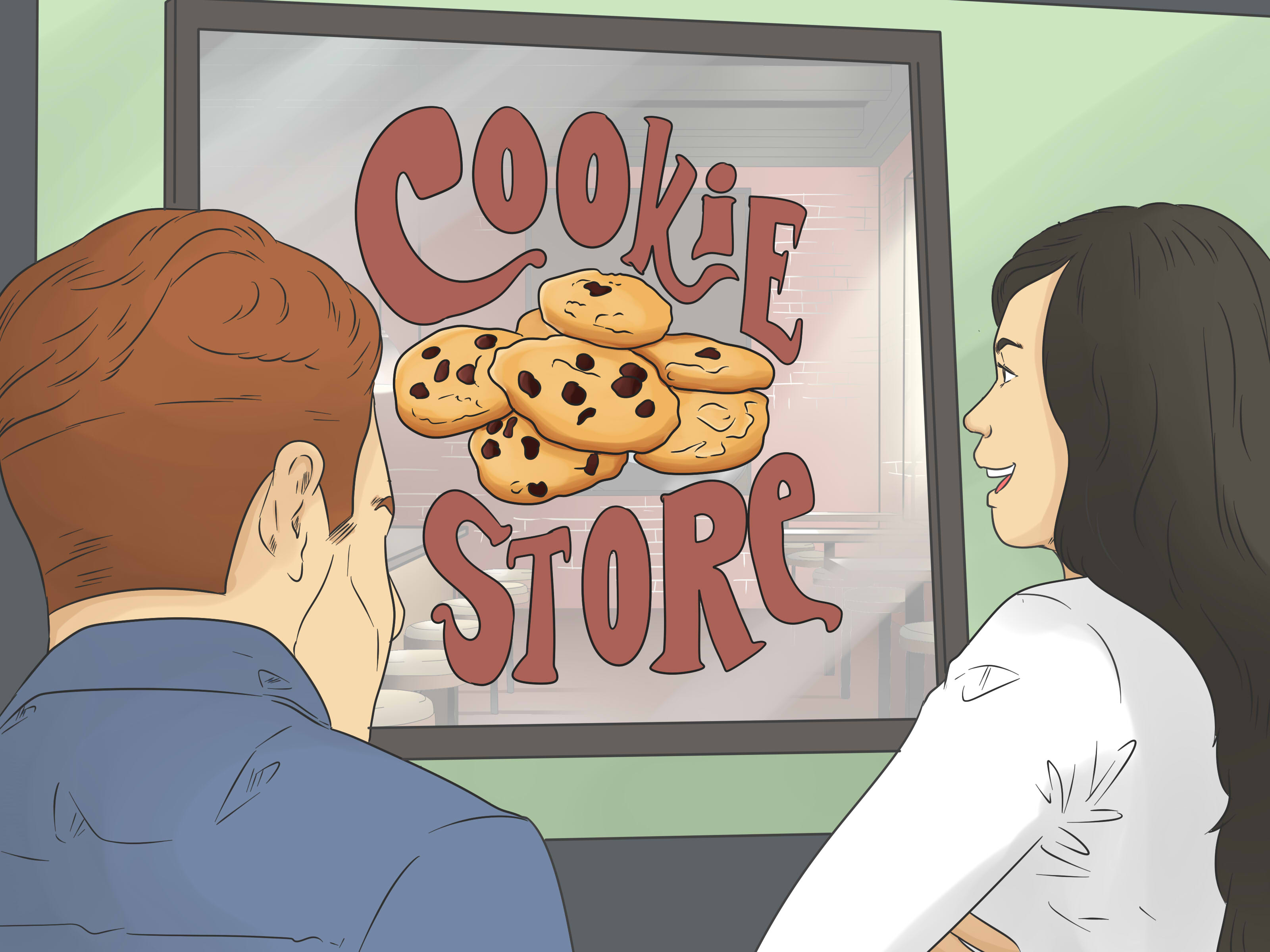
Turning butter, sugar, flour, and a suspicious number of chocolate chips into a real business sounds delightfully simple. Bake cookies, collect money, repeat. In practice, learning how to start a cookie business also involves market research, food regulations, pricing, packaging, bookkeeping, and the occasional customer who wants 200 hand-decorated cookies by tomorrow morning.
The good news is that a cookie company can begin on a manageable scale. Depending on local laws, you may be able to operate as a cottage food business from your home kitchen, test products through preorders, and expand only after demand becomes predictable. These 13 steps explain how to move from “everyone loves my cookies” to a legal, organized, and potentially profitable bakery business.
Important note: Cottage food laws, licensing rules, sales limits, labeling requirements, and permitted delivery methods vary by state, county, and city. Always confirm current requirements with the agencies responsible for food businesses in your location before accepting orders.
1. Choose a Specific Cookie Business Concept
Begin with a defined product and customer rather than trying to bake every cookie known to civilization. A focused concept is easier to explain, promote, price, and produce consistently.
Your niche might be oversized gourmet cookies, decorated sugar cookies, corporate gift boxes, wedding favors, nostalgic family recipes, vegan products, or locally delivered cookie subscriptions. Think about the occasions that create demand: birthdays, holidays, school events, real estate closings, employee appreciation, and late-night chocolate emergencies.
Write a one-sentence positioning statement. For example: “We make premium stuffed cookies for local customers who want impressive gifts without ordering a full cake.” This sentence becomes a filter for future decisions, including flavors, packaging, photography, and sales channels.
2. Research Customers and Competitors
Market research can prevent you from creating a beautiful answer to a question nobody asked. Identify local bakeries, home-based bakers, supermarket alternatives, and national cookie delivery brands. Compare their menus, prices, minimum orders, customer reviews, pickup policies, and visual presentation.
Look for gaps rather than simply copying popular products. Perhaps nearby competitors require two weeks for custom orders, offer few dairy-free choices, or sell large boxes when customers want affordable four-cookie gifts.
Validate Demand Before Buying Equipment
Ask potential customers what they purchase, for which occasions, and how much they normally spend. Then conduct a small paid test. A weekend preorder with three flavors provides stronger evidence than 40 friends saying, “You should totally sell these.” Compliments are lovely; completed payments are market research wearing sensible shoes.
3. Develop and Standardize Your Recipes
A commercial recipe must deliver the same size, taste, texture, and yield every time. Convert recipes to weight measurements, document ingredient brands, record mixing times, and specify dough temperature, portion weight, oven temperature, baking time, and cooling procedure.
Create a production sheet for every product. If one batch should produce 24 three-ounce cookies, record that target and investigate substantial variations. Small differences become expensive when multiplied across hundreds of orders.
Test how each cookie behaves after one, three, five, and seven days in its intended packaging. Evaluate flavor, moisture, appearance, breakage, and food safety. Products containing cream cheese, custard, fresh dairy fillings, or other temperature-sensitive ingredients may not qualify for cottage food production in some states.
4. Write a Lean Bakery Business Plan
Your cookie business plan does not need to resemble a 90-page corporate document guarded by three lawyers. It does need to answer practical questions:
- Who is the target customer?
- What products will you sell?
- Why will customers choose your brand?
- Where will orders come from?
- How much money is needed to start?
- How many cookies can you produce each week?
- What monthly sales will cover fixed expenses?
Prepare a startup budget for permits, training, insurance, ingredients, packaging, a mixer, baking sheets, storage containers, labels, photography, website fees, payment processing, and market booth costs. Include cash for several months of ordinary expenses. A business plan should help you spot problems while they are still inexpensive.
5. Decide Where and How You Will Produce
Many entrepreneurs start a home-based cookie business under their state’s cottage food law. Nearly every state has some form of cottage food framework, but the details differ dramatically. Rules may control approved foods, annual sales, training, inspections, labels, online transactions, shipping, wholesale accounts, and where products may be delivered.
Some states permit shelf-stable cookies from a private kitchen but restrict refrigerated fillings. Others require registration, a permit, food-handler education, or direct-to-consumer sales. Local zoning, rental agreements, homeowners association rules, and business-use restrictions may also apply.
If your menu or distribution plan falls outside cottage food rules, consider renting a licensed shared-use commercial kitchen. Although this adds expense, it may provide better equipment, additional storage, broader product options, and access to wholesale opportunities.
6. Select and Protect Your Business Name
Choose a name that is distinctive, easy to pronounce, and flexible enough to survive future growth. “Megan’s Tuesday Chocolate Chip Cookies” may become awkward when Megan adds brownies and starts selling on Fridays.
Search your state’s business registry, internet search results, domain names, social media handles, and the federal trademark database. Registering a domain or forming a company does not automatically create unlimited trademark rights. If the brand will become a major asset, discuss clearance and registration with a qualified trademark attorney.
Build a simple visual identity with two or three colors, readable type, and a logo that remains recognizable on a small label. The packaging should make customers remember your bakery, not wonder whether they ordered cookies from an accounting firm.
7. Choose a Business Structure and Organize Finances
Common structures include a sole proprietorship, partnership, limited liability company, and corporation. Your selection affects liability, taxation, ownership, and registration obligations. An accountant or business attorney can help you evaluate the appropriate structure for your circumstances.
Register the company and any assumed business name required by your jurisdiction. Determine whether you need federal and state tax identification numbers. An Employer Identification Number is available directly from the IRS at no charge; avoid third-party websites that collect unnecessary fees for submitting the application.
Open a dedicated business bank account as soon as you begin accepting or spending business money. Record every sale and expense, including processing fees, mileage, ingredients, permits, and packaging. Separating business and personal transactions makes bookkeeping far less crumb-covered at tax time.
Ask an insurance professional about general liability, product liability, home-business coverage, equipment protection, and commercial auto coverage when applicable. A standard homeowners policy may not cover every business-related loss.
8. Obtain Licenses, Permits, and Training
Contact your state agriculture or health department and the appropriate county or city agency. Depending on the operating model, you may need a cottage food registration, food establishment permit, general business license, sales tax registration, zoning approval, food-handler certificate, or kitchen inspection.
Request written guidance and keep copies of applications, certificates, renewals, and agency correspondence. Create a compliance calendar so deadlines do not vanish beneath a holiday order spreadsheet.
Do not assume another baker’s setup is legal for your business. Two entrepreneurs living 20 miles apart may be subject to different local rules. Regulations also change, so review official information periodically rather than relying on an old social media post written by someone named CookieQueen87.
9. Create Safe Production and Compliant Labels
Establish written procedures for cleaning, handwashing, ingredient storage, allergen control, cooling, packaging, and batch identification. Follow the core food-safety practices of cleaning, separating, cooking, and chilling where relevant. Keep pets, personal items, household traffic, and unrelated food preparation away from production periods as required.
Packaged food labels commonly need elements such as the product name, business information, net quantity, ingredient list in descending order by weight, and allergen disclosure. Cottage food operations may also need a specific statement explaining that the product was made in a home kitchen that is not routinely inspected.
Federal law recognizes nine major food allergens: milk, eggs, fish, crustacean shellfish, tree nuts, peanuts, wheat, soybeans, and sesame. Cookies frequently contain several of them. Use accurate labels, prevent careless cross-contact, and never describe a product as “allergen-free” unless your processes genuinely support that claim.
Nutrition Facts requirements and exemptions depend on the business, product, sales method, production volume, and marketing claims. Confirm the rules before making statements such as “low sugar,” “high protein,” or “healthy.” A cookie may bring joy, but joy is not currently a regulated nutrient.
10. Calculate Costs and Set Profitable Prices
Cookie pricing should include more than flour and chocolate. Calculate the cost of ingredients, packaging, labels, labor, utilities, kitchen rental, payment fees, delivery supplies, spoilage, marketing, permits, insurance, and overhead.
Suppose a batch of 24 cookies uses $18 in ingredients and $6 in packaging. If production, cleanup, and packing require two hours and you assign labor at $20 per hour, the known cost is already $64, or about $2.67 per cookie, before overhead and profit. Selling them for $2 each would create a busy hobby that generously donates your labor to strangers.
Review competitor pricing, but do not copy it blindly. Their portions, costs, kitchen arrangements, and financial goals may be different. Establish minimum quantities for custom work, charge separately for delivery, and collect deposits for large orders. Recalculate costs whenever suppliers or recipes change.
11. Build a Repeatable Production and Packaging System
Plan production backward from the promised pickup or delivery time. Schedule purchasing, dough preparation, chilling, baking, cooling, decorating, packing, and quality checks. Use batch codes or production dates so you can trace problems and rotate inventory.
Choose food-safe packaging that protects freshness and prevents breakage. Test boxes under realistic conditions: stack them, carry them in a warm vehicle, and send a trial package through the delivery method you intend to use. The most artistic cookie in town loses some charm after arriving as premium chocolate-chip gravel.
Start with a small core menu so ingredients can be purchased efficiently. Track inventory and establish reorder points for essentials such as flour, butter, chocolate, parchment, boxes, and labels. Maintain approved backup suppliers because a missing box should not cancel a profitable weekend.
12. Choose Sales Channels and Market the Brand
Possible channels include preorders, local pickup, farmers markets, pop-ups, an online cookie shop, corporate gifts, weddings, subscription boxes, and wholesale accounts where legally permitted. Begin with one or two channels that match your available time and production capacity.
Create a mobile-friendly website or ordering page showing flavors, prices, allergens, minimum quantities, lead times, delivery zones, refund policies, and high-quality photographs. Make purchasing simple. Requiring customers to send seven direct messages merely to discover the price is not mysterious branding; it is administrative cardio.
Use Content That Helps Customers Buy
Post clear product photos, cutting videos, packing clips, customer reviews, holiday deadlines, and behind-the-scenes stories. Build an email list with permission rather than depending entirely on a social platform’s algorithm. Ask satisfied buyers to leave reviews and refer friends.
Local partnerships can be especially valuable. Connect with coffee shops, event planners, photographers, real estate agents, schools, and offices, provided each sales arrangement complies with food regulations.
13. Soft-Launch, Measure Results, and Scale Carefully
Launch with limited weekly quantities, a short menu, and clear order deadlines. A controlled opening reveals how long production actually takes and where mistakes occur without burying you beneath 600 snickerdoodles.
Track revenue, ingredient cost, labor time, average order value, waste, repeat purchases, and profit by product. A flavor that sells frequently may still perform poorly if it consumes excessive labor or uses expensive ingredients. Conversely, a simple cookie box may quietly become your most profitable offer.
Scale only after the basic system works. Possible next moves include raising batch size, scheduling help, renting commercial kitchen space, adding corporate accounts, introducing nationwide shipping where permitted, or opening a storefront. Growth should improve profit and customer experiencenot merely increase exhaustion.
Practical Experiences and Lessons From Starting a Cookie Business
One of the earliest lessons in a cookie startup is that popularity and profitability are different achievements. A giant stuffed cookie may attract enthusiastic comments online, but the business benefits only if its price covers premium chocolate, fillings, packaging, labor, transaction fees, and failed batches. New bakers often underprice because the kitchen is at home and the mixer is already on the counter. Yet the owner’s time still has value, and household equipment experiences real wear. Recording every task for several production daysshopping, mixing, responding to messages, labeling, cleaning, and deliveringusually reveals far more labor than expected.
A second lesson is that a short menu often produces a stronger launch. Imagine a new baker offering 16 flavors because variety feels impressive. The result may be partially used ingredients, complicated prep schedules, inconsistent inventory, and customers who need a committee meeting to choose a box. A six-flavor menu with four permanent products and two rotating specials is easier to photograph, forecast, and improve. Customers still receive variety, while the baker gains control over purchasing and batch production.
Order boundaries matter just as much as recipes. Without written lead times, payment rules, and change policies, custom requests can consume entire evenings. A customer may order three dozen cookies and then revise the colors, wording, quantity, and pickup time in separate messages. A structured order form prevents much of this confusion. Requiring a deposit, defining the number of included revisions, and setting an approval deadline protects both parties. Clear policies are not unfriendly; they are the business equivalent of oven mitts.
Packaging also deserves testing before a major launch. A box that looks perfect on the kitchen table may allow cookies to slide during a sharp turn or trap enough moisture to soften crisp decorations. Trial orders should travel through the same conditions as real ones. Give sample packages to several people, ask them to open the boxes a day or two later, and request candid feedback about freshness, damage, label clarity, and presentation. If shipping is permitted, mail test boxes to different climates and record the results before advertising broad delivery.
Another common discovery is that production capacity should be measured, not guessed. A baker may technically fit four trays in an oven, but uneven airflow could make only two-tray batches reliable. Decorating 60 detailed cookies might require much longer than decorating 60 simple ones. Time every stage and calculate realistic daily capacity with a buffer for cleanup, customer communication, and mistakes. Selling out at a controlled quantity creates anticipation; accepting too much work creates 2 a.m. resentment toward royal icing.
Finally, repeat customers are often more valuable than constant flavor invention. Save customer preferences, follow up after important orders, announce seasonal menus early, and make reordering convenient. A dependable signature cookie can build the brand while limited editions provide excitement. The businesses that last are rarely those with the longest menus. They are the ones that combine memorable products with reliable service, accurate numbers, safe practices, and boundaries that let the owner continue enjoying the work.
Conclusion
Learning how to start a cookie business requires equal attention to baking and business fundamentals. Define a focused niche, validate demand, standardize recipes, understand cottage food laws, price every product accurately, and create systems before chasing rapid growth. Start small enough to learn, but professionally enough that customers trust you from the first box.
A cookie company does not need a storefront or a truckload of equipment on day one. It needs a legal operating model, dependable products, sensible pricing, and customers who have a delicious reason to return.