

A rooster’s crow can sound charming when it belongs to a distant farmhouse. When it erupts outside your bedroom window at 4:47 a.m., however, the rustic charm may evaporate faster than dew on a hot sidewalk.
Unfortunately, there is no humane switch that turns crowing off completely. Crowing is a natural, instinctive behavior controlled partly by a rooster’s internal biological clock. Roosters also crow to advertise their presence, respond to disturbances, communicate with the flock, and challenge other males. The realistic goal is therefore not to create a permanently silent rooster. It is to reduce the volume, frequency, timing, or neighborhood impact of his crowing without compromising his health.
This guide explains how to reduce rooster noise through better housing, flock management, environmental changes, neighbor-friendly routines, and cautious consideration of no-crow collars. It also covers the situations in which rehoming may be the safest and most responsible solution.
Can You Actually Stop a Rooster from Crowing?
Not entirely. National Cooperative Extension guidance notes that preventing a rooster from crowing is generally not feasible and that roosters may vocalize throughout the day, not just at sunrise. Mature roosters naturally crow, while hens usually make softer clucks and occasional louder alarm or egg-laying calls.
You may be able to make crowing less disruptive, delay the morning sound, reduce reactions to specific triggers, or lower the volume heard beyond your property. Results vary considerably between birds. One rooster may deliver five dramatic announcements before breakfast, while another appears to be auditioning for an all-day livestock musical.
Why Roosters Crow So Much
Their Internal Clock Tells Them Morning Is Coming
Roosters do not merely wait for sunlight to hit their faces. Peer-reviewed research has found that predawn crowing is regulated by an internal circadian clock. Light, noises, and other roosters can stimulate crowing, but a rooster may begin calling before sunrise even in controlled lighting conditions. That is why simply covering a window does not always produce instant silence.
Crowing Is Part of the Flock’s Social Order
Roosters also use crowing as a social announcement. Research involving small groups found that the highest-ranking rooster usually crowed first before dawn, followed by lower-ranking birds in descending social order. When the dominant bird was removed, the next-ranking rooster took over the opening performance.
This helps explain why keeping several roosters can create a chain reaction. One bird crows, another answers, and suddenly the backyard resembles a feathery conference call in which everyone forgot the mute button.
External Triggers Can Start Another Round
Car headlights, porch lights, barking dogs, predators, unfamiliar people, loud machinery, and competing roosters can all trigger additional vocalization. Chickens are usually relatively quiet at night unless startled, so repeated nighttime crowing deserves investigation.
Check Local Rooster Laws Before Changing Anything
Before buying equipment or rebuilding the coop, check your city code, county rules, homeowners association regulations, rental agreement, and nuisance-noise ordinance. Many communities permit hens but prohibit roosters because of their crowing. Other areas limit the number of birds, require permits, specify setbacks from neighboring homes, or allow roosters only temporarily for breeding.
A sound-reduction method does not automatically make an illegal rooster legal. A rooster wearing a collar is still a rooster, and a zoning officer is unlikely to be dazzled by his accessories.
Humane Ways to Reduce Rooster Crowing
1. Keep Him in a Secure Coop Until a Reasonable Hour
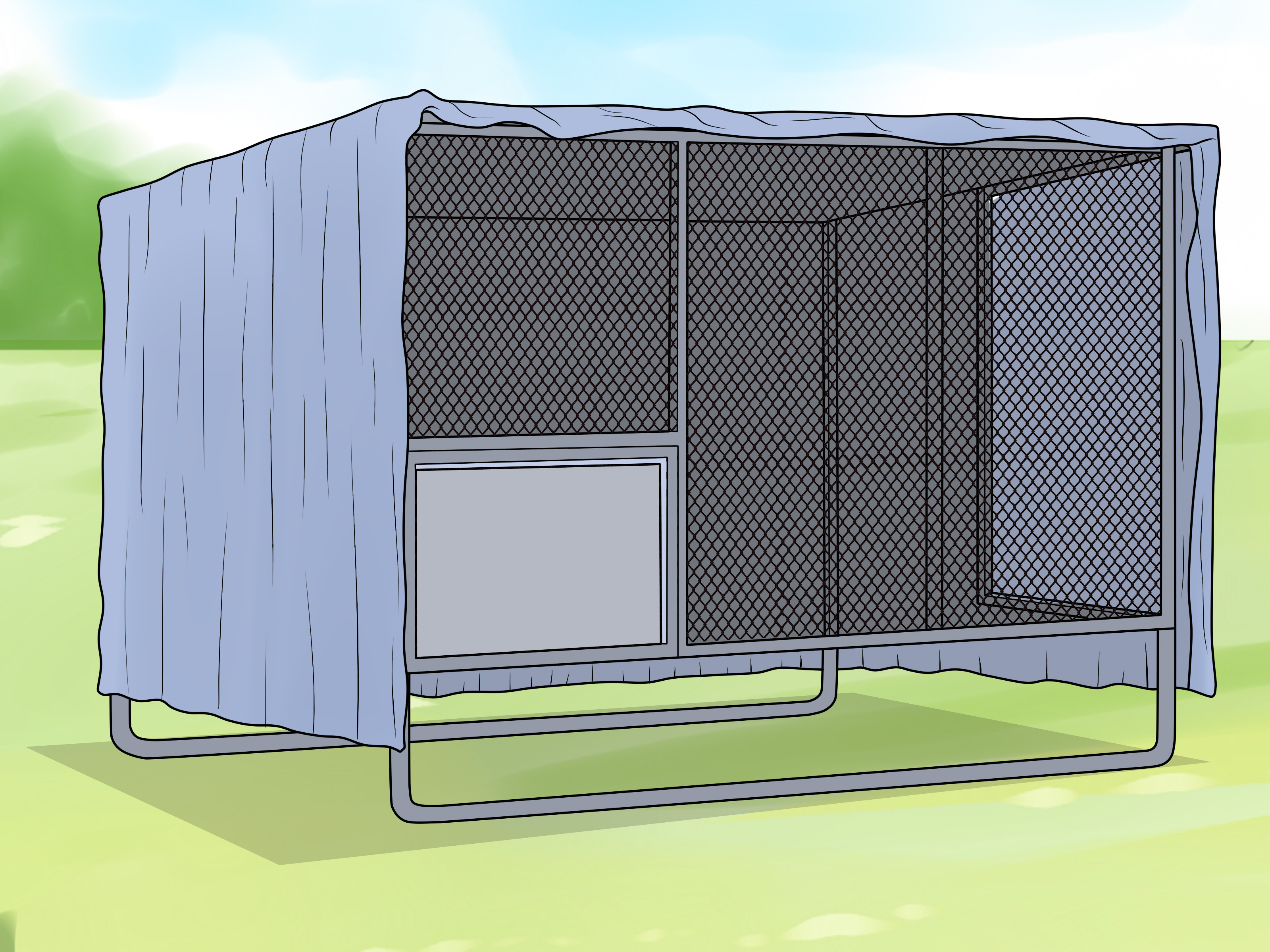
A well-built nighttime coop can reduce how much predawn crowing reaches nearby homes. Keep the rooster indoors until the time your local rules and household routine consider reasonable. Use a secure automatic door or release him manually at a consistent time.
The coop can be dim during sleeping hours, but it should never become an airtight blackout box. Fresh air is essential for oxygen exchange and for removing moisture, carbon dioxide, ammonia, and stale air. High vents near the roof can maintain airflow without placing a draft directly across the roost.
Because the internal clock can initiate predawn crowing without bright light, this method may reduce the neighborhood impact more reliably than it reduces the rooster’s actual number of crows.
2. Remove Artificial Light Triggers
Inspect the coop after dark. Motion lights, vehicle headlights, floodlights, illuminated windows, and even a bright security light from the next property may stimulate activity.
Use opaque curtains, solid exterior panels, or careful coop positioning to block direct light while preserving ventilation. Avoid leaving bright supplemental lighting on overnight. If lighting is used for flock management, place it on a predictable timer rather than creating random flashes that convince the rooster the sun has developed commitment issues.
3. Reduce Predator and Disturbance Triggers
A rooster may crow or call when he detects something unusual. Look for raccoons, rodents, neighborhood cats, loose dogs, owls, or other animals visiting the run. Secure feed, repair gaps, reinforce doors, remove spilled grain, and use predator-resistant hardware cloth where appropriate.
Also consider ordinary disturbances. A trash truck arriving before dawn, a neighbor leaving for an early shift, or a barking dog on the other side of the fence may explain why the rooster launches a second morning concert.
4. Redesign the Coop to Contain Sound
Distance and direction matter. Place the coop as far as practical from neighboring bedrooms and point doors, windows, and ventilation openings away from adjacent houses. A solid fence, storage shed, dense hedge, or other barrier may interrupt the direct path of sound.
Adding mass to the coop walls can also help. Solid wood panels generally contain sound better than thin sheet metal or open wire. Acoustic or insulation products should remain completely inaccessible to the birds so they cannot peck, swallow, or become tangled in them. Materials must also be moisture-resistant and installed without blocking ventilation or creating a fire hazard.
5. Avoid Keeping Too Many Roosters Together
Multiple males may answer and challenge one another throughout the day. Separating them visually can sometimes reduce competitive crowing, although it may not eliminate it. Avoid placing two bachelor pens where the birds can spend sunrise glaring at each other like rival talk-show hosts.
If breeding is the goal, Mississippi State University Extension suggests that approximately one rooster for every 10 to 12 hens is generally sufficient. The appropriate arrangement still depends on breed, temperament, space, hen condition, and flock behavior.
Watch hens for feather loss, injuries, hiding, or exhaustion. A rooster problem should not be solved by forcing too few hens to absorb excessive mating pressure.
6. Provide Space and Enrichment
Boredom is not the sole cause of crowing, but a well-managed environment may reduce agitation and unnecessary alarm behavior. Provide secure outdoor space, dry litter, dust-bathing areas, multiple perches, vegetation, scratching material, and opportunities to forage. Chickens benefit from expressing normal behaviors such as pecking, scratching, roosting, and dust bathing.
Maintain a consistent feeding and release schedule. Sudden changes in flock membership, housing, food access, or daily activity can increase excitement and social disruption.
7. Work With Your Neighbors Before Complaints Escalate
Speak with nearby residents before the rooster becomes a neighborhood legend. Ask when the crowing is most disruptive and explain the specific changes you are making. Moving the coop 20 feet, delaying the morning release, or blocking one direct opening may matter more than attempting to suppress every crow.
Keep a simple log for one week. Record when crowing begins, how long intense periods last, what lights or noises occur, and whether another animal is present. Patterns are easier to correct than vague impressions that the rooster has been yelling “since approximately the invention of time.”
Do No-Crow Collars Work?
What a No-Crow Collar Is Designed to Do
A no-crow collar is a fabric or mesh band placed around a rooster’s lower neck. It is marketed as a way to reduce the force or volume of crowing by limiting how much air the bird can use during the call. It does not remove the instinct to crow, and it should not be expected to create complete silence.
Even favorable product descriptions focus on reducing noise rather than stopping the behavior. Results differ according to the rooster’s anatomy, breed, size, feathering, crowing style, and the device’s fit.
Are No-Crow Collars Safe?
No collar placed around a bird’s neck should be considered risk-free. A device that is too tight, poorly positioned, damaged, or caught on an object may interfere with breathing, swallowing, movement, or normal feather condition. A detailed community guide written by an experienced collar user reports fatal fitting mistakes. That report is anecdotal rather than controlled veterinary research, but it illustrates how serious an incorrect fit can become.
For that reason, a no-crow collar should be treated as a last-resort noise-reduction tool rather than the first solution. Housing changes, legal compliance, trigger control, and rehoming should all be considered first.
Safety Rules for Anyone Considering a Collar
- Consult an avian or poultry veterinarian before use, particularly if the rooster has any history of respiratory illness.
- Use a purpose-made product from a manufacturer that provides sizing, fitting, inspection, and removal instructions.
- Do not improvise with zip ties, wire, rubber bands, tape, cord, or narrow hook-and-loop straps.
- Never tighten a collar in an attempt to achieve instant silence.
- Supervise continuously during the initial fitting period and inspect the bird frequently afterward.
- Check beneath the collar for skin irritation, damaged feathers, swelling, debris, or pressure marks.
- Confirm that the rooster can eat, drink, walk, preen, rest, and move his neck normally.
- Make sure the enclosure contains no hooks, wire ends, branches, or hardware that could catch the collar.
- Remove the collar during extreme heat or whenever the rooster appears stressed, unless a veterinarian has given different instructions.
Remove the Collar Immediately if You See Distress
Emergency warning signs include open-mouth breathing when the bird is not simply cooling himself after ordinary activity, repeated neck stretching, gasping, wheezing, weakness, collapse, unusual stillness, loss of balance, inability to swallow, or a comb that becomes abnormally dark or bluish. Respiratory difficulty and weakness require prompt veterinary attention.
Do not assume breathing problems are merely an adjustment period. Poultry respiratory disease can also cause coughing, sneezing, nasal discharge, abnormal breathing sounds, and difficulty breathing. A collar may worsen an existing problem or make symptoms harder to interpret.
Methods You Should Never Use
Frustration can produce some spectacularly bad internet advice. Avoid any method that causes pain, fear, suffocation, malnutrition, or permanent deprivation.
- Do not tape or tie the beak closed.
- Do not use shock devices, hitting, spraying chemicals, or physical punishment.
- Do not lock the rooster in a tiny container where he cannot stand, turn, stretch, or ventilate properly.
- Do not deprive him of food or water to make him weak or quiet.
- Do not keep him in permanent darkness.
- Do not attempt surgical alteration of the airway or vocal structures.
- Do not abandon him in a field, roadside area, park, or unfamiliar flock.
Yelling at a rooster is also ineffective. From his perspective, you may simply be participating enthusiastically in the crowing contest.
When Rehoming Is the Best Option
Rehoming may be the most humane choice when roosters are prohibited, neighbors remain seriously affected, the property cannot contain sound, several males are fighting, or a collar cannot be used safely.
Remember that hens do not need a rooster to produce ordinary eating eggs. A male is required only when fertile eggs and chicks are desired. Removing a rooster therefore does not end normal egg production.
Contact established farm sanctuaries, breed rescues, humane societies, agricultural networks, veterinarians, feed stores, and experienced rural keepers. Screen potential adopters carefully. Ask about housing, predator protection, flock composition, quarantine procedures, and the intended purpose of the bird.
Start early because reputable rescues are often already caring for unwanted males. Animal-welfare organizations warn that accidental roosters are frequently surrendered and that shelters and sanctuaries may be overburdened.
A Practical Rooster-Noise Action Plan
- Verify legality: Read local poultry, zoning, and noise rules.
- Track the pattern: Record crowing times and possible triggers for seven days.
- Control morning light: Block direct artificial light without reducing ventilation.
- Improve nighttime housing: Keep the rooster securely cooped until an acceptable hour.
- Redirect sound: Move or modify openings and place barriers between the coop and neighboring homes.
- Reduce competition: Reconsider the number and placement of roosters.
- Improve welfare: Add space, perches, dust bathing, forage, clean water, and a predictable routine.
- Talk with neighbors: Ask whether the changes have produced a meaningful improvement.
- Consult a veterinarian: Discuss unexplained vocal changes, respiratory signs, or any proposed collar use.
- Prepare a rehoming plan: Do not wait until a formal complaint creates an emergency deadline.
Practical Experience Notes: What Common Backyard Scenarios Teach
The following composite examples represent common situations encountered by backyard keepers. They are not claims of personal ownership experience, but they demonstrate how practical observation can lead to safer decisions.
Experience 1: The Rooster Who Was Blamed for the Sunrise
In one typical suburban setup, the owner assumes sunlight is the only problem and covers the coop’s small window. The rooster continues crowing before dawn, leaving everyone confused and slightly offended.
A week-long log reveals that a neighbor’s car enters the driveway at roughly the same time each morning. The headlights sweep across the wire run, a dog begins barking, and the rooster responds. The successful change is not a tighter curtain. It is a solid exterior panel blocking the headlights, a better-positioned vent, and a privacy screen between the coop and the dog.
The lesson is that morning crowing can be internally timed while still being intensified by external events. Solving the trigger may not eliminate the first crow, but it can prevent the following 25.
Experience 2: The Two-Rooster Echo Chamber
Another keeper has two handsome young roosters in neighboring pens. Each bird is calm when temporarily moved out of sight. Together, however, they answer one another from breakfast until lunch, with occasional afternoon encore performances.
The owner first adds enrichment, which improves general behavior but does little to stop the competitive exchange. A solid visual barrier reduces some calling, yet the property remains too small to create meaningful distance. Eventually, one rooster is rehomed to a larger rural flock.
Noise drops immediately, and the remaining rooster becomes easier to manage. The experience demonstrates that crowing is not always a housing defect. Sometimes the flock’s social structure is the loudest object in the yard.
Experience 3: The Collar That Seemed FineUntil It Wasn’t
A keeper tries a no-crow collar after receiving a neighbor complaint. The first result appears promising: the crow is quieter. Several hours later, however, the bird becomes unusually still and repeatedly adjusts his neck.
The collar is removed immediately. The rooster returns to normal behavior, and the owner decides not to refit it without veterinary guidance. Instead, the coop is relocated behind a storage building, solid panels are added to the neighbor-facing wall, and morning release is delayed.
The final arrangement does not make the rooster silent, but it reduces the sound reaching the neighboring bedroom. The important lesson is that quieter does not automatically mean safer. Subtle behavioral changes deserve attention before obvious respiratory distress develops.
Experience 4: The Neighbor Conversation That Worked Better Than Equipment
In another common situation, a keeper assumes the neighbors hate every crow. A respectful conversation reveals that the problem is concentrated between 5:00 and 6:00 a.m., when the rooster is allowed into an open run beside the property line.
The owner begins keeping him inside a ventilated solid-walled coop until 7:30 a.m. and moves the outdoor feeder away from the shared fence. The rooster still crows inside, but the structure contains enough sound to prevent regular sleep disruption.
The neighbors agree that daytime crowing is tolerable. No collar is necessary, no formal complaint is filed, and the rooster remains with the flock.
This experience highlights an easily overlooked point: the target is often not absolute silence. It is reducing the sound at the place and time where it causes the most harm.
Experience 5: The Accidental Rooster With No Legal Future
A family purchases several supposedly female chicks and discovers months later that one is a cockerel. Their city prohibits roosters regardless of noise level. They initially consider hiding him indoors each morning, but that would not change the ordinance and would create an unstable long-term routine.
Instead of waiting for a citation, they contact rescues, feed stores, poultry clubs, and rural acquaintances. After screening several replies, they place the bird with an experienced keeper who has secure housing and an established flock.
The family later adopts an adult hen whose sex is already known. The outcome is less dramatic than a secret suburban rooster operation and much better for everyone involved, including the rooster.
Conclusion
You cannot reliably stop a healthy rooster from crowing because crowing is built into his biology, social behavior, and daily rhythm. You can, however, reduce its impact. Start with local laws, a crowing log, secure nighttime housing, controlled lighting, sound-conscious coop design, predator management, proper flock structure, and an honest conversation with nearby residents.
No-crow collars may reduce volume in some birds, but they do not remove the urge to crow and can create serious risks when fitted or monitored incorrectly. They should never substitute for legal compliance, good husbandry, veterinary guidance, or a responsible rehoming plan.
The most successful rooster strategy is rarely “How do I force him to be silent?” A better question is “How can I protect his welfare while preventing his natural behavior from taking over the neighborhood?” That approach may not produce absolute quiet, but it is far more likely to produce a healthy bird, rested neighbors, and fewer sunrise arguments.
Note: This article provides general educational guidance. Poultry laws vary by location, and breathing difficulty or suspected illness requires prompt advice from a qualified avian or poultry veterinarian. The content synthesizes peer-reviewed research, U.S. Cooperative Extension publications, veterinary references, and animal-welfare guidance.