

Few car problems are as annoying as a mysterious shake that appears right when you finally reach cruising speed. One minute your car feels normal, and the next your steering wheel is doing a tiny drum solo. Before you blame the road, your coffee, or the ghost of a pothole you hit three months ago, there is a very common suspect: an out-of-balance tire.
Learning how to tell which tire is out of balance can help you describe the problem clearly to a technician, avoid unnecessary repairs, and protect your tires from early wear. The good news is that tire imbalance usually gives two major clues: where you feel the vibration and how the tire tread is wearing. These signs are not a perfect home diagnosis, but they can point you in the right direction before you head to a tire shop.
This guide explains the two key signs to look for, how to tell whether the front or rear tires may be involved, and when the problem might be something else, such as alignment, brake rotors, wheel bearings, suspension parts, or a bent wheel.
What Does It Mean When a Tire Is Out of Balance?
A tire is out of balance when the tire-and-wheel assembly does not have weight distributed evenly around its rotation. Even a small heavy spot can create a shake as the wheel spins faster. Imagine a washing machine with all the towels jammed on one side. At low speed, it may grumble. At high speed, it starts auditioning for a disaster movie.
Modern tire shops correct imbalance by using a balancing machine to spin the wheel and identify where small weights should be added. Those weights help the tire rotate smoothly. Balancing is normally done when new tires are installed, after certain flat repairs, during rotations if vibration appears, or whenever a wheel weight falls off.
An out-of-balance tire can affect ride comfort, tread life, handling feel, and even suspension wear over time. It is not usually a “pull over this instant” emergency unless the shaking is severe, but it is not something to ignore either. A small vibration today can turn into uneven tread wear tomorrow, and tires are expensive enough without letting them chew themselves into lumpy donuts.
The 2 Key Signs of an Out-of-Balance Tire
Sign 1: Vibration That Changes With Speed
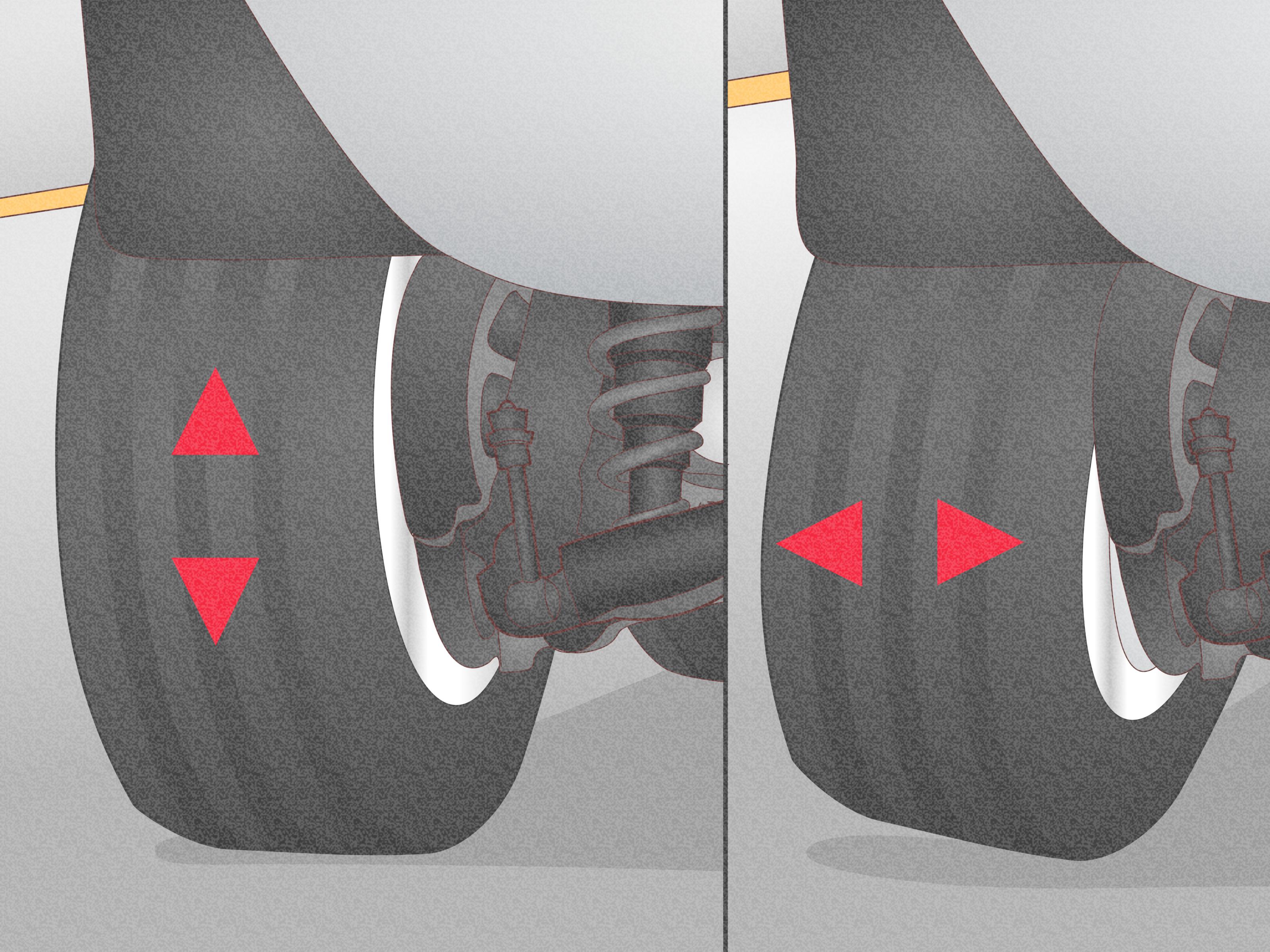
The most common symptom of an out-of-balance tire is vibration that becomes noticeable at certain speeds, often around highway speeds. The shake may appear in the steering wheel, seat, floorboard, pedals, or the body of the vehicle. The important clue is that it usually changes with speed. It may be mild at 35 mph, obvious at 55 mph, and stronger at 65 mph.
If the vibration feels like a steady shimmy rather than a single clunk, grind, or scrape, imbalance becomes more likely. A tire that is not rotating evenly may hop slightly or wobble side to side, and that motion travels through the suspension into the cabin. Your car may still drive straight, but it will feel less smooth, as if the road suddenly developed an invisible washboard texture.
How to Tell Whether It Is a Front or Rear Tire
You usually cannot identify the exact tire from the driver’s seat, but you can often narrow down the area:
- Steering wheel vibration: This often points to a front tire or front wheel issue.
- Seat or floor vibration: This often points to a rear tire or rear wheel issue.
- Whole-car vibration: More than one tire may be out of balance, or another issue may be involved.
For example, if your steering wheel shakes mostly between 50 and 65 mph, the front tire-and-wheel assemblies deserve attention first. If the steering wheel stays fairly calm but the seat feels like it is buzzing under you, the rear tires may be the better suspect.
However, do not treat this as a courtroom verdict. Vehicle design, suspension condition, tire type, and road surface can change how vibration travels. The best move is to explain the symptom clearly to a technician: “The steering wheel shakes at 60 mph,” or “The seat vibrates on the highway but the wheel does not shake much.” That information helps the shop diagnose faster.
Sign 2: Uneven, Patchy, or Faster-Than-Normal Tire Wear
The second major sign is uneven tire wear. A balanced tire rolls smoothly. An unbalanced tire may bounce or wobble slightly, which can create irregular tread wear over time. The tread may develop patchy areas, cupping, scalloping, or sections that look more worn than the rest of the tire.
Cupping often looks like small scooped-out dips around the tire tread. Run your hand gently over the tread surface while the car is parked safely and the tires are cool. If the tire feels wavy, choppy, or uneven from one section to the next, imbalance may be part of the problem. Just be careful: worn tread edges can feel rough, and you should not inspect tires on the roadside or near moving traffic.
Uneven wear does not automatically mean tire imbalance. Poor alignment, incorrect tire pressure, worn shocks, damaged suspension parts, and neglected rotations can also cause strange tread patterns. Still, when uneven tread wear appears together with speed-related vibration, the case for tire balance becomes much stronger.
How to Check Your Tires Safely Before Visiting a Shop
You do not need to become a driveway mechanic to gather useful clues. A quick, safe inspection can help you understand what is happening and explain it better to a professional.
1. Notice When the Vibration Starts
Pay attention to the speed range. Does the shake appear only above 45 mph? Does it get worse as you accelerate? Does it fade at lower speeds? Tire imbalance often becomes easier to feel as speed increases because the rotating force grows stronger.
Try to observe the symptom on a smooth, familiar road when traffic is light. Do not test aggressively, speed, or take your hands off the wheel. The goal is not to perform a science experiment worthy of a racing team. The goal is simply to notice the pattern.
2. Identify Where You Feel the Shake
Steering wheel, seat, floorboard, pedals, dashboard, and body vibration can all tell a story. A front imbalance commonly shows up through the steering wheel. A rear imbalance often shows up through the seat or floor. If the whole vehicle shakes, a technician may need to inspect all four wheels and also check for wheel damage or suspension issues.
3. Look for Missing Wheel Weights
Wheel weights are small metal pieces attached to the rim. Some are clipped to the edge of the wheel; others are adhesive weights placed inside the barrel. If you recently hit a pothole, scraped a curb, or had a tire repaired, a weight may have come loose. A missing weight can throw the wheel out of balance.
You may see a clean rectangular spot where an adhesive weight used to be. That does not prove the tire is out of balance, but it is a useful clue to mention at the shop.
4. Inspect the Tread Pattern
Check all four tires in good light. Look for patchy wear, feathering, cupping, bald spots, or one tire that looks dramatically different from the others. A tire with uneven tread may also make more road noise, especially at highway speed.
If the tread is dangerously low, the tire has cracks, cords showing, a bulge, or sidewall damage, do not focus only on balancing. Those conditions may require tire replacement or immediate professional inspection.
Tire Balance vs. Alignment: What Is the Difference?
Tire balance and wheel alignment are often confused because both can cause poor ride quality and tire wear. They are related, but they are not the same repair.
Tire balancing corrects uneven weight in the tire-and-wheel assembly. It is about how smoothly the wheel spins.
Wheel alignment adjusts the angles of the wheels so they point in the correct direction and meet the road properly. It is about how the tires sit and track as the vehicle moves.
If your car shakes at certain speeds, balancing is a strong suspect. If your car pulls left or right, the steering wheel is off-center, or the tires show edge wear, alignment may be involved. Many vehicles need both services at different times, especially after pothole hits, curb impacts, suspension repairs, or tire replacement.
Other Problems That Can Feel Like an Out-of-Balance Tire
A tire balance issue is common, but it is not the only reason a car shakes. Here are a few look-alikes:
Bent Wheel or Damaged Rim
A bent rim can cause vibration even if the tire is technically balanced. This often happens after hitting a deep pothole or curb. A shop may need to spin the wheel and check for runout, which means the wheel does not rotate perfectly true.
Out-of-Round Tire
Sometimes the tire itself is not perfectly round or has internal damage. In that case, regular balancing may not fully solve the vibration. Road-force balancing can help identify tire stiffness variation or mounting issues that a standard spin balance might miss.
Worn Suspension or Steering Parts
Loose tie rods, worn ball joints, bad control arm bushings, or tired shocks can create shaking, wandering, clunks, and uneven tire wear. If the vibration comes with sloppy steering or knocking sounds, ask for a suspension inspection.
Brake Rotor Issues
If the steering wheel shakes mainly while braking, especially from highway speed, the problem may be brake-related rather than tire balance. Warped or uneven brake rotors can create a pulsing brake pedal or steering shake during braking.
Wheel Bearing Problems
A bad wheel bearing may cause humming, roaring, grinding, or vibration that changes when turning. This is different from a classic tire imbalance, which is usually most noticeable at certain speeds.
Can You Keep Driving With an Out-of-Balance Tire?
You may be able to drive a short distance to a repair shop if the vibration is mild, but do not ignore it for weeks. An out-of-balance tire can wear unevenly, reduce ride comfort, and put extra stress on suspension and steering components. It may also hide a more serious issue, such as tire damage or a bent wheel.
If the shaking is severe, the vehicle feels unstable, the tire has a bulge, the steering feels loose, or you hear grinding or knocking, stop driving and arrange professional help. A smooth ride is nice; a safe ride is non-negotiable.
How Tire Shops Confirm Which Tire Is Out of Balance
A technician will typically remove the wheel and place it on a balancing machine. The machine spins the tire-and-wheel assembly and measures imbalance. It then shows where weights should be added or adjusted.
If the tire keeps showing vibration after balancing, the shop may check for:
- Bent wheels
- Improper tire mounting
- Road-force variation
- Uneven tread wear
- Suspension looseness
- Incorrect tire pressure
- Wheel bearing issues
This is why a good diagnosis matters. Throwing weights at the wheel is not always enough if the tire is damaged, the rim is bent, or the suspension is worn. Tire balance is one chapter in the story, not always the entire novel.
How to Prevent Tires From Going Out of Balance
You cannot prevent every imbalance. Tires wear, wheel weights fall off, potholes exist, and curbs occasionally jump out in parking lots with suspicious timing. Still, good maintenance helps.
Rotate Tires Regularly
Regular rotation helps tires wear more evenly. Many drivers rotate tires every 5,000 to 7,500 miles, but the best interval is the one recommended by your vehicle or tire manufacturer.
Check Tire Pressure Monthly
Incorrect tire pressure can create uneven wear and poor handling. Use the pressure listed on the driver’s door placard, not the maximum number printed on the tire sidewall.
Rebalance After Tire Repairs or New Tire Installation
Any time a tire is removed from the wheel, it should usually be balanced again. New tires should also be balanced before installation.
Do Not Ignore Pothole Impacts
If you hit a pothole hard enough to say something unprintable, inspect the tires and wheels afterward. A curb or pothole strike can bend a rim, shift a weight, or damage a tire.
Real-World Experiences: What an Out-of-Balance Tire Often Feels Like
In real life, tire imbalance rarely introduces itself politely. It usually starts as a small vibration that drivers try to explain away. Maybe the road is rough. Maybe the wind is strong. Maybe the car is just “getting older.” Then, a week later, the steering wheel starts shaking at exactly 62 mph, and suddenly the vehicle has a favorite speed for being dramatic.
A common experience is the “highway-only shake.” Around town, the car feels normal. At 25 or 35 mph, nothing seems wrong. Then the driver merges onto the highway, reaches cruising speed, and the steering wheel begins to tremble. This often points toward a front tire imbalance, especially if the vibration is felt mostly through the hands. Drivers sometimes describe it as a buzz, shimmy, or fast wobble. It may not pull the vehicle left or right, which is one reason people confuse it less with alignment once they understand the difference.
Another frequent story involves rear tire imbalance. The steering wheel may feel calm, but the seat or floor vibrates. Passengers might notice it before the driver does. Someone in the back seat may say, “Why is the car shaking?” which is never the sentence you want to hear from a person holding a drink with no lid. Rear imbalance can feel like a low rumble through the cabin, especially at freeway speeds.
Some drivers notice the problem soon after buying new tires. That does not always mean the tires are bad. Sometimes a wheel weight was not placed correctly, the assembly needs a more precise rebalance, or the tire did not seat perfectly on the rim. A quick return visit to the shop often solves it. If balancing does not fix the issue, a technician may look for a bent rim, road-force variation, or a tire defect.
Other drivers first notice the problem after hitting a pothole. The car was smooth before; then one hard impact later, the vibration begins. That impact may knock off a wheel weight, bend a rim, or damage the tire internally. This is why it is helpful to tell the shop what happened. “It started after a pothole” gives the technician a better starting point than “my car is haunted.”
Uneven tread wear is another real-world clue, but it usually appears later. A driver may ignore a mild shake for months, then discover that one tire has patchy wear or cupping. At that point, balancing may stop the vibration from getting worse, but it may not erase the wear pattern already carved into the tire. Sometimes the tire remains noisy even after the root problem is corrected. That is the tire’s way of saying, “I forgive you, but I will be humming about this for the next 10,000 miles.”
The best experience is the boring one: the driver notices the shake early, visits a tire shop, gets the wheels balanced, and the car returns to smooth, quiet cruising. It is not glamorous, but neither is replacing tires early because a small vibration was ignored. When it comes to tire balance, boring is beautiful.
Conclusion
The easiest way to tell which tire may be out of balance is to focus on two signs: speed-related vibration and uneven tire wear. If the steering wheel shakes, the front tires are likely suspects. If the seat or floor vibrates, look toward the rear tires. If you also see cupping, patchy tread, or faster-than-normal wear, tire imbalance becomes even more likely.
Still, vibration can have several causes, including alignment problems, bent wheels, damaged tires, brake issues, worn suspension parts, or bad wheel bearings. Use the signs in this guide to understand the problem, then have a qualified tire professional confirm it with proper equipment. Your tires are the only parts of your car that actually touch the road, so they deserve more attention than the air freshener shaped like a pine tree.