

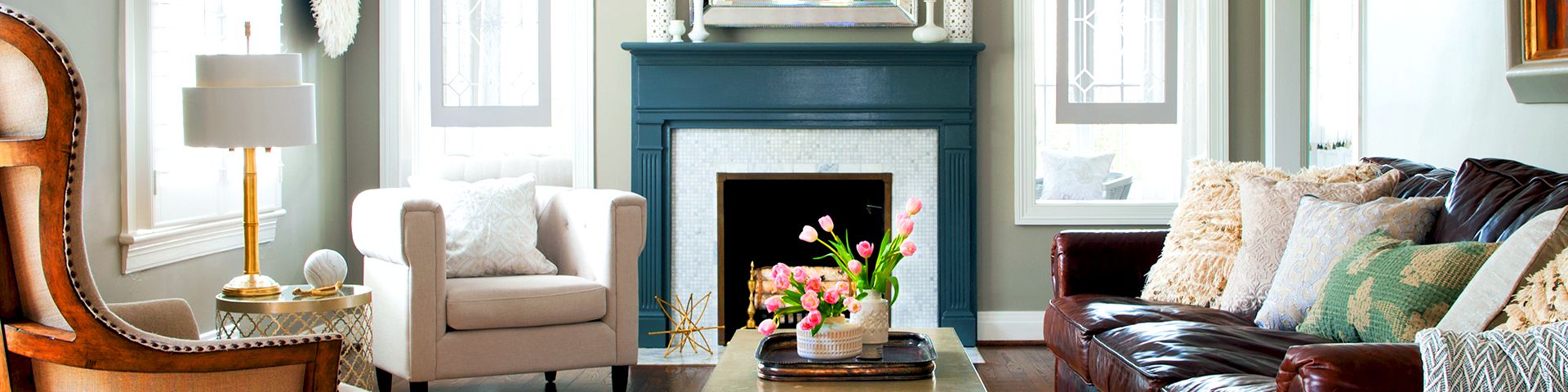
A fireplace has one magical talent: it can make a room look intentionally designed even when the rest of the space is still negotiating with a laundry basket, three remote controls, and a suspiciously permanent pile of mail. Whether it burns wood, runs on gas, plugs into an outlet, or simply holds candles like a retired drama teacher, a fireplace naturally becomes the visual anchor of a home.
But here is the catch: a fireplace can also date a room faster than avocado-green appliances. The wrong tile, a too-tiny mantel, awkward TV placement, or a heavy stone wall can turn a cozy feature into the design equivalent of wearing snow boots to a beach wedding. The good news? With the right fireplace design ideas, you can transform the hearth into a stylish focal point that feels warm, balanced, practical, and very much at home.
This guide explores modern fireplace ideas, classic fireplace surround ideas, mantel styling, material choices, small-space solutions, safety-minded updates, and real-world design lessons that help your fireplace look beautiful without trying too hard.
Why Fireplace Design Matters
A fireplace is not just a heat source. In many homes, it is the architectural “center of gravity.” Furniture often turns toward it. Artwork hangs above it. Built-ins frame it. Guests gather near it, even when no fire is burning, because apparently humans are still emotionally loyal to caves.
The best fireplace design does three things at once: it complements the architecture of the house, supports the room’s function, and adds personality without overwhelming everything else. A farmhouse living room may call for a reclaimed wood mantel and soft white brick. A modern home may look best with a sleek linear gas fireplace set into plaster or stone. A traditional colonial may shine with a classic painted mantel, marble surround, and symmetrical sconces.
Before choosing a finish, ask a simple question: should the fireplace whisper, speak, or sing opera? A quiet fireplace blends into the room with neutral materials. A statement fireplace uses bold stone, dramatic tile, or a full-height surround. The “opera” version is usually black marble, fluted stone, oversized art, and a room that says, “Yes, I own coasters, but they are sculptural.”
Modern Fireplace Design Ideas for a Fresh Look
1. Go Floor-to-Ceiling With Stone or Tile
A full-height fireplace surround instantly adds drama. Stone, porcelain slab, limewash plaster, brick veneer, or large-format tile can draw the eye upward and make ceilings feel taller. This works especially well in open living rooms where the fireplace needs enough presence to compete with large windows, sectional sofas, and the family dog who believes every room is his stage.
For a clean modern fireplace design, choose large-format porcelain tile that mimics marble, concrete, limestone, or travertine. Fewer grout lines mean a smoother, more upscale look. In rustic homes, stacked stone or fieldstone creates texture and weight. In transitional spaces, a honed stone slab can bridge the gap between classic and contemporary.
2. Try a Sleek Linear Fireplace
Linear fireplaces are popular in modern interiors because they feel streamlined and architectural. Their long, horizontal shape pairs beautifully with low furniture, media walls, and minimalist rooms. A linear gas or electric fireplace can be surrounded by plaster, stone, tile, or custom cabinetry for a polished built-in look.
The key is proportion. A tiny linear fireplace floating in a giant wall can look like a loading bar waiting for Wi-Fi. Balance it with a wide surround, integrated shelving, or a large piece of artwork above.
3. Use Plaster for Soft Minimalism
Plaster-style fireplace surrounds are ideal for homeowners who want warmth without visual clutter. Venetian plaster, Roman clay, limewash finishes, and smooth drywall treatments create a soft, handmade feel. The result is modern but not cold, simple but not boring.
This style works especially well in Mediterranean, organic modern, Japandi, and California casual interiors. Pair it with a low hearth, a curved opening, or a thick floating mantel to add dimension.
4. Paint Brick for an Affordable Refresh
Painting brick is one of the most budget-friendly fireplace makeover ideas. White brick brightens a room. Charcoal brick adds mood. Soft beige or greige keeps things neutral. For older homes, painted brick can make a dated fireplace feel intentional again.
However, painted brick is a commitment. Once brick is painted, reversing it is a whole production, complete with chemicals, scraping, and regret. If you are hesitant, consider limewash or masonry stain, which can offer a softer, more breathable appearance.
Fireplace Surround Ideas by Material
Marble: Elegant and Timeless
Marble fireplace surrounds are classic for a reason. They bring movement, polish, and a sense of luxury without needing much else. White marble with gray veining suits traditional and transitional rooms. Dark marble adds drama. Beige or warm-toned marble feels softer and more relaxed.
To keep marble from feeling too formal, pair it with casual textures such as linen curtains, woven baskets, wood floors, or a relaxed sofa. The fireplace gets to wear the tuxedo; the rest of the room can wear jeans.
Tile: Flexible, Colorful, and DIY-Friendly
Tile fireplace ideas are almost endless. Zellige tile adds handmade shine. Herringbone tile brings movement. Patterned cement tile creates a bold focal point. Subway tile feels clean and classic. Terracotta tile warms up a neutral room.
Tile is especially useful when you want personality without rebuilding the entire fireplace. It can update the surround, hearth, or firebox area depending on the fireplace type and local requirements. Always choose materials appropriate for heat exposure and follow manufacturer guidance.
Natural Stone: Rustic, Organic, and Strong
Stone fireplaces create a grounded feeling. Fieldstone, limestone, slate, quartzite, and stacked stone can make a living room feel connected to nature. A rough stone fireplace looks great in cabins, lodges, mountain homes, and rustic farmhouse interiors. A smoother limestone or travertine surround feels calmer and more refined.
The trick with stone is scale. Big stones need breathing room. In a small living room, choose thinner stone veneer or a simple stone surround instead of covering the entire wall. Otherwise, the fireplace may start looking like it is slowly eating the house.
Wood Mantels: Warmth and Character
A wood mantel adds instant warmth. Reclaimed beams bring farmhouse character. A smooth white oak mantel feels modern. Painted wood works beautifully in traditional homes. A chunky floating mantel can soften tile or stone and give you a place for art, vases, candlesticks, and the occasional holiday garland that somehow sheds glitter until March.
Wood must be installed with proper clearance from the firebox opening. This is not an area for “close enough” measurements. Use local building codes, manufacturer instructions, and professional guidance when planning mantel height and depth.
Fireplace Mantel Decor Ideas
Keep the Mantel Balanced, Not Cluttered
A mantel should feel styled, not crowded. Start with one main anchor: a mirror, artwork, framed textile, or large clock. Then layer in two or three smaller pieces such as vases, candlesticks, stacked books, greenery, or sculptural objects.
Balance does not always mean symmetry. Two matching sconces can look classic and formal. A large painting on one side with a tall vase on the other can feel relaxed and collected. The goal is visual rhythm, not a police lineup of decorative objects.
Use Mirrors to Reflect Light
A mirror above the fireplace can brighten the room and make the space feel larger. This is especially helpful in small living rooms or rooms with limited natural light. Choose a mirror shape that contrasts the fireplace: a round mirror softens a square mantel, while a rectangular mirror adds structure above a simple surround.
Layer Seasonal Decor Without Overdoing It
Seasonal mantel decor is fun, but restraint is your friend. In fall, try branches, brass candlesticks, and small pumpkins. In winter, use greenery, ribbon, and warm metallics. In spring, add flowers or light ceramics. In summer, keep it airy with glass, shells, books, or simple art.
The fireplace should not look like a craft store exploded and nobody filed a report.
Living Room Fireplace Design Ideas
Create Built-Ins Around the Fireplace
Built-ins are one of the most practical fireplace design ideas for a living room. Shelves, cabinets, and benches can turn the fireplace wall into a complete storage and display zone. Closed cabinets hide games, blankets, electronics, and the mysterious cables nobody wants to identify. Open shelves display books, pottery, framed photos, and decorative objects.
For the best result, keep the fireplace as the central feature. Built-ins should frame it, not overpower it. Recessing shelves slightly or using lighter colors can help the fireplace remain the focal point.
Design Around the TV Carefully
Many homes place the TV above the fireplace, but it is not always the most comfortable or attractive choice. If the mantel is high, the screen may sit too far above eye level. If the fireplace produces significant heat, electronics may also need protection and proper placement.
Alternatives include placing the TV beside the fireplace, hiding it in a built-in cabinet, using a frame-style TV that looks like art, or creating two focal zones: one for conversation and one for watching movies. Your neck will thank you, and so will anyone who has tried to watch a two-hour film while staring at the ceiling.
Float Furniture Toward the Hearth
If your room is large, do not push every sofa and chair against the walls. Pull seating closer to the fireplace to create a cozy conversation area. A rug can define the zone, while side tables and lamps make it useful. The fireplace should feel like part of daily life, not a monument you admire from across the county.
Small Fireplace Design Ideas
Choose Light Materials
In small rooms, heavy stone or dark tile can feel overwhelming. Light brick, pale stone, white plaster, or soft neutral tile keeps the fireplace present without making the room feel cramped. If you love dark finishes, use them in a limited area, such as the firebox surround, and balance them with lighter walls.
Skip the Oversized Mantel
A huge mantel can make a small fireplace look squished. Instead, consider a slim mantel shelf, a simple stone surround, or a mantel-free design. Clean lines often make a small fireplace feel more elegant.
Use the Firebox Decoratively
If the fireplace is non-working, treat the firebox as a design opportunity. Fill it with stacked birch logs, flameless candles, a sculptural basket, books, or a plant that likes low light. This gives the fireplace purpose even when it is not producing heat.
Electric Fireplace Ideas
Electric fireplaces have improved dramatically. Many modern models look cleaner, slimmer, and more realistic than the glowing-orange boxes of the past. They are useful for apartments, bedrooms, basements, offices, and homes where a vented fireplace is not practical.
For a built-in look, surround an electric fireplace with cabinetry, shiplap, tile, or a simple plaster wall. In bedrooms, a low electric fireplace below a TV can create a hotel-like feel. In dining rooms, a wall-mounted electric fireplace adds ambiance without requiring a chimney.
The best electric fireplace design avoids making the unit look like an afterthought. Frame it with proportion, repeat materials from the room, and leave enough negative space so the wall does not feel crowded.
Outdoor Fireplace Design Ideas
An outdoor fireplace can turn a patio into a true living space. Stone fireplaces feel natural in gardens and wooded settings. Stucco fireplaces work well with Mediterranean or modern homes. Brick fireplaces offer classic charm. Add comfortable seating, weather-resistant cushions, side tables, and layered lighting to make the area feel inviting after sunset.
For smaller yards, consider a compact fireplace wall or fire feature rather than a massive masonry structure. Outdoor fireplaces should be planned with local codes, wind direction, property lines, and ventilation in mind. Beauty is great; smoke blowing directly into your neighbor’s dinner party is less great.
Fireplace Safety and Practical Planning
Good fireplace design is not only about appearance. Safety, ventilation, clearances, and maintenance matter. Before remodeling, refacing, or adding a new insert, have the fireplace and chimney inspected by a qualified professional. This is especially important in older homes, homes with unknown renovation history, or fireplaces that have not been used in years.
Use noncombustible materials where required, follow manufacturer instructions for inserts and mantels, and keep furniture, rugs, curtains, and decorations safely away from the firebox. A fireplace screen can help reduce the risk of sparks escaping from a wood-burning fireplace. Carbon monoxide alarms and smoke alarms should be part of the home’s safety plan.
Efficiency also matters. Traditional open fireplaces can lose heated indoor air through the chimney. A properly installed insert, tight-sealing damper, or improved fireplace system can help reduce heat loss. If you rarely use the fireplace, consider ways to seal drafts when it is not in use.
Fireplace Design Ideas by Style
Modern Farmhouse
Use white brick, shiplap, a reclaimed wood mantel, black metal accents, and simple built-ins. Keep the color palette warm and creamy rather than stark. Add woven baskets and soft textiles for texture.
Traditional
Choose a carved wood mantel, marble surround, symmetrical sconces, and classic artwork. Built-ins with crown molding can make the fireplace wall feel original to the home.
Midcentury Modern
Try brick, terrazzo, concrete, or simple tile. A raised hearth, walnut paneling, or cone-style fireplace can bring retro character without turning the room into a museum set.
Organic Modern
Use plaster, limestone, travertine, white oak, and soft neutral colors. Keep the mantel minimal and let texture do the talking.
Coastal
Choose pale stone, whitewashed brick, driftwood tones, and relaxed mantel styling. Blue-gray accents, woven shades, and linen upholstery complete the look.
Budget-Friendly Fireplace Makeover Ideas
You do not need a full renovation to improve a fireplace. Small changes can make a big difference. Paint the surrounding wall a richer color. Replace a dated mantel with a cleaner profile. Add new tile to the hearth. Update fireplace tools. Hang better art. Style the mantel with fewer, larger objects. Add sconces. Clean the brick or stone. Replace a bulky screen with a simpler one.
If the fireplace surround is structurally sound but visually tired, refacing may be more affordable than rebuilding. Tile, stone veneer, thin brick, and plaster finishes can refresh the surface while preserving the existing footprint. For complex work involving gas lines, inserts, structural changes, or chimney issues, hire a qualified professional.
Common Fireplace Design Mistakes to Avoid
One common mistake is choosing materials that fight the home’s architecture. A hyper-modern black slab fireplace may look stunning in a new build but awkward in a tiny cottage with original trim. Another mistake is ignoring scale. A mantel that is too small looks flimsy; one that is too large looks like it is trying to bench-press the room.
Too much decor is another problem. The fireplace is already a focal point. It does not need seventeen framed photos, four lanterns, three signs, two fake plants, and a partridge in a pear tree. Edit the mantel until the eye can rest.
Finally, do not treat safety as an afterthought. Heat-rated materials, clearances, ventilation, and inspections are part of good design. A beautiful fireplace should make you feel cozy, not nervous.
Experience-Based Fireplace Design Lessons
After looking at countless fireplace makeovers, one lesson becomes very clear: the best designs usually start with the room, not the fireplace. Homeowners often fall in love with an inspiration photo and try to copy it exactly. Then reality appears wearing work boots. The ceiling is lower. The firebox is smaller. The wall is off-center. The sofa is already huge. The budget has packed a small suitcase and left town.
A better approach is to identify what you like about the inspiration. Is it the stone texture? The clean mantel? The cozy symmetry? The contrast between black tile and warm wood? Once you understand the feeling, you can adapt the idea to your actual room.
Another real-world lesson: samples matter. Tile, stone, paint, and wood look different depending on light. A gray stone that looks soft and elegant in a showroom may turn icy blue in a north-facing room. A white paint that looks fresh online may look chalky beside warm brick. Bring samples home, place them near the fireplace, and view them morning, afternoon, and evening. The fireplace is not moving, so the samples should do the traveling.
Scale is the next big lesson. Many fireplace updates fail because the surround, mantel, hearth, and wall decor do not relate to one another. A small firebox can still look grand if the surround is proportioned well. A large fireplace can feel lighter if the mantel is simple and the wall color is calm. When in doubt, use painter’s tape to outline the proposed mantel, tile area, or built-in cabinets before buying materials. It is the cheapest design tool in the house, and it does not judge you.
Function also deserves a vote. If you use the fireplace often, prioritize durable hearth materials, easy-to-clean surfaces, proper storage for tools, and seating that enjoys the warmth. If the fireplace is mostly decorative, you can focus more on styling, art, candles, and seasonal displays. If the fireplace shares a wall with the TV, plan the layout before installing anything permanent. Nothing humbles a design plan faster than realizing the TV is too high, the mantel is too deep, and movie night now requires a chiropractor.
One of the most satisfying fireplace experiences comes from restraint. Many homeowners think a dramatic fireplace requires expensive materials, but sometimes the winning move is subtraction: remove a fussy mantel, simplify the decor, paint the wall, clean the brick, or replace tiny clutter with one bold piece of art. Fireplaces are naturally charismatic. They often need editing more than embellishing.
Finally, remember that a fireplace should feel personal. A perfectly styled mantel is lovely, but a mantel with a meaningful painting, a handmade vase, travel finds, or family objects has soul. The best fireplace design ideas do not just make a room look better; they make people want to sit down, stay longer, and maybe pretend they are reading a novel instead of scrolling their phone.
Conclusion
Great fireplace design is a blend of beauty, proportion, safety, and personality. Whether you prefer a modern plaster surround, a rustic stone fireplace, a colorful tile hearth, a classic marble mantel, or built-ins that make the whole wall work harder, the fireplace should support the way you live. Start with the home’s architecture, choose materials that fit the room, keep the scale balanced, and never ignore practical details like clearances, ventilation, and maintenance.
The best fireplace design ideas do not chase trends blindly. They create warmth, comfort, and a focal point that feels natural year-round. When designed thoughtfully, a fireplace is more than a pretty backdrop. It becomes the spot where the room gathers itselfand where people naturally gather, too.
Note: This article is designed for web publishing and synthesizes real fireplace design, remodeling, safety, and energy-efficiency guidance. Always consult local building codes, product manuals, and qualified professionals before making structural, gas, electrical, or wood-burning fireplace changes.