

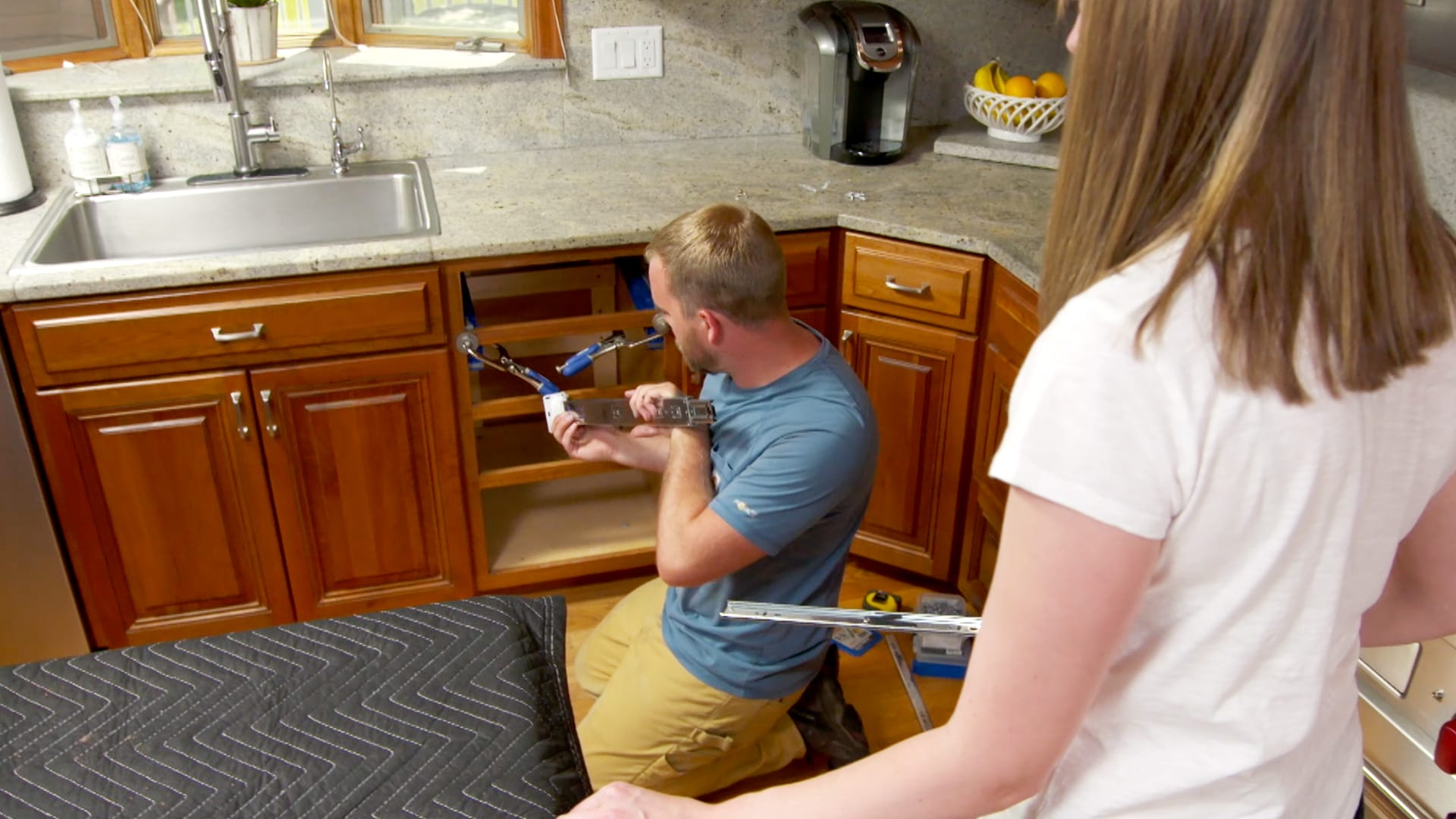
There are few kitchen sounds more dramatic than a cabinet door slamming shut at 6:12 a.m. It is the official soundtrack of someone looking for coffee, cereal, or inner peace. Fortunately, you do not need a full kitchen remodel to quiet the chaos. Learning how to upgrade to soft-close cabinets is one of the most satisfying DIY improvements you can make because the results are immediate, practical, and surprisingly luxurious.
Soft-close cabinet hardware uses built-in damping technology to slow the final movement of a cabinet door or drawer. Instead of banging against the frame, the door catches itself and glides shut with a polite little whisper. Your cabinets feel newer, your kitchen sounds calmer, and your family members stop blaming “the hinge” when they clearly shut the door like they were ending a courtroom argument.
The good news: many existing cabinets can be upgraded with soft-close hinges, soft-close drawer slides, or small add-on dampers. The best option depends on your cabinet style, door overlay, drawer construction, budget, and how much drilling you are willing to do before asking yourself why you own three tape measures and can find none of them.
What Are Soft-Close Cabinets?
Soft-close cabinets are cabinets fitted with hardware that slows the door or drawer before it fully closes. The mechanism may be built into a concealed hinge, mounted as a separate cabinet door damper, or integrated into drawer slides. The purpose is simple: reduce slamming, protect cabinet frames, and create smoother everyday use.
Soft-close is not the same as self-close. Self-close hardware pulls the door or drawer shut after it reaches a certain point. Soft-close hardware controls the speed of that closing motion. Many modern hinges combine both features, but when shopping, look specifically for the words “soft-close,” “integrated damper,” or “hydraulic soft-close.”
Why Upgrade to Soft-Close Cabinets?
1. Less Noise
The most obvious benefit is peace and quiet. If your kitchen is near bedrooms, a home office, or a living room, soft-close hinges can make daily routines feel less like a percussion concert performed on wood boxes.
2. Better Cabinet Protection
Repeated slamming can loosen screws, stress hinge mounts, chip paint, and wear down cabinet frames. Soft-close hardware absorbs the final force of the closing motion, helping doors and drawers last longer.
3. A More Premium Feel
Soft-close cabinets make older kitchens feel more modern. The change is subtle, but guests notice it. They may not say, “Ah, I see you upgraded your hinge damping system,” but they will feel the difference.
4. Safer for Fingers
Soft-close hardware can reduce the risk of pinched fingers, especially in homes with children. It will not replace basic caution, but it does make cabinet doors and drawers more forgiving.
Before You Buy: Identify Your Cabinet Type
The biggest mistake homeowners make is buying soft-close hinges before checking what kind of cabinets they have. Hinges are not one-size-fits-all. They are more like jeans: the wrong fit technically goes on, but everyone can tell something is wrong.
Face-Frame Cabinets
Face-frame cabinets have a wooden frame attached to the front of the cabinet box. This style is common in many American kitchens. Hinges may attach to the frame, and doors can be partial overlay, full overlay, or inset.
Frameless Cabinets
Frameless cabinets, sometimes called European-style cabinets, do not have a front face frame. Hinges attach directly to the cabinet box. These cabinets often use concealed cup hinges.
Overlay vs. Inset Doors
Overlay describes how much the cabinet door covers the cabinet opening or frame. Common sizes include 1/2-inch overlay, 3/4-inch overlay, full overlay, and inset. Inset doors sit flush inside the cabinet opening. Matching the overlay is essential because the wrong hinge can make doors overlap, leave uneven gaps, or refuse to close properly.
Your Three Main Upgrade Options
Option 1: Add Soft-Close Dampers
Soft-close dampers are small devices mounted inside the cabinet near the hinge side or top corner. When the door closes, it hits the damper, which slows the final movement. This is usually the easiest and most affordable upgrade.
This option works well if your existing hinges are in good condition and you do not want to replace them. It is also useful for older exposed hinges where a direct soft-close hinge replacement is difficult to find. The trade-off is that add-on dampers may not feel as seamless as integrated soft-close hinges.
Option 2: Replace Cabinet Hinges
Replacing old hinges with soft-close hinges gives the cleanest result for cabinet doors. Many soft-close concealed hinges fit into standard 35 mm hinge cup holes, which are common on modern cabinets. If your existing doors already have concealed hinges, this upgrade may be very manageable.
If your cabinets have older surface-mounted or semi-concealed hinges, you may need a different hinge style or a concealed hinge jig to drill new cup holes. That is still doable, but it requires more measuring and patience.
Option 3: Install Soft-Close Drawer Slides
For drawers, soft-close usually means replacing the drawer slides. Side-mount, undermount, and center-mount systems all exist, but side-mount ball-bearing slides are a common DIY choice. Undermount slides look cleaner and are popular in higher-end cabinetry, but they require the right drawer box construction and clearances.
Tools and Materials You May Need
- Soft-close hinges, dampers, or drawer slides
- Phillips screwdriver
- Drill or driver
- Self-centering drill bit
- Measuring tape
- Pencil
- Combination square
- Level
- Concealed hinge jig, if drilling 35 mm hinge cups
- Clamps for drawer slide installation
- Wood filler, toothpicks, or dowels for stripped screw holes
A self-centering drill bit is especially helpful when installing hinges because it keeps pilot holes centered in the hardware openings. This small tool can prevent crooked screws, wandering holes, and the kind of language that makes the dog leave the room.
How to Upgrade Cabinet Doors to Soft-Close Hinges
Step 1: Remove One Door First
Do not remove every cabinet door at once unless you enjoy turning your kitchen into a confusing wooden puzzle. Start with one door. Use a screwdriver or drill to remove the hinge screws from the cabinet frame or box, then remove the hinge from the door.
Step 2: Match the Existing Hinge
Take the old hinge with you when shopping or compare it carefully online. Check whether it is for face-frame or frameless cabinets. Measure the overlay. Look at the opening angle, hinge cup size, screw-hole pattern, and mounting plate style. If your current concealed hinge has a 35 mm cup, many replacement soft-close hinges may fit the existing bore hole.
Step 3: Test Fit the New Hinge
Place the new soft-close hinge in the old hinge location. If the cup and screw holes line up, your project just got easier. If the screw holes do not align, mark new pilot holes. If the hinge cup does not fit, stop and confirm that you bought the correct hinge style before drilling anything heroic.
Step 4: Drill Pilot Holes
Drill shallow pilot holes for the new screws. Be careful not to drill through the front of the cabinet door. A piece of painter’s tape wrapped around the drill bit can act as a simple depth marker.
Step 5: Attach the Hinges to the Door
Secure the new hinges to the cabinet door. Tighten the screws firmly, but do not overdrive them. Over-tightening can strip the wood and make a five-minute task become a “where is the wood glue?” task.
Step 6: Rehang the Door
Attach the hinge or mounting plate to the cabinet frame or cabinet box. Support the door while fastening the screws so it does not sag during installation. If possible, have a helper hold the door while you drive the screws.
Step 7: Adjust the Door
Most concealed hinges have adjustment screws that move the door up and down, left and right, or in and out. Adjust slowly. A quarter-turn can make a visible difference. Aim for even gaps, smooth closing, and no rubbing against neighboring doors.
How to Add Soft-Close Dampers
If you are not replacing hinges, soft-close dampers are the simplest path. Open the cabinet door and choose a mounting location inside the cabinet, usually near the top corner on the hinge side. Hold the damper in place and close the door gently to make sure the door contacts the damper correctly.
Mark the screw location, drill a small pilot hole, and screw the damper into place. Many dampers include an adjustment screw that changes how much resistance they provide. Start with moderate tension, then test the door. If it still slams, increase resistance. If it stops too early or feels stiff, reduce resistance.
How to Upgrade Drawers with Soft-Close Slides
Step 1: Remove the Drawer
Pull the drawer out and lift or release it according to the slide type. Empty the drawer first. This is your chance to discover old batteries, mystery keys, and at least one packet of soy sauce from a restaurant that closed three years ago.
Step 2: Remove Old Slides
Unscrew the existing drawer slides from the drawer box and cabinet interior. Keep the screws nearby until you confirm the new hardware includes the right fasteners.
Step 3: Measure Carefully
Drawer slides must match the drawer depth and cabinet clearance. Measure the drawer box length, not including the drawer face. Also check the side clearance. Many side-mount slides require about 1/2 inch of clearance on each side.
Step 4: Install Drawer Members
Attach the drawer-side slide members to the drawer box. Keep them straight, level, and aligned with each other. If one side is higher than the other, the drawer may bind or close unevenly.
Step 5: Install Cabinet Members
Mount the cabinet-side slide members inside the cabinet. Use a level and spacers if needed. Face-frame cabinets may require rear mounting brackets because the back of the cabinet is set farther in than the front frame.
Step 6: Test and Adjust
Slide the drawer back into place and test the motion. It should glide smoothly, catch near the end, and close slowly. If it rubs, sticks, or pops open, check whether the slides are level, parallel, and properly spaced.
Common Problems and Easy Fixes
The Door Still Slams
Check whether the soft-close feature is turned on. Some hinges have an on/off switch. If you installed a damper, increase the tension or move it slightly so the door contacts it sooner.
The Door Will Not Close Fully
The hinge may be the wrong overlay, the door may be rubbing, or the hinge adjustment may be too far forward. Use the depth adjustment screw to move the door slightly inward or outward.
The Door Looks Crooked
Use the hinge adjustment screws. Start with the side-to-side screw, then adjust height, then depth. Work slowly and compare the gaps around neighboring doors.
The Screws Are Stripped
Remove the screw, fill the hole with wood glue and toothpicks or a small dowel, let it dry, then trim it flush and drill a new pilot hole. This gives the screw fresh wood to bite into.
The Drawer Binds
Check that both slides are parallel and level. Also confirm that the drawer is not too wide for the new slides. Soft-close slides need accurate spacing to work smoothly.
How Much Does a Soft-Close Cabinet Upgrade Cost?
Costs vary based on hardware quality and cabinet count. Add-on dampers are usually the most budget-friendly option. Soft-close hinges cost more per door but provide a cleaner upgrade. Soft-close drawer slides are often the most expensive part of the project, especially if you choose undermount slides or need brackets for face-frame cabinets.
For a small kitchen, upgrading only the most-used doors and drawers can make a big difference. Start with the cabinets near the sink, trash pullout, coffee station, and snack drawer. In other words, upgrade the places where your household behaves like a tiny raccoon committee.
Soft-Close Cabinet Buying Tips
- Buy one test hinge before ordering hardware for the whole kitchen.
- Match cabinet type: face-frame or frameless.
- Measure overlay carefully.
- Check whether your doors already have 35 mm hinge cup holes.
- Choose adjustable hinges whenever possible.
- For drawers, confirm slide length and side clearance.
- Use quality screws and avoid over-tightening.
Maintenance After the Upgrade
Soft-close cabinets need very little maintenance, but they are not completely magic. Keep hinges clean, tighten loose screws, and avoid hanging heavy towels or bags from cabinet doors. For drawers, do not overload the drawer beyond the slide rating. A soft-close slide can handle normal kitchen duty, but it is not thrilled about becoming a garage tool chest in disguise.
If the soft-close action weakens over time, inspect for dirt, loose hardware, or misalignment. Many issues are solved with a screwdriver and two minutes of attention.
Real-World Experience: What Upgrading to Soft-Close Cabinets Actually Feels Like
The first thing most people notice after upgrading to soft-close cabinets is not the hardware. It is the silence. You close the first door, wait for the familiar bang, and instead the cabinet politely finishes the job by itself. It is oddly satisfying, like watching a hotel door close softly or peeling the plastic film off a new appliance. Suddenly, your kitchen feels more expensive, even if you are standing there in socks holding a screwdriver and wondering why you bought hinges in packs of ten.
In real homes, the best strategy is usually to upgrade gradually. Start with one cabinet door and one drawer. This gives you a chance to confirm hinge fit, overlay measurement, screw placement, and closing speed before committing to the entire kitchen. A test door also teaches you how much adjustment is normal. Most first-time installers panic a little when the door looks crooked after the first pass. That is not failure; that is cabinet hardware saying hello. Concealed hinges are designed to be adjusted, and the final alignment often happens after the door is installed.
One practical lesson is to label doors if you remove several at once. Cabinet doors can look identical until you try to reinstall them and discover that “almost the same size” is not the same as “the same size.” A small piece of painter’s tape inside the door marked “upper left” or “sink base right” can save a surprising amount of frustration.
Another experience-based tip: do not rush drawer slides. Soft-close drawer slides are less forgiving than door dampers. They need to be level, parallel, and properly spaced. If the drawer closes halfway and then acts like it has personal objections, the problem is usually alignment. Use spacers, clamps, and a level. Test before driving every screw. Your future self will thank you, probably while opening the snack drawer in luxurious silence.
For older cabinets, expect small repairs. Stripped screw holes, slightly warped doors, and uneven cabinet frames are common. That does not mean the project is doomed. It means your cabinets have lived a life. Wood filler, dowels, toothpicks, glue, and patient adjustment can solve many issues. If a door is badly warped or a cabinet frame is damaged, replacing hardware may improve the feel but will not perform miracles.
The biggest emotional payoff comes from upgrading high-traffic areas first. The trash pullout, silverware drawer, coffee mug cabinet, and pantry doors get used constantly. Once those are soft-close, the whole kitchen feels calmer. It is a small upgrade, but it changes the rhythm of the room. You may even find yourself gently closing cabinets just to watch them finish the motion. That is normal. Enjoy your tiny domestic luxury.
Conclusion
Upgrading to soft-close cabinets is a smart DIY project that delivers comfort, quiet, and a more polished kitchen without requiring a full renovation. The key is choosing the right hardware for your cabinet style, measuring carefully, installing one test piece first, and making final adjustments with patience. Whether you add simple dampers, replace cabinet hinges, or install soft-close drawer slides, the result is a kitchen that feels smoother, newer, and much less dramatic before breakfast.
Note: Always follow the specific instructions included with your chosen hinges, dampers, or drawer slides, because measurements and adjustment methods can vary by brand and cabinet style.