

Satellite internet used to feel like the internet’s last-resort cousinthe one you invited only when cable, fiber, DSL, and 5G all declined the invitation. Today, things are different. Thanks to low Earth orbit networks like Starlink, upgraded geostationary services from Hughesnet and Viasat, and better home Wi-Fi equipment, satellite internet has become a serious option for rural homes, RV travelers, remote workers, farms, cabins, boats, disaster backup plans, and anyone whose address makes traditional internet providers say, “Yeah… good luck.”
Still, satellite internet is not plug-and-play magic from space. It works beautifully when you understand its strengths, limits, setup process, and daily habits. The dish needs a clear view of the sky. Weather can occasionally throw a tantrum. Latency matters. Data policies matter. Router placement matters. And yes, that tree branch you keep pretending is “probably fine” may become your household’s newest villain.
This guide explains how to use satellite internet from start to finish: choosing a provider, setting up the dish, connecting your devices, improving speed, managing data, fixing common problems, and getting the best experience possible without shouting at your router like it owes you money.
What Is Satellite Internet?
Satellite internet is a broadband connection that sends data between your home equipment and satellites in space. Instead of relying on underground cables or nearby cell towers, your connection travels through a satellite dish or terminal, up to a satellite, then back down to a ground station connected to the wider internet. In normal human language: your email briefly goes to space before landing in your inbox. Dramatic? Yes. Useful? Also yes.
The main keyword here is satellite internet, but related terms you will often see include rural internet, satellite broadband, satellite dish internet, low Earth orbit internet, Starlink setup, Viasat internet, and Hughesnet installation. They all describe the same basic idea: getting online where wires may not reach.
Two Main Types: GEO and LEO Satellite Internet
Most home satellite internet falls into two categories: geostationary satellite internet and low Earth orbit satellite internet.
Geostationary satellites, often called GEO satellites, orbit far above Earth and stay fixed relative to the planet’s surface. Traditional providers such as Hughesnet and Viasat use this model. GEO satellite internet can cover huge areas, which is why it has long been valuable for rural communities. The tradeoff is latency. Because the signal travels such a long distance, real-time activities like online gaming, video calls, and fast-response cloud apps may feel delayed.
Low Earth orbit satellites, often called LEO satellites, operate much closer to Earth. Starlink is the most widely known consumer LEO provider. Because the satellites are closer, latency is usually much lower, making video calls, streaming, remote work, and some online gaming more practical. LEO service usually requires a moving constellation of satellites overhead, and performance may depend on location, network congestion, and sky visibility.
Step 1: Decide Whether Satellite Internet Is Right for You
Before ordering a satellite internet plan, compare every realistic option at your address. Fiber, cable, fixed wireless, and 5G home internet often offer lower latency, higher speeds, or lower prices if they are available. Satellite internet shines when those services are unavailable, unreliable, too slow, or impossible to install.
Satellite internet is a strong choice if you live in a rural home, operate a ranch or farm, work from a remote cabin, travel in an RV, need backup internet during outages, or run a small business in an underserved area. It is less ideal if you need ultra-low latency for competitive gaming, upload massive video files daily, or expect the same consistency as a premium fiber connection.
Best Uses for Satellite Internet
- Browsing the web, checking email, and using online banking
- Streaming movies and TV, especially with modern higher-speed plans
- Remote work, cloud apps, and video meetings when latency is reasonable
- Smart home devices, security cameras, and rural property monitoring
- Backup internet for homes, businesses, and emergency preparedness
- Travel internet for RVs, boats, campsites, and temporary locations
Step 2: Choose a Satellite Internet Provider
In the United States, the most recognized residential satellite internet providers are Starlink, Hughesnet, and Viasat. Availability, speeds, equipment costs, installation style, contract terms, and data policies can vary by location, so always check your exact address before making a decision.
Starlink
Starlink is known for low Earth orbit satellite internet, self-install equipment, lower latency than traditional satellite service, and strong performance for many rural users. It is often attractive for remote workers, streamers, travelers, and households that want a faster satellite option. The setup usually involves a satellite terminal, router, power supply, cables, and the Starlink app. The biggest setup requirement is a clear view of the sky, because obstructions such as trees, rooflines, poles, and nearby buildings can interrupt service.
Hughesnet
Hughesnet is a long-running satellite internet provider that uses geostationary satellite technology. It is widely available in rural areas and typically includes professional installation. A technician mounts the dish, runs cable into the home, and connects the modem or router equipment. Hughesnet can work well for everyday browsing, email, light streaming, and households that need a predictable rural connection. Because it is GEO satellite internet, users should expect higher latency than LEO systems.
Viasat
Viasat is another established satellite internet provider with wide rural availability. It has offered higher-speed satellite plans in many markets and is often compared with Hughesnet for traditional satellite broadband. Like Hughesnet, Viasat generally relies on professional installation and a fixed dish pointed toward the satellite. It may be a practical option for households that need rural broadband but cannot access cable, fiber, or reliable wireless internet.
Use Broadband Labels Before You Buy
Before choosing any provider, read the broadband consumer label or plan details carefully. Look for monthly price, promotional pricing, equipment cost, installation fee, contract length, typical download speed, typical upload speed, latency, data policy, and extra charges. Do not choose a plan based only on the biggest speed number on the sales page. Internet ads love big numbers the way raccoons love trash cans: enthusiastically, but not always helpfully.
Step 3: Pick the Right Plan for Your Household
The right satellite internet plan depends on how many people use the connection and what they do online. A single person checking email and watching occasional Netflix needs less than a family of five with remote work, online school, gaming consoles, security cameras, and three tablets playing cartoons at the same time.
Estimate Your Speed Needs
For basic browsing and email, modest speeds may be enough. For HD streaming, video meetings, and multiple connected devices, you will want a stronger plan. For 4K streaming, large downloads, cloud backups, and heavy remote work, choose the highest-performance plan your budget and provider allow. Keep in mind that satellite speeds can change based on congestion, weather, equipment placement, and the provider’s network load.
Understand Data Policies
Some satellite internet plans advertise unlimited data, but that does not always mean unlimited full-speed priority data. Some plans may slow down after a certain threshold, especially during busy hours. This is often called a soft data cap or priority data limit. The internet may still work after that point, but it can feel like it stopped for a snack and forgot to come back.
If your household streams a lot, downloads large games, uploads videos, uses cloud storage, or runs security cameras, pay close attention to data terms. Streaming in 4K can burn through data quickly. Cloud backups can quietly eat bandwidth in the background. Game updates can be massive. Your plan should match your real usage, not your optimistic fantasy usage where everyone politely watches one standard-definition documentary per week.
Step 4: Prepare for Installation
Satellite internet setup begins before the equipment arrives. The most important requirement is a clear line of sight between your dish or terminal and the sky. A beautiful forest view may be peaceful for humans and terrible for satellites.
Find the Best Location
Choose a location with minimal obstructions. For many homes, that could be a roof, pole mount, wall mount, open yard, deck, or other elevated spot. Avoid placing the dish where trees, chimneys, nearby buildings, metal structures, or steep rooflines block the signal. Even partial obstruction can cause dropouts, especially for LEO satellite systems that connect to moving satellites across the sky.
For Starlink-style self-install systems, the provider’s mobile app usually helps scan the sky and identify obstructions. Use it seriously. The app is not being dramatic; it is trying to save you from buffering during a meeting where your frozen face becomes the group’s emotional support image.
Plan Cable Routing and Power
Before mounting anything permanently, think about where the cable will enter the home, where the router will sit, and how the equipment will receive power. Keep cables safe from sharp edges, lawn equipment, pets, standing water, and doors that may pinch them. If a professional installer is coming, be home during the appointment and ask questions about dish placement, grounding, cable path, and router location.
Step 5: Install the Satellite Dish or Terminal
The installation process depends on the provider. Some systems are designed for self-installation, while others use a professional technician. Either way, the basic steps are similar: place or mount the dish, connect cables, power the equipment, align the terminal, activate service, and connect devices to Wi-Fi.
Self-Install Satellite Internet
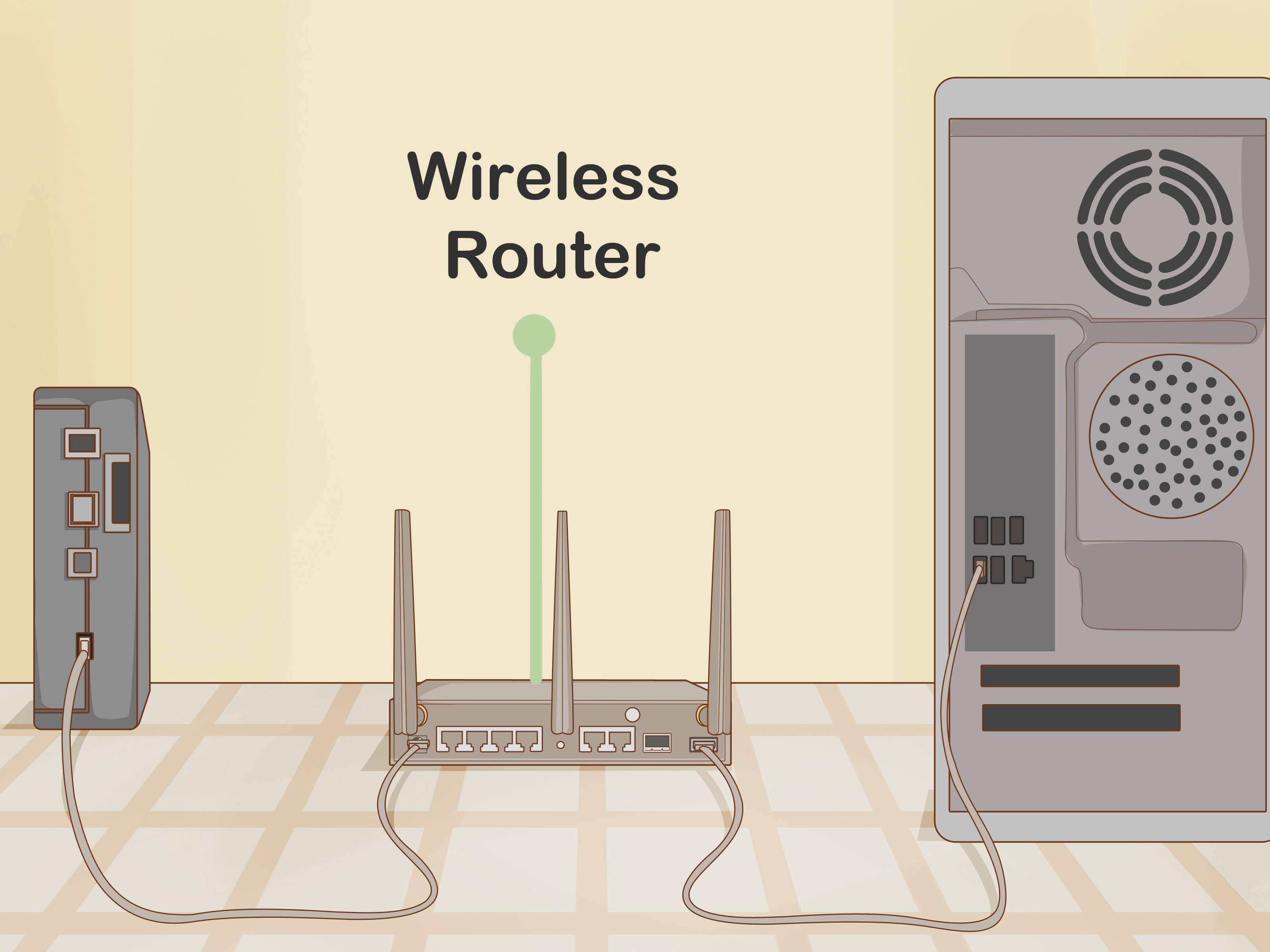
With a self-install kit, unpack the equipment and confirm all parts are included. Place the terminal in a clear location, connect the cable to the router or power supply, plug the router into an outlet, and follow the provider’s app instructions. Create a Wi-Fi network name and a strong password. Once the system connects to the satellite network, test speed and reliability from several rooms in your home.
Professional Satellite Installation
For professional installation, the technician will usually mount the dish outside, aim it toward the correct satellite, run a cable into the home, connect the modem or router, and verify the connection. Installation may take a few hours depending on the home, roof access, cable distance, and mounting needs. Ask the installer to explain basic troubleshooting before they leave. A five-minute tutorial can save a future two-hour panic session.
Step 6: Set Up Your Wi-Fi Network
Once your satellite connection is active, your Wi-Fi setup determines how well devices inside the home perform. A great satellite signal paired with a poorly placed router is like buying a sports car and driving it through a hallway.
Place the Router Wisely
Put the router in a central, open location if possible. Avoid hiding it in a cabinet, behind a TV, under a desk, or next to thick walls and metal appliances. Elevating the router can help signal reach more rooms. If your home is large, oddly shaped, or built with thick materials, consider a mesh Wi-Fi system or provider-approved extender.
Create a Secure Network
Use a unique Wi-Fi name and a strong password. Avoid obvious passwords such as “password123,” “letmein,” or your dog’s name plus your house number. Choose WPA2 or WPA3 security if available. Create a guest network for visitors, smart home devices, or short-term renters so your main devices stay more protected.
Step 7: Connect and Prioritize Devices
After Wi-Fi is working, connect your phones, laptops, smart TVs, tablets, printers, cameras, and smart speakers. Then decide which devices deserve priority. Remote work laptop? Important. Security system? Important. Smart toaster? Emotionally interesting, but probably not critical.
Some routers let you prioritize specific devices or activities through Quality of Service settings. If your system supports this, give priority to video calls, work devices, and streaming boxes. Also, pause unnecessary devices when you need maximum performance. Every connected gadget uses a little bandwidth, and enough “little” becomes a lot.
Step 8: Optimize Satellite Internet Speed
Satellite internet speed depends on several factors: plan tier, provider network, signal quality, dish placement, router placement, Wi-Fi interference, weather, and network congestion. You may not control the satellite constellation, but you can control your home setup.
Run Speed Tests the Smart Way
Test speeds at different times of day. Morning, afternoon, evening, and late night results may vary. Run one test near the router and another in your usual work or streaming room. If speeds are good near the router but poor across the house, your problem is probably Wi-Fi coverage, not satellite service.
Reduce Obstructions
If your provider’s app or modem shows obstruction warnings, take them seriously. Trim branches, move the terminal, raise the mount, or reposition equipment if possible. Obstructions can cause short dropouts, slow browsing, video freezes, and call interruptions.
Use Ethernet for Important Devices
If your equipment supports Ethernet, use a wired connection for desktop computers, gaming consoles, office workstations, or streaming boxes. Ethernet reduces Wi-Fi interference and usually gives more stable performance. It will not defeat satellite latency, but it can remove one common cause of home network headaches.
Step 9: Manage Latency Like a Pro
Latency is the delay between sending a request and receiving a response. It matters for video calls, online gaming, remote desktops, voice calls, and live collaboration tools. LEO satellite internet usually has much lower latency than GEO satellite internet, but all satellite connections can still experience changes based on network conditions.
For video meetings, close unnecessary apps, pause cloud syncing, and ask others in the house not to stream 4K video during important calls. For gaming, avoid large downloads while playing and use Ethernet if possible. For remote desktop work, lower visual quality settings if the connection feels sluggish. Latency is not always “fixable,” but it is often manageable.
Step 10: Control Data Usage
Data management is one of the most important habits for satellite internet users. Even plans marketed as unlimited may treat high-priority data differently, so smart usage helps maintain performance throughout the month.
Simple Ways to Save Data
- Stream in HD instead of 4K unless you truly need 4K.
- Schedule large downloads overnight or during less busy hours.
- Turn off automatic cloud backups on every device except essentials.
- Disable auto-play videos on social media apps.
- Update gaming consoles manually instead of letting them update everything at once.
- Check your provider app regularly to monitor usage.
One sneaky data hog is cloud photo and video backup. If several family phones upload high-resolution videos every night, your satellite plan may feel like it joined a marathon without training. Adjust backup quality, timing, or Wi-Fi permissions to keep usage under control.
Step 11: Handle Weather and Outages
Satellite internet is generally reliable in normal weather, but heavy rain, thunderstorms, snow, ice, and severe storms can weaken the signal or cause temporary interruptions. Light clouds usually are not a major issue. Extreme weather is different. Space may be quiet, but Earth’s atmosphere likes drama.
Keep the dish clear of heavy snow, ice buildup, leaves, and debris. Never climb onto a dangerous roof during a storm. If the dish is safely accessible from the ground, remove buildup gently according to provider guidance. After severe weather, check that cables, mounts, and power connections are secure.
For backup planning, connect your satellite equipment to an uninterruptible power supply or generator if outages are common. Satellite internet still needs electricity. During a blackout, the satellites may be perfectly fine, but your router will be doing its best impression of a brick unless it has power.
Step 12: Troubleshoot Common Problems
Problem: Slow Speeds
Start with a speed test near the router. Restart the router and satellite equipment. Check for provider outages, weather issues, obstruction alerts, and excessive data usage. Disconnect unnecessary devices and test again. If Wi-Fi is weak in certain rooms, consider a better router location or mesh system.
Problem: Frequent Dropouts
Dropouts often point to obstruction, loose cables, poor alignment, bad weather, or equipment problems. Check the provider app or modem lights. Inspect cables for damage. Make sure the dish has a clear sky view. If the problem continues, contact support and provide screenshots or notes from your troubleshooting steps.
Problem: Video Calls Freeze
Use Ethernet if possible, close bandwidth-heavy apps, reduce video quality, and ask others to pause streaming. If you use a GEO satellite provider, remember that higher latency may affect real-time conversation flow. Speak clearly, allow brief pauses, and resist the urge to talk over people. Satellite internet can handle meetings, but it appreciates manners.
Problem: Streaming Buffers
Lower the streaming resolution from 4K to HD, restart your streaming device, test Wi-Fi strength, and avoid streaming during peak evening congestion if your network is overloaded. If multiple TVs are streaming at once, your satellite connection may need a household treaty.
Step 13: Use Satellite Internet for Remote Work
Satellite internet can support remote work when set up properly. Use a wired connection for your main computer, keep your router near your workspace, and test video conferencing before important meetings. Download large files before deadlines, not five minutes before a presentation. For cloud-based work, save offline copies of critical documents in case weather or network congestion causes a temporary slowdown.
If your job depends on constant uptime, consider a backup connection such as a mobile hotspot or fixed wireless plan if available. Satellite internet is powerful, but redundancy is professional wisdom. Also, “my internet went to space and got delayed” may be true, but your manager may only accept it once.
Step 14: Use Satellite Internet for Streaming and Entertainment
Streaming works well on many satellite internet plans, especially when speeds are strong and data policies are generous. For best results, stream in HD instead of 4K when data conservation matters. Download shows during off-peak times if your streaming service allows it. Keep your smart TV close to the router or connect it by Ethernet.
For gaming, downloads and updates may be the bigger issue than gameplay itself. Large game updates can consume huge amounts of data and slow down the entire household. Schedule them overnight and avoid downloading while someone else is on a video call. Competitive online gaming may be difficult on higher-latency GEO connections, while LEO satellite service is usually better suited for real-time gaming.
Step 15: Keep Your System Secure and Updated
Security matters even if your internet arrives from space. Update router firmware when available. Use strong passwords. Turn off remote admin access unless you need it. Use a guest network for visitors. Review connected devices occasionally and remove anything you do not recognize. If your provider offers app-based management, protect that account with a strong password and multifactor authentication when available.
Smart home devices are convenient, but they also multiply the number of devices on your network. Keep cameras, speakers, thermostats, and sensors updated. If possible, place smart devices on a separate network. Your laptop with financial documents does not need to be best friends with a bargain-bin smart bulb named “LivingRoomLamp_2.4G.”
Real-World Experiences: What Using Satellite Internet Actually Feels Like
Using satellite internet is a little different from using cable or fiber. The first thing most people notice is the importance of location. In a suburban house with cable internet, you can shove the modem behind a dusty bookshelf and still survive. With satellite internet, placement matters. A dish under a tree is not “cozy”; it is obstructed. A terminal facing an open sky feels like a small victory. The best experience usually starts with walking around the property, phone app in hand, scanning for the cleanest sky view while neighbors wonder whether you are hunting invisible birds.
The second experience is learning that speed and consistency are not the same thing. A satellite connection may deliver impressive download speeds one minute, then slow down during peak hours, storms, or obstruction events. For everyday browsing, that may not matter. Pages load, emails send, videos stream, and life goes on. But for live meetings, gaming, or uploading a giant video file, consistency becomes more important. Users who succeed with satellite internet usually build small routines: test the connection before big calls, pause cloud backups during work hours, and avoid starting a 90-gigabyte game update while someone is trying to attend online class.
Another common experience is discovering how much data modern life uses. One 4K movie night, two phone backups, a laptop update, and a gaming console patch can turn a quiet weekend into a bandwidth buffet. The solution is not to live like it is 2004. The solution is to manage settings. Streaming in HD often looks perfectly fine. Game updates can run overnight. Photos can back up at reduced quality or on a schedule. Once you make these changes, satellite internet becomes far easier to live with.
Weather is also part of the story. Most normal cloudy days are uneventful, but heavy storms can cause slowdowns or temporary drops. That can be annoying, yet it is also predictable enough to plan around. If you live where storms are frequent, a battery backup for the router and satellite equipment is worth considering. Many users also keep a mobile hotspot as a backup for quick messages, banking, or urgent work during rare outages.
The biggest positive experience is freedom. Satellite internet can make a remote cabin feel connected, let an RV family work from a desert campsite, help a farm run cameras and sensors, or give a rural student access to online classes. It may not be perfect, but it can be life-changing where wired broadband does not exist. The best mindset is practical optimism: respect the technology, understand its limits, and set it up carefully. Do that, and satellite internet stops feeling like a compromise and starts feeling like a very useful bridge between your home and the rest of the digital world.
Conclusion
Learning how to use satellite internet is really about learning how to respect the sky, the equipment, and your household’s online habits. Choose the right provider for your location, study the plan details, install the dish where it has a clear view, place your router wisely, manage data, secure your network, and troubleshoot patiently. Satellite internet may not always behave exactly like fiber or cable, but for rural homes, travelers, remote workers, and backup connectivity, it can be an excellent solution.
The secret is simple: satellite internet works best when you treat it like a system, not just a subscription. Give the dish open sky. Give the router a good location. Give your devices sensible settings. Give your data usage a little attention. Do that, and your connection from space can feel surprisingly down-to-earth.
Note: This article is written for web publication in standard American English and synthesizes current real-world satellite internet practices, provider setup guidance, consumer broadband guidance, and practical home networking recommendations without adding source-link clutter to the article body.