

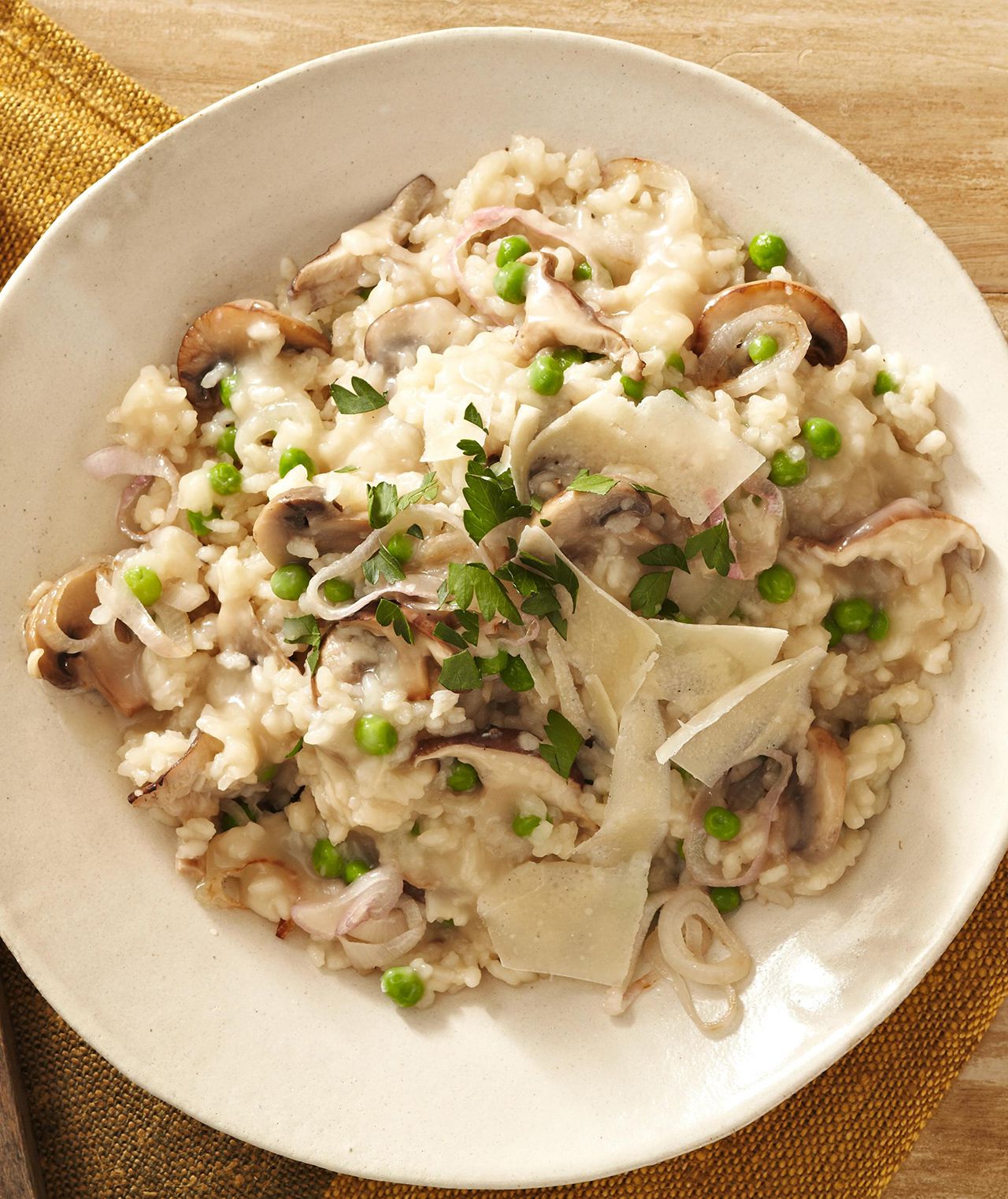
Risotto has always had the reputation of being the dinner you make when you want to feel sophisticated, patient, and slightly trapped by your stove. It is creamy, dreamy, and undeniably impressive, but it also has that clingy reputation for demanding constant attention. Stir. Ladle. Stir again. Glance nervously at the rice. Add more broth. Repeat until your arm files a formal complaint.
So when I came across Ina Garten’s risotto recipe hack, I was immediately interested. Of course Ina’s solution to one of home cooking’s most high-maintenance dishes would be elegant, simple, and just a little smug in the best possible way. Instead of hovering over a saucepan like a stressed-out sous chef, her trick is to let the oven do most of the work. That means fewer dramatic broth-ladling moments and a lot more time to act like you totally planned a calm, organized dinner from the beginning.
After trying it for myself, I understood why this easy risotto recipe keeps popping up in conversations about smart comfort food. It delivers the cozy richness you want from a Parmesan risotto, but with a much lower chaos level. It is not a carbon copy of the classic stovetop method, and purists may wish to clutch their wooden spoons. But if your goal is creamy, savory, dinner-party-worthy rice without being handcuffed to the burner, Ina Garten’s risotto recipe hack is a very convincing little miracle.
What Exactly Is Ina Garten’s Risotto Recipe Hack?
At its core, the hack is this: instead of gradually adding hot stock while stirring risotto on the stovetop, you bake the rice with most of the liquid in a covered Dutch oven. Once the rice is nearly done, you stir in the finishing ingredients vigorously to create that signature creamy texture.
That final part matters. This is not just “rice in a pot, good luck everybody.” The oven handles most of the cooking, but the creamy finish still comes from the combination of starchy short-grain rice, hot liquid, butter, cheese, and a vigorous stir at the end. In other words, the hack does not skip the science. It just cuts out the drama.
Depending on which Ina version you reference, the details can vary a bit. One popular baked Parmesan risotto version uses Arborio rice, chicken stock, white wine, Parmesan, butter, and peas. Another oven-risotto variation adds aromatics like shallots and olive oil, and sometimes saffron or vegetables. But the idea stays the same: bake first, stir for creaminess later.
Why This Oven-Baked Risotto Method Actually Works
The Rice Is Doing More Work Than the Stirring
A lot of home cooks assume constant stirring is the magical act that transforms rice into risotto. That is only part of the story. The real heroes are the starches on the surface of risotto rice and the grain’s ability to release them into the cooking liquid. Arborio is the familiar supermarket option, while carnaroli often gets praised for holding its shape a little better. Either way, short-grain risotto rice is the engine of the whole operation.
That is why Ina’s Dutch oven risotto works. The rice still absorbs liquid slowly. The starch still thickens the broth. The mixture still turns glossy and rich. The oven just provides steady, enclosed heat so the rice can cook more evenly without a person standing over it like an anxious lifeguard.
The Final Stir Is the Secret Weapon
The most interesting thing about Ina Garten’s risotto recipe hack is that the texture does not come from nonstop stirring during the entire cook. It comes from that last energetic mix when you add stock, Parmesan, butter, wine, and any extras. That finishing stir wakes the whole dish up. The rice loosens, the cheese melts in, the butter emulsifies, and suddenly the pot goes from “respectable baked rice” to “oh wow, this is actually risotto.”
This is why I would not recommend half-hearted stirring at the end. This is not the time for dainty little figure eights. Stir like you mean it. You are building the sauce that clings to every grain.
The Oven Makes the Recipe Feel Weirdly Manageable
Traditional risotto has its pleasures, but it is also deeply needy. Ina’s approach makes it easier to cook the rest of dinner, clear the counter, pour a glass of wine, or simply stare out the window and reflect on your life choices. That freedom is a big reason the hack is so appealing. It turns risotto from a “special project” into something that feels genuinely practical.
How I Tested Ina Garten’s Risotto Recipe Hack
I approached this the way most real people cook: with optimism, a slightly overfilled dishwasher, and a desire to eat something comforting without producing a sink full of regrets. I used a heavy Dutch oven, short-grain Arborio rice, stock, Parmesan, butter, white wine, and peas. I kept the setup simple because the point of this recipe hack is not to show off how many luxury mushrooms you can afford. The point is to see whether a no-stir risotto can still taste like the real thing.
The first stage felt almost suspiciously easy. Rice and most of the broth went into the pot, the lid went on, and the oven took over. No gradual broth additions. No ritualistic stirring. No pretending I enjoy standing in one exact kitchen spot for half an hour. I checked on it near the end, and the rice looked tender but not mushy, with most of the liquid absorbed. So far, so good.
Then came the make-or-break moment: I added the remaining stock, grated Parmesan, butter, white wine, seasoning, and peas, then stirred hard. Not politely. Not casually. Properly. Within a couple of minutes, the texture changed dramatically. It loosened, thickened, and turned glossy in the way good risotto should. That was the moment I stopped being skeptical and started being hungry.
What Surprised Me Most
It Was Actually Creamy
I expected the oven method to be good “for a shortcut.” That faintly patronizing phrase covers a lot of cooking disappointments. But this did not taste like a compromise dish. It tasted like honest-to-goodness Parmesan risotto. The texture was not watery, chalky, or stiff. It was creamy and spoonable, with distinct grains instead of a gluey mass.
That matters because many “easy risotto” recipes drift into casserole territory. This one stays closer to true risotto than I expected. It still has that velvety quality that makes the dish feel luxurious, even though the technique is much less fussy.
The Flavor Felt Bigger Than the Ingredient List
Part of Ina Garten’s charm has always been that she understands how a few good ingredients can do a lot of heavy lifting. This recipe is not loaded with twenty competing flavors. It leans on stock, cheese, butter, wine, and the gentle sweetness of peas. The result is savory, balanced, and comforting. It tastes like someone cooked on purpose, not like someone dumped random ingredients into a pan and hoped for emotional support.
If you use freshly grated Parmesan and decent stock, the payoff is real. Pre-shredded cheese will not give you the same silky finish. This is one of those times when the small upgrade is worth it.
It Freed Me Up to Be a Better Cook
This might be the sneakiest benefit of Ina Garten’s risotto hack. Because I was not tied to the stove, I had time to prep a salad, set the table, and think about what the dish needed before serving. I could taste and adjust rather than panic and plate. The hack did not just make risotto easier; it made the whole cooking experience better.
Where Ina’s Risotto Hack WinsAnd Where Classic Risotto Still Has an Edge
When the Hack Wins
This oven-baked risotto is a star for weeknights, casual entertaining, and any meal where you want a comforting side or vegetarian main without constant babysitting. It is also great if you are cooking for guests and do not want to disappear into the kitchen to perform a rice-based hostage situation while everyone else enjoys themselves.
It is especially smart for home cooks who love the idea of risotto more than the ceremony of making it. If classic risotto has always sounded delicious but inconvenient, this method clears that hurdle.
When Classic Risotto Still Wins
If you are chasing maximum control, a very precise texture, or a restaurant-style finish built minute by minute, the traditional stovetop method still has an edge. It lets you monitor absorption closely and make tiny adjustments throughout the cooking process. There is an intimacy to that method that some cooks genuinely enjoy.
But here is the thing: most of us are not cooking in a Michelin-starred test kitchen. We are cooking at home, often while answering texts, avoiding laundry, and trying not to burn garlic bread. In that context, Ina’s easy risotto recipe feels less like cheating and more like common sense.
My Best Tips If You Want to Try Ina Garten’s Risotto Recipe Hack
Use the Right Rice
Arborio is easy to find and works beautifully. Carnaroli is also excellent if you spot it. Do not swap in long-grain rice and expect a miracle. That would be a completely different dinner and a much sadder article.
Choose a Heavy Pot With a Tight Lid
A Dutch oven is ideal because it distributes heat well and keeps the liquid environment stable. Thin cookware can cook unevenly and make the rice behave like it has trust issues.
Grate the Parmesan Fresh
This is not me being fancy. Freshly grated cheese melts more smoothly and creates a better finish. Pre-grated cheese often contains anti-caking agents that interfere with that luxurious texture.
Do Not Overbake It
The goal is tender, al dente rice with most of the liquid absorbed. If you bake the life out of it, the grains can go from creamy to tired very quickly. Start checking near the end of the suggested cooking time, especially if your oven runs hot.
Stir Vigorously at the End
I am repeating this because it is the difference between “nice baked rice” and “actual risotto energy.” The final stir is where the sauce comes together and the texture turns glossy and rich.
Serve It Right Away
Risotto waits for no one. It is at its best when freshly finished and still fluid. If it sits too long, it tightens up. You can loosen it with a splash of warm stock, but it is happiest when served promptly.
How I’d Customize It Next Time
Once I realized the base method worked, my brain immediately became annoying in the way all food brains do. What about mushrooms? What about lemon zest? What about asparagus in spring, roasted squash in fall, or crispy shallots for extra texture? The beauty of a good Parmesan risotto base is that it behaves like a blank canvas for whatever is seasonal, comforting, or lurking in your produce drawer.
I would happily add sautéed mushrooms for more umami, swap peas for asparagus tips, or finish it with lemon zest and black pepper for a brighter version. You could even lean into saffron and make it feel a little more dinner-party dramatic. The hack makes experimentation easier because the method itself is not exhausting.
Would I Make Ina Garten’s Risotto Hack Again?
Absolutely. In fact, this is the kind of recipe that sneaks into your regular rotation because it solves a real problem. It gives you creamy risotto without demanding your complete devotion. It feels luxurious, but it cooks like it understands that you have other things going on.
I still respect the classic stovetop method. It is a beautiful technique, and when done well, it is deeply satisfying. But Ina Garten’s risotto recipe hack is the version I would make on a Tuesday, for guests on a Friday, or any time I want comfort food that feels polished without becoming a kitchen performance piece.
And maybe that is the real genius of the recipe. It does not try to replace tradition so much as translate it for real life. It says: yes, you can have creamy, elegant risotto. No, you do not need to stand there stirring like you are paying off a culinary debt.
Extended Kitchen Diary: 500 More Words on My Experience With Ina Garten’s Risotto Recipe Hack
The more I thought about this recipe after making it, the more I realized why it felt so satisfying. It was not just that the risotto tasted good. Plenty of things taste good. The bigger surprise was that the cooking process itself felt calm. Usually, risotto carries a built-in soundtrack of urgency. You are heating broth, stirring rice, checking texture, and trying to time the rest of dinner around a dish that refuses to be ignored. With Ina’s oven-based method, the whole mood shifts. You still feel like you are making something special, but you are not trapped in active labor from start to finish.
That made a difference in small but meaningful ways. While the rice baked, I cleaned my cutting board, grated a little extra cheese for serving, and actually thought about presentation instead of sprinting to the finish line. I even had time to decide that the risotto needed more black pepper and a few extra flakes of salt before it hit the table. Normally, in the last five minutes of stovetop risotto, I am operating on pure adrenaline and vague dairy confidence.
I also noticed that the texture improved when I stopped expecting it to mimic the exact choreography of classic risotto and appreciated it on its own terms. The grains were tender with a slight bite, and the sauce was loose enough to spread gently on the plate. It did not have that overworked heaviness that bad risotto sometimes develops when too much stirring turns everything stodgy. Instead, it felt balanced. Rich, yes. Creamy, definitely. But still lively enough that you wanted another bite instead of immediately needing a nap.
There was also something very “Ina” about the flavor profile. It was simple, but not boring. Savory, but not muddy. The white wine lifted the richness just enough, and the peas added little pops of sweetness and color that kept the whole bowl from feeling beige in both taste and personality. This is one of those recipes that reminds you how much can happen when a dish is built on texture and restraint rather than ingredient overload.
If I were making it for company, I would feel confident serving it alongside roast chicken, seared shrimp, or a crisp green salad with lemony dressing. If I were making it for myself on a quiet night, I would absolutely eat it from a wide bowl while claiming I was “testing” it and not simply avoiding dishes. It fits both moods. That flexibility is part of what makes the recipe so appealing.
The next day, I reheated a small portion with a splash of warm stock, and while no leftover risotto can fully recreate that just-finished texture, it held up better than I expected. It became softer and thicker, of course, but still tasted deeply savory and comforting. I even caught myself thinking it would make excellent arancini if I had the ambition. I did not have the ambition. But I had the thought, and sometimes that is enough.
In the end, Ina Garten’s risotto recipe hack won me over because it respects both flavor and sanity. It delivers the creamy comfort people want from risotto, but it removes enough friction that the dish feels approachable instead of ceremonial. That is a rare sweet spot. And once you hit it, it is hard to go back to the old version that required you to stir like your dinner depended on it.
Conclusion
I tried Ina Garten’s risotto recipe hack expecting a useful shortcut. What I got was something better: an easy risotto recipe that still feels polished, deeply comforting, and genuinely worth making again. The oven does the boring part, the final stir brings the creamy magic, and the result is a Parmesan risotto that tastes far more luxurious than the effort suggests. For home cooks who want elegant comfort food without the stovetop marathon, this Dutch oven risotto is an excellent little rebellion against unnecessary fuss.