

Every home cook knows the feeling. You preheat the oven, line the pan, dramatically tie on an apron like you’re about to host a cooking show, and thenbamyou discover you’re out of eggs, buttermilk, brown sugar, or the one spice that makes the whole thing taste like you knew what you were doing. This is where ingredient substitutions save dinner, dessert, and possibly your dignity.
The good news is that many ingredient substitutions really do work. The less-good news is that not all swaps are created equal. Some are smooth little kitchen miracles, while others turn a fluffy cake into a dense brick with emotional damage. The secret is understanding what the original ingredient actually does: add moisture, build structure, create lift, tenderize, thicken, sweeten, or bring flavor.
This guide breaks down the best ingredient substitutions for baking and cooking, explains when a swap is likely to succeed, and shows you how to improvise without accidentally inventing a new building material. Whether you need an egg substitute, a buttermilk substitute, or a reliable butter substitute, you’ll find practical, realistic advice here.
Why Ingredient Substitutions WorkAnd Why They Sometimes Don’t
Before you swap anything, ask one simple question: What job is this ingredient doing? In cooking, substitutions are often forgiving because a soup, sauce, sauté, or stew can absorb small changes. In baking, ingredients behave more like a team project with strict deadlines. Flour provides structure. Eggs bind, lift, and enrich. Butter adds flavor and tenderness. Sugar sweetens, but it also affects moisture, browning, and texture. Leaveners create rise. Change one player, and the whole group chat gets messy.
That does not mean you should never substitute. It just means you should substitute with purpose. A good rule of thumb is this: the more central an ingredient is to structure, the more carefully you should swap it. Replacing chopped parsley with cilantro? Usually manageable. Replacing eggs in a chiffon cake? That is no longer a casual decision; that is a plot twist.
The Best Ingredient Substitutions for Everyday Cooking and Baking
Dairy Substitutions
Buttermilk substitute: One of the most common kitchen emergencies is running out of buttermilk. A classic fix is milk plus a little acid, such as lemon juice or vinegar. It works in a pinch, especially for pancakes, muffins, and quick breads. But for better flavor and texture, plain yogurt or kefir usually makes a stronger stand-in because they bring both tang and body.
Milk substitute: In many cakes, muffins, pancakes, and sauces, plain yogurt thinned with a little water, evaporated milk diluted with water, or an unsweetened plant milk can work well. The safest move is to use an unsweetened, unflavored option when baking. Vanilla-flavored oat milk may sound charming until your savory biscuits start tasting like breakfast.
Heavy cream substitute: Depending on the recipe, half-and-half, whole milk with melted butter, or full-fat yogurt may step in. For sauces and soups, this is often fine. For whipped cream, however, there is no convincing shortcut. Some kitchen truths are just rude like that.
Sour cream substitute: Full-fat Greek yogurt is usually the easiest swap. It brings similar tang and richness, though it can be slightly leaner and less luxurious in texture.
Egg Substitutions
Eggs are multitaskers. They bind, add moisture, help with browning, and create structure. That means the right egg substitute depends on the recipe.
- For binding in cookies, bars, and muffins: Flax egg or chia egg can work well. Mix 1 tablespoon ground flaxseed or chia seeds with 3 tablespoons water and let it sit until gel-like.
- For moisture and softness: Mashed banana, applesauce, or pumpkin purée can work in soft baked goods. These swaps add flavor, so use them where that flavor makes sense.
- For lighter baking results: Aquafaba, the liquid from canned chickpeas, is one of the most versatile options. It can even help in recipes that need more lift than fruit purées can provide.
- For breading or savory cooking: Mayo, yogurt, or mustard can help coatings stick.
Here is the catch: if eggs are the star of the structurethink angel food cake, meringue, or a very egg-heavy custardsubstitutions become much trickier. In those cases, the best move is often to choose a recipe specifically designed to be egg-free instead of trying to force a traditional recipe to cooperate.
Flour and Starch Substitutions
All-purpose flour substitute: Whole wheat flour can replace some all-purpose flour in many recipes, but it absorbs more liquid and can make baked goods denser. A smart place to start is replacing about 25% of the all-purpose flour, then increasing from there if you like the result.
Gluten-free flour substitute: This is where many bakers get overconfident. A one-to-one gluten-free flour blend may work in some recipes, but straight almond flour, coconut flour, oat flour, or rice flour rarely behaves exactly like all-purpose flour on its own. Gluten-free baking works best when the recipe is designed with those flours in mind.
Starch substitute for thickening: Cornstarch, arrowroot, tapioca starch, and flour can often stand in for one another, but they thicken differently. Arrowroot is especially useful because it thickens strongly and stays stable with acidic ingredients. If you are thickening a fruit filling or sauce, starch choice matters more than many people realize.
Leavener Substitutions
Baking powder substitute: If you are out, you can make a version with baking soda plus cream of tartar. It is one of the most useful pantry hacks around.
Baking soda substitute: Baking powder can sometimes stand in, but not perfectly. Baking soda neutralizes acid and helps with browning and spread, while baking powder brings lift with a different balance. So yes, you can swap in a pinch, but the taste and texture may shift.
Yeast substitute: For traditional yeast breads, there is no perfect equal. For a quick emergency loaf, baking powder can help create lift in a different style of bread, such as soda bread or biscuits. It will not magically turn banana bread into a baguette, and frankly that is for the best.
Fat Substitutions
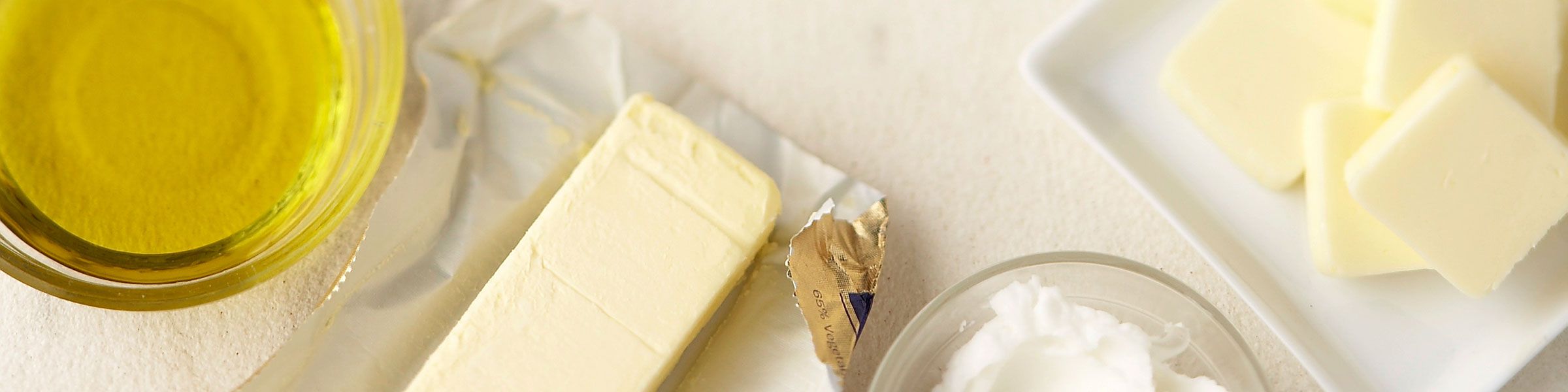
Butter substitute: In many baked goods, butter and shortening can be swapped one-to-one, but the results will differ. Butter brings flavor and some water; shortening brings fat and tenderness with less flavor. Margarine may also work in many baked goods, though pastry and candy are less forgiving. If you swap butter for oil, expect texture changes because liquid fat behaves differently from solid fat.
Oil substitute in baking: Yogurt, sour cream, applesauce, or even mayonnaise can replace part of the oil in some cakes and muffins. These swaps can reduce fat and keep baked goods moist, though they may slightly change flavor and crumb.
Sugar and Sweetener Substitutions
Brown sugar substitute: Brown sugar can often replace white sugar one-to-one, and vice versa, but the result will not be identical. Brown sugar adds moisture, deeper flavor, and chew. White sugar makes things a bit crisper and lighter in flavor. If your cookie recipe suddenly tastes more serious and looks darker, the brown sugar is doing its thing.
Liquid sweetener substitute: Honey, maple syrup, agave, or molasses can sometimes replace granulated sugar, but because they add liquid and acidity, recipes may need adjustment. This is less stressful in glazes, sauces, and marinades than in delicate cakes.
Vanilla extract substitute: Maple syrup, vanilla bean paste, or even a small amount of bourbon or rum can work in some desserts. The flavor changes, but not necessarily for the worse. Sometimes a substitution becomes a personality trait.
Herb, Spice, and Flavoring Substitutions
This is the easiest place to improvise. If you are out of one dried herb, another herb in the same flavor family may work. Dried herbs are more concentrated than fresh, so a common rule is to use about 1 teaspoon dried for every 1 tablespoon fresh.
Spices are also flexible, but not identical. Cinnamon, nutmeg, allspice, ginger, and cloves often overlap in sweet baking, though each has its own mood. For savory cooking, cumin and coriander can complement one another, but they are not twins. Garlic powder can sometimes replace fresh garlic in cooked dishes, but fresh garlic brings more sharpness and moisture.
Smart Rules for Making Ingredient Substitutions Without Regret
- Match the ingredient’s function first, flavor second. Structure and moisture usually matter more than taste in baking.
- Stay close in texture. Thick for thick, liquid for liquid, dry for dry is a helpful starting point.
- Make one major swap at a time. If you replace the flour, fat, sugar, and eggs all at once, you are no longer following a recipe. You are freelancing.
- Adjust expectations. “Works” does not always mean “identical.” A decent pancake is still better than no pancake.
- Test with small batches. Especially in baking, a half-batch can save ingredients and disappointment.
Common Ingredient Substitution Mistakes
Mistake #1: Assuming all flours are interchangeable. They are not. Protein content, starch content, and absorption vary a lot.
Mistake #2: Treating baking soda and baking powder like clones. They are related, not identical. Like cousins who look alike in photos but behave very differently at family parties.
Mistake #3: Using sweetened or flavored substitutes in savory dishes. Sweetened yogurt, vanilla almond milk, and maple-flavored anything can create very confusing mashed potatoes.
Mistake #4: Ignoring the recipe style. A rustic muffin is forgiving. A delicate layer cake is not. Know your battlefield.
Mistake #5: Forgetting food allergies and labels. If you are substituting for allergy reasons, you cannot rely on guesswork. In the U.S., the major allergens include milk, egg, fish, shellfish, tree nuts, peanuts, wheat, soy, and sesame. Always read labels carefully, especially on packaged substitutes.
When You Should Not Substitute
Sometimes the best substitution is a different recipe. That is especially true for highly technical bakes, allergy-specific cooking, and recipes built around a signature ingredient. If a dish depends on cream cheese for structure, yeast for fermentation, or eggs for volume, random swaps can create more frustration than freedom.
There is also a point where “healthy” substitutions stop helping and start sabotaging. Swapping butter for applesauce, sugar for mashed fruit, and flour for coconut flour in a single recipe may sound ambitious, but the final product may taste like a life lesson. Better to use a recipe developed for the dietary goal you have in mind.
Real-Life Experiences With Ingredient Substitutions
If you cook often, you eventually build a private little memoir of ingredient substitutions that worked, substitutions that barely worked, and substitutions that made you stare into the oven like it had personally betrayed you. One of the most common experiences is discovering that the “best” substitution is often the one that respects the original recipe’s texture. For example, when people swap buttermilk with plain milk plus lemon juice, the recipe may still bake, but the result can taste a bit flatter than expected. Use yogurt or kefir instead, and suddenly the crumb is better, the flavor is tangier, and your confidence comes back online.
Another common experience is learning that fruit-based egg substitutes can be both helpful and sneaky. Mashed banana in muffins often works beautifully, making the crumb soft and tender. Put that same banana into a vanilla cake and now you have banana cake whether you wanted one or not. Applesauce is gentler, but it can still soften structure enough that cookies lose some crispness. Aquafaba tends to impress people because it feels weird, looks unpromising, and then quietly does a surprisingly competent job.
Flour substitutions create some of the biggest kitchen revelations. Many people try whole wheat flour once, swap it in cup for cup, and then decide the recipe is bad. Usually the issue is not the recipe; it is that whole wheat absorbs more moisture and creates a heavier result. Start with a partial swap and things improve dramatically. The same is true with gluten-free baking. The frustrating experience many home bakers have is assuming that all “healthy” or alternative flours behave the same. They absolutely do not. Almond flour can make a bake rich and tender, coconut flour can absorb moisture like a sponge with ambition, and oat flour can soften structure in ways that surprise people.
Butter substitutions also come with strong opinions. Some people love using oil in cakes because it keeps them moist. Others miss the flavor that butter brings and immediately notice the difference. Both experiences are valid. This is one of those areas where the “best” substitute depends on what you care about most: flavor, tenderness, shelf life, or texture. In cookies, for example, swapping fats can change spread, chew, and crispness more than beginners expect.
Then there are the spice substitutions, which are usually the least risky and the most fun. Nearly everyone has improvised here. Out of nutmeg? Add a little cinnamon and allspice. No fresh basil? Use dried oregano and accept that dinner is taking a slightly different route home. These are the substitutions that teach cooks to trust their palate. They also remind us that cooking is flexible in a way baking sometimes is not.
What many experienced cooks eventually realize is that ingredient substitutions are less about memorizing a giant list and more about learning patterns. Tangy dairy can often stand in for tangy dairy. Thickeners have different strengths. Dried herbs are more concentrated than fresh. Solid fats and liquid fats are not identical. Once those patterns click, substitutions stop feeling like emergencies and start feeling like skill. And that may be the real kitchen upgrade: not a perfectly stocked pantry, but the ability to make a smart decision when the pantry is definitely not cooperating.
Conclusion
Ingredient substitutions are part pantry rescue, part kitchen science, and part personal growth exercise. The best swaps come from understanding what an ingredient contributesstructure, moisture, acidity, richness, sweetness, or flavorrather than grabbing the nearest vaguely related item and hoping for the best. In cooking, that flexibility can feel freeing. In baking, it pays to be more strategic, especially with flour, eggs, fats, and leaveners.
The easiest wins usually come from dairy swaps, herb-and-spice substitutions, and simple one-to-one changes like brown sugar for white sugar or butter for shortening in certain baked goods. The riskier moves involve eggs, gluten-free flours, and leaveners, where a recipe’s chemistry matters more. When in doubt, make one major change at a time, choose substitutes with similar texture and function, and remember that “close enough” is still a victory on a Tuesday night.
Most of all, substitutions are a reminder that cooking does not require perfection. It requires judgment, curiosity, and the occasional willingness to laugh when your emergency cake comes out looking a little too philosophical. Learn the patterns, keep a few reliable swaps in your back pocket, and your kitchen will stay flexible even when your grocery list does not.