

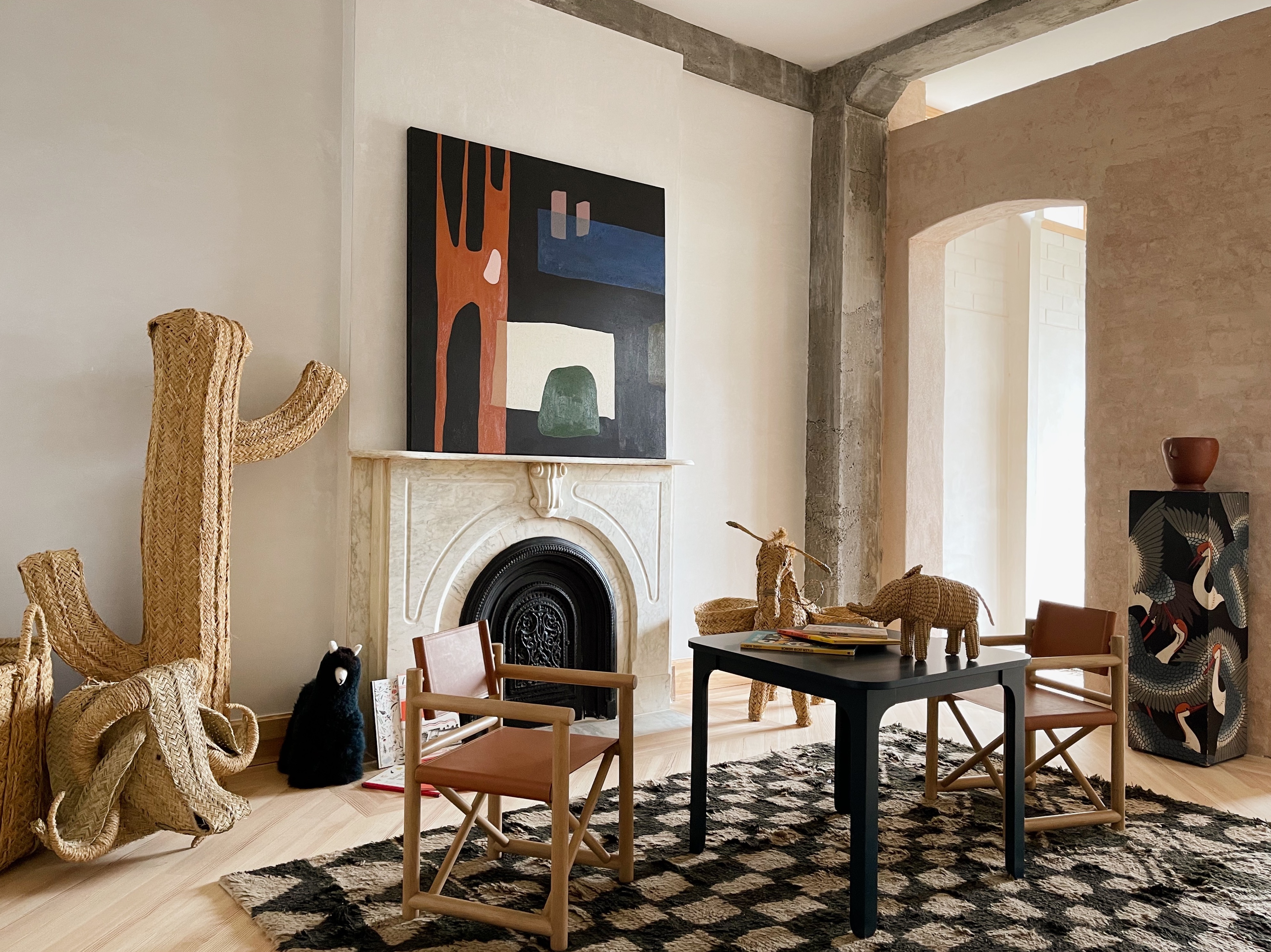
A spec townhouse makeover in Brooklyn has a tough job. It has to feel personal enough to stop a buyer mid-scroll, but flexible enough that nobody walks in and says, “Beautiful, but where would my life go?” That is the design tightrope: create character without over-directing the story. In Brooklyn, where row houses, brownstones, brick facades, stoops, garden levels, and tall parlor floors already come with architectural attitude, the smartest makeover does not try to erase history. It edits, warms, brightens, and gives the home a new rhythm.
The idea behind an inspired spec townhouse makeover is not simply to make a house look expensive. Anyone can add marble, a brass faucet, and a dramatic pendant light and call it a day. The better goal is to make the home feel inevitable, as though every finish, doorway, stair rail, cabinet, and wall color belongs to the building. A successful Brooklyn townhouse renovation respects the bones of the house while making daily life easier, lighter, and far more livable.
What Makes a Brooklyn Spec Townhouse Different?
A “spec” project is designed before a final homeowner is attached. That means the design team must imagine the future resident without knowing their coffee order, shoe count, or feelings about open shelving. In a Brooklyn townhouse, that challenge becomes even more interesting because these homes often carry decades of layered changes. One room may whisper 1890s elegance, another may shout 1980s rental conversion, and the basement may simply ask for a nap.
The best spec townhouse makeover in Brooklyn avoids the blank-box trap. Instead of stripping the home into anonymous real estate beige, it creates a strong but welcoming identity. Think warm woods, grounded stone, graceful lighting, soft neutral colors, custom storage, and one or two memorable design moments that buyers will actually remember after seeing five other listings in one afternoon.
The Design Strategy: Crowd-Pleasing, Not Cookie-Cutter
A strong Brooklyn townhouse makeover begins with restraint. The home should feel designed, not decorated within an inch of its life. For a spec house, the sweet spot is a palette that feels calm but not sleepy: creamy walls instead of stark white, natural oak or walnut instead of synthetic-looking floors, honed stone instead of shiny surfaces, and handmade-looking tile that adds texture without demanding applause.
This approach works especially well in Brooklyn because the borough’s townhouse architecture already has a visual language. Tall windows, narrow footprints, stoops, garden access, long stair runs, and layered floor plans all ask for thoughtful planning. A designer who listens to the building will usually get better results than one who arrives with a trend checklist and a suspiciously large number of identical globe lights.
Respecting the Exterior While Modernizing the Interior
Brooklyn townhouses often sit on streets where the rhythm of the block matters. Even when a home is not individually landmarked, the facade contributes to the neighborhood’s character. A smart makeover treats the exterior as part of the home’s value. Brick, brownstone, limestone, ironwork, wood doors, and stoop details should be repaired or refreshed with care whenever possible.
Inside, however, the renovation can become more flexible. Modern life asks for better kitchens, more storage, improved bathrooms, updated mechanical systems, and a more natural connection between living areas. The trick is to modernize without making the home feel like a showroom that accidentally landed inside a historic shell. Original details, when present, can be cleaned up and paired with contemporary lines. When original details are missing, new millwork can provide proportion and depth.
The Entry: First Impressions That Do Real Work
The entry of a Brooklyn townhouse has to be charming and practical. It is the place where guests arrive, packages stack up, umbrellas drip, shoes multiply, and someone inevitably asks where the bathroom is. In a spec makeover, the entry should immediately communicate quality. A handsome runner, warm stair finish, simple wall hooks, a slim console, and a durable floor material can set the tone without becoming fussy.
Lighting matters here. Many townhouses have narrow entry halls, so layered lighting can prevent the space from feeling like a decorative tunnel. A sculptural pendant, wall sconces, or recessed lights placed with care can make the first step inside feel intentional. Add a mirror to bounce light, and suddenly the entry behaves like it has been doing Pilates.
The Parlor Floor: Where the House Wins Hearts
In many Brooklyn townhouses, the parlor floor is the star. High ceilings, tall windows, and generous proportions create the kind of room that makes buyers start mentally arranging furniture before they have checked the closets. For a spec renovation, this level should feel open, elegant, and usable.
Instead of removing every wall simply because “open concept” sounds marketable, the best designs create flow with subtle separation. Wide openings, partial walls, pocket doors, glass partitions, or changes in ceiling treatment can define zones without chopping up the space. A living area, dining zone, and kitchen can share one visual story while still feeling like distinct rooms.
Warm Minimalism Works Better Than Cold Minimalism
Brooklyn buyers are often drawn to character. That does not mean the home should be cluttered or old-fashioned. It means minimalism needs warmth. A quiet palette of cream, taupe, mushroom, soft gray, natural wood, and blackened metal can feel clean and timeless. Add texture through linen, limewash-style walls, handmade tile, reeded glass, or woven shades, and the home starts to feel lived-in before anyone has unpacked a single box.
The Kitchen: The Make-or-Break Room
Let us be honest: in a townhouse makeover, the kitchen carries a lot of emotional weight. Buyers may politely nod at the restored stair rail, but they will scrutinize the kitchen like a detective in a prestige drama. Is there enough storage? Does the island make sense? Where does the trash go? Can two people cook without performing a tiny ballet of inconvenience?
An inspired Brooklyn townhouse kitchen should feel tailored to the architecture. Flat-front cabinets can work beautifully when balanced with natural stone, warm hardware, and open shelving used sparingly. Shaker cabinets can also succeed, especially when painted in a soft neutral or deep muted shade rather than builder-grade white. The best spec kitchens avoid extreme choices. They are interesting enough to photograph well, but calm enough to let future owners bring their own dishes, art, and questionable collection of mugs.
Materials That Feel Durable and Human
Stone countertops, porcelain slabs, ceramic tile, wood cabinets, and aged brass or brushed nickel hardware all fit the current desire for tactile, lasting materials. A backsplash does not need to scream. A handmade tile with slight variation can create movement while staying elegant. A honed surface often feels more appropriate than a glossy one, especially in a townhouse where patina is part of the charm.
Storage should be treated as design, not an afterthought. Appliance garages, tall pantry cabinets, deep drawers, integrated trash pullouts, and hidden charging areas make a kitchen feel smarter. These details may not be flashy, but they are the features people praise after living in a home for six months.
Bathrooms: Calm, Functional, and a Little Bit Spa-Like
Bathrooms in older townhouses are often complicated by narrow layouts, plumbing stacks, and windows in inconvenient places. A good makeover does not fight these limitations with gimmicks. It uses them as a framework for practical luxury. Walk-in showers, floating or furniture-style vanities, wall-mounted faucets, recessed medicine cabinets, and large-format tile can make compact bathrooms feel generous.
The primary bathroom should feel like a retreat, but not like a hotel room trying too hard. Warm stone, soft lighting, a generous mirror, and thoughtful storage usually do more than dramatic veining everywhere. Powder rooms, on the other hand, can take a little more personality. A moody wall color, patterned tile, or small statement sink can give guests something to talk about besides the weather and the eternal mystery of alternate-side parking.
Bedrooms: Quiet Rooms With Real Storage
Bedrooms in a Brooklyn townhouse should be calm, flexible, and not overly styled. In a spec home, the design should help buyers imagine several versions of life: a primary suite, a nursery, a guest room, a home office, or a room for someone who owns too many sweaters and refuses to apologize.
Closets are critical. Custom closet systems, built-in wardrobes, and under-stair storage can turn a beautiful house into a practical one. Since townhouses are vertical homes, storage must be distributed intelligently across floors. Nobody wants to carry a vacuum cleaner up three flights like it is part of a boutique fitness program.
The Garden Level: From Afterthought to Everyday Luxury
The garden level can be one of the most valuable parts of a Brooklyn townhouse makeover. It may become a family room, guest suite, rental-ready space where legally appropriate, mudroom, office, or indoor-outdoor entertaining zone. The key is light. Garden levels can feel dark if neglected, so glass doors, pale finishes, layered lighting, and a strong connection to the backyard are essential.
A small Brooklyn garden does not need to pretend it is a country estate. It can be a beautiful urban room. Pavers, planters, climbing vines, a built-in bench, low lighting, and a simple dining area can create a private escape. Even a modest backyard feels luxurious when it is designed as part of the home instead of treated like leftover square footage.
Lighting: The Secret Ingredient Buyers Feel Before They Notice
Lighting can make or break a townhouse renovation. Because these homes are often long and narrow, natural light may be strongest at the front and back while the middle rooms need help. A layered lighting plan solves this problem. Recessed lights provide general brightness, sconces add atmosphere, pendants create focal points, and under-cabinet lighting makes kitchens more functional.
The best lighting feels varied but consistent. Every fixture does not need to match, but the finishes and shapes should belong to the same design family. A mix of aged brass, black metal, opal glass, paper shades, or ceramic fixtures can add personality without making the home look like a lighting showroom had a clearance event.
Color Palette: Soft Neutrals With Brooklyn Soul
A spec townhouse makeover needs a palette that photographs beautifully and lives comfortably. Bright white can feel crisp, but too much of it may flatten architectural details. Warmer neutrals often work better: plaster white, oatmeal, mushroom, clay, soft olive, warm gray, and deep charcoal accents. These colors create calm while giving wood, stone, and metal finishes room to shine.
Color can also be used strategically. A powder room, built-in bookshelf, kitchen island, or bedroom wall can carry a deeper shade. This gives the home personality without overwhelming buyers who may have their own art, rugs, and furniture. In a successful spec renovation, color is a guide, not a hostage situation.
Why Millwork Matters So Much
Millwork is one of the clearest signs that a townhouse makeover has been thoughtfully designed. Built-in shelves, paneled walls, window seats, mudroom cubbies, custom vanities, and integrated wardrobes give a home a sense of permanence. They also solve the practical problems that older houses often create.
In Brooklyn townhouses, millwork can bridge old and new. A clean-lined built-in can sit comfortably beside original molding. A new kitchen cabinet profile can echo the proportions of historic doors. A stair wall can become storage. These moves make the renovation feel bespoke, even when it is designed for an unknown future buyer.
Balancing Resale Value and Design Personality
The smartest spec townhouse makeover is not afraid of personality, but it spends personality in the right places. Permanent elements should be timeless and durable. Trend-forward choices should appear in places that are easier to change: paint, lighting, hardware, mirrors, or styling. That balance protects resale value while keeping the home from feeling generic.
For example, a dramatic marble kitchen island may impress buyers, but if it overwhelms the room, it can narrow the audience. A warmer stone, beautiful cabinetry, and excellent lighting may have broader appeal. Likewise, a bold powder room can be memorable, while a wildly themed primary bathroom may make buyers calculate renovation costs before they have reached the hallway.
Experience Notes: What This Kind of Makeover Teaches You
Anyone who has walked through a Brooklyn townhouse before and after renovation knows that the magic is rarely one big gesture. It is usually the result of dozens of small, disciplined decisions. The front door closes properly. The stair feels solid underfoot. The kitchen drawers glide instead of clattering. The bathroom mirror is actually placed at a useful height. The outlet is where the lamp needs to be. These are not glamorous details, but they are the details that make people say, “This house feels good.”
One experience that stands out in townhouse makeovers is how much the vertical layout affects daily life. Unlike an apartment, a townhouse asks residents to move through levels constantly. That means every floor needs a reason to exist. A parlor floor cannot be only pretty; it must support entertaining, cooking, lounging, and everyday mess. Bedrooms need nearby laundry or at least a laundry plan that does not feel like a punishment. The garden level needs enough light and comfort to become part of the home’s life, not just a place where forgotten chairs go to retire.
Another lesson is that old houses reward patience. During a renovation, walls may reveal surprises: uneven framing, old pipes, patched brick, sloping floors, or mysterious decisions made by previous owners who apparently owned one screwdriver and unlimited confidence. A successful makeover anticipates these discoveries. The design team builds flexibility into the budget and schedule, and the finished home looks calm precisely because the messy work behind the walls was handled correctly.
Material choices also feel different in person than they do on a screen. A tile that looks plain in a sample may glow beautifully across a full wall. A cabinet color that seems safe online may turn flat under townhouse lighting. This is why mockups, samples, and on-site testing matter. Brooklyn light can shift dramatically from front rooms to rear rooms, from garden level to top floor, and from morning to late afternoon. Choosing finishes inside the actual space helps prevent expensive regret.
The most memorable townhouse makeovers also understand emotional pacing. Not every room should deliver the same volume. The entry can be polished and welcoming. The parlor floor can be bright and social. The kitchen can be warm and hardworking. Bedrooms can exhale. Bathrooms can feel calm and private. The garden can surprise people at the end of the tour. When a home has this rhythm, it feels larger, richer, and more complete.
For homeowners or developers planning a similar project, the best advice is simple: do not design only for the listing photos. Design for the person who will wake up there on a rainy Tuesday, make coffee, hunt for clean socks, answer emails, cook dinner, host friends, and eventually forget where they put the tape measure. A beautiful Brooklyn spec townhouse makeover should sell the dream, yes, but it should also support the ordinary routines that make a house worth keeping.
Conclusion: The New Brooklyn Townhouse Ideal
An inspired spec townhouse makeover in Brooklyn succeeds when it feels both market-ready and soulful. It respects the neighborhood, honors the building’s proportions, improves modern function, and uses materials that feel warm rather than disposable. The best renovation does not shout for attention. It invites people in, lets the architecture breathe, and gives future owners enough beauty and flexibility to imagine their own lives unfolding there.
In the end, a great Brooklyn townhouse makeover is not about chasing every design trend. It is about confidence, restraint, craft, and comfort. Done well, a spec home can feel anything but speculative. It can feel personal, rooted, and ready for its next chapter.