

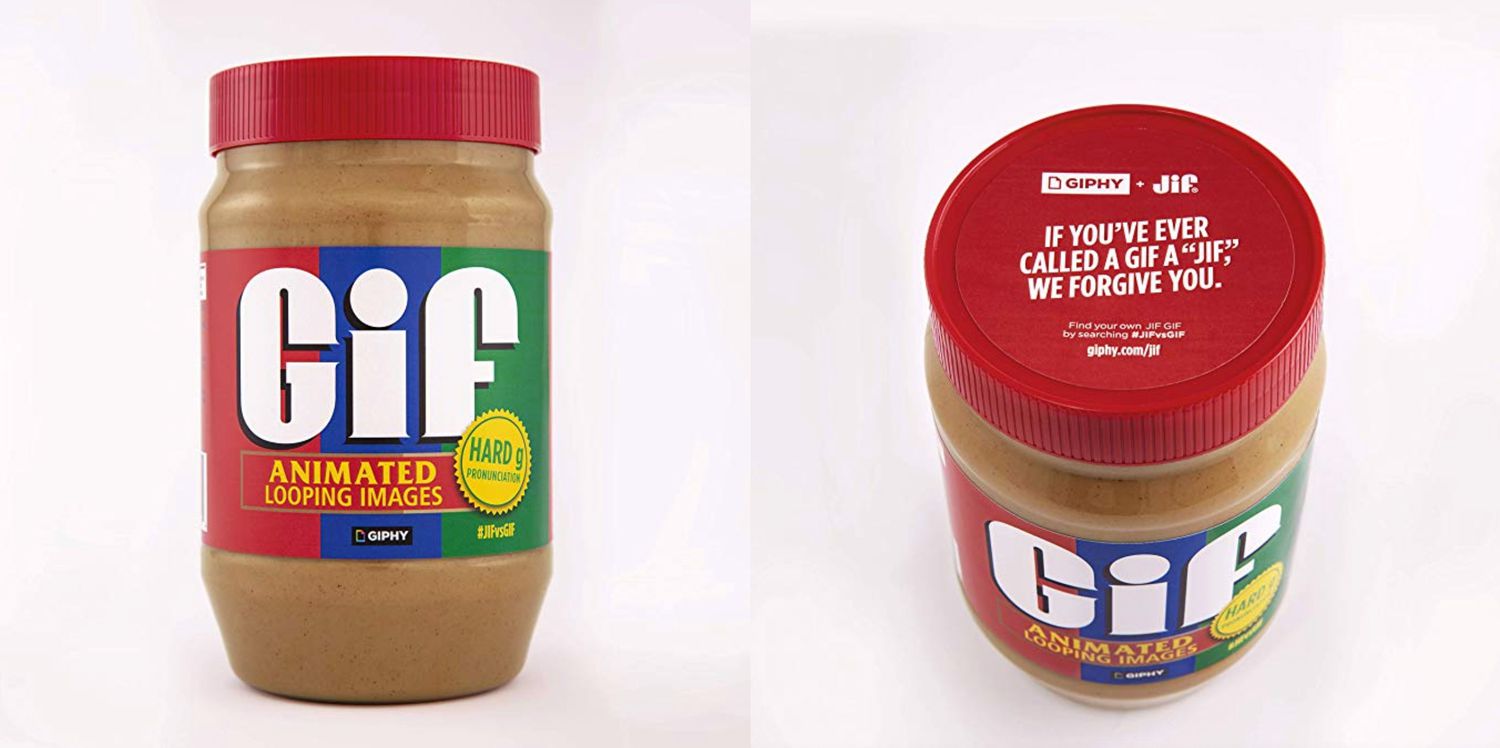
Some brand collaborations feel like they were assembled in a conference room with too much cold brew and not enough personality. Then there are the rare ones that seem so obvious, so delightfully silly, and so internet-ready that you wonder why they did not happen years earlier. The Jif and GIPHY collaboration falls firmly into the second category. It took one of the internet’s oldest pronunciation argumentsdo you say “GIF” with a hard G or a soft G?and turned it into a peanut-butter-covered meme that practically spread itself.
The campaign was simple: Jif, the peanut butter brand, teamed up with GIPHY, the popular GIF search and sharing platform, to create a limited-edition jar labeled “Gif.” The joke was printed right on the packaging. A GIF is a looping animation. Jif is peanut butter. If you say GIF like “Jif,” well, the brands jokingly forgave youbut they also politely asked you to stop confusing lunch with internet culture.
That is the magic of the best GIF meme: it does not need a long explanation. It takes a debate people already recognize, adds a visual punchline, and gives everyone something to argue about with a smile. In a world where brands often try too hard to sound “online,” Jif and GIPHY managed to land a joke that felt natural, funny, and weirdly useful.
Why the Jif and GIPHY Meme Worked So Well
The Jif and GIPHY campaign worked because it tapped into a real cultural argument. The GIF pronunciation debate has been bouncing around the internet for decades. Some people insist GIF should sound like “gift” because the “G” stands for “graphics.” Others follow the preference of GIF creator Steve Wilhite, who famously supported the soft-G pronunciation, making it sound like “Jif.”
Instead of trying to settle the argument with a lecture, Jif and GIPHY turned it into a snackable joke. That wordsnackableis especially fitting here, because peanut butter was literally involved. The campaign created a visual object that people could photograph, post, share, mock, collect, and debate. It was part product, part meme, part linguistic food fight.
Most importantly, the joke had layers. If you knew the GIF pronunciation debate, the jar was hilarious immediately. If you did not, the package made you curious. Why is a peanut butter jar labeled “Gif”? Why is GIPHY involved? Why are people suddenly yelling about consonants in the grocery aisle? That curiosity is exactly what every viral marketing campaign wants.
The Backstory: GIF vs. Jif, the Internet Argument That Refuses to Die
To understand why this meme became such a perfect fit, you need to understand the history behind the argument. GIF stands for Graphics Interchange Format, a digital image format introduced in 1987. Over time, GIFs evolved from simple web graphics into one of the internet’s favorite ways to communicate emotion, sarcasm, celebration, awkward silence, and every possible flavor of “I can’t believe this is happening.”
The pronunciation debate became a cultural running joke because both sides have strong arguments. The hard-G crowd says “graphics” begins with a hard G, so GIF should too. The soft-G crowd points to Steve Wilhite, the format’s creator, who said it should be pronounced like “Jif.” Dictionaries have generally allowed both pronunciations, which is the linguistic equivalent of a referee shrugging and leaving the stadium.
That unresolved tension is what made the Jif and GIPHY idea so strong. The brands did not invent a conversation from scratch. They entered a debate that already had emotional investment, internet history, and endless meme potential. That is much easier than asking people to care about a brand-new slogan.
The Limited-Edition “Gif” Jar Was Packaging as a Punchline
The limited-edition Jif x GIPHY jar was the campaign’s centerpiece. On one side, it looked like the classic Jif peanut butter jar. On the other, it played with the word “Gif,” turning the label into a joke about pronunciation, identity, and internet stubbornness. It was not just packaging; it was a meme you could put in your pantry.
That physical element mattered. GIFs live online, but peanut butter lives in kitchens, lunchboxes, and late-night snack raids. By putting the joke on a jar, the campaign crossed from digital culture into real life. People could hold the meme, photograph it, gift it, display it, or hoard it like a collectible from the Museum of Extremely Specific Internet Arguments.
For Jif, the collaboration reinforced brand recognition in a playful way. For GIPHY, it reminded people that GIFs are not just tiny animations; they are a language of reaction and personality. Together, the brands created a campaign that looked simple on the surface but carried a surprisingly sharp understanding of how internet culture works.
Why This Was More Than a Peanut Butter Joke
At first glance, “Jif and GIPHY made a funny jar” sounds like a light marketing stunt. And yes, it absolutely was. But it was also a smart example of cultural branding. The campaign did not rely on a complicated product feature or a celebrity endorsement. It relied on shared knowledge.
People love to participate in arguments that are low-stakes but emotionally satisfying. Pineapple on pizza. Is a hot dog a sandwich? Should you fold or crumple toilet paper? Is it GIF or JIF? These debates are harmless, repeatable, and oddly powerful because they let people take a side without ruining Thanksgiving dinner.
The Jif and GIPHY meme understood that. It gave both sides something to laugh about. Hard-G loyalists could celebrate. Soft-G defenders could roll their eyes. Everyone could share the jar and add their opinion. That is the sweet spot for meme marketing: the audience does not just consume the joke; they help keep it alive.
What Brands Can Learn From the Jif and GIPHY Collaboration
1. Start With a Real Conversation
The best memes do not feel forced. They grow from things people already talk about. Jif and GIPHY did not manufacture the GIF pronunciation debate. They joined it at exactly the right angle. That gave the campaign instant relevance and saved it from feeling like a brand trying to wear a backwards baseball cap and say, “How do you do, fellow teens?”
2. Keep the Joke Simple
The campaign’s brilliance was its simplicity. Jif sounds like GIF. GIPHY is about GIFs. Put “Gif” on a Jif jar. Let the internet do the rest. A weaker campaign might have buried the joke under hashtags, explainer videos, influencer scripts, and seventeen layers of brand messaging. This one trusted the audience to get it.
3. Make It Visual
Memes thrive visually. The altered jar label gave the campaign an image that could travel quickly across social platforms, news sites, and group chats. The visual was recognizable even at a glance, which is essential for shareability. Nobody wants to zoom in on a meme like they are reviewing a mortgage contract.
4. Invite Debate, Not Confusion
The campaign invited people to take sides, but it did not alienate anyone. That is a delicate balance. A good meme gives people room to participate. A bad one makes them feel like they missed the meeting. Jif and GIPHY kept the tone friendly, funny, and intentionally ridiculous.
The SEO Angle: Why This Topic Still Has Search Power
From an SEO perspective, the Jif and GIPHY campaign is a goldmine because it combines multiple search-friendly topics: Jif peanut butter, GIPHY, GIF pronunciation, internet memes, viral marketing, limited-edition products, and brand collaborations. Each of those topics has its own audience, but together they create a story with broad appeal.
Searchers might arrive because they remember the campaign and want details. Others might be researching the GIF pronunciation debate. Marketers may be looking for examples of clever brand partnerships. Casual readers may simply want to know why a peanut butter company got involved in an argument about looping animations. The article can satisfy all those intentions without stuffing the page with awkward keywords.
The best SEO content does not just repeat a phrase like “Jif and GIPHY best GIF meme” until readers begin questioning their life choices. It answers the real question behind the search: Why did this campaign work, and why did people care? That is where the story becomes more valuable than a quick recap.
How the Meme Played With Language
Language jokes are tricky because they can easily become boring. Nobody wants a brand campaign that feels like an English class worksheet wearing a mascot costume. But the Jif and GIPHY meme worked because the language issue was already funny. The argument over GIF pronunciation has always been part logic, part tradition, part chaos, and part people refusing to back down because they typed something confidently in 2012.
Jif’s role made the joke sharper. The brand name itself became the punchline. GIPHY’s role made it legitimate in internet terms. One brand brought the wordplay; the other brought the digital culture. The result was a collaboration where both partners had a clear reason to be there.
That is important. Many brand partnerships feel random because they are random. A sneaker company and a cereal brand may collaborate, but unless there is a strong idea behind it, the result can feel like two logos trapped in an elevator. Jif and GIPHY had a natural connection through sound, spelling, and a debate everyone recognized.
Why People Love “Wrong but Funny” Brand Moments
The campaign also succeeded because it leaned into a playful contradiction. Technically, Jif is peanut butter. GIF is a file format. GIPHY is a platform. Everyone knows these things are different. That is why the confusion is funny.
Good internet humor often depends on knowingly pretending to misunderstand something. The Jif and GIPHY jar did exactly that. It took the confusion people joke about online and made it physical. It was wrong on purpose, which is one of the internet’s favorite forms of being right.
This kind of humor works especially well for brands because it feels human. People do not want brands to lecture them all the time. Sometimes they want a brand to show up, make a goofy joke, and leave behind a peanut butter jar that makes everyone at the breakfast table argue about phonetics.
The Meme as a Collectible Moment
Limited-edition products are powerful because they create urgency. The Jif x GIPHY jar was not just a joke; it was a collectible. That gave people another reason to pay attention. Even if you were not deeply invested in the GIF pronunciation debate, owning the jar meant owning a small piece of internet culture.
Collectibility turns a campaign into an event. People talk about where to find it, whether it sold out, whether resale prices are ridiculous, and whether they should open it or keep it sealed like a rare action figure. The product becomes a conversation starter long after the original announcement fades.
That is why the best brand memes often include something tangible. A funny tweet can disappear in hours. A limited-edition jar can sit on a shelf, appear in photos, and keep the joke alive every time someone makes toast.
Why This Campaign Still Feels Fresh
Even though the campaign launched years ago, the idea still feels fresh because the GIF pronunciation debate has never truly ended. The internet does not retire arguments; it stores them in a digital attic and brings them out whenever someone needs a fight with zero real consequences.
Every new generation of internet users rediscovers the question. Every workplace chat has someone who says GIF one way and someone who immediately corrects them. Every family has at least one person who says “the moving picture thingies” and somehow avoids the entire argument. The Jif and GIPHY meme remains relevant because the debate itself is evergreen.
Experience Section: What It Feels Like to Watch a Meme Like This Take Over
The most interesting thing about the Jif and GIPHY meme is how quickly it becomes part of everyday conversation. You might first see the jar in an article or on social media and think, “That is clever.” Then, within minutes, you are asking someone nearby how they pronounce GIF. Suddenly, a marketing campaign has turned into a social experiment. Congratulations: peanut butter has entered the group chat.
That is the real experience of a strong meme campaign. It does not stop at the screen. It gives people a reason to talk. Imagine seeing the limited-edition “Gif” jar on a kitchen counter. Someone points at it. Someone else says, “Wait, is that real?” A third person confidently announces that GIF has a hard G because “graphics.” Then someone mentions that the creator preferred the soft-G pronunciation. Five minutes later, nobody has made a sandwich, but everyone has chosen a side like it is a national election with better snacks.
From a consumer’s point of view, the campaign feels fun because it rewards recognition. If you know the debate, you feel like you are in on the joke. If you do not, you get to learn it quickly and join in. That makes the meme accessible instead of exclusive. The best internet jokes often work this way: they make people feel included, not confused.
From a marketer’s point of view, the experience is a masterclass in restraint. The campaign did not need to explain itself into dust. It trusted the audience. That is harder than it sounds. Many campaigns panic and over-explain the joke, which is like putting a label on a banana that says, “This is humorous because it is slippery.” Jif and GIPHY let the packaging, the nameplay, and the debate do the heavy lifting.
From a content creator’s point of view, the campaign is easy to write about because it has all the ingredients of a sticky story. There is a familiar brand, a major internet platform, a decades-old debate, a limited-edition product, and a joke that can be understood in seconds. It is visual, searchable, and naturally shareable. That is basically the content equivalent of finding extra fries at the bottom of the bag.
Personally, the most relatable part of the whole thing is how low-stakes yet weirdly passionate the debate becomes. People who have never cared about file formats suddenly develop courtroom-level arguments about consonants. That is what makes the meme so charming. It reminds us that internet culture does not always need to be serious to be meaningful. Sometimes the most memorable campaigns are the ones that give people a harmless reason to laugh, argue, and maybe crave a peanut butter sandwich.
In the end, the Jif and GIPHY collaboration worked because it understood the internet’s love language: quick jokes, visual clarity, shared arguments, and just enough absurdity to make people hit share. It was not merely a clever product label. It was a tiny cultural event in a jar.
Conclusion: The Best GIF Meme Was Also the Best Jif Joke
Jif and GIPHY came up with one of the best GIF memes because they did not try to overpower the internet. They played with it. The campaign took a familiar debate, added a perfect visual twist, and created a limited-edition product that made people laugh before they even opened the lid.
The collaboration shows how powerful a simple idea can be when it connects with existing culture. It had humor, timing, visual appeal, search interest, and built-in debate. Most importantly, it felt fun. Not forced. Not desperate. Not “please clap” corporate comedy. Just a smart, snackable joke with enough peanut butter energy to stick around.
Whether you say GIF with a hard G or a soft G, the Jif and GIPHY campaign deserves credit for turning a pronunciation argument into a memorable marketing moment. And if you still insist on saying it like “Jif,” at least now you have a sandwich spread that understands your journey.