

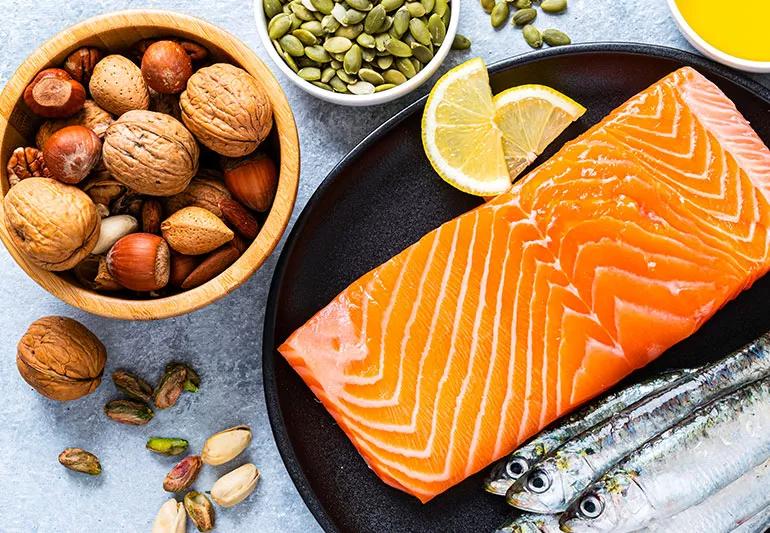
Protein has one of the best publicists in nutrition. It gets billed as the hero of muscle growth, the champion of fullness, and the reliable friend who shows up when your breakfast is otherwise just coffee and vague optimism. But here is the catch: not all protein sources bring the same nutritional package to the table. Two foods can deliver similar grams of protein while taking your health in very different directions.
That is why asking for the best and worst sources of protein is smarter than asking, “How can I eat more protein?” The real question is not just how much protein you get, but what comes bundled with it. Is your protein arriving with fiber, unsaturated fats, vitamins, and minerals? Or is it dragging along excess sodium, saturated fat, and a long ingredient list that reads like a chemistry quiz you did not study for?
In general, the best protein sources are minimally processed foods that give you protein plus other benefits, such as fiber, heart-healthy fats, iron, calcium, or omega-3s. The worst protein sources are usually highly processed choices that still provide protein, but also pile on sodium, saturated fat, preservatives, or excess calories. So yes, protein matters. But the company it keeps matters too.
Why Protein Matters in the First Place
Protein helps build and repair tissues, supports muscle maintenance, contributes to immune function, and plays a role in making enzymes and hormones. It is also more filling than many refined carbohydrates, which is one reason protein-rich meals can help people stay satisfied longer.
Still, “high protein” should not become a hall pass for every snack stick, double bacon burger, or mystery powder with a label that looks like it was designed by a bodybuilder on six espressos. A good protein choice fits into an overall healthy eating pattern. That means looking beyond the grams and paying attention to quality, processing, and portion size.
What Makes a Protein Source “Best” or “Worst”?
When nutrition experts rank protein foods, they usually look at several factors:
- Protein quality: Does it provide essential amino acids your body needs?
- Nutrient density: Does it also offer fiber, vitamins, minerals, or healthy fats?
- Processing level: Is it close to its original form, or heavily processed?
- Saturated fat and sodium: Does it come with extras your body would prefer in smaller amounts?
- How it fits your routine: Can you eat it often without turning your overall diet into a nutritional plot twist?
With that in mind, here are the protein sources that tend to earn gold stars, and the ones that belong more in the “once in a while” category.
Best Sources of Protein
1. Beans, Lentils, and Peas
Legumes are nutritional overachievers. Beans, lentils, chickpeas, split peas, and black-eyed peas give you protein, but they do not stop there. They also bring fiber, which many Americans do not get enough of, along with important minerals and plant compounds. That fiber helps with fullness and supports heart and gut health, which is more than most protein bars can say.
A half-cup serving of cooked beans or lentils delivers a meaningful protein boost while being far lower in saturated fat than most fatty cuts of meat. They are also inexpensive, versatile, and remarkably forgiving in the kitchen. Toss them into chili, soups, grain bowls, tacos, or pasta dishes and suddenly dinner looks like it has its life together.
If you are worried about plant proteins being “incomplete,” relax a little. Eating a variety of plant foods across the day is usually enough to supply the amino acids your body needs. You do not need to hold a formal summit between rice and beans at the exact same meal.
2. Soy Foods
Soy foods such as tofu, tempeh, edamame, and unsweetened soy milk are some of the best plant-based protein choices around. Whole soy foods are rich in protein and, unlike many other plant proteins, soy is considered a complete protein. That makes it especially useful for people who want to eat less meat without playing nutritional detective every time they open the fridge.
Tempeh has a firmer texture and a nutty flavor, while tofu is basically a culinary chameleon. It can be crisp, creamy, spicy, savory, or whatever your marinade demands. Edamame is the snack that quietly makes all other snacks look lazy.
The best soy choices are the less processed ones. Whole soy foods generally beat heavily processed soy ingredients tucked into bars, chips, and ultra-processed meal replacements.
3. Fish and Seafood
Fish is one of the strongest answers to the question, “What is a healthy protein source?” Many types of seafood provide high-quality protein with less saturated fat than fatty red meats. Fatty fish such as salmon, sardines, trout, herring, and mackerel also supply omega-3 fats, which support heart health.
That does not mean every seafood product is automatically a halo-wearing angel. Breaded fried fish and sodium-heavy seafood entrees can lose some of the magic. But grilled, baked, broiled, or lightly sautéed fish is a solid move for most healthy eating patterns.
Canned tuna or salmon can be convenient choices too, especially when you need something fast and more nutritious than calling crackers a meal. Just keep an eye on sodium in prepared products.
4. Nuts and Seeds
Nuts and seeds are not the highest-protein foods per bite compared with chicken or fish, but they are excellent protein sources in the bigger nutrition picture. Almonds, pistachios, peanuts, walnuts, pumpkin seeds, chia seeds, hemp seeds, and sunflower seeds deliver protein along with healthy fats, minerals, and satisfying crunch.
They work especially well as part of snacks and breakfasts. Add pumpkin seeds to oatmeal, stir peanut butter into yogurt, sprinkle hemp seeds over salad, or eat a small handful of nuts instead of the vending machine snack that tastes like regret and artificial cheese powder.
Choose unsalted or lightly salted versions more often, since sodium can sneak up fast in flavored varieties.
5. Eggs
Eggs are compact, affordable, and highly useful. They provide complete protein and work at practically every meal. Hard-boiled for snacks, scrambled for breakfast, folded into fried rice, baked into muffins, or turned into a last-minute omelet when groceries are looking emotional, eggs are dependable.
For many people, eggs can be part of a healthy diet. The bigger issue is often what rides along with them. A couple of eggs with fruit and whole-grain toast is one story. Eggs paired with sausage, bacon, and a biscuit the size of a throw pillow are another story entirely.
6. Low-Fat Dairy and Yogurt
Milk, Greek yogurt, cottage cheese, and other lower-fat dairy foods provide protein plus calcium and other nutrients. Greek yogurt is especially popular because it packs a lot of protein into a convenient serving.
The smartest dairy choices are usually plain or lower-sugar versions. Protein should not need dessert cosplay to get your attention. A plain Greek yogurt with berries and nuts is often a better choice than a heavily sweetened yogurt that contains more sugar than your patience before lunch.
7. Lean Poultry and Lean Cuts of Meat
Chicken and turkey can absolutely be part of the best-protein list when they are lean and minimally processed. Skinless chicken breast, turkey breast, and similarly lean cuts provide plenty of protein without as much saturated fat as fattier cuts or many processed meats.
The same goes for lean cuts of beef or pork in moderate portions. These are not automatically “bad” foods. The key difference is whether they are lean, how often they are eaten, and what replaces other foods on your plate. A modest serving of lean meat next to vegetables and whole grains is very different from making red meat the centerpiece of every meal like it is auditioning for its own reality show.
Worst Sources of Protein
1. Processed Meats
If the protein world had a “proceed with caution” banner, processed meats would be standing directly underneath it. Bacon, sausage, hot dogs, deli meats, salami, pepperoni, and similar products still contain protein, but they often come with a heavy load of sodium, saturated fat, and preservatives.
They are also consistently the protein sources experts most often tell people to limit. Processed meats are linked with higher risks for certain health problems, including colorectal cancer, and they are not a heart-health favorite either. In plain English, just because something fits in a breakfast sandwich does not mean it deserves a daily invitation.
This does not mean you can never eat bacon again. It means bacon should probably not be your primary protein strategy unless your cardiologist is secretly writing comedy.
2. Fatty Cuts of Red Meat
Red meat can provide iron, zinc, vitamin B12, and protein. The issue is not that all red meat is evil. The issue is that frequent large portions of fatty cuts can drive up saturated fat intake, and overall dietary patterns that lean heavily on red and processed meat are generally less favorable than patterns that feature more fish, beans, nuts, and other plant proteins.
Ribeye, heavily marbled steaks, fatty burgers, and similar cuts are not the best everyday choice. When you do eat red meat, leaner cuts and smaller portions are usually the smarter play.
3. Fried Chicken and Breaded Protein Foods
Chicken starts life as a respectable protein source. Then sometimes it gets breaded, deep-fried, aggressively salted, and turned into a vehicle for sauces that could double as frosting. At that point, the protein is still there, but the nutrition profile has taken a detour.
Fried chicken, breaded fish fillets, and similar foods are not “bad” because they contain protein. They are less ideal because the cooking method and add-ons can add excess calories, sodium, and unhealthy fats. The protein may be doing its best, but it is trapped in a crispy identity crisis.
4. Full-Fat, Highly Processed Cheese as a Main Protein
Cheese contains protein, and it can absolutely fit into a healthy diet. But when it becomes the main protein source at meal after meal, things get less impressive. Many cheeses are also high in saturated fat and sodium, especially processed cheese products.
Using a little cheese as a flavor booster is one thing. Calling a mountain of extra cheese your “high-protein dinner” is another. Cheese is more of a supporting actor than a lead performer in most balanced meals.
5. Protein Snacks Disguised as Health Food
Meat sticks, protein chips, sugary protein bars, and certain packaged shakes can look healthy because they advertise protein in giant letters. Sometimes they are useful in a pinch. But many are heavily processed and may contain high sodium, added sugars, sugar alcohols, or long ingredient lists that make whole foods look refreshingly uncomplicated.
When a product markets itself like it belongs in a superhero movie, flip it over and read the Nutrition Facts label. A good protein snack should not require a decoding team.
How to Choose Better Protein Every Day
Build Around Variety
The healthiest eating patterns do not depend on a single protein source. Rotate among beans, lentils, soy foods, seafood, eggs, yogurt, nuts, seeds, and lean poultry. Variety helps cover more nutrients and keeps meals from becoming painfully repetitive.
Think Beyond Protein Grams
A food with 20 grams of protein is not automatically better than one with 12. If the 20-gram option is loaded with sodium and saturated fat while the 12-gram option brings fiber, healthy fats, and micronutrients, the lower number may still be the better choice overall.
Favor Whole and Minimally Processed Foods
Protein is usually healthiest when it comes from foods that still look like actual food. Beans look like beans. Salmon looks like salmon. Tofu looks like something that at least once had dignity. A neon-orange “protein snack cluster” is a harder sell.
Watch Portions Without Obsessing
You do not need to weigh every chickpea on a food scale. But it helps to remember that more protein is not always better. A balanced plate still needs vegetables, fruits, whole grains, and healthy fats. Protein is important, not the sole ruler of civilization.
Best and Worst Protein Sources at a Glance
- Best choices: beans, lentils, chickpeas, tofu, tempeh, edamame, fish, seafood, nuts, seeds, eggs, plain Greek yogurt, cottage cheese, skinless poultry, and lean unprocessed meats in moderate portions.
- Worst routine choices: bacon, sausage, hot dogs, deli meat, salami, pepperoni, fatty cuts of red meat, fried protein foods, heavily processed protein snacks, and full-fat processed cheese as a main protein source.
Experience and Practical Lessons From Real-Life Eating
One of the most useful lessons people learn about protein has nothing to do with elite sports nutrition or eating chicken breast seven days a week. It is the moment they realize that a meal feels different depending on the type of protein they choose. A breakfast built around eggs and fruit often feels steadier than a pastry breakfast with a “protein coffee” on the side. A lunch with lentils, vegetables, and a whole grain usually keeps energy more stable than a lunch built around processed deli meat and chips. It is not magic. It is just the difference between protein that comes with real nutritional backup and protein that arrives with too much baggage.
Many people also notice that the best protein sources are the ones they can keep eating without getting bored or feeling weighed down. Greek yogurt with berries works on busy mornings. Edamame is easy when you need a snack that is not candy pretending to be wellness. Salmon feels satisfying at dinner without the heavy, sluggish feeling that can follow a greasy burger and fries. Beans are especially eye-opening for people who thought protein only meant meat. Once they start using black beans in tacos, chickpeas in salads, and lentils in soup, they realize protein can be affordable, filling, and surprisingly flexible.
There is also a practical lesson in what not to do. A lot of people go through a phase where they chase protein in the loudest possible way. They buy bars, shakes, puffs, cookies, and jerky because the package says “20 grams of protein” like that ends the conversation. Then they wonder why they still feel hungry, bloated, or unsatisfied. The answer is often simple: many processed protein products are convenient, but they do not always deliver the same fullness or nutritional value as whole foods. A bowl of lentil soup with whole-grain toast can beat a protein bar in both satisfaction and sanity.
Another common experience is learning that “healthy protein” does not require perfection. People do not need to swear eternal loyalty to tofu or hold a funeral for cheeseburgers. What works best in real life is shifting the routine. Make processed meats occasional instead of daily. Use beans twice a week, then four times. Choose grilled chicken more often than fried. Keep nuts and yogurt around so you are less likely to panic-order lunch that arrives in a shiny wrapper and a side of regret.
Over time, the biggest change is usually not dramatic weight loss or a sudden urge to become a meal-prep influencer. It is that meals become more balanced, hunger becomes easier to manage, and energy feels less chaotic. That is the quiet power of choosing better protein sources. They do not just help you hit a number. They make your meals work harder for your health, your schedule, and your long-term habits. In the end, the best source of protein is not the trendiest one. It is the one that nourishes you well, fits your real life, and does not require a marketing team to prove its worth.
Conclusion
The best and worst sources of protein are not separated by protein grams alone. The best choices are usually beans, lentils, soy foods, seafood, nuts, seeds, eggs, low-fat dairy, and lean unprocessed meats because they deliver protein in a healthier overall package. The worst choices are often processed meats and heavily processed “protein” foods that pile on sodium, saturated fat, and additives.
If you want a simple rule, here it is: get your protein from foods that still look like food, rotate your sources, and let processed meats stay in the cameo role where they belong. Your body will likely appreciate the upgrade, even if your bacon argues with the decision.