

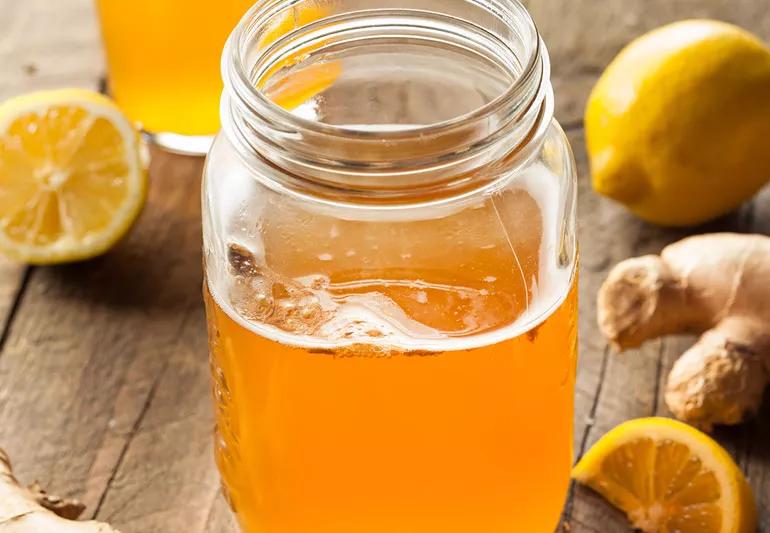
Kombucha has somehow managed to become both a health-store darling and a refrigerator mystery. It fizzes like soda, tastes like tea that wandered into a vinegar bar, and arrives with a reputation that ranges from “gut-friendly hero” to “hipster swamp potion.” The truth, as usual, is less dramatic and much more useful.
At its core, kombucha is a fermented tea. It is usually made with black or green tea, sugar, yeast, and bacteria. During fermentation, those microbes transform the sweet tea into a tangy, lightly sparkling drink with organic acids, tea compounds, and varying amounts of live microbes. That process is exactly why kombucha gets so much attention: it combines some of the natural compounds found in tea with the byproducts of fermentation.
Still, this is where the hype needs a leash. Kombucha is not a miracle drink, and it is not a shortcut to perfect health. The best evidence suggests it may offer some real benefits, especially when it replaces sugary beverages and fits into an overall healthy diet. But many claims made in marketing are much bigger than the research can currently support.
So, what is kombucha really, and what can it honestly do for you? Let’s pour a sensible glass and dig in.
What Is Kombucha, Exactly?
Kombucha is a sweetened tea that is fermented using a SCOBY, which stands for symbiotic culture of bacteria and yeast. If that sounds like a science project wearing a scarf, that is not entirely wrong. The SCOBY works by feeding on sugar and interacting with the tea over several days or weeks. The result is a drink that is tart, fizzy, and slightly funky in the best possible way.
The flavor depends on the tea used, fermentation time, and any added fruit or herbs. Some bottles taste almost like sparkling apple cider. Others lean harder into the vinegar lane and make your eyebrows briefly apply for a transfer. Nutrition also varies widely. One brand may be fairly light, while another sneaks in more sugar than you expected. Some products contain very small amounts of alcohol from fermentation, too, which is why reading the label matters.
Commercial kombucha is usually sold as a nonalcoholic beverage, but that does not mean it is identical to flavored sparkling water. Fermentation creates a more complex drink, and that complexity is where both the possible benefits and the possible downsides come from.
What Makes Kombucha Different from Regular Tea?
Regular tea already brings a respectable resume to the table. Green and black teas contain polyphenols and other antioxidant compounds that have been studied for their potential role in overall health. Kombucha begins with that tea base, then adds fermentation. That means the drink may also contain live microbes, organic acids, and new flavor compounds formed during brewing.
However, not every bottle offers the same experience. Some kombuchas are raw and unfiltered. Some are pasteurized. Some are heavily sweetened. Some contain fruit juice or adaptogens or enough trendy buzzwords to qualify as a side hustle. In other words, kombucha is not one perfectly standardized drink. It is a category.
That matters because when people say “kombucha is good for you,” the smarter version of that sentence is: “Some kombucha products may offer some benefits for some people, depending on what is in them and how much they drink.” Not as catchy, sure. But much more honest.
7 Benefits of Kombucha
1. It May Support Gut Health
This is kombucha’s headline act, and for good reason. Fermented foods can help support a healthier gut environment, and kombucha may contribute to that effect. Some products contain live microbes, and even when fermented foods are not proven probiotic powerhouses, they may still provide compounds that interact with the digestive system in useful ways.
What does that mean in practical terms? Some people notice that kombucha seems easier on their stomach than a sugary soda, and some report more regular digestion when they include fermented foods in their routine. That does not mean kombucha will solve chronic digestive problems. It simply means it may be one helpful piece of a gut-friendly eating pattern that also includes fiber-rich foods, fruits, vegetables, and enough water.
2. It Delivers Tea Polyphenols and Antioxidants
Kombucha starts with tea, and tea contains polyphenols, which are plant compounds with antioxidant activity. Antioxidants help protect cells from oxidative stress, which is one reason tea keeps getting invited back to the wellness party.
Fermentation may alter or even increase the availability of certain compounds, depending on how the kombucha is made. That has made researchers especially interested in kombucha’s potential antioxidant effects. In plain English, a well-made kombucha can offer more than bubbles and attitude. It can also deliver some of the same beneficial compounds that make tea a smart beverage choice in the first place.
3. It May Help with Post-Meal Blood Sugar Response
This benefit is promising, but it needs a giant asterisk shaped like a lab coat. Early human research suggests kombucha may help reduce blood sugar response after a high-carbohydrate meal, and a small pilot study in people with diabetes found lower fasting blood glucose after a period of kombucha intake. That is genuinely interesting.
But before anyone crowns kombucha king of blood sugar control, the research is still limited. The studies are small, and kombucha is not a substitute for medical treatment, prescribed medication, or a diabetes-friendly eating plan. The practical takeaway is this: if you like kombucha and choose a lower-sugar version, it may fit better into a blood-sugar-conscious routine than many sweet drinks. That is good news, just not magical news.
4. It Can Be a Smarter Swap Than Soda
Sometimes the biggest nutrition win is not what you add. It is what you replace. If kombucha takes the place of a daily sugar-loaded soda or oversized sweetened coffee drink, that switch alone may improve your overall beverage habits.
Many kombucha brands still contain sugar, so this is not an automatic health halo. But in the real world, a lower-sugar kombucha can be a satisfying alternative for people who want fizz, flavor, and a little ritual without diving face-first into a syrup bomb. It also tends to be sipped more slowly because of its tart flavor, which is probably the beverage equivalent of built-in portion control.
5. It May Offer Mild Antimicrobial Effects
Kombucha contains organic acids formed during fermentation, and these acids have attracted attention for their potential antimicrobial properties. In laboratory settings, kombucha has shown activity against certain harmful microbes. That does not mean your bottle is a disinfectant in yoga pants. It means the chemistry of fermentation may create compounds with useful biological activity.
For readers at home, the important part is not that kombucha “kills germs” in some dramatic action-movie way. It is that fermentation changes tea into a more complex beverage, and some of those changes may contribute to how it behaves in the body and in research settings.
6. It May Support Heart-Friendly Habits
The heart-health conversation around kombucha is still developing, but there are a few sensible reasons it appears in this category. First, tea itself has been studied for heart-related benefits. Second, when kombucha replaces more sugary drinks, that can support a better overall diet. Third, some early studies and reviews suggest possible favorable effects on cholesterol and metabolic health, though stronger human evidence is still needed.
So no, kombucha is not a secret cardiologist in a glass bottle. But yes, it can fit into a heart-conscious lifestyle, especially when paired with the boring-but-beautiful basics: sleep, movement, vegetables, fiber, and not treating fries as a personality trait.
7. It Fits into a Fermented-Food Pattern Linked to More Microbial Diversity
This may be the most important benefit of all because it shifts the conversation away from one trendy drink and toward a smarter eating pattern. Research on fermented foods suggests that regularly eating a range of fermented items may increase gut microbial diversity and help lower certain inflammatory markers.
Kombucha was included among the fermented foods in this research, but it was not acting alone. That is the point. The healthiest version of kombucha is not “drink this and everything changes.” It is “this can be one useful part of a bigger pattern that includes yogurt, kefir, kimchi, sauerkraut, fiber-rich foods, and an overall balanced diet.” Suddenly the story gets less flashy and more believable, which is usually where the best nutrition advice lives.
Potential Risks and Who Should Be Careful
Kombucha may be trendy, but it is not risk-free. Homemade kombucha can become contaminated if it is brewed under unsanitary conditions. Because the drink is acidic, it also should not be prepared or stored in containers that can leach harmful substances, such as lead-containing ceramics. That is not a charming rustic detail. That is a hard no.
There are also a few groups who should be especially cautious. People who are pregnant, breastfeeding, immunocompromised, very sensitive to caffeine, or avoiding alcohol may want to skip kombucha or discuss it with a healthcare professional first. Even commercial kombucha can contain trace alcohol and varying amounts of caffeine and sugar.
And then there is the quantity problem. More is not always better. Starting with a small serving makes sense, especially if you are new to fermented foods. Going from zero kombucha to “I drank the whole bottle because wellness” is a good way to meet bloating, stomach upset, or regret.
How to Choose a Better Kombucha
If you want the benefits without the nonsense, shop like a skeptical grown-up.
- Check the added sugar: Some bottles are much sweeter than others.
- Watch the serving size: A bottle may contain more than one serving.
- Know your caffeine tolerance: It is made from tea, so some caffeine is normal.
- Be mindful of alcohol: Traditional nonalcoholic kombucha is generally below 0.5% ABV, but fermentation can vary.
- Buy from trusted brands: Especially if you are new to kombucha.
- Start small: A modest pour is wiser than an enthusiastic chug.
If you find a low-sugar brand you enjoy, great. If every sip tastes like carbonated salad dressing and emotional conflict, that is fine too. No food earns sainthood just because it is fermented.
Is Kombucha Actually Worth Drinking?
Yes, for many people, kombucha can be worth drinking. But the reason is not that it performs health miracles. It is worth drinking because it can be a flavorful fermented beverage that may support gut and metabolic health, offers tea-derived antioxidants, and can help some people move away from more heavily sweetened drinks.
The key is expectations. Kombucha is best viewed as a supporting actor, not the main character. It works best when it joins a cast that already includes good sleep, regular movement, fiber, minimally processed foods, and common sense. Give it a sensible role, and it may earn its place in your fridge.
A 500-Word Reality Check: What the Kombucha Experience Is Actually Like
Reading about kombucha is one thing. Drinking it is another. The first experience usually lands in one of three camps: “Wow, I love this,” “Why does this taste like sparkling vinegar in a cardigan?” or “I am confused, but I will keep going.” All three are normal.
For many first-time drinkers, the surprise is not the fizz. It is the tang. Even flavored kombucha often carries that sharp fermented edge that announces itself immediately. If you are expecting juice, you may feel betrayed. If you are expecting something closer to dry cider or lightly sour tea, you will probably settle in much faster. That learning curve is part of the kombucha experience. People do not always love it at first sip, but many end up appreciating the complexity once they stop expecting sweetness to do all the heavy lifting.
Another common experience is drinking kombucha as a replacement habit. Plenty of people do not reach for it because they are chasing fermented-food glory. They reach for it because they want something cold, fizzy, and more interesting than water without stepping into full soda territory. In that context, kombucha often works best. It scratches the “I want a treat” itch while still feeling a bit more balanced than a standard soft drink.
Some people also notice that the ritual matters as much as the beverage itself. Pouring a small glass in the afternoon, pairing it with lunch, or using it as a social drink alternative can make healthy choices feel less like punishment and more like lifestyle. That may sound silly, but it is real. Nutrition is not only chemistry. It is habit, pleasure, convenience, and what you will actually keep doing on a random Tuesday.
Digestively, experiences vary. One person may feel totally fine and enjoy the lightness of a tart, fizzy drink. Another may notice bloating if they drink too much too quickly. That is why small servings make sense, especially at first. Kombucha tends to reward moderation. It is the kind of beverage that politely asks for a thoughtful relationship, not a dramatic weekend binge.
Then there is the brand-to-brand adventure. One kombucha can taste crisp and clean, another can be sweet and fruity, and a third can seem like it was brewed during a thunderstorm by philosophers. This is not your imagination. Different teas, fermentation times, sugars, and flavorings genuinely change the experience. People who think they hate kombucha sometimes just hate the first bottle they tried.
Over time, experienced drinkers often describe kombucha less as a cure-all and more as a useful staple. They may enjoy it with meals, during an afternoon slump, or instead of opening a second sugary drink. That is probably the healthiest mindset of all. Kombucha does not need to be a miracle to be helpful. Sometimes being a smarter, more interesting option is already enough. And honestly, in the crowded world of health trends, that kind of modest competence is refreshingly attractive.
Conclusion
Kombucha is a fermented tea with real potential and very real limits. The most defensible benefits include support for gut-friendly eating patterns, tea-based antioxidants, a possible role in blood sugar response, and its usefulness as a better-for-you swap when chosen carefully. The weakest version of kombucha is the overhyped one. The strongest version is the one that fits into a balanced lifestyle and is enjoyed in moderation.
If you like the taste, choose a lower-sugar brand, start with a small serving, and treat it as one helpful habit among many. If you do not like it, no wellness police officer is coming to confiscate your water bottle. Health is still possible without fermented fizz.