

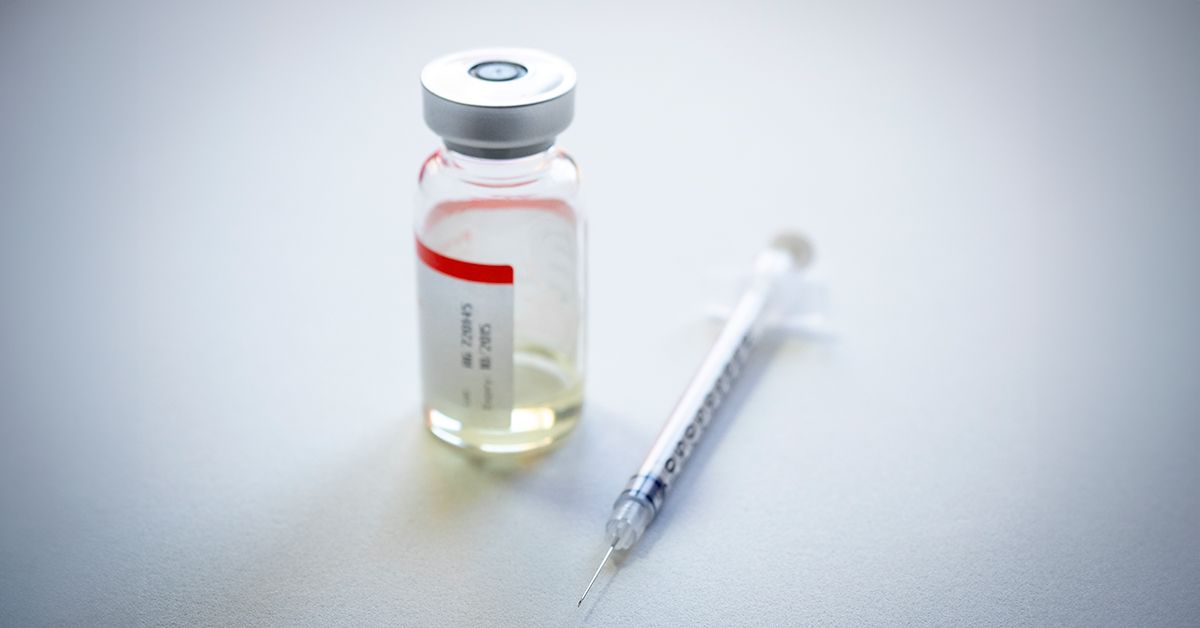
Ketamine has a reputation. In one corner, it’s a long-used anesthetic in hospitals. In another, it’s the headline-grabbing “rapid antidepressant” that can lift some people’s depression faster than the average pizza delivery. And in a third cornerbecause life is complicatedit’s also a drug with real risks, real rules, and real reasons to be cautious.
When you add bipolar disorder to the conversation, everything gets even trickier. Bipolar disorder isn’t just “depression with extra drama.” It’s a mood disorder defined by episodes of depression and episodes of mania or hypomania. That matters because any treatment that affects mood quickly can, in some people, push mood too far upward.
This article breaks down what we actually know (and what we don’t) about ketamine and bipolar disorderespecially bipolar depressioncovering the research, potential benefits, and the risks clinicians watch closely.
First: Why Bipolar Depression Is So Hard to Treat
Most people with bipolar disorder spend more time in depressive episodes than manic ones. The depression can be persistent, energy-draining, and stubbornly resistant to standard treatments. That’s one reason ketamine shows up in conversations: it’s associated with rapid symptom improvement in some patients with difficult-to-treat depression.
But bipolar depression isn’t identical to major depressive disorder (MDD). Treatments that work well for MDD can be hit-or-miss for bipolar depression. Classic antidepressants can sometimes trigger mania or hypomania in bipolar disorder, especially when used without a mood stabilizer. So any “fast-acting mood lifter” is automatically approached with extra caution.
What Is Ketamine, and How Is Esketamine Different?
Ketamine is an FDA-approved medication for anesthesia. In psychiatry, it’s often discussed for its off-label use in depression. “Off-label” means doctors may legally prescribe it for conditions that aren’t listed in the FDA-approved indicationbut the drug hasn’t been FDA-approved specifically for that mental health condition.
Esketamine is one “mirror-image” form of ketamine. The esketamine nasal spray brand Spravato is FDA-approved for certain depressive conditions in adults, and it comes with strict safety requirements (including observation in a certified healthcare setting). That’s a big distinction: esketamine has a regulated, monitored pathway; compounded or take-home ketamine products raise major safety and quality concerns.
Why the setting matters (a lot)
Ketamine-type treatments can cause short-term effects like sedation, dissociation (feeling detached or “not quite in your body”), and increases in blood pressure. Because of these risks, regulated esketamine treatment is tied to in-clinic monitoring requirements. In contrast, unsupervised or home use removes the safety netexactly the thing you want when a medication can temporarily change perception and coordination.
What the Research Says About Ketamine in Bipolar Depression
Let’s get specific. The strongest area of interest is bipolar depression, not mania. Researchers have explored whether ketamine can reduce depressive symptoms quickly in people with bipolar disorder, particularly those who haven’t responded to standard options.
1) Rapid antidepressant effects
Several small clinical studies (including well-known early trials) reported that a single, supervised ketamine administration could produce a rapid improvement in depressive symptoms in some people with bipolar depressionsometimes within hours or by the next day. This speed is a major reason ketamine is talked about so much: most psychiatric medications don’t work like that.
However, the “rapid” part is also where the catch lives. In many studies, benefits often fade over days to a week without additional treatment. So ketamine is best understood as a potential bridgea way to create breathing room while longer-term strategies (medication adjustments, therapy, sleep stabilization, and ongoing bipolar management) do their slower work.
2) Repeat treatment: promising, but still evolving
Real-world reports and smaller studies have explored repeated administrations over a short period. Some people maintain improvement with a structured course, while others don’t respond or can’t tolerate side effects. The research base is growing, but it’s still not the kind of large, long-term evidence clinicians prefer when making routine treatment decisionsespecially for a condition as complex as bipolar disorder.
3) What about suicidal thinking?
Ketamine has been studied for rapid reductions in suicidal thinking in depressed patients, including those with bipolar depression. This is an important and sensitive area. The key point is that ketamine is not a substitute for a safety plan, crisis support, or comprehensive treatment. If someone is in danger, the priority is immediate safety and professional helpnot a single medication, no matter how fast it can act.
If you’re struggling with suicidal thoughts: please tell a trusted adult immediately and seek urgent professional help. In the U.S., you can call or text 988 (Suicide & Crisis Lifeline). If you’re outside the U.S., your local emergency number or local crisis line is the right move.
Potential Benefits: Why People Are Interested
Ketamine’s appeal in bipolar depression comes down to a few potential advantagesnone of them magical, but some of them meaningful.
Fast symptom relief (for some people)
For patients with severe bipolar depression who haven’t responded to multiple treatments, rapid relief can be life-changing. Even partial improvementmore energy, less hopelessness, better sleep, improved ability to functioncan create momentum for recovery.
A different brain pathway than traditional antidepressants
Ketamine’s antidepressant effects are linked to the brain’s glutamate system and NMDA receptor activity, rather than the classic serotonin-only approach. Researchers are interested in how ketamine may influence synaptic plasticity (the brain’s ability to form and strengthen connections), which could help explain why its effects can show up quickly.
A window for therapy and stabilization
When depression is crushing, therapy can feel like being handed a book while you’re underwater. If ketamine reduces symptoms enough to get someone “above the surface,” it may make it easier to engage in therapy, rebuild routines, and fine-tune long-term treatment.
Risks and Concerns: The Stuff You Don’t Want to Learn the Hard Way
If ketamine were a kitchen appliance, it would be a pressure cooker: useful, powerful, and not something you casually leave unattended. Here are the major concerns clinicians take seriouslyespecially in bipolar disorder.
1) Mood switching: mania or hypomania
The bipolar-specific fear is a switch from depression into hypomania or mania. In published research, manic/hypomanic switching appears to be uncommon, but it has been reportedespecially in real-world settings and in complex cases where other medications (including antidepressants) are involved.
Because bipolar disorder is defined by mood instability, even a low switch risk matters. Clinicians try to reduce this risk by:
- Confirming the diagnosis (bipolar depression vs. unipolar depression)
- Stabilizing mood with appropriate long-term bipolar medications
- Monitoring closely for early signs of hypomania/mania (sleep reduction, racing thoughts, impulsivity, unusually elevated mood)
2) Dissociation and perception changes
Dissociation can feel like being slightly “separated” from your body or surroundings, like your brain briefly switched to airplane mode. Some people find it tolerable or even neutral; others find it unsettling. Either way, it’s one reason supervised settings matter.
3) Blood pressure and physical side effects
Ketamine-type treatments can cause temporary increases in blood pressure and heart rate, plus side effects like nausea, dizziness, sleepiness, headache, and blurred vision. People with certain cardiovascular risks may need extra evaluation or may not be good candidates.
4) Abuse potential and dependence risk
Ketamine is a controlled substance because it has abuse potential. Medical use in a monitored setting is very different from misuse, which can lead to serious harmincluding cognitive problems and urinary tract/bladder issues with heavy or chronic non-medical use. This is also why regulators have warned about compounded or unsupervised ketamine products marketed for psychiatric conditions.
5) The big unknown: long-term safety for bipolar disorder
Even when short-term studies look encouraging, long-term data is limitedespecially for bipolar disorder. That means clinicians are balancing potential short-term benefit against uncertainty about sustained outcomes, repeat exposure, and how ketamine fits into decades-long bipolar care.
How Ketamine Might Work (Without the Neuroscience PhD)
Ketamine is associated with changes in the brain’s glutamate signaling, involving NMDA receptors and downstream pathways tied to synaptic growth and connectivity. The simplified idea is this:
- Traditional antidepressants often work slowly and largely target monoamines (serotonin, norepinephrine, dopamine).
- Ketamine affects glutamate activity in ways that may boost synaptic connectivity and plasticity more rapidly.
Researchers are still refining the story, and it’s likely not one single mechanism. But the key clinical takeaway is that ketamine is not just “another antidepressant.” It’s a different approachwhich can be a benefit, but also a reason for extra caution and monitoring.
Where Ketamine Fits in Bipolar Disorder Care
Ketamine is generally not considered a first-line treatment for bipolar depression. More established options often come first (and for good reasons): they have larger evidence bases, clearer long-term safety data, and well-defined dosing strategies for bipolar disorder.
Ketamine tends to be discussed when:
- Depression is severe and persistent despite multiple adequate treatment attempts
- Symptoms are urgent and rapid relief is clinically important
- A specialist believes the potential benefit outweighs the risks for that specific patient
Even then, it’s usually viewed as an add-on strategy torather than a replacement forcomprehensive bipolar disorder management (mood stabilization, sleep regularity, psychotherapy, substance-use screening, and long-term follow-up).
Practical Questions to Ask a Clinician (Bipolar-Specific Edition)
If ketamine or esketamine comes up in a treatment conversation, these questions keep it grounded in safety and bipolar reality:
- How confident are we that this is bipolar depression (not unipolar depression, mixed features, or something else)?
- What’s my personal risk of switching into hypomania/mania based on my history?
- What monitoring will happen during and after treatment to catch mood changes early?
- How will this fit with my mood stabilizer plan and ongoing bipolar maintenance?
- What’s the plan if symptoms return after a short-lived improvement?
- What side effects should trigger a same-day call versus “mention it next appointment”?
In bipolar disorder, “fast” is never the only goal. The goal is fast without reckless, and relief without trading depression for mania.
Conclusion: A Balanced Take
Ketamine’s role in bipolar disorderespecially bipolar depressionis one of the most talked-about developments in modern mood disorder treatment for a reason: it can act quickly, and some people feel noticeably better when other treatments haven’t worked.
But bipolar disorder changes the risk equation. The possibility of mood switching, the need for careful diagnosis, the importance of monitoring, and the limited long-term evidence mean ketamine should be treated less like a trendy shortcut and more like what it actually is: a powerful tool that requires expert handling.
If you or someone you care about has bipolar disorder and is considering ketamine or esketamine, the safest path is a specialist-led plan that prioritizes accurate diagnosis, mood stabilization, and structured follow-upbecause the best outcome isn’t just “feeling better tomorrow.” It’s staying well.
Experiences: What People Often Report (and What They Wish They’d Known)
The most common thing you hear from people who respond well to ketamine for bipolar depression is some version of: “I didn’t expect it to work that fast.” When depression has been glued to your back for months, speed can feel almost suspiciouslike your brain is waiting for the prank reveal. Some patients describe the shift as a lifting of heaviness, a return of mental “space,” or a loosening of the rigid, repetitive negative thoughts that made everything feel permanent.
Clinicians often notice something similar in practical terms: a patient who couldn’t get out of bed starts showering again; someone who couldn’t focus long enough to answer messages can suddenly tolerate a therapy session; a person whose appetite and sleep were chaotic begins to stabilize. These changes can be subtle, but meaningful. In bipolar depression, “meaningful” sometimes looks like texting a friend back, eating an actual meal, or taking a short walk without feeling like gravity doubled overnight.
But the experience isn’t always comfortable. Dissociation can be weird. Some people describe it as feeling floaty, dreamy, or like watching a movie of their own thoughts. Others find it unsettlingespecially if they already have anxiety or fear losing control. That’s one reason supervised care matters: it’s not just about vital signs; it’s about having trained support when perception changes.
A big “wish I’d known” theme is that ketamine is rarely a standalone cure. Many patients report a burst of relief followed by the realization that the rest of the recovery plan still matters: consistent sleep, medication adherence, therapy work, and avoiding substances that destabilize mood. People who do best often treat the improvement like an opportunityan opening to rebuild routines, repair relationships, and tackle the boring-but-powerful basics of bipolar management.
Another recurring experience in bipolar disorder is heightened sensitivity to early warning signs of mood shifts. Some patients become more vigilant about sleep changes, impulsive urges, or a sudden “too good” feelingbecause they’ve lived through what hypomania or mania can do to finances, relationships, and health. When ketamine is part of the picture, clinicians may encourage structured check-ins and mood tracking so that any upward swing is caught early, while it’s still manageable.
Finally, there’s the emotional side: some people report feeling hopeful againsometimes for the first time in a long time. Hope can be an underrated clinical outcome. But it can also be fragile if expectations are unrealistic. The healthiest stories tend to come from people who treated ketamine as a tool, not a miracle: “It helped me breathe again, and then I did the work to keep breathing.” In bipolar disorder, that combinationrelief plus a long-term planis where the best outcomes usually live.