

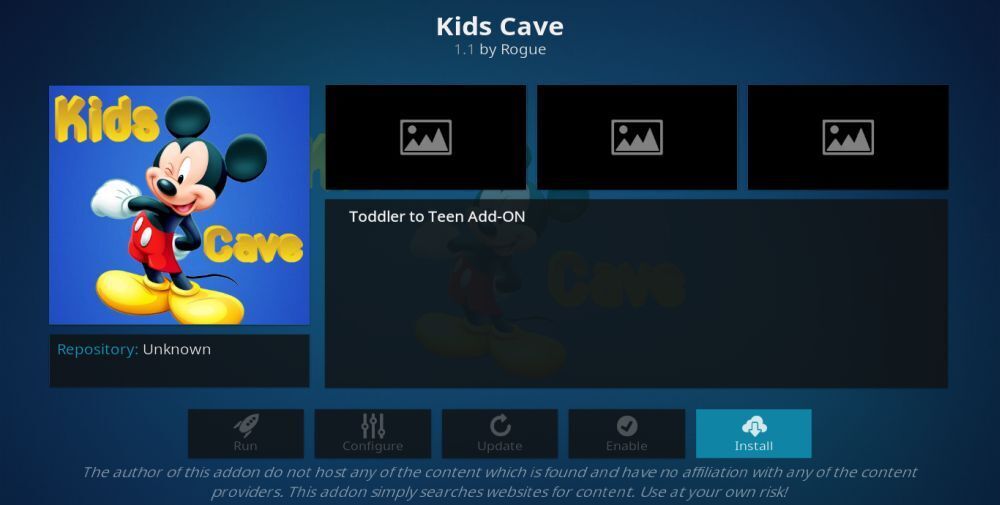
Note: This article is written for safe, legal, family-friendly Kodi use. Kids Cave has been discussed online as a third-party Kodi add-on, but because unofficial streaming add-ons can change, disappear, or point to unauthorized sources, this guide focuses on what parents should know, safer alternatives, and practical viewing tips rather than repository URLs or questionable installation steps.
Introduction: A “Kids Cave” Sounds CozyBut Parents Need a Flashlight
The phrase Kids Cave Kodi Addon sounds like the dream setup for a family living room: cartoons in one place, children’s movies neatly organized, and no frantic search through ten apps while a six-year-old negotiates like a tiny entertainment lawyer. Kodi can absolutely be part of a kid-friendly media setup. It is flexible, lightweight, and great for organizing local movies, educational videos, family photos, music, and legal streaming add-ons.
But there is a catch, and it is not a small one. Kodi itself is legal media center software. The risk usually comes from unofficial third-party add-ons that claim to offer free access to popular children’s TV shows, blockbuster animated movies, or premium channels without clear licensing. That is where parents should slow down, read carefully, and ask: “Is this safe? Is it legal? Is it still maintained? And do I really want my child clicking around in an add-on I have not verified?”
This guide explains what the Kids Cave Kodi Addon was known for, why family users searched for it, what risks come with unofficial Kodi add-ons, and how to build a safer Kodi experience for children. Think of it as a family media room checklistwith fewer mystery links and more peace of mind.
What Is the Kids Cave Kodi Addon?
Kids Cave Kodi Addon is commonly described in older Kodi-related guides as a family-focused third-party add-on designed to collect children’s TV shows, animated movies, cartoons, audiobooks, and kid-oriented entertainment inside Kodi. The idea was simple: instead of hopping between platforms, parents could open Kodi and find a child-friendly menu with content grouped for younger viewers.
That concept explains why searches for “Kids Cave Kodi Addon,” “children’s TV shows on Kodi,” and “Kodi kids movies” became popular. Parents like convenience. Kids like colorful menus. Everyone likes fewer remote-control battles. However, the problem is that many third-party Kodi add-ons are not part of the official Kodi repository. They may stop working without warning, rely on sources that are not clearly licensed, or become unsafe if abandoned and later modified by someone else.
For a family setup, that uncertainty matters. A streaming add-on aimed at children should meet a higher standard than “it works today.” Parents should look for transparency, official sources, regular updates, age-appropriate categories, and strong control over what children can access.
Is Kodi Legal for Children’s Movies and TV Shows?
Kodi is legal. It is an open-source media center used to play and organize media. Families can use Kodi to watch home videos, DVDs they legally own, personal media libraries, public-domain content, educational videos, and official add-ons from trusted sources.
The legal concern begins when an add-on offers copyrighted movies, TV shows, or subscription content without permission from the rights holder. Many unofficial add-ons have promised free access to popular cartoons, Disney-style movie libraries, cable channels, or newly released films. That may sound exciting, but it can create copyright, privacy, and security problems.
A good rule for parents is simple: if an add-on claims to provide premium children’s movies or current TV shows for free without a known legal provider, be skeptical. “Free” is not automatically illegal, but free content needs a legitimate source. PBS Kids, public broadcasters, educational platforms, public-domain libraries, and official YouTube channels are very different from mystery scrapers pulling streams from unknown websites.
Why Parents Look for Kids Add-ons on Kodi
Parents usually search for a kids Kodi addon for practical reasons. They want a cleaner interface, fewer ads, fewer unsuitable recommendations, and quick access to age-appropriate shows. Kodi can be useful because it allows a household to organize content by folder, profile, library, playlist, or add-on.
Convenience for Family Movie Night
Instead of opening five streaming apps and discovering that every child wants something different, a Kodi setup can group approved content into one place. Parents can create a “Kids Movies” library, a “Learning Shows” folder, or a “Saturday Morning Cartoons” playlist. This is especially handy for families with local media collections.
Less Clutter Than Standard Streaming Apps
Major streaming platforms often push trending shows, autoplay trailers, and recommendations that may not match a child’s age. Kodi can be customized to feel calmer. A simplified skin, a kids profile, and a small set of approved sources can make the screen easier for children to navigate.
Better Control Over Local Content
If you already own children’s movies, educational videos, or family recordings, Kodi is excellent for organizing them. You can add artwork, descriptions, folders, and categories. For families who prefer owning media rather than relying entirely on subscriptions, Kodi can feel like a digital bookshelf.
The Big Safety Question: Should You Use Kids Cave Today?
For most families, the safest answer is: treat Kids Cave as an old third-party add-on name, not as a must-have tool. If an add-on is not available through Kodi’s official repository, has unclear sources, or depends on a repository that appears outdated, it is better to avoid it.
Children’s entertainment should not require parents to gamble with unknown repositories, suspicious zip files, broken links, or streams that may come from unauthorized sources. A child-friendly media setup should be boring in the best possible way: stable, legal, predictable, and easy to supervise. In parenting, “boring and safe” often wins. It may not sound glamorous, but neither does spending Saturday night repairing a streaming box while your child asks, “Is it fixed yet?” every 18 seconds.
Safer Alternatives to Kids Cave Kodi Addon
If your goal is to watch children’s TV shows and movies on Kodi, safer options exist. Availability changes by region and Kodi version, so parents should always verify current compatibility before installing anything.
1. Official Kodi Repository Add-ons
The official Kodi repository is the best starting point. It contains add-ons reviewed for inclusion in Kodi’s ecosystem. For kids, examples may include educational and public-broadcasting add-ons such as PBS Kids or TV Ontario Kids, depending on current availability and regional access. These options are generally safer than random third-party repositories because they are easier to verify and update.
2. Local Media Library
The safest “add-on” is often no add-on at all. Parents can add legally owned movies, ripped home DVDs where permitted, educational videos, and family clips to Kodi’s library. Then create categories such as “Preschool,” “Elementary,” “Science,” “Bedtime,” or “Family Movie Night.” This approach gives parents maximum control over what appears on screen.
3. YouTube Through Official or Trusted Routes
Many children’s educators, museums, science channels, and public broadcasters publish free videos on YouTube. Kodi users sometimes access YouTube content through add-ons, but parents should still supervise because YouTube recommendations and comments can lead children away from the original video. A curated playlist is safer than open-ended browsing.
4. Public-Domain and Educational Content
Classic cartoons, older educational films, museum videos, nature documentaries, and public-domain media can be great additions to a Kodi kids library. The advantage is that parents can review the content first. The disadvantage is that not every “classic cartoon” aged gracefully, so previewing matters.
How to Build a Kid-Friendly Kodi Setup
Instead of chasing one add-on, create a safe Kodi environment. A good setup should answer three questions: What can my child access? Can they leave the kids area? Can I maintain the system easily?
Create a Separate Kids Profile
Kodi supports profiles, which can help separate adult libraries from children’s libraries. A kids profile can show only approved folders and add-ons. This is useful if parents also use Kodi for documentaries, sports, music, or movies that are not suitable for younger viewers.
Use Master Lock and PIN Protection
Kodi’s lock features can help restrict access to settings, file sources, and profiles. Parents can use a PIN to prevent children from changing sources, installing add-ons, or wandering into areas they should not access. A PIN is not a babysitter, but it is a very helpful digital fence.
Simplify the Interface
Choose a clean Kodi skin with large menu items and remove unnecessary categories. Children do not need twenty menu options. A simple menu with “Shows,” “Movies,” “Learning,” and “Music” is easier and safer. Fewer choices can also reduce the famous “I don’t know what to watch” spiral.
Turn Off Unknown Sources Unless Needed
For a child-friendly Kodi box, unknown sources should generally stay off. Installing from unknown sources increases the chance of adding outdated, unsafe, or legally questionable software. If you do enable it for a legitimate reason, turn it off again afterward.
Keep Kodi and Add-ons Updated
Updates are not just about new features. They can fix bugs and security issues. Keep Kodi current, remove abandoned add-ons, and avoid repositories that have not been maintained for a long time. A forgotten add-on can become a weak spot in an otherwise safe setup.
Content Quality: What Makes a Good Children’s Kodi Library?
A strong children’s Kodi library is not only about having lots of content. In fact, too much content can overwhelm kids. Quality matters more than quantity.
Age-Appropriate Categories
Separate content by age group. Preschool shows should not sit beside teen superhero movies. Create categories such as “Ages 3–5,” “Ages 6–8,” “Science and Nature,” “Calm Bedtime,” and “Family Approved Movies.” This makes Kodi easier to navigate and reduces arguments.
Educational Value
Look for shows that encourage curiosity, problem-solving, kindness, language skills, music, or basic science. A good kids media setup should not feel like homework, but it can still teach something. Dinosaurs, space, animals, cooking, crafts, and music are usually winners.
Preview Before Adding
Parents should preview content before adding it to a kids profile. Even shows labeled “for kids” can include jokes, themes, ads, or scenes that do not match your family’s standards. Previewing takes time, but it prevents awkward surprises later.
Security Risks of Unofficial Kids Add-ons
Unofficial Kodi add-ons can pose several risks. Some may be harmless hobby projects. Others may be outdated, poorly maintained, or connected to unreliable sources. The problem is that parents cannot always tell the difference at first glance.
Malware and Suspicious Code
Third-party repositories do not always receive the same level of review as official sources. A repository can change hands, become abandoned, or be altered. That creates a risk that software updates could introduce unwanted behavior.
Privacy Concerns
Some unofficial streaming tools connect to unknown servers. Parents may not know what data is being exposed, logged, or redirected. When children are using the device, privacy standards should be even stricter.
Broken Streams and Frustration
Even if an unofficial add-on works today, it may fail tomorrow. Links break. Sources vanish. Repositories go offline. For adults, that is annoying. For children, it can feel like a national emergency involving snacks.
Practical Parent Checklist Before Using Any Kodi Kids Addon
Before adding a child-focused Kodi add-on, ask the following questions:
- Is the add-on available from the official Kodi repository?
- Does it clearly identify the source of its videos?
- Does the content appear legally licensed or officially published?
- Is the add-on still maintained?
- Does it avoid adult categories, random search results, and unmoderated sources?
- Can it be restricted inside a kids profile?
- Would I be comfortable letting my child use it while I am in the room?
If the answer to several of these questions is “I have no idea,” skip the add-on. Family streaming should not require detective work.
Best Use Cases for Kodi in a Family Home
Kodi works best for families when it is used as a controlled media hub, not as a treasure map for random free streams. Here are some smart examples:
Family Movie Night Library
Create a folder of approved movies and let children choose from that list. Add posters and descriptions so it feels like a mini streaming service.
Learning Corner
Add videos about animals, space, art, music, geography, and science. This turns Kodi into a rainy-day learning station without making it feel like school.
Bedtime Wind-Down Playlist
Create a short playlist of calm stories, music, or gentle shows. Avoid autoplay marathons. The goal is winding down, not accidentally starting a three-hour cartoon festival.
Travel Media Box
For road trips or visits to relatives, a small Kodi device with approved local videos can be useful. Because the content is already stored and organized, parents do not need to rely on hotel Wi-Fi or random streaming apps.
Common Mistakes Parents Should Avoid
The biggest mistake is assuming that a “kids” label guarantees safety. It does not. A kids category can still include unlicensed content, poor-quality links, strange thumbnails, or material that is not appropriate for your child.
Another mistake is installing too many add-ons. More add-ons mean more maintenance, more updates, more menus, and more things that can break. Start small. Use trusted sources. Remove anything you do not use.
Finally, do not rely only on technology. Parental controls help, but conversation matters. Explain viewing rules to children: what they can watch, when they can watch, and why some content is off-limits. A calm explanation works better than a mysterious locked screen that turns you into the villain of the living room.
Experience Notes: What It Is Really Like Using Kodi for Kids
In real family use, Kodi can be wonderfulbut only when parents set it up with patience. The best experience usually comes from treating Kodi like a custom family library rather than a magic app that finds everything. The first evening may involve organizing folders, checking artwork, testing playback, and explaining to your child that “buffering” is not a cartoon character. After that, the setup becomes much smoother.
One helpful approach is to build the children’s section slowly. Start with ten to twenty approved videos instead of hundreds. Kids often rewatch favorites anyway, and a smaller library makes choices easier. A preschooler does not need a giant catalog; they need the same dinosaur episode they watched yesterday, plus maybe one new option so parents can pretend variety still exists.
For older children, Kodi works well when paired with themed playlists. A “Space Week” playlist might include planet videos, astronaut clips, and a family movie about exploration. A “Nature Day” playlist can include animals, oceans, forests, and weather. This makes screen time feel more intentional. Instead of asking, “What random thing should we watch?” the family can choose a theme.
Another real-world tip: use Kodi profiles seriously. A separate kids profile reduces accidents. Without profiles, a child may open the wrong library, change settings, or click into an add-on meant for adults. With profiles and a simple menu, Kodi becomes much more predictable. Parents can also keep the main profile for their own movies, music, and advanced settings.
Remote control design matters too. Some Kodi remotes have too many buttons. For younger children, a simple remote or app interface is better. If the child only needs up, down, select, back, and pause, do not hand them a command center built for launching satellites. Simplicity prevents frustration and accidental setting changes.
Families should also plan for maintenance. Once a month, check that Kodi is updated, remove unused add-ons, test favorite videos, and make sure the kids profile still behaves correctly. This small routine prevents the dreaded movie-night surprise where nothing works and everyone suddenly remembers DVDs with nostalgia.
The most successful Kodi kids setups are not the flashiest. They are the ones where parents know every source, children understand the rules, and the content library reflects the family’s values. Kids Cave may be the search term that brings many parents to the topic, but the better long-term solution is a safe, legal, organized Kodi environment that does not depend on questionable third-party streams.
In short, Kodi can be a terrific family tool when used thoughtfully. It can turn a messy pile of videos into a clean media library, help parents curate educational content, and make movie night easier. Just remember: the goal is not to collect every children’s show ever made. The goal is to create a viewing space that is safe, enjoyable, and easy to manage. That is the real kids caveand no suspicious repository required.
Conclusion: Kids Cave Is a Search Term, but Safety Is the Real Feature
The Kids Cave Kodi Addon became popular because it promised something parents genuinely want: easy access to children’s TV shows and movies inside Kodi. The idea is appealing, but modern families should be careful with unofficial add-ons, especially when kids are involved. If an add-on is old, unverified, or unclear about content sources, it is better to choose safer options.
Use Kodi as a family media center with official add-ons, legal content, local libraries, kids profiles, PIN protection, and simple menus. That approach may sound less exciting than a mystery add-on with a giant catalog, but it is more reliable, more secure, and much better for long-term family use.
At its best, Kodi can make children’s entertainment feel organized, calm, and parent-approved. At its worst, unofficial add-ons can create legal, privacy, and security headaches. Choose the first path. Your living roomand your Wi-Fi routerwill thank you.