

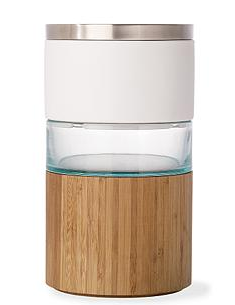
A stacking storage jar is one of those kitchen objects that looks almost suspiciously simple. It is a container. It has a lid. Another container sits on top. No app, charging cable, or twelve-step setup process is involved. Yet this modest design can solve several familiar kitchen problems at once: crowded shelves, half-empty packages, mystery ingredients, and the avalanche that occurs when someone removes the wrong bag of rice.
The classic stacking storage tower featured by Remodelista was especially memorable because it combined porcelain, stainless steel, glass, and bamboo in one compact system. That mixed-material approach turned an ordinary organizer into a small piece of functional design. Modern stacking jars follow the same basic idea: use vertical space, keep essentials close at hand, and make storage attractive enough to leave on display.
Whether you need a home for coffee beans, pasta, flour, tea, nuts, snacks, or baking supplies, the right stackable kitchen jars can make a pantry easier to use. The trick is choosing containers that fit your habits rather than buying a beautiful tower that becomes a decorative monument to stale lentils.
Why a Stacking Storage Jar Works So Well
Most cabinets have more vertical room than their contents use. A short bag of brown sugar may occupy a shelf with ten inches of empty air above it. Stacking storage jars turn that wasted height into usable space by allowing multiple containers to share one footprint.
This is particularly helpful in apartments, galley kitchens, shallow cabinets, and homes without a dedicated pantry. Instead of spreading three jars across a shelf, you may be able to arrange them in a single column. The counter looks calmer, ingredients are easier to locate, and cereal boxes no longer have to lean against one another like exhausted commuters.
Stackable jars also support visual organization. Clear glass or transparent plastic lets you see what is running low before grocery day. Coordinated shapes make a shelf look orderly even when the contents range from elegant loose-leaf tea to neon cheese crackers.
What Makes a Good Stacking Storage Jar?
A Stable Stacking Surface
The most important feature is not the color, label font, or social-media popularity. It is stability. The base of each jar should sit securely in a recessed lid, raised rim, or shaped platform on the container below it. Flat jars placed on flat lids may technically stack, but they can slide when bumped or opened.
Look for a system in which the pieces align without wobbling. If the stack feels uncertain while empty, it will not become more trustworthy after you fill the upper jar with two pounds of sugar.
An Effective Seal
A tight seal helps protect dry goods from humidity, pantry odors, spills, and insects. Silicone gaskets, clamping lids, threaded caps, and push-button mechanisms can all work well when properly fitted.
However, the word “airtight” is frequently used as a broad marketing description. Inspect how the lid actually closes. A decorative bamboo cap resting loosely on glass may be fine for individually wrapped snacks, but it may not be the best choice for coffee, crackers, or brown sugar.
Also remember that an airtight pantry jar is not automatically a canning jar, vacuum vessel, freezer container, or leakproof lunch box. Those are different jobs requiring different construction standards.
Easy Access
A jar can save space and still be annoying. Consider whether you must remove every upper container to reach the bottom one. Some modular towers separate easily, while others turn a small snack request into a kitchen engineering project.
Wide openings are useful for flour, cereal, rice, and ingredients measured with a scoop. Narrower jars may work well for spaghetti, tea, spices, or pourable grains. If your hand cannot fit through the opening, cleaning the last dusting of cocoa powder may test both your patience and your vocabulary.
Useful Capacity
Choose jar sizes based on the packages you actually buy. A container may look generous in a product photo but fail to hold a full bag of flour. That leaves you with a lovely jar plus a wrinkled package containing the final cupstorage’s version of unfinished business.
Measure cabinet height and shelf depth before shopping. Remember to include the lid, stacking lip, and clearance needed to lift the jar out. Capacity should also be stated by volume, not only by exterior dimensions.
Comparing the Best Materials
Glass
Glass storage jars offer excellent visibility and resist stains and lingering food odors. They work especially well for coffee beans, pasta, cookies, rice, grains, and colorful ingredients that double as kitchen decor.
The trade-offs are weight and breakability. A tall stack of heavy glass jars should remain on a sturdy, easily reached shelf rather than above eye level. Households with children may prefer glass on upper shelves and lighter containers in accessible areas.
Food-Grade Plastic
Plastic containers are lightweight, practical, and generally easier to handle in deep cabinets. Square and rectangular designs often use shelf space efficiently, and many modern systems offer standardized lids across several sizes.
Buy containers intended for food contact and follow the manufacturer’s instructions concerning dishwashers, microwaves, freezers, and hot ingredients. Replace pieces that become badly scratched, warped, cracked, or unable to seal properly.
Stainless Steel
Stainless steel is durable, light-blocking, and visually clean. It is a useful choice for tea, coffee, spices, and ingredients that benefit from protection from light. Unlike clear jars, however, steel containers hide their contents, so labels become essential.
Some metal jars include clear windows or transparent lids. These offer a compromise between protection and visibility, although seams and windows create additional areas to inspect during cleaning.
Ceramic and Porcelain
Ceramic and porcelain jars can make everyday ingredients feel intentionally displayed rather than temporarily abandoned on the counter. They suit salt, sugar, tea, coffee, and small baking supplies particularly well.
Because opaque walls conceal the contents, use labels or assign consistent ingredients to each jar. Check for chips around the rim and confirm that the glaze and interior are intended for food storage.
Bamboo and Wood
Bamboo and wood commonly appear in lids, stacking trays, and decorative bases. They add warmth to glass, porcelain, and stainless-steel systems. They also require gentler care than the jar itself.
Unless the manufacturer says otherwise, wooden components should be wiped or hand-washed rather than soaked. Allow them to dry fully before replacing the lid. Trapped moisture beneath a seal is not rustic charm; it is a maintenance problem wearing a nice outfit.
What Should You Store in Stackable Kitchen Jars?
Stacking jars are best suited to dry, shelf-stable ingredients that you use often. Good candidates include:
- Rice, quinoa, oats, and other grains
- Pasta, noodles, and dried beans
- Flour, sugar, cocoa, and baking ingredients
- Coffee beans, tea bags, and loose-leaf tea
- Nuts, seeds, dried fruit, and trail mix
- Crackers, cookies, cereal, and small snacks
- Spices, seasoning blends, and dried herbs
Foods sold in intact sealed packaging can often remain in their original containers. Decanting is most useful when the original package is flimsy, difficult to reseal, vulnerable to spills, or too awkward for the available shelf.
Not everything needs a matching jar. If your household cooks an entire box of pasta at once, transferring it may add work without providing much benefit. Begin with ingredients that spill frequently, become stale quickly after opening, or are purchased in bulk.
Avoid placing moist or warm food into a dry-goods jar. The container and ingredient should both be completely dry. Refrigerated leftovers require containers specifically designed for cold storage, sealing, and repeated washing.
How to Organize Stackable Jars Efficiently
Create Practical Zones
Group jars according to how you cook. Keep baking ingredients together, breakfast foods in another zone, and coffee or tea supplies near the equipment used to prepare them. A beautiful arrangement is less useful when the sugar lives across the kitchen from the coffee maker for purely artistic reasons.
Frequently used ingredients should occupy the easiest positions. In a three-piece tower, place the everyday item on top and the occasional item at the bottom. Heavy jars belong lower in the stack whenever the design allows.
Label More Than the Ingredient Name
A good label identifies the contents, but a great label may also record the purchase date, best-by date, cooking time, allergen information, or important package instructions. This is especially helpful when two white powders have dramatically different effects on a pancake recipe.
Before discarding the original package, photograph or save preparation instructions and nutritional information that you may need later. For household members with food allergies, never rely solely on visual identification.
Use the Oldest Product First
Do not pour a fresh bag directly over an unidentified layer of older food. Empty and inspect the jar first, clean it when necessary, and place the older product where it will be used before the new supply. This simple rotation habit reduces forgotten ingredients and prevents crumbs from achieving archaeological status.
Cleaning and Maintaining Storage Jars
Wash new food-storage jars before their first use. Consult the care instructions because a dishwasher-safe glass body may be paired with a hand-wash-only lid, gasket, valve, or wooden component.
Remove silicone seals periodically and clean the grooves where flour dust, oil, and crumbs can collect. Allow every component to dry completely before reassembly. Even a small amount of moisture can cause clumping or encourage mold in dry ingredients.
Inspect the jars during refilling. Look for chipped glass, cracked plastic, warped lids, rust, damaged gaskets, or loose stacking rims. A container that no longer closes or balances securely should be repaired, repurposed for nonfood items, or replaced.
When a pantry infestation is discovered, discard affected food and clean shelves, corners, and crevices thoroughly. Inspect nearby packages rather than assuming the problem is limited to one jar. Airtight containers can help isolate susceptible foods, but they cannot reverse contamination that arrived inside a newly purchased package.
Styling Stacking Jars on a Counter or Open Shelf
Storage jars can become part of the kitchen’s visual design when their placement looks deliberate. Choose a limited family of materials, such as clear glass with wood lids, white ceramic with stainless-steel accents, or transparent containers with simple black labels.
You do not need every container to be identical. Coordinating the lid material, label style, or general shape can create unity while allowing different capacities. A tall jar for pasta beside two shorter jars for grains often looks more natural than a rigid lineup of containers chosen only because they came in one enormous set.
Place countertop jars on a tray or board to visually group them and make cleaning easier. Keep oils, coffee, tea, and ingredients affected by heat away from sunny windows and hot appliances. The area next to the stove may be convenient, but it can also expose containers to steam, grease, and temperature changes.
Common Mistakes to Avoid
- Overstacking: Do not build higher than the manufacturer recommends or higher than you can safely lift.
- Ignoring shelf strength: Multiple glass jars filled with flour, rice, and sugar become surprisingly heavy.
- Assuming every lid is airtight: Test the closure and use delicate foods in the most secure containers.
- Decanting without labels: Ingredient names, dates, and directions should move with the food.
- Refilling dirty jars: Old crumbs, residue, and moisture should not become permanent residents.
- Choosing appearance over access: A gorgeous tower that must be dismantled six times a day will eventually inspire mutiny.
- Using pantry jars for canning: Decorative storage and heat-processed food preservation require different equipment.
Is a Stacking Storage Jar Worth Buying?
A stacking storage jar is worthwhile when your kitchen has limited horizontal space, you buy dry ingredients in repeatable quantities, and you value quick visual inventory. It is less useful when shelves are too short, ingredients are rarely decanted, or every item is stored in a different quantity and package shape.
The best system is not necessarily the largest matching set. Start with two or three containers for foods that create the most clutter. Use them for several weeks, observe how often they are opened, and expand only when the system proves convenient.
A well-chosen stack should make the kitchen easier to operate, not merely more photogenic. When function and appearance cooperate, the jars become part organizer, part decor, and part quiet defense against the bag of flour that never closes properly.
Practical Experience: What Living With Stacking Storage Jars Is Really Like
The first noticeable benefit is usually not extra capacity but reduced visual noise. A shelf holding crumpled bags, torn cardboard boxes, clips, rubber bands, and one package secured with heroic optimism can look crowded even when it is only half full. Moving the most-used ingredients into coordinated jars immediately makes the same space feel calmer.
During the first few days, clear containers make grocery planning easier. You can see the level of oats or rice without lifting a box and shaking it beside your ear like a maraca. This is especially useful for ingredients used several times a week. The household becomes less likely to buy a third bag of sugar while somehow remaining completely out of coffee.
The stacking feature is most valuable in cabinets with generous height but limited width. Two or three short jars can occupy the same shelf footprint as one container. The improvement is less dramatic in cabinets with closely spaced shelves, which is why measuring beforehand matters. A tower that is half an inch too tall does not save space; it becomes a countertop refugee.
Daily convenience depends heavily on the order of the stack. When frequently used coffee or snacks sit at the bottom, removing the upper jars becomes irritating surprisingly quickly. Reorganizing by frequency usually solves the problem. The top jar should hold the ingredient reached for most often, while the base should contain something heavier or less frequently used.
Wide-mouth jars tend to feel more practical over time. They accommodate scoops, measuring cups, and cleaning brushes, and they allow the last portion to be removed without turning the container upside down. Narrow jars are attractive for pasta or pourable ingredients but can become difficult when food settles tightly at the bottom.
Another lesson is that matching containers do not require matching contents. A small stack might hold tea bags, coffee filters, and sweetener rather than three loose ingredients. In a baking area, one jar can store measuring spoons or unopened packets. Flexible use often creates a better system than forcing every ingredient to participate in a magazine-style pantry makeover.
Cleaning habits also become more important. Transparent jars expose fingerprints, flour dust, and coffee residue with impressive honesty. Glass bodies are generally easy to wash, but gaskets and stacking rims need additional attention. Wooden lids look warm and refined, although they require complete drying and should not be casually abandoned in a sink full of water.
Labels may initially seem unnecessary when the contents are obvious. That confidence usually lasts until the pantry contains bread flour, all-purpose flour, cake flour, powdered sugar, cornstarch, and one pale substance nobody remembers buying. Small removable labels prevent confusion without turning the kitchen into a shipping warehouse.
Stackable jars can also influence shopping behavior. Visible quantities encourage people to finish existing ingredients before purchasing more. However, the containers should not become a reason to buy excessive bulk food. The goal is to organize what the household uses, not to operate a private grain terminal.
After the novelty fades, the best jars are the ones that disappear into the routine. They open easily, return to their place naturally, and help everyone understand where ingredients belong. Less successful pieces wobble, trap crumbs, or require too many steps to access. Real-world use quickly reveals whether a design is genuinely functional or simply wearing an excellent bamboo lid.
The most satisfying approach is gradual. Begin with the messiest category, such as baking supplies, breakfast ingredients, or snacks. Test the seal, stacking stability, cleaning process, and capacity before purchasing additional pieces. A small system that fits daily habits will remain useful far longer than a twenty-container transformation completed during a burst of organizational enthusiasm.
Conclusion
A kitchen stacking storage jar earns its place by making limited space more efficient while keeping everyday ingredients visible, protected, and accessible. The strongest designs combine a stable base, dependable seal, useful opening, practical capacity, and materials suited to the household using them.
Glass offers clarity, plastic reduces weight, stainless steel blocks light, ceramic adds decorative character, and bamboo brings natural warmth. No material is perfect for every ingredient or kitchen, so the best choice is the one that balances safety, durability, care requirements, and convenience.
Measure first, organize by frequency, label carefully, and resist the urge to decant every package merely because an empty jar is looking persuasive. When selected thoughtfully, stackable storage jars turn neglected vertical space into a tidy, practical systemand make opening the pantry considerably less adventurous.