

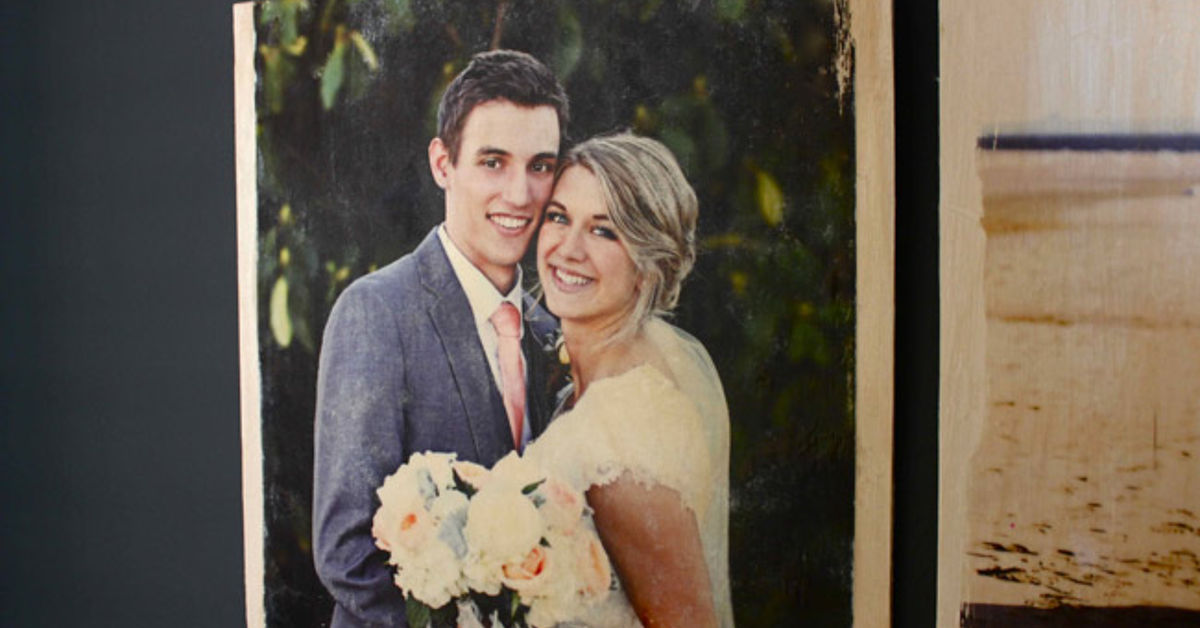
Some gifts are opened, admired politely, and then quietly relocated to a closet beside the mystery cables and the single roller skate. A photo transferred onto wood is not that kind of gift. It has personality, texture, and the magical ability to make even a simple snapshot feel like a tiny family heirloom.
Whether you are creating a wedding keepsake, a birthday surprise, a memorial piece for a beloved pet, or a sentimental holiday present, transferring photos onto wood turns an ordinary image into something warm and handmade. The wood grain becomes part of the picture, the imperfect edges add charm, and the finished piece looks far more expensive than the ingredients usually are. That is craft-world math at its finest.
This guide explains how to make a wood photo transfer gift, how to choose the right photo and surface, which mistakes to avoid, and how to make the final piece feel genuinely personal rather than like a school project that escaped from 2009.
Why Photo Transfers on Wood Make Meaningful Gifts
A printed photo in a frame is lovely, but a photo transferred onto wood feels more permanent and tactile. It combines photography with the natural character of wood, creating a keepsake that looks rustic, modern, vintage, or playful depending on the image and finish.
The real appeal is emotional customization. You can use a first dance photo for newlyweds, a childhood picture for a parent, a travel snapshot for a best friend, or a favorite pet portrait for someone who talks to their dog more often than they talk to humans. No judgment. Dogs are excellent listeners.
Photo Transfer vs. Decoupage: Know the Difference
Before starting, it helps to understand the two most common methods. A true photo transfer embeds the printed image into a transfer medium or gel medium. Once dry, the paper backing is softened with water and gently rubbed away, leaving the image behind on the wood.
A decoupage photo project, by contrast, glues the printed photo directly to the wood and seals it with a clear topcoat. It is simpler and works well for beginners, but the paper remains visible. A true wood photo transfer has a more artistic, faded, ink-in-the-wood effect, while decoupage usually looks more like a photograph mounted on a wood plaque.
Neither choice is wrong. It simply depends on whether you want a polished photo display or a handmade keepsake with some old-world charm.
Choose the Right Wood for a Photo Transfer Gift
The best wood surface is smooth, unfinished, and light enough for the image to remain visible. Birch plywood, basswood panels, poplar boards, and unfinished craft plaques are reliable choices because they have relatively subtle grain patterns. A dramatic oak board may look beautiful, but strong open grain can compete with facial details and turn Uncle Jim’s smile into a topographical map.
Best Wood Options for Beginners
- Unfinished birch plywood panels
- Wooden craft plaques
- Poplar boards with a smooth face
- Pre-cut basswood sheets
- Small wood slices for ornaments or mini gifts
Avoid warped boards, deeply cracked reclaimed lumber, heavily stained wood, or surfaces coated with wax or slick varnish. The transfer medium needs a clean surface to grip. If the board looks like it has survived three centuries in a pirate shipwreck, save it for a different project.
Materials You Need for a DIY Wood Photo Transfer
You do not need a workshop that looks like a woodworking television show. Most projects can be completed with simple craft supplies and a little patience.
- Unfinished wood panel, plaque, block, or wood slice
- Laser-printed image or dry-toner photocopy
- Photo transfer medium, gel medium, or compatible acrylic medium
- Foam brush or soft paintbrush
- Brayer, plastic card, or smooth scraper
- Fine-grit sandpaper
- Clean cloths and a small bowl of water
- Clear sealer, such as a water-based acrylic sealer or varnish
- Optional acrylic paint, stain, ribbon, hooks, or decorative hardware
For the classic rub-away-paper technique, use plain copy paper rather than glossy photo paper. Also check the instructions for your chosen transfer product. Many photo transfer mediums work best with laser printer toner or photocopies, while some specialized techniques are designed for inkjet prints.
How to Select the Best Photo for Wood Transfer
Not every photo is equally cooperative. The best images have good contrast, clear subjects, and a simple background. A slightly brightened image with stronger shadows often transfers better than a dark, moody phone photo where everyone appears to be hiding in a candlelit cave.
Use These Photo Selection Tips
- Choose close-up portraits or images with one obvious focal point.
- Increase contrast slightly before printing.
- Crop unnecessary background clutter.
- Use black-and-white photos for a timeless, vintage effect.
- Mirror the image before printing if it includes words, dates, or directional elements.
- Leave room around faces so the image does not feel cramped on the board.
Mirroring is especially important for text. If you transfer an image face down without reversing it first, a sweet message such as “Best Grandpa Ever” may emerge backward. Grandpa may still love it, but he will need a mirror to read it.
Step-by-Step: Transferring a Photo Onto Wood
1. Prepare the Wood Surface
Sand the wood lightly until it feels smooth to the touch. For most unfinished craft boards, medium to fine sandpaper is enough. Sand with the grain, then wipe away all dust with a clean, dry cloth or tack cloth. Dust may seem harmless, but it can create tiny bumps that show up under the image.
If you want the picture to look brighter and more colorful, paint the transfer area with white acrylic paint and let it dry completely. If you prefer a rustic look, leave the natural wood exposed. The grain will show through the image, which is part of the charm.
2. Print and Trim Your Image
Resize your photo to fit the wood surface. Remember that the entire image will transfer in reverse, so mirror it before printing if it contains lettering or recognizable directional details. Trim the image close to the subject, but do not cut it too tightly if you want a soft, blended edge.
Make one extra print for testing. A small practice transfer can prevent a large emotional moment involving ruined paper, sticky fingers, and the sudden urge to blame your printer for everything.
3. Apply the Transfer Medium
Brush an even layer of transfer medium over the printed side of the image or over the wood, depending on the product instructions. Cover every corner without leaving dry patches, but avoid piling on huge globs. Too little medium can create faded gaps. Too much can make the transfer cloudy or uneven.
Place the image face down onto the wood. Starting at the center, smooth outward with a brayer, scraper, or old gift card. This removes trapped air bubbles and helps the printed image make solid contact with the surface.
4. Let It Dry Completely
This is the least glamorous stage because it requires the rarest crafting material of all: patience. Let the transfer dry fully according to the medium’s instructions. Many projects benefit from several hours of drying, and overnight drying is often the safest option.
Do not rush this step with a hair dryer unless the product specifically allows it. A transfer that looks dry on top may still be soft underneath. Removing the paper too early can pull away portions of the image and create an accidental abstract masterpiece.
5. Remove the Paper Backing
Once fully dry, dampen the paper backing with a wet cloth or sponge. Let the water soak in briefly, then gently rub the paper away with your fingertips. Work slowly in small circles. The goal is to remove the paper fibers while leaving the transferred image behind.
It usually takes several rounds of wetting, rubbing, drying, and checking. A faint white haze may remain after the first pass because tiny paper fibers are still attached. Let the piece dry, inspect it, and repeat as needed. Gentle persistence wins here. Aggressive rubbing is how you accidentally give everyone in the photo a mysterious disappearing forehead.
6. Seal and Finish the Piece
After the transfer is completely dry, apply a thin protective topcoat. A clear water-based sealer or acrylic varnish helps protect the image from dust, light handling, and minor moisture. Choose matte for a soft, rustic look, satin for a balanced finish, or gloss for richer color and more shine.
Use light, even brush strokes and allow each coat to dry before adding another. If you notice raised fibers or brush marks, lightly sand between coats with very fine sandpaper, then wipe away the dust before continuing.
Creative Photo Transfer Gift Ideas
A single photo on a wood board is beautiful, but the best gifts tell a little story. Think about the recipient’s favorite memories, hobbies, pets, places, or inside jokes.
Wedding and Anniversary Gifts
Transfer a wedding photo onto a wide wood plank, then add the couple’s names and wedding date along the bottom. A black-and-white image with a soft whitewashed background works especially well for a farmhouse-style keepsake.
Grandparent Gifts
Create a photo block featuring grandchildren, handprints, or a candid family snapshot. Add a short phrase such as “The Grandkids’ Favorite Place to Be” or “Love Grows Here.” This is sentimental without becoming so sugary that it requires a dentist appointment.
Pet Memorial or Pet Lover Gifts
A favorite pet photo transferred onto a small wood plaque can be a thoughtful keepsake. Add the pet’s name, a paw-print detail, or a simple line such as “Forever Part of the Family.” Keep the design calm and uncluttered so the photo remains the center of attention.
Travel Memory Gifts
Use a photo from a special vacation, road trip, honeymoon, graduation trip, or family reunion. Add a location name and date in small lettering. A beach image on pale wood or a mountain photo on a darker stained board can create a beautiful location-inspired display.
Common Photo Transfer Mistakes and How to Avoid Them
The image is backward: Mirror the image before printing whenever there is text or a recognizable direction.
The photo looks patchy: Check that the medium covered the entire image and that you removed air bubbles before drying.
The image rubs off: You may have removed the paper too aggressively or started before the transfer was fully dry. Use lighter pressure and allow more drying time.
White paper haze remains: Let the surface dry, then repeat the dampening and gentle rubbing process. Multiple light passes are better than one dramatic attack.
The colors look dull: Try a lighter wood surface, a white painted background, or a photo edited with slightly higher contrast before printing.
The final piece looks too glossy: Switch to a matte or satin topcoat next time. A glossy finish is not bad; it simply creates a different style, like putting a tuxedo on a rustic cabin.
How to Package a Wood Photo Transfer Gift
Presentation matters. Wrap the finished piece in tissue paper, place it in a simple kraft gift box, and add a handwritten note explaining the memory behind the photo. For wall art, include hanging hardware or adhesive strips so the recipient can display it without launching an unexpected home-improvement project.
A ribbon, twine bow, dried flower, small tag, or printed caption can make the package look polished. The goal is not to create a gift basket that needs its own zip code. A few thoughtful details are enough.
Experience: What Making Wood Photo Transfer Gifts Teaches You
The first time you transfer a photo onto wood, it can feel oddly dramatic. You begin with a favorite image, a plain board, a brush, and a suspiciously milky-looking medium. Then you spend hours waiting for something that appears to be a piece of paper glued face-down to a board. At that moment, the project has all the visual excitement of a wet envelope. The magic does not show up until later, when you add water and start rubbing away the paper.
That slow reveal is part of what makes the process memorable. The image does not appear all at once. A face emerges gradually. A background becomes visible. A tiny detail you forgot about in the original photo suddenly matters again: a child’s crooked grin, a dog’s tilted ears, a hand resting on someone’s shoulder. The transfer process gives you time to look at the photo more carefully than you probably did when you first snapped it on your phone.
One lesson many people learn quickly is that perfection is not always the point. A slightly faded edge, a little wood grain crossing through a sky, or a tiny distressed patch can make the piece look more personal. It feels handmade because it is handmade. The goal is not to reproduce a glossy store-bought canvas print. The goal is to create something that holds a memory in a way that feels warmer and more physical.
Another useful lesson is that testing saves emotions. A small scrap of wood can teach you how much transfer medium to use, how fast your printer ink behaves, how gently to rub off paper, and which finish suits your style. That practice board may not become a gift, but it earns its keep. Think of it as the rehearsal dinner before the wedding gift.
The best projects also come from choosing a photo with meaning rather than simply choosing the sharpest picture. A technically perfect photo of a random restaurant is less powerful than a slightly imperfect snapshot from a meaningful day. The moment matters. A graduation photo, an old family vacation picture, a first-home key handoff, or a quiet image of someone’s favorite pet often creates a stronger emotional response than something staged.
Finally, wood photo transfers are a reminder that gifts do not have to be expensive to feel significant. The supplies are modest, but the attention is not. You selected the photo, prepared the board, made decisions about color and finish, and spent time turning a digital memory into something someone can touch. That effort is visible. It tells the recipient, without needing a dramatic speech, “This moment mattered enough for me to make it into something lasting.”
Conclusion
Transferring photos onto wood is one of the most thoughtful DIY gift ideas because it transforms an everyday image into a keepsake with texture, personality, and emotional weight. Start with a meaningful photo, use a smooth wood surface, allow plenty of drying time, and embrace the natural imperfections that make handmade gifts feel special. With a little patience, a plain wood board can become a wedding gift, family treasure, pet keepsake, or holiday surprise that earns a permanent place on someone’s wall instead of a temporary spot in a drawer.