

Note: This article is written for general cooking inspiration and web publishing. Adjust salt, spice, fat, dairy, and allergens based on personal dietary needs.
Kohlrabi looks like a tiny alien spaceship that crash-landed in the produce aisle, but do not let its antennas intimidate you. Beneath that quirky bulb is a crisp, juicy, mildly sweet vegetable that tastes like cabbage, broccoli stem, radish, and apple decided to form a very practical cooking committee. If you have ever stared at kohlrabi at a farmers market and thought, “Lovely, but what exactly am I supposed to do with this?” you are in the right kitchen.
The best kohlrabi recipes make the most of its two personalities. Raw kohlrabi is crunchy, refreshing, and perfect for slaws, salads, pickles, and snack plates. Cooked kohlrabi becomes tender, mellow, and slightly sweet, making it excellent for roasting, mashing, sautéing, soups, gratins, stir-fries, and fritters. Even the leaves are edible, so this vegetable is not just charmingly strangeit is also thrifty.
What Is Kohlrabi?
Kohlrabi is a cruciferous vegetable in the same broad family as cabbage, broccoli, cauliflower, kale, and Brussels sprouts. Its name comes from German words that mean “cabbage turnip,” which is fair, because it looks like a turnip wearing cabbage-flavored perfume. However, kohlrabi is not actually a turnip. The round part you eat is a swollen stem that grows above ground.
You may find green or purple kohlrabi, but once peeled, both usually reveal pale, crisp flesh inside. The flavor is gentle: lightly peppery, a little sweet, and less aggressive than raw radish. Smaller bulbs tend to be more tender and sweet, while very large kohlrabi can become woody or fibrous. When buying it, choose firm bulbs that feel heavy for their size. If leaves are attached, they should look fresh rather than tired, yellow, or floppy enough to need a motivational speech.
How to Prep Kohlrabi Before Cooking
Kohlrabi prep is simple, but there is one rule worth tattooing on your vegetable peeler: remove the tough outer layer. The skin and fibrous layer beneath it can stay stubborn even after cooking, so peel generously, especially with larger bulbs.
Basic kohlrabi prep steps
- Cut off the stems and leaves.
- Wash the bulb well, especially around stem crevices.
- Trim the root end.
- Peel the thick outer skin with a sharp knife or sturdy peeler.
- Slice, cube, julienne, grate, or spiralize depending on the recipe.
Do not throw away the leaves if they look fresh. Kohlrabi greens can be cooked like kale, collards, or turnip greens. They are excellent sautéed with garlic, olive oil, lemon, and a pinch of red pepper flakes.
Best Kohlrabi Recipes to Try
These kohlrabi recipe ideas cover crisp raw dishes, cozy cooked sides, quick weeknight meals, and a few “wait, why haven’t I made this before?” surprises.
1. Classic Kohlrabi Slaw with Apple and Lemon
This is the gateway recipe for kohlrabi skeptics. Raw kohlrabi loves bright acidity and sweet fruit, so apple, lemon, herbs, and a little mustard make a winning combination.
Ingredients: peeled kohlrabi, crisp apple, shredded carrot, lemon juice, Dijon mustard, honey, olive oil, parsley or mint, salt, and black pepper.
How to make it: Cut kohlrabi and apple into matchsticks. Whisk lemon juice, Dijon, honey, olive oil, salt, and pepper. Toss everything together with herbs. Let it sit for 10 minutes so the flavors get acquainted. Serve with grilled chicken, fish tacos, veggie burgers, or sandwiches.
Why it works: Kohlrabi brings crunch, apple adds sweetness, lemon keeps everything bright, and mustard gives the slaw just enough attitude.
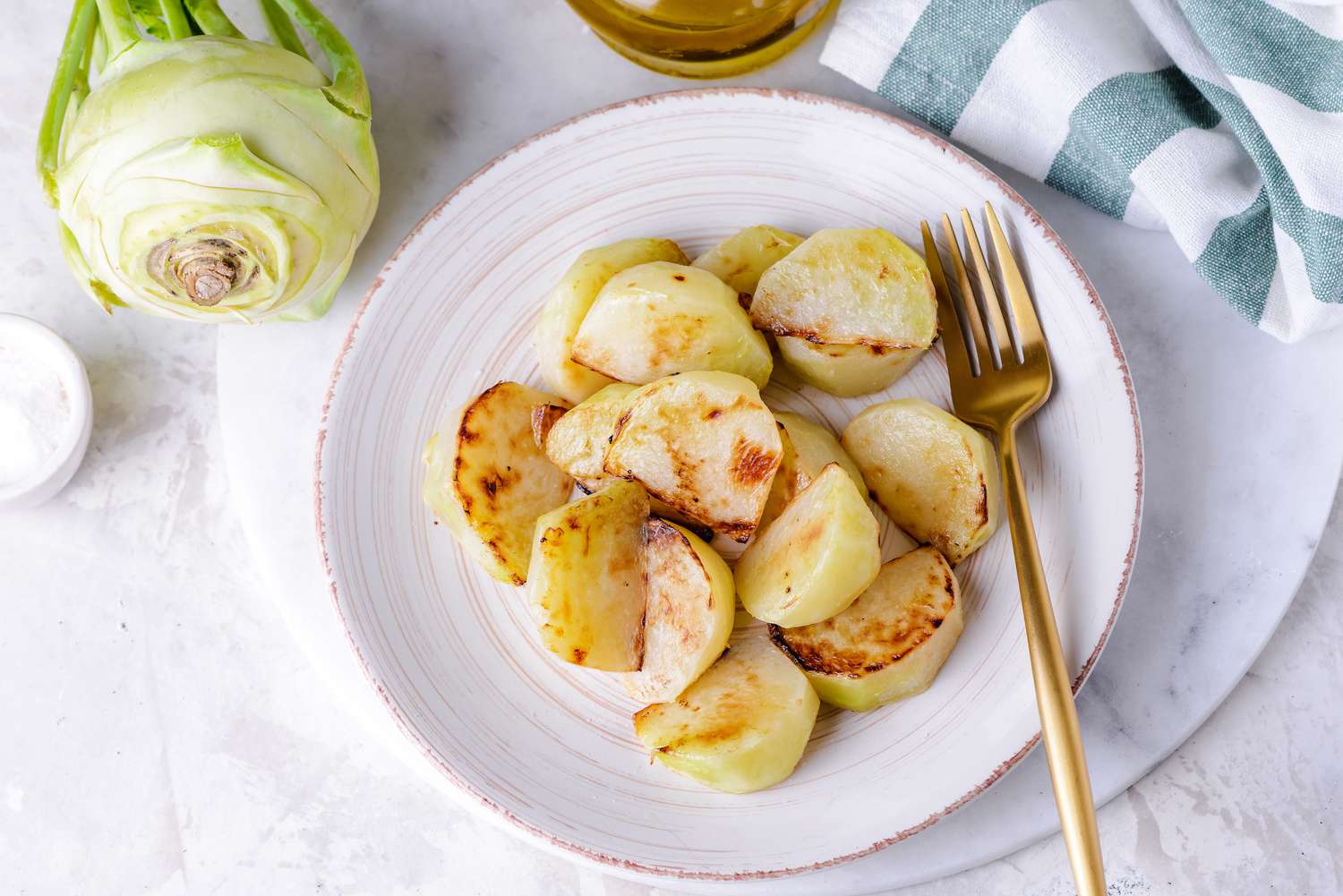
2. Roasted Kohlrabi with Parmesan
Roasting is one of the easiest ways to make kohlrabi taste familiar. It becomes tender, lightly caramelized, and almost potato-like, but with a cleaner, greener flavor.
Ingredients: peeled kohlrabi, olive oil, kosher salt, black pepper, garlic powder, grated Parmesan, parsley, and optional cayenne.
How to make it: Cut kohlrabi into wedges or cubes. Toss with olive oil, salt, pepper, and garlic powder. Roast at 425°F to 450°F until browned at the edges and fork-tender, usually about 25 to 35 minutes depending on size. Finish with Parmesan and parsley.
Serving idea: Pair roasted kohlrabi with roast chicken, salmon, pork chops, lentils, or a grain bowl. It also makes a sneaky-good alternative to roasted potatoes when you want something lighter.
3. Creamy Kohlrabi Mash
Kohlrabi mash is comfort food with a vegetable twist. It is less starchy than mashed potatoes, so the texture is slightly different, but it becomes smooth and satisfying when blended well.
Ingredients: peeled kohlrabi, butter, cream or milk, salt, pepper, roasted garlic, and chives.
How to make it: Cube peeled kohlrabi and boil in salted water until very tender. Drain thoroughly. Blend with butter, a splash of cream or milk, roasted garlic, salt, and pepper. Use a food processor or immersion blender rather than a hand masher, because kohlrabi can be fibrous.
Flavor upgrade: Add a small boiled potato if you want a creamier, more traditional mashed texture. Finish with chives and cracked pepper.
4. Sautéed Kohlrabi and Greens with Garlic
This recipe uses the whole vegetable, which means less waste and more flavor. It is fast, healthy, and flexible enough for breakfast, lunch, or dinner.
Ingredients: kohlrabi bulb, kohlrabi leaves, olive oil, garlic, red pepper flakes, lemon juice, salt, and pepper.
How to make it: Peel and dice the bulb. Chop the leaves and stems. Sauté the diced bulb in olive oil until crisp-tender, then add stems, garlic, and red pepper flakes. Add leaves last and cook until wilted. Finish with lemon juice.
Best with: fried eggs, rice bowls, grilled sausage, white beans, or toasted sourdough. Yes, kohlrabi toast is a thing if you believe hard enough.
5. Kohlrabi Fritters
If your household rejects vegetables unless they arrive crispy, fritters are your friendly negotiator. Grated kohlrabi cooks quickly and turns golden in a skillet.
Ingredients: grated kohlrabi, egg, flour or breadcrumbs, scallions, garlic, salt, pepper, and oil for pan-frying.
How to make it: Grate peeled kohlrabi and squeeze out excess moisture with a clean towel. Mix with egg, flour, scallions, garlic, salt, and pepper. Form small patties and pan-fry until golden on both sides.
Sauce idea: Serve with Greek yogurt mixed with lemon, dill, salt, and a tiny spoonful of Dijon mustard. This sauce also makes you feel like you planned dinner, even if dinner was mostly panic and grating.
6. Kohlrabi Noodle Salad
Spiralized kohlrabi makes a crisp, gluten-free base for noodle-style salads. It holds up well to strong dressings and stays crunchy longer than many leafy greens.
Ingredients: spiralized kohlrabi, rice noodles or extra veggie noodles, cucumber, carrots, cilantro, mint, lime juice, ginger, soy sauce, sesame oil, and chili garlic sauce.
How to make it: Toss spiralized kohlrabi with cooked rice noodles, herbs, and vegetables. Whisk lime juice, ginger, soy sauce, sesame oil, and chili sauce. Toss and chill for 15 minutes before serving.
Protein add-ons: grilled shrimp, shredded chicken, baked tofu, edamame, or a soft-boiled egg.
7. Kohlrabi Soup
Kohlrabi soup is mild, silky, and surprisingly elegant. It works well with leeks, onions, potatoes, white beans, chicken broth, vegetable broth, dill, parsley, or cream.
Ingredients: peeled kohlrabi, onion or leek, garlic, potato, broth, olive oil or butter, salt, pepper, and herbs.
How to make it: Sauté onion and garlic in oil or butter. Add cubed kohlrabi and potato. Cover with broth and simmer until tender. Blend until smooth. Add cream if desired, then finish with dill, parsley, or lemon zest.
Tip: For a brighter soup, add lemon juice at the end. For a heartier soup, stir in white beans before blending.
8. Kohlrabi Gratin
When in doubt, bake vegetables with cheese. Kohlrabi gratin is cozy enough for holidays but simple enough for a weekend dinner.
Ingredients: thinly sliced kohlrabi, leeks or onions, butter, milk, Gruyère or cheddar, breadcrumbs, thyme, salt, and pepper.
How to make it: Parboil sliced kohlrabi until just tender. Layer it in a baking dish with softened leeks, a light cream sauce, cheese, and breadcrumbs. Bake until bubbling and golden.
Best use: Serve as a side dish with roast turkey, baked ham, chicken thighs, or a vegetarian mushroom main.
9. Quick Pickled Kohlrabi
Kohlrabi’s crunch makes it a natural candidate for pickling. Quick pickles are not shelf-stable canning projects; they are refrigerator pickles meant to be eaten within a short period.
Ingredients: peeled kohlrabi sticks, vinegar, water, sugar, salt, garlic, peppercorns, mustard seeds, and optional chili flakes.
How to make it: Pack kohlrabi sticks into a clean jar. Heat vinegar, water, sugar, and salt until dissolved. Pour over the kohlrabi with spices. Cool, refrigerate, and enjoy after a few hours.
Where to use it: Add pickled kohlrabi to tacos, bánh mì-style sandwiches, burgers, grain bowls, charcuterie boards, or anything that needs crunch and zing.
10. Kohlrabi Stir-Fry
Kohlrabi stir-fry is a smart weeknight option because the vegetable keeps its texture and absorbs sauces beautifully.
Ingredients: kohlrabi matchsticks, carrots, bell pepper, garlic, ginger, soy sauce, sesame oil, rice vinegar, scallions, and sesame seeds.
How to make it: Stir-fry kohlrabi and carrots in a hot skillet or wok. Add garlic and ginger, then toss with soy sauce, rice vinegar, and sesame oil. Finish with scallions and sesame seeds.
Make it a meal: Add tofu, chicken, pork, shrimp, or cashews. Serve over rice or noodles.
Raw vs. Cooked Kohlrabi: Which Is Better?
Neither is better; they simply offer different experiences. Raw kohlrabi is crisp, juicy, and refreshing. It shines in salads, slaws, crudité platters, and pickles. Cooked kohlrabi is softer, sweeter, and more mellow. It works in roasted sides, soups, gratins, sautés, and mashes.
If you are new to kohlrabi, start with a slaw or roasted wedges. Slaw shows off its fresh crunch, while roasting makes it warm and comforting. After that, you can graduate to kohlrabi noodles, fritters, and soup like the proud vegetable overachiever you were always meant to be.
Flavor Pairings That Love Kohlrabi
Kohlrabi is mild, so it plays nicely with bold, bright, creamy, and savory ingredients. Think of it as the polite guest who gets along with everyone at the dinner party.
Best ingredients to pair with kohlrabi
- Acids: lemon juice, lime juice, apple cider vinegar, rice vinegar, white balsamic vinegar
- Herbs: dill, parsley, mint, cilantro, chives, thyme
- Fruits: apples, pears, citrus, grapefruit
- Spices: black pepper, cayenne, chili flakes, cumin, mustard seed
- Rich ingredients: Parmesan, Gruyère, butter, Greek yogurt, tahini, olive oil
- Crunchy toppings: sunflower seeds, hazelnuts, almonds, walnuts, breadcrumbs
How to Store Kohlrabi
If your kohlrabi comes with leaves, separate the greens from the bulb when you get home. The greens are more delicate and should be used within a few days. Wrap them in a towel and store them in a bag in the refrigerator. The bulb lasts longer when stored separately in the crisper drawer.
For best flavor, use small and medium bulbs while they are still crisp and juicy. If a bulb feels spongy, smells unpleasant, or has soft spots, it has missed its big culinary moment.
Common Kohlrabi Cooking Mistakes
Not peeling large bulbs deeply enough
The outer layer can be tough. If your cooked kohlrabi tastes stringy, the problem is probably not the recipeit is the peel staging a rebellion.
Overcooking it
Kohlrabi is best when tender but not mushy. For roasting, aim for browned edges and a fork-tender center. For stir-fries, keep it crisp-tender.
Forgetting the leaves
Fresh kohlrabi leaves are edible and useful. Add them to sautés, soups, pasta, grain bowls, omelets, or anywhere you would use hearty greens.
Using only bland seasonings
Kohlrabi is mild, so it benefits from acid, salt, herbs, garlic, mustard, cheese, chili, or toasted nuts. Do not be shy. Kohlrabi did not wear that weird outfit just to taste boring.
of Real-Life Experience with Kohlrabi Recipes
The first time many home cooks buy kohlrabi, it is usually not part of a grand meal plan. It appears in a CSA box, farmers market bag, or grocery display looking like a vegetable designed by a science-fiction prop department. The natural reaction is curiosity followed quickly by suspicion. Fortunately, kohlrabi is much easier to use than it looks.
One of the best ways to get comfortable with kohlrabi is to treat it like a familiar crunchy vegetable. Peel it, cut a thin slice, and taste it raw. That first bite explains almost everything: it is juicy like an apple, crisp like jicama, mildly peppery like radish, and slightly cabbage-like without being overpowering. Once you understand the texture, recipe ideas become obvious. Anything that welcomes crunch can welcome kohlrabi.
In everyday cooking, kohlrabi slaw is the most reliable starting point. It is quick, colorful, and forgiving. If the kohlrabi is very crisp, cut it into matchsticks. If you are short on time, grate it. Add apple for sweetness, carrot for color, lemon for brightness, and herbs for freshness. A simple dressing of olive oil, Dijon mustard, honey, lemon juice, salt, and pepper is enough. The result tastes clean and lively, especially next to rich foods like burgers, fried chicken, grilled sausages, or creamy pasta.
Roasted kohlrabi is the recipe that wins over people who say they do not like “weird vegetables.” Cut it into wedges, toss with olive oil, salt, pepper, and garlic powder, then roast until browned. Add Parmesan at the end and suddenly the vegetable that looked like a garden goblin tastes like a cozy side dish. It will not be exactly like roasted potatoes, but that is part of the charm. It is lighter, slightly sweeter, and more interesting.
The leaves are the bonus round. If they are fresh, wash them well and cook them the same day or the next. They are excellent sautéed with garlic and olive oil. Add lemon at the end and serve them with eggs or beans. This is also a great way to feel virtuous about reducing food waste without making a speech about it at dinner.
For meal prep, raw kohlrabi holds up beautifully. A grated kohlrabi salad can stay crunchy longer than lettuce-based salads, especially if you keep the dressing separate until serving. Pickled kohlrabi is another practical favorite because it adds instant brightness to rice bowls, tacos, sandwiches, and leftover roasted meats.
The biggest lesson from cooking kohlrabi is simple: peel boldly, season confidently, and do not overthink it. This vegetable may look complicated, but it behaves well in the kitchen. Once you try it raw, roasted, sautéed, and shredded into slaw, it becomes less of a mystery and more of a secret weapon. The spaceship has landed, and apparently, it brought dinner.
Conclusion
Kohlrabi recipes are proof that unusual vegetables do not need complicated treatment. With its crisp texture, mild sweetness, and ability to work raw or cooked, kohlrabi can become a slaw, roasted side, creamy mash, quick pickle, noodle salad, soup, gratin, fritter, or stir-fry. The key is to peel tough bulbs well, use fresh leaves when available, and pair kohlrabi with bright acids, herbs, garlic, cheese, spices, and crunchy toppings.
If you are new to kohlrabi, start small: make a lemony apple slaw or a tray of Parmesan-roasted wedges. After that, the vegetable becomes far less mysterious. In fact, it may become the produce aisle underdog you start recommending to friends with suspicious enthusiasm. And honestly, every kitchen could use one vegetable that looks strange, tastes great, and makes dinner feel a little more adventurous.