

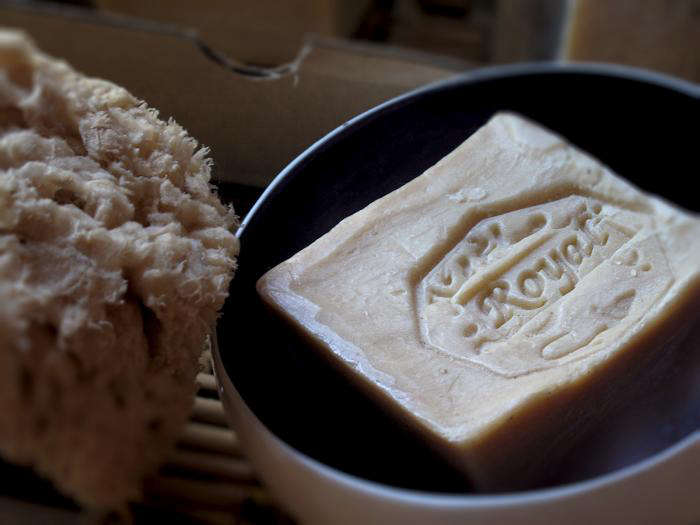
If your bathroom shelf looks like a skincare “choose-your-own-adventure” book (cleanser, balm, gel, foam, mystery bar you bought at a farmers market),
Le Savon d’Alep Royal feels like the plot twist where the hero is… a simple block of soap.
It’s rooted in the centuries-old Aleppo soap traditionbuilt around olive oil and laurel (bay) berry oilyet it shows up in modern routines as a minimalist,
multipurpose bar that people use for face, body, and sometimes even hair.
But let’s be real: calling any soap “royal” sets expectations. So this guide gets specific.
What it is, what it isn’t, why people love it, why some skin types should tread carefully, and how to use it like a grown-up (not like a raccoon scrubbing a grape).
You’ll also get practical “how to choose” tips, plus real-world experience-style examples at the end.
What Is Le Savon d’Alep Royal, Exactly?
“Savon d’Alep” is French for Aleppo soapa traditional hard soap associated with the city of Aleppo in Syria.
Le Savon d’Alep Royal is a premium version sold under that specific name in curated retail circles.
In the product descriptions commonly associated with it, it’s presented as a natural, plant-based bar made primarily from olive oil with a smaller amount of laurel berry oil,
produced using traditional methods.
One widely circulated product breakdown lists ingredients and proportions along these lines:
olive oil as the main base, laurel berry oil as a smaller supporting player, plus water and sodium hydroxide (the lye used to saponify oils into soap),
and a couple of plant extracts. In other words: it’s built for simplicity, not perfume-counter theatrics.
You may also see marketing phrases like “dermocosmetic” or “hypoallergenic.”
Those claims can be meaningful in some contexts, but in the U.S. they’re not tightly standardizedso treat them as clues, not guarantees.
(We’ll decode that later without starting a soap-related conspiracy board on your wall.)
A Quick History Lesson (Because This Soap Actually Has One)
Aleppo soap is often described as one of the oldest styles of hard soap still made today.
Traditional “ghar” soap craftsmanship centers on local olive oil and laurel oil, combined with lye and water, cooked and then formed into slabs, cut, stamped, and cured.
In late 2024, UNESCO inscribed the craftsmanship of Aleppo ghar soap on its Representative List of the Intangible Cultural Heritage of Humanity
recognition focused on traditional knowledge, skills, and cultural practice, not on a single brand.
That matters for shoppers because it reframes Aleppo soap as more than a “trending natural bar.”
It’s a technique and a heritage craftone that survives because it works, it’s adaptable, and it can be made with a short ingredient list.
What Makes Aleppo-Style Soap Different From “Regular” Bar Soap?
1) The oil base: olive oil does the heavy lifting
Many modern bars rely on a mix of surfactants, fragrances, dyes, and multiple fats to hit a certain feel and cost.
Aleppo-style soaps typically lean on olive oil as the primary fat.
Olive oil soaps are often described as gentle-feeling and creamy-lathering (even if the lather isn’t the huge “bubble party” you get from some detergents).
Think “soft washcloth vibes,” not “car-wash foam cannon.”
2) Laurel (bay) berry oil: the signature supporting ingredient
Laurel (bay) is the ingredient that makes Aleppo soap Aleppo soap.
Laurel-related oils contain aromatic and bioactive compounds that, in lab research on laurel essential oil and extracts, have shown antimicrobial and antioxidant activity.
That doesn’t automatically translate to “treats acne” or “heals eczema” (skin is complicated; marketing is confident),
but it helps explain why laurel has a long reputation in cleansing traditions.
3) It’s true soap chemistry (which means pH can be higher)
Here’s the fine print most “natural soap” TikToks skip: traditional soaps are typically more alkaline than the skin’s natural, slightly acidic surface.
Research on cleanser pH and the skin barrier suggests that higher-pH cleansing can raise skin surface pH and may be more disruptive for some people,
especially if the cleanser is strong or used often.
Translation: Aleppo-style soap can feel amazing for many usersbut if your skin barrier is already angry, you’ll want to use it strategically.
The goal is “clean and comfortable,” not “squeaky and regretful.”
Benefits People Look For (and the Honest Tradeoffs)
A simpler ingredient list for fragrance-sensitive folks
A common reason people try Le Savon d’Alep Royal is the minimalist formula.
Dermatology and eczema-focused guidance in the U.S. consistently emphasizes avoiding fragrance and harsh ingredients when skin is reactive.
Many Aleppo-style bars are naturally unscented (or lightly herbal from the oils themselves), which can be a plus if fragrance is a trigger.
Just be aware: some “Aleppo” products add perfume or essential oilsalways read the ingredient list.
Gentle cleansing for normal-to-dry skin (when used correctly)
Olive-oil-forward soap can be a comfortable daily cleanser for many people with normal or mildly dry skinespecially when paired with a moisturizer.
If you want your skin to feel soft after washing, technique matters more than hype:
short wash, lukewarm water, rinse well, pat dry, and moisturize promptly.
Eczema-prone skin: “It depends” (and that’s not a cop-out)
Some people with eczema swear by simple bars; others flare from bar soap immediately.
U.S. clinical guidance often recommends mild, fragrance-free cleansers and frequently prefers non-soap or liquid cleansers over traditional bar soaps
because bars can be drying for some individuals.
That doesn’t mean Le Savon d’Alep Royal is “bad” for eczemait means it’s a trial-with-a-plan product.
If you’re eczema-prone and curious, start with:
once every other day on the body (not the face), avoid hot water, no scrubbing tools,
and immediately follow with an ointment or thick cream.
If your skin feels tighter, itchier, or rougher after a few uses, switch back to a gentler non-soap cleanser and save the bar for hands or laundry.
Acne-prone skin: it may help with “too much oil,” but don’t overdo it
Some acne-prone users like Aleppo-style soap because it feels clean without heavy fragrance.
The risk is over-cleansing: stripping too much oil can trigger irritation, which can make breakouts look worse.
If your face is acne-prone, use the bar once daily at most, moisturize lightly, and don’t pair it with harsh acids on the same night until you know your skin’s mood.
How to Use Le Savon d’Alep Royal Like a Pro
For face
- Wet hands and face with lukewarm water.
- Rub the bar between hands to create a light lather (don’t grind the bar directly on your face like you’re sanding a table).
- Gently cleanse for 10–20 seconds, then rinse thoroughly.
- Pat dry. Apply moisturizer while skin is still slightly damp.
For body
- Use hands or a soft cloth (skip loofahs if you’re sensitive or eczema-prone).
- Focus soap on “high-need zones” (underarms, feet, sweaty areas) and let water do the rest elsewhere.
- Moisturize right after showeringthis is where comfort is won or lost.
For hands (frequent hand-washers)
- Wash normally, rinse well, pat dry.
- Keep hand cream near the sink and use it every time you remember (which will be… not every time, but aim high).
- If hands crack easily, consider alternating with a gentler liquid cleanser.
For hair (optional and very personal)
Yes, people do use Aleppo-style soap on hair. It can work for some, especially short hair or low-product routines.
But true soap can leave buildup in hard water and may feel waxy for others.
If you try it, follow with a very dilute acidic rinse (like a tiny amount of apple cider vinegar in lots of water) and see how your scalp responds.
If your hair feels like it’s wearing a sweater, go back to shampoo.
How to Choose a Good “Royal” Aleppo-Style Bar
Read the ingredient list like it’s a contract (because it is)
A classic Aleppo-style ingredient list is short: oils, water, sodium hydroxide.
For Le Savon d’Alep Royal specifically, the best-known descriptions emphasize olive oil and laurel berry oil as the key oils,
plus the essentials needed for saponification.
If you see added fragrance, heavy dyes, or a long list of extras, it’s moving away from the minimalist point.
Laurel percentage isn’t a bragging contest
Many Aleppo soaps are sold by laurel oil percentage (higher can be more expensive).
But “best” depends on your skin. Higher laurel content can be more intense for sensitive users.
A bar with a lower laurel percentage can be a smarter starting pointespecially for dry or reactive skin.
If you’re buying “Royal,” don’t assume it means “max laurel.”
Assume it means “premium positioning,” and let the ingredient list tell the truth.
Don’t worship the word “hypoallergenic”
In the U.S., “hypoallergenic” isn’t a federally defined standard for cosmetics and personal care.
It’s not useless, but it’s not a shield either.
The safest approach is still: read the ingredient list, avoid what you know triggers you, and patch-test.
Patch test (yes, even for a humble bar)
Test on a small area for a few daysespecially if you have eczema, rosacea, fragrance sensitivity, or a history of contact dermatitis.
If irritation shows up, it’s not a moral failure. Your skin is just picky. Respect the picky.
Who Should Be Cautious (and What to Use Instead)
- Very dry, cracked, or actively flaring eczema: start with a gentle non-soap cleanser and focus on moisturizing strategies first.
- Known fragrance or essential oil allergy: choose unscented versions only and avoid bars with added perfume or essential oils.
- Infants and very young kids: stick to pediatric guidancemild, fragrance-free non-soap cleansers are often recommended.
- Open wounds or severe irritation: skip experimenting and ask a clinician what’s safest for your situation.
FAQs
Is Le Savon d’Alep Royal good for the face?
It can be, especially for normal skin and simple routines. If you’re dry or sensitive, use a light lather and moisturize immediately.
If you’re reactive, patch-test first and consider using it on the body before the face.
Is it vegan?
Most Aleppo-style soaps are vegetable-oil based and contain no animal-derived ingredients.
Still, check the label for any additives if vegan status matters to you.
Does it expire?
Hard soap generally has a long shelf life. Over time, bars can dry further, become harder, and last longer in the shower.
Store it in a dry place between uses so it doesn’t turn into a mushy little soap pudding.
Why is Aleppo soap sometimes green inside and beige outside?
Traditional Aleppo-style bars are often cured for months.
The exterior can darken with curing and air exposure, while the inside may stay greener.
Color varies by oils, curing time, and storage conditions.
Conclusion: A Royal Bar That Rewards a Smart Routine
Le Savon d’Alep Royal sits at a satisfying intersection: heritage craft meets modern minimalism.
If you want a simple, olive-oil-forward bar with laurel character and a classic feel, it’s an appealing optionespecially if you’re trying to reduce fragrance and clutter in your routine.
Just remember the two golden rules: don’t over-cleanse and moisturize like you mean it.
And nowbecause “royal” should come with storieshere are experience-style, real-life scenarios that show what people often notice when they bring Le Savon d’Alep Royal into the daily rotation.
Real-World Experiences With Le Savon d’Alep Royal (Extra )
The Minimalist Switch: A common “first week” experience is how quickly your routine shrinks.
People who move from scented body washes to an Aleppo-style bar often say the biggest difference isn’t magical skin transformationit’s the lack of drama.
The shower stops smelling like “tropical thunder cupcake,” and starts smelling like… basically nothing, in a good way.
Skin can feel clean without a lingering fragrance film, which fragrance-sensitive users appreciate.
The Dry-Skin Learning Curve: Some users report a brief adjustment phase: the bar feels gentle, but if they wash too long or use hot water,
their skin feels tight afterward. The fix is usually not “quit immediately,” but “change the method.”
Once they shorten cleansing time (especially on arms and legs) and apply a thicker moisturizer right after toweling off,
comfort improves fast. This is where technique matters more than the product.
Many people find that the bar works best as a targeted cleansersweaty zones and handswhile letting water handle the rest.
The Eczema Household Experiment: In families managing eczema, the experiences are mixedbut informative.
Some people do well with a very simple bar because fragrance is a big trigger for them, and the ingredient list feels “safer.”
Others find that any true soap barno matter how traditionalstill dries them out.
The most successful experiments tend to follow a pattern: they try the soap on the body first (not the face),
use lukewarm water, avoid washcloth scrubbing, and seal in moisture immediately with an ointment or thick cream.
If a flare starts, they stop and switch back to a non-soap cleanser rather than powering through.
In other words, the soap isn’t treated like a cureit’s treated like a tool.
The Gym Bag Win: A practical experience people love: the bar travels well.
A hard bar in a ventilated case doesn’t leak, doesn’t explode in your toiletry bag, and doesn’t set off TSA-level anxiety.
Users often describe it as their “emergency everything cleanser”body after workouts, hands after a hike, even a quick sink wash for a T-shirt in a pinch.
It’s not glamorous, but it’s the kind of usefulness that turns a product into a habit.
The “My Skin Feels Calmer” Report: When people say Le Savon d’Alep Royal feels calming, it’s often because they removed irritants:
less fragrance, fewer additives, fewer harsh cleansers layered together.
The soap doesn’t have to perform miracles for the routine to feel better.
Many users find that once irritation triggers go down, their skin looks more even, feels less itchy, and needs less “damage control” product afterward.
If there’s one consistent lesson across these experiences, it’s this: the bar works best when it’s part of a barrier-respecting routinenot a replacement for it.