

Note: This article is written in original, publication-ready American English and synthesizes real research and practical guidance from reputable U.S. sources on consumer behavior, happiness, clutter, sustainability, financial stress, and mindful spending.
Somewhere between the “limited-time offer” email, the cart abandoned on purpose, and the mysterious package arriving two days later like a raccoon with a shipping label, many of us realized a strange truth: we do not own our stuff as much as our stuff owns a suspiciously large portion of our floor, attention, money, and weekends.
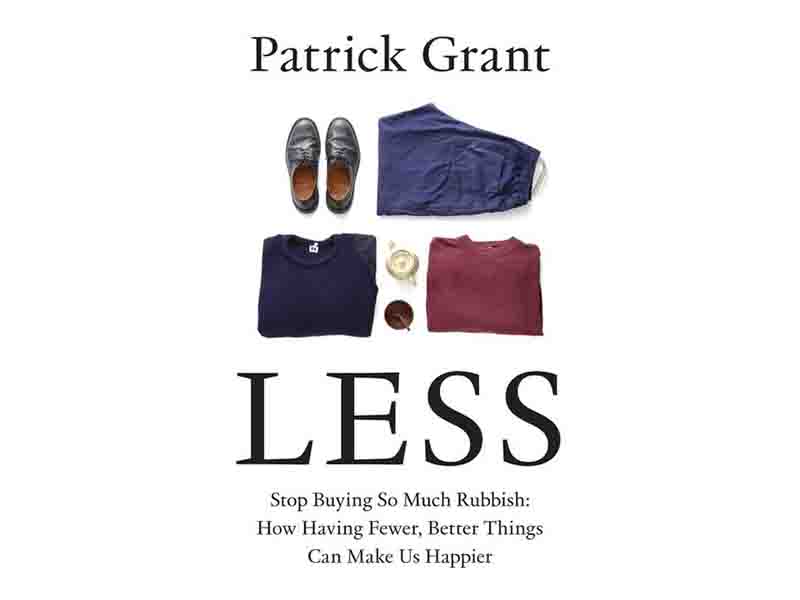
The phrase “less stop buying so much rubbish” may not sound like something a philosopher would carve into marble, but it is surprisingly wise. In plain English, it means this: buy less junk, choose fewer better things, and make room for a happier life. Not a beige, joyless life where you own one spoon and call it enlightenment. A better life. A calmer life. A life where the closet closes without needing a shoulder tackle.
Modern consumer culture is very good at making us believe happiness is one click away. New shoes, new gadgets, new mugs, new storage bins to store the things we bought because we were sad about the things we already owned. The problem is that more stuff often creates more maintenance, more comparison, more waste, and more low-grade stress. Fewer better things can do the opposite: reduce clutter, improve focus, protect your budget, and help you enjoy what you already have.
Why Buying More Does Not Always Make Us Happier
Buying something new can feel fantastic for about ten minutes. There is a reason retail therapy is called therapy and not “mildly inconvenient wallet drainage.” A purchase can give us a quick hit of excitement, control, or identity. The trouble is that the thrill often fades quickly. Psychologists call this hedonic adaptation: we get used to new things, and soon the shiny object becomes just another object wearing yesterday’s emotional glitter.
This is especially true for impulse purchases. A cheap gadget, trendy sweater, novelty lamp, or “life-changing” kitchen tool may seem irresistible in the moment. But after the unboxing high wears off, the item has to earn its place in daily life. If it does not, it becomes clutter. Worse, it becomes guilt clutter: the kind you keep because you paid for it, even though it contributes nothing except judgment from a shelf.
Research on happiness often shows that experiences, relationships, purpose, gratitude, and generosity tend to create more lasting well-being than accumulating possessions. That does not mean material things are bad. A comfortable chair, a reliable laptop, good shoes, a sharp kitchen knife, or a winter coat that does not make you look like a defeated sleeping bag can absolutely improve life. The key is intention. The goal is not “own nothing.” The goal is “own what actually serves you.”
The Hidden Cost of Rubbish: Money, Space, Time, and Mental Bandwidth
Cheap rubbish is rarely cheap. The price tag is only the opening act. Every unnecessary item also costs space, cleaning time, storage decisions, and mental attention. A $12 thing you never use may demand a drawer, a charger, a replacement part, a place in your next move, and five minutes of irritation every time you see it. Congratulations: you have subscribed to a tiny household admin task.
Clutter makes the home feel less restful
A cluttered home constantly asks the brain to process visual information. Even when we are not actively cleaning, piles and crowded surfaces can whisper, “You should deal with me,” which is a deeply rude thing for a laundry chair to say. When rooms are overloaded, it becomes harder to relax because the environment feels unfinished. There is always one more thing to sort, fold, return, donate, or pretend you cannot see.
Too much stuff makes decisions harder
More options can feel like freedom, but too many options create decision fatigue. A wardrobe stuffed with clothes can make dressing harder, not easier. A kitchen drawer full of duplicate tools can turn cooking into an archaeological dig. A bathroom cabinet full of half-used products can make a five-minute routine feel like managing a tiny pharmacy with commitment issues.
Impulse buying can quietly damage financial peace
Small purchases feel harmless because each one looks tiny on its own. But “just $19.99” becomes dangerous when it starts breeding in the shopping cart. Social media, flash sales, free-shipping thresholds, buy-now-pay-later offers, and influencer recommendations all make spending frictionless. The less friction, the easier it is to buy things we did not plan, need, or even truly want.
Financial stress is not only about income. It is also about the gap between what comes in, what goes out, and how much control we feel. Buying fewer low-value items gives money a job again. It can become savings, debt reduction, travel, education, healthier food, a better mattress, a repair fund, or simply breathing room. Breathing room is underrated. It does not arrive in a box, but it feels better than most things that do.
Fewer Better Things: What It Actually Means
Having fewer better things is not about luxury for luxury’s sake. It is not an excuse to replace every ordinary item with an artisanal object handcrafted by monks who only work during eclipses. It means buying with standards. It means choosing things that are useful, durable, repairable, beautiful to you, and aligned with how you actually live.
A “better” thing is not always more expensive. Sometimes it is secondhand. Sometimes it is the item you already own, repaired instead of replaced. Sometimes it is the simple version with fewer features to break. Sometimes it is not buying anything because the best purchase is the one you successfully dodge like a financial ninja.
Better things earn their keep
A better thing gets used often. It solves a real problem. It feels good in the hand, fits the body, works reliably, or improves a routine. Think of the difference between ten flimsy pans and one dependable skillet, five uncomfortable pairs of shoes and one pair that can survive a long walk, or a drawer full of promotional pens and one pen that writes like it has self-respect.
Better things reduce replacement cycles
Low-quality items often fail quickly, which sends us back to buy again. This creates a cycle of waste: money spent, item broken, item discarded, item replaced. Choosing durable goods, maintaining what we own, and repairing when possible interrupts that cycle. It is better for the budget and usually better for the planet.
Better things support identity without swallowing it
Possessions can express taste, culture, hobbies, and values. That is perfectly human. The problem begins when we try to buy an entire personality one trending product at a time. Fewer better things allow style without clutter. They say, “This is me,” not “This is me plus 47 panic purchases from a midnight sale.”
The Happiness Benefits of Buying Less
Buying less rubbish can make us happier not because stuff is evil, but because attention is precious. Every object competes for a slice of our life. When we reduce the number of objects that do not matter, we free energy for what does.
1. More calm at home
A home with fewer unnecessary things is easier to clean, easier to organize, and easier to enjoy. Surfaces can be used for living instead of storing. Closets become functional instead of dramatic. You can find the tape, the charger, the passport, and possibly your will to cook dinner.
2. More appreciation for what you own
When everything is buried under everything else, even good possessions lose their shine. Fewer items give your favorite things room to breathe. You notice the sweater you love, the mug that fits your hand perfectly, the books you actually want to read, and the tools that make your work smoother.
3. More money for meaningful choices
Cutting back on low-value purchases does not mean never spending. It means spending better. You might choose a weekend trip, a course, a family dinner, a quality backpack, a gym membership, a donation, or a proper emergency fund. These choices can create memories, competence, connection, and confidence.
4. More freedom from comparison
Consumer culture thrives on comparison. Someone always has a newer phone, nicer sofa, cleaner pantry, better wardrobe, or suspiciously photogenic linen closet. Buying less weakens the comparison machine. You stop asking, “What do they have?” and start asking, “What do I actually need to live well?”
5. More environmental responsibility
Every product has a life cycle: raw materials, manufacturing, shipping, packaging, use, and disposal. Buying fewer unnecessary products reduces demand for extraction, energy, transportation, and landfill space. Recycling helps, but not buying junk in the first place is often the cleaner victory. The greenest rubbish is the rubbish that never enters your cart.
How to Stop Buying So Much Rubbish Without Becoming Miserable
Most people fail at “buy less” because they treat it like punishment. They make dramatic rules, suffer for two weeks, then celebrate by buying a candle shaped like a frog wearing a hat. A better approach is practical, flexible, and slightly suspicious of marketing.
Use the 24-hour rule
For nonessential purchases, wait at least 24 hours. For expensive items, wait a week or a month. Desire often fades when it is not constantly fed by tabs, ads, and “only three left” warnings. If you still want the item later and it fits your budget and life, buy it without guilt.
Ask the three-door question
Before buying, ask: Where will it live? How often will I use it? What will it replace? If an item cannot pass through these three doors, it may be rubbish wearing a charming disguise.
Unsubscribe from temptation
Retail emails are tiny salespeople living in your inbox rent-free. Unsubscribe from brands that trigger unnecessary spending. Delete shopping apps that make boredom expensive. Turn off push notifications. Your phone should not be a casino with sweaters.
Create a “better things” list
Instead of buying random bargains, keep a list of items you genuinely need or want to upgrade. This might include a durable coat, a good desk chair, a reliable blender, or quality bedding. When sales appear, shop from the list rather than from your feelings.
Try a one-in, one-out rule
For categories that easily overflowclothes, books, mugs, beauty products, gadgetsbring in one item only when one leaves. This rule turns buying into a conscious trade-off. Suddenly that novelty cup has to compete with your favorite mug, and honestly, may the best ceramic win.
Repair before replacing
Learn basic maintenance: sew a button, clean a filter, sharpen a knife, polish shoes, patch small holes, tighten screws, replace batteries, descale appliances. Repair builds respect for objects and slows the habit of treating everything as disposable.
Buy secondhand when it makes sense
Secondhand shopping is not only for vintage lovers and people who can identify furniture eras at twenty paces. It can be practical, affordable, and sustainable. Furniture, books, tools, sports gear, kids’ items, and clothing can often be found used in excellent condition.
What to Buy Less Of First
If you want fast results, start with categories where clutter multiplies like it has a secret laboratory.
Fast fashion and trend pieces
Trendy clothes can be fun, but if they fall apart, fit poorly, or only work for one imaginary lifestyle, they are not bargains. Build around pieces you actually wear: good basics, comfortable shoes, versatile layers, and clothes that match your real calendar.
Duplicate kitchen gadgets
The kitchen is a magnet for single-use tools. Before buying a gadget, ask whether a knife, pan, spoon, or existing appliance can do the same job. Many kitchens do not need more gadgets. They need counter space and one spatula that is not mysteriously melted.
Decor that fills space but not the heart
Decor should make a room feel more like home, not more like a clearance aisle. Choose pieces slowly. Empty space is not failure. It is visual breathing room.
Beauty and personal-care backlog
Use what you have before buying more. A “shop your bathroom” month can reveal unopened products, forgotten favorites, and the shocking truth that one face can only use so many serums before bedtime becomes a chemistry exam.
Cheap tech accessories
Cables, cases, chargers, stands, earbuds, adapters, and novelty devices can create chaos quickly. Buy compatible, reliable accessories and store them clearly. Label mystery cords or release them into the electronic afterlife.
Decluttering Is Not the Same as Buying Less
Decluttering can help, but it is only half the story. If you declutter every January and refill every February, you are not simplifying; you are running a very inefficient household conveyor belt. The real magic happens when less comes in.
Start by removing obvious rubbish: broken items, expired products, things you dislike, things that do not fit, duplicates you never use, and items kept only because they were expensive. Then observe your buying patterns. What keeps returning? What emotions lead to shopping? Boredom? Stress? Envy? Reward? Avoidance? The cart often knows our feelings before we do.
A helpful method is to create a “maybe box.” Put uncertain items in a box, label it with a date, and store it out of sight. If you do not need or miss the items after a set period, donate, sell, recycle, or responsibly discard them. This reduces the fear of letting go while proving that many possessions are not as essential as they claim in court.
The Emotional Side of Owning Less
Buying less can stir up surprising emotions. Some people feel guilt for past spending. Others fear scarcity. Some grew up without enough and now feel safer surrounded by extras. Some use shopping as comfort. None of this means you are shallow or bad with money. It means you are human, and humans are complicated creatures who sometimes buy throw pillows when what they need is rest.
The goal is not shame. Shame often leads to avoidance, and avoidance leads to more clutter. Curiosity works better. Ask yourself: What was I hoping this purchase would do for me? Did it work? What could meet that need more directly?
If shopping is a response to loneliness, connection may help more than another delivery. If shopping is a reward, perhaps rest, a walk, a good meal, music, or a hobby would feel better. If shopping is about control, budgeting and planning can create a deeper sense of control than random purchases ever will.
Experiences: The Better Place to Put Some of Your Money
Experiences often create happiness because they become part of our story. We remember the road trip, the class, the concert, the picnic, the camping disaster, the family dinner where someone burned the garlic bread and everyone survived with character development. Experiences are also harder to compare. Your walk with a friend is not easily outranked by someone else’s designer lamp.
That does not mean every experience is worth the cost. Spending on experiences should still match your values. A quiet morning at a park may bring more joy than an expensive event you only attend because everyone online appears to be there. The best experiences are not always grand. They are often the ones that create connection, learning, wonder, movement, or rest.
Personal Experiences: What Happens When You Stop Buying So Much Rubbish
The first thing people usually notice after buying less is not a dramatic spiritual awakening. It is more ordinary and more useful: fewer things are in the way. The entryway stops looking like a delivery depot. The wardrobe becomes easier to navigate. The kitchen drawer opens without sounding like a toolbox falling down stairs. Small wins begin to stack up.
Imagine a typical Saturday morning before the change. You wake up with vague plans to relax, but the room is already negotiating with you. There are packages to break down, clothes to return, products to put away, and random items waiting for “later,” a magical time period in which all humans apparently become organized. By noon, the house still looks busy, your brain feels busy, and you have spent your free time managing objects instead of living.
Now imagine the same Saturday after a few months of buying less and choosing better. There are fewer surfaces to clear. The laundry is not hiding under a mountain of clothes you do not wear. Breakfast is easier because the pan you use is clean, reachable, and not buried behind a novelty waffle maker shaped like a barn animal. You are not constantly relocating things. The home begins to support the day instead of arguing with it.
One of the most powerful experiences is rediscovering what you already own. When you stop the inflow of new items, older possessions get a second audition. You find the jacket you always liked, the notebook you forgot, the tea you bought with good intentions, the book that has been waiting patiently like a very polite friend. This can create a quiet kind of abundance. You realize you were not lacking as much as you thought; you were overwhelmed.
Another common experience is the return of financial clarity. At first, buying less may feel like missing out. But then the bank balance stops leaking from a hundred tiny holes. You notice that fewer random purchases mean fewer returns, fewer regrets, and fewer “where did my money go?” moments. A little savings cushion can feel better than a pile of objects because it gives options. It says, “You can handle a surprise.” No decorative object has ever said that, except perhaps a very motivational fridge magnet.
There is also a change in taste. When you stop buying quickly, you start noticing quality more clearly. You learn which materials last, which brands repair, which shapes fit your routine, which colors you actually wear, and which trends are just boredom wearing a hat. Shopping becomes slower but more satisfying. Instead of ten almost-right things, you wait for one right thing. That waiting builds confidence.
Social pressure may be the hardest part. People bond through shopping, gifting, upgrading, and comparing. Saying “I’m trying to buy less” can make others uncomfortable, as if you have insulted their throw pillows personally. But you do not have to preach. Quiet choices are enough. Bring food instead of random gifts. Suggest a walk instead of a mall trip. Borrow instead of buying. Compliment what people do, not just what they own.
Over time, having fewer better things can make happiness feel less like a chase. You stop waiting for the next purchase to improve your identity. You begin to trust your preferences. You protect your attention. You make your home easier to live in. You use your money with more purpose. You learn that enough is not a punishment; enough is a place where life finally has room to sit down.
Conclusion: Buy Less Rubbish, Choose More Life
Stopping the habit of buying so much rubbish is not about becoming perfect, minimalist, or immune to a good sale. It is about noticing that every purchase makes a promise, and not every product can keep it. Some things promise beauty but create clutter. Some promise convenience but create maintenance. Some promise identity but create comparison. Some promise happiness but become one more thing to dust.
Fewer better things can make us happier because they return our resources to us: money, space, attention, time, and peace. They make the home calmer, decisions easier, and spending more meaningful. They also help us live with more care for the planet by reducing waste at the source.
You do not need to throw away your personality, cancel joy, or live in an empty white room with one wooden bowl. Start small. Pause before buying. Repair something. Use what you own. Choose quality when it matters. Let go of objects that no longer serve you. Spend more on experiences, relationships, health, learning, and rest. In other words, buy less rubbish and make room for the good stuffthe kind that does not always come in a package.