

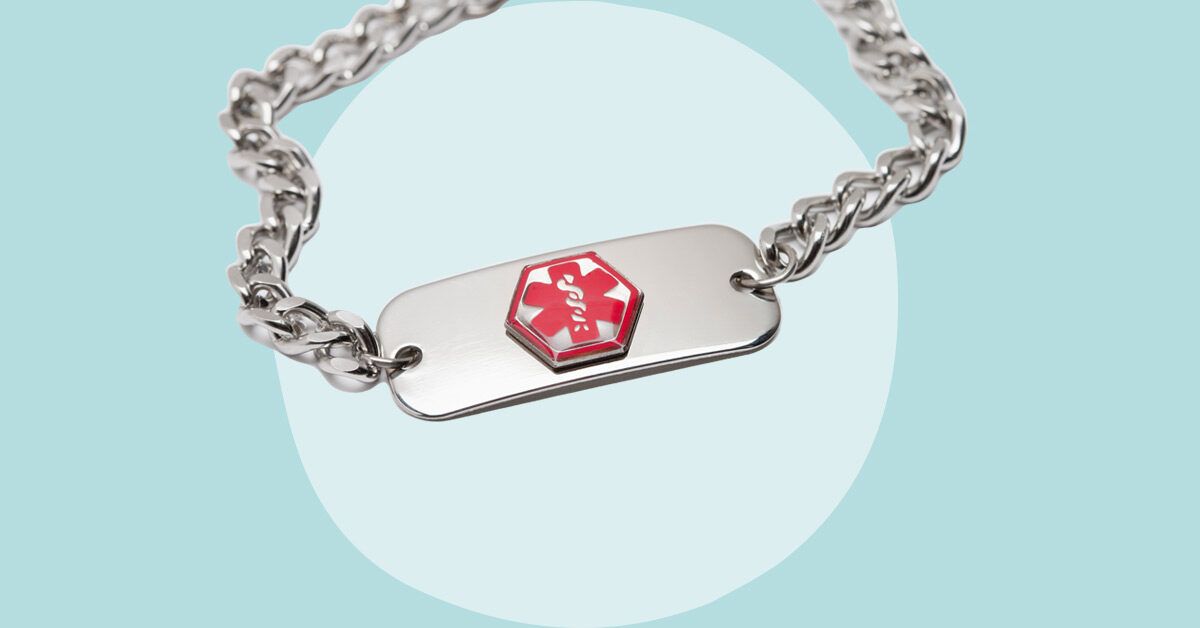
Let’s be honest: most of us spend more time choosing phone cases than emergency-preparedness gear. But when a medical emergency hits and someone can’t speak for themselves, a tiny piece of jewelry can do a very big job. Medical bracelets (also called medical ID bracelets or medical alert bracelets) communicate critical health information fastbefore confusion, guesswork, or treatment delays can make things worse.
This guide breaks down what medical bracelets do, who should wear one, what to engrave, how much they cost, and how to pick the right one without turning your shopping cart into a regret museum. It synthesizes practical guidance commonly echoed across U.S. health organizations and major medical ID providers, then translates it into human language you can actually use.
What Is a Medical Bracelet, Exactly?
A medical bracelet is wearable identification that displays important health details, usually with the universal medical symbol. In emergencies, it helps first responders and ER teams quickly understand conditions, allergies, medications, or treatment considerations that may change immediate care.
Think of it as a wrist-sized emergency memo:
- Who you are (name or initials)
- What condition you have (for example, Type 1 diabetes or epilepsy)
- What not to give you (critical allergies or contraindications)
- What to do now (carry epinephrine, on anticoagulants, etc.)
- Who to call (ICE contact)
Some bracelets are simple engraved metal IDs. Others connect to digital profiles via QR or app-linked systems for expanded records. Both styles can workthe best one is the one the person will actually wear consistently.
Why Medical Bracelets Matter
1) They reduce guesswork when every minute counts
In emergencies, people may be unconscious, disoriented, or unable to explain their history. A visible medical ID can immediately signal risks and speed safer treatment decisions. For many conditions, quick recognition can prevent avoidable complications.
2) They support condition-specific care
For example, low blood sugar can mimic intoxication or confusion. A bracelet identifying diabetes can quickly steer the response in the right direction. Seizure disorders, serious allergies, bleeding disorders, and anticoagulant use are other common scenarios where the right information changes immediate care priorities.
3) They are useful in travel, school, sports, and daily life
Medical issues don’t wait for business hours or quiet environments. A child on a field trip, a traveler in a new city, a runner at a park, or an older adult living independently can all benefit from fast, visible identification.
Who Should Consider Wearing a Medical Bracelet?
Not everyone needs onebut many people benefit. Here are groups commonly advised to consider medical ID jewelry:
People with diabetes
Medical identification is widely recommended in diabetes safety education, especially for people at risk of severe hypoglycemia or those using insulin. If blood glucose drops dangerously low, responders need immediate context.
People with seizure disorders or epilepsy
Seizure events can happen in public places where bystanders may not know what’s happening. A bracelet can communicate the diagnosis and support appropriate first aid decisions while help is on the way.
People with severe allergies or anaphylaxis risk
Drug, insect, or food allergies can progress rapidly. Medical ID can highlight known triggers and alert responders to allergy risk. For some patients, clinicians treat this as a core layer in a broader emergency plan.
People on blood thinners or with bleeding disorders
Anticoagulant use and bleeding disorders can affect trauma and procedural decisions. If a person cannot communicate, rapid identification may help teams avoid delays and reduce risk.
People with dementia or wandering risk
Identification jewelry can help reconnect a person with caregivers and provide critical context when communication is limited.
Frequent travelers with chronic conditions
Travel introduces language barriers, unfamiliar systems, and time away from regular clinicians. Wearable identification can be a practical backup to paper records and phone medical IDs.
What to Engrave on a Medical Bracelet
Engraving space is tiny, so every character must earn its place. Prioritize information that directly affects urgent treatment.
Best-priority engraving checklist
- Name: Full name or first name + last initial
- Primary condition: “Type 1 Diabetes,” “Epilepsy,” “Severe Peanut Allergy,” etc.
- Critical risk details: “On Warfarin,” “No Penicillin,” “Epi Carry,” “Adrenal Insufficiency”
- Emergency contact: “ICE Mom 555-123-4567”
- Optional service prompt: “Call Medical ID Service” if you use a 24/7 profile provider
Keep it short and clinically useful
“Allergic to all meds ever made” is dramatic, but not helpful. Specific and concise beats vague and long. If space runs out, include the most life-impacting details first.
Review engraving with your clinician for complex cases
If someone has multiple diagnoses, implanted devices, unusual contraindications, or rescue-medication instructions, a clinician can help prioritize what belongs on metal versus in a linked digital profile.
Types of Medical Bracelets
Classic engraved metal bracelets
Durable, easy to spot, and no battery required. Great for users who want immediate readability without scanning or apps.
Sport silicone IDs
Lightweight, waterproof, and comfortable for kids, athletes, and people who dislike metal jewelry. Often lower cost.
Interchangeable tag systems
A single engraved plate can move between bands (leather, nylon, silicone, watch straps). Practical if style compliance is your biggest challenge.
QR/NFC or profile-linked IDs
Useful when a person has complex history, medication lists, or changing care details. The trade-off: responders still need to notice and scan the ID, so visible core engraving remains important.
Materials, Comfort, and Skin Sensitivity
Comfort is not “nice to have.” If the bracelet irritates skin, it ends up in a drawer. For people with metal sensitivity:
- Look for nickel-free or hypoallergenic options.
- Common alternatives include surgical-grade stainless steel, titanium, sterling silver, and other low-reactivity materials.
- If eczema or contact dermatitis is common, test wear gradually and monitor skin.
Fit matters too: too loose can snag, too tight can be uncomfortable. For children, adjustable bands save money as they grow.
Medical Bracelet Price Guide (U.S., 2026 Snapshot)
Price depends on material, brand, engraving, and whether you add subscription-based emergency profile services.
Typical one-time bracelet costs
- Budget silicone/basic IDs: about $10–$30
- Engraved stainless options: around $20–$60
- Fashion-forward sterling/titanium: roughly $50–$150+
- Premium precious-metal styles: can run far higher
Examples from major U.S. sellers
- MedicAlert: examples include entry products around $19.99; some premium pieces are much higher. Membership plans are commonly listed around $35, $55, and $75 per year depending on service level.
- ROAD iD: many ID products are priced from about $19.99, with optional digital profile subscriptions offered on separate plans.
- Lauren’s Hope: products commonly span under-$50, $50–$100, and $100+ ranges depending on style/material.
- American Medical ID: entry stainless styles are often listed near $19.95, with optional engraving services priced separately in some product configurations.
Budget reality check
You do not need luxury jewelry for medical safety. A clear symbol, accurate engraving, and consistent wear beat expensive style every time.
Can You Use FSA or HSA Funds?
In many cases, medical ID jewelry may be eligible through health spending accounts, but eligibility can vary by plan administrator and documentation requirements. Always verify with your benefits portal before checkout.
How to Choose the Right Bracelet in 10 Minutes
- List emergency-critical facts (condition, allergies, key meds).
- Pick visibility first (recognizable symbol, readable font).
- Choose comfort (material and fit for daily wear).
- Decide metal-only vs linked profile based on complexity.
- Set a budget (bracelet + potential annual plan).
- Order engraving carefully and proofread twice.
- Recheck yearly for medication or diagnosis changes.
Common Mistakes to Avoid
- Too much text: If it reads like a novel, it fails in a crisis.
- Vague language: “Allergies” is less useful than “Penicillin Allergy.”
- Outdated information: Old meds and old contacts create new problems.
- Style over function: Hidden symbols and tiny fonts look cool, work poorly.
- Drawer syndrome: The best bracelet is the one worn every day.
Experience Roundup: 500+ Words From Real-World Scenarios
The following experience-style examples reflect common, real-life situations people report when using medical bracelets. Names are fictional, but the scenarios are practical and representative.
1) “I thought it was optionaluntil it wasn’t” (Type 1 diabetes, college student)
Ava, a sophomore juggling classes, part-time work, and unpredictable meal timing, used to rely only on her phone lock screen medical info. She considered a bracelet “extra.” One evening after intramural practice, she developed severe low blood sugar and got confused in a crowded campus gym. A staff member noticed she wasn’t answering clearly and called for help. The key detail? She had recently started wearing a simple silicone medical ID after her endocrinology visit.
Paramedics recognized the diabetes alert immediately and treated her quickly. Later, Ava said the bracelet did two things her phone couldn’t: it was instantly visible, and it didn’t require anyone to unlock anything. Her takeaway was practical, not dramatic: “I still use digital medical info, but now I treat the bracelet as my always-on backup.” She also updated her engraving from generic wording to specific wording after discussing it with her care team.
2) “The cheapest one worked perfectly” (Seizure disorder, warehouse supervisor)
Marcus had delayed buying medical ID jewelry because he assumed quality meant expensive. He eventually bought an affordable stainless steel option with clear seizure information and an ICE contact. A few months later, he had a seizure at work during a busy shift. Coworkers who weren’t familiar with his condition initially panicked, but one spotted the bracelet and relayed details to emergency personnel.
The outcome was good, and Marcus became the unofficial “medical ID ambassador” on his team. His point is worth repeating: function beat fashion. He now keeps a second band as a backup and checks his contact number every few months. The bracelet was not glamorous, but it was readable, durable, and exactly what responders needed in the moment.
3) “Allergy info avoided a scary medication mistake” (Drug allergy, retired teacher)
Linda has a history of severe antibiotic allergy. She wears a bracelet engraved with the specific drug class and carries a wallet card with fuller details. After a fall while traveling, she was evaluated at an urgent care clinic where she was in pain and not thinking clearly. During intake, the bracelet prompted an immediate allergy check before medication was ordered.
She later described the moment as “boring in the best possible way”no drama, just the right pause at the right time. That pause prevented the wrong medication from being given. Linda now recommends a layered system: bracelet for high-priority warnings, card/phone for expanded details, and an emergency contact who knows her medication history.
4) “Dementia care got easier with visible ID” (Caregiver experience)
Ethan helps care for his father, who has memory impairment and occasional wandering behavior. They added a clearly marked ID bracelet with diagnosis language and caregiver contact information. Ethan says the bracelet changed day-to-day stress levels more than he expected. It didn’t replace supervision, neighborhood planning, or door alertsbut it added a crucial safety layer.
During one incident, a neighbor found his father disoriented near a bus stop. The bracelet made it easy to contact family quickly and explain the situation to responders. Ethan’s lesson: in caregiving, no single tool solves everything, but small, reliable tools reduce risk and panic when routines break down.
5) “I finally found one I would actually wear” (Nickel sensitivity, marathon runner)
Jess had tried medical bracelets before but stopped because metal bands irritated her skin. After patchy rashes and multiple failed attempts, she switched to a hypoallergenic, sports-friendly option with a replaceable engraved plate. Compliance went from “sometimes” to daily wear.
She also learned that comfort influences safety behavior. If a bracelet pinches, snags, or causes dermatitis, people quietly abandon it. Jess now treats comfort testing like shoe testing: wear it for regular days, workouts, shower routines, and travel before declaring success. Her one-line advice: “The best medical bracelet is not the prettiest oneit’s the one still on your wrist six months later.”
Final Thoughts
Medical bracelets are low-tech, high-impact tools. They can improve emergency clarity for diabetes, seizure disorders, severe allergies, anticoagulant use, bleeding disorders, dementia-related wandering, and other high-risk conditions. They are most effective when information is specific, visible, current, and worn consistently.
If you’re deciding today, start simple: pick a comfortable style, engrave the most critical facts, and wear it daily. You can always upgrade later. In emergency preparedness, practical beats perfectevery single time.