

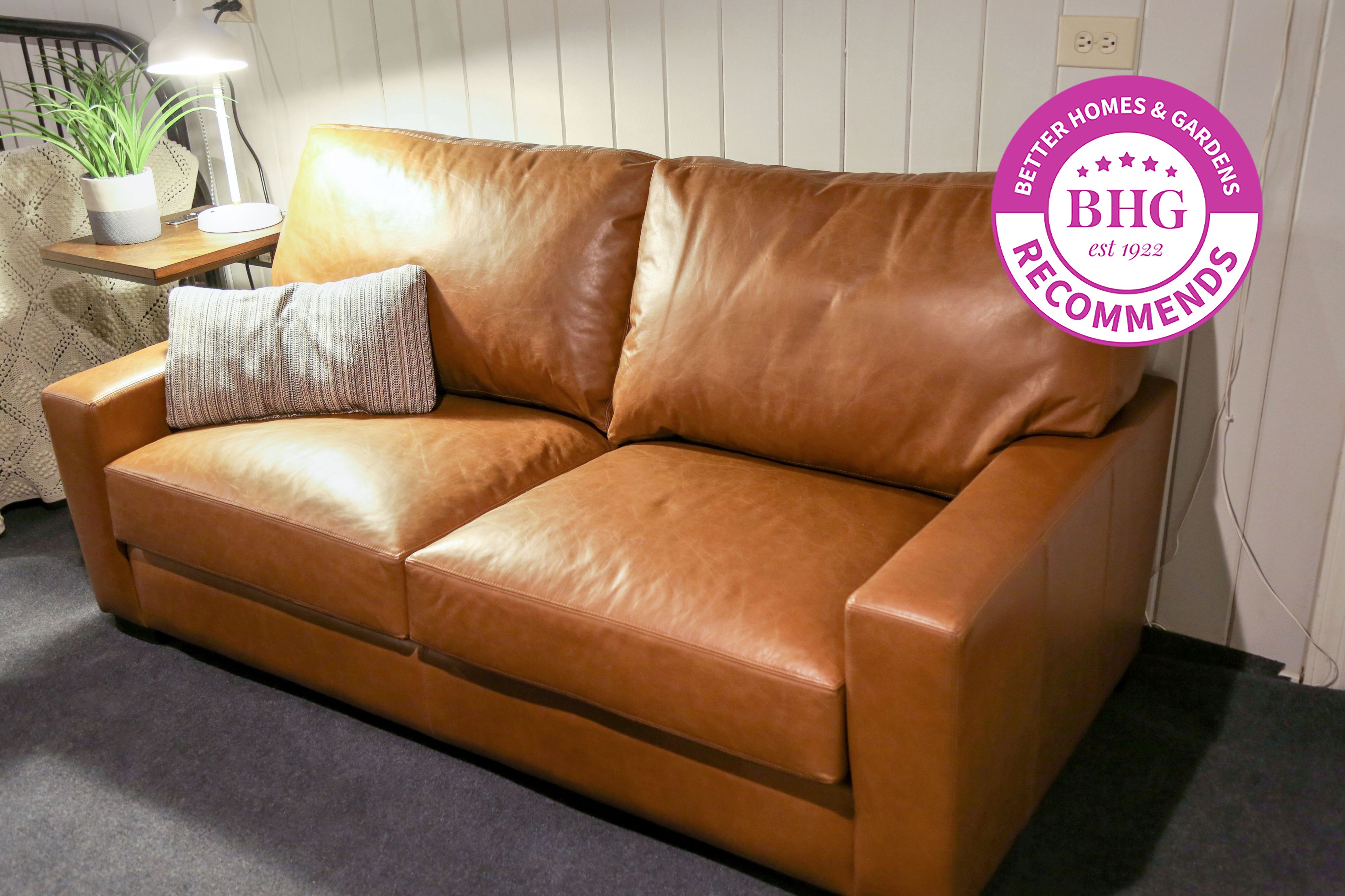
Buying a leather couch is a little like adopting a very handsome, very expensive pet: it looks amazing in your home,
it has a personality (hello, patina), and it absolutely will react to the choices you makelike where you place it,
how you clean it, and whether your household contains a golden retriever who believes every sofa is a trampoline.
Better Homes & Gardens (BHG) tested top leather couches and narrowed the field to six standoutsranging from a
classic full-grain sofa you can keep for years to modular sectionals built for real life (a.k.a. crumbs, hair, and
movie-night chaos). This article distills BHG’s tested picks, explains what makes each one worth your attention,
and adds a practical buying guide so you can choose confidentlywithout getting seduced by the words “Italian leather”
and forgetting to measure your doorway.
At a glance: BHG’s 6 best leather couch picks
| Best for | Tested pick | Why it stands out |
|---|---|---|
| Overall | Pottery Barn Turner Square Arm Leather Sofa | Classic shape, full-grain leather, comfort you’ll actually use daily |
| Design | Crate & Barrel Gather Leather 2-Piece Sectional Sofa | Modern profile, roomy seating, surprisingly “sink-in” for a clean-lined look |
| Pets | Ashley Furniture Leather Modular Sectional | Easy cleanup, pet hair doesn’t cling as much, built for busy households |
| Faux leather | BHG Nola Modern Futon (Walmart) | Small-space friendly, converts to a sleeper, budget-friendly style |
| Suede-like leather | Sixpenny Aria Leather Sofa | Soft nubuck feel, cozy silhouette, “curl-up” comfort factor |
| Mid-century modern | Burrow Nomad Collection (leather option) | Modular convenience, modern features, sharp lines with leather-upgrade potential |
The 6 best leather couches (BHG-tested): deep dive reviews
Best Overall: Pottery Barn Turner Square Arm Leather Sofa
If you picture “a leather couch” and your brain immediately supplies a timeless living room that smells faintly of a
fancy candle… this is that vibe. BHG’s top overall pick is the Pottery Barn Turner, praised for comfort, sturdy
construction, and a classic silhouette that won’t feel dated the moment a new TikTok aesthetic drops.
- Material: Full-grain leather (a big plus for durability and aging well)
- Fit flexibility: Available in different sizes and depths (helpful if you’re tall, petite, or just serious about lounging)
- Comfort notes: Supportive enough for daily sitting, but still inviting for long movie nights
- Keep in mind: Premium materials and customization often mean a higher price and longer lead time
Who it’s for: Anyone who wants one “forever couch” that can handle everyday life and still look better over time.
If you’re the type to keep a good pair of boots until they’re perfect? Same energy.
Best Design: Crate & Barrel Gather Leather 2-Piece Sectional Sofa
The Gather sectional is a smart pick for people who want a modern, tailored look without sacrificing comfort. BHG’s
testers highlighted how this sectional balances clean lines with a relaxed sitso it doesn’t feel like “museum
furniture” you’re afraid to touch.
- Style: Contemporary profile that works in both minimalist and warm-modern rooms
- Seating: Sectional layout makes it naturally social (great for families and entertaining)
- Comfort notes: Good “sprawl space” without feeling sloppy
- Keep in mind: Sectionals demand careful measuringwall space, walkway clearance, and doorways
Who it’s for: People who want their living room to look pulled together, but still function like a real living room.
Best for Pets: Ashley Furniture Leather Modular Sectional
If your household includes a furry roommate who sheds like it’s their full-time job, you’ll appreciate why this made
BHG’s list. The testers called out how pet hair was less of a clingy situation compared with many fabric optionsand
that day-to-day cleanup felt manageable.
- Layout: Modular design can adapt to your room (and your future rearranging impulses)
- Practical win: Easier surface cleanup vs. many textiles
- Comfort notes: A roomy, lounge-friendly sectional vibe
- Keep in mind: Even durable leather can scratchtrim nails and use throws in favorite “launch zones”
Who it’s for: Pet owners who want a living room that looks nice without pretending pets don’t live there.
Best Faux Leather: Better Homes & Gardens Nola Modern Futon (Walmart)
Not everyone needs (or wants) a high-investment leather sofa. BHG also highlighted a faux-leather option that makes
sense for small spaces, guest rooms, first apartments, or anyone building a home on a real-world budget.
- Material: Faux leather upholstery
- Small-space perks: Split-back design with multiple lounging positions; converts into a sleeper
- Style: Mid-century-inspired look with tufting and tapered legs
- Keep in mind: Faux leather doesn’t develop patina the way real leather does, and durability can vary
Who it’s for: Anyone who wants the look fast, functional, and affordableespecially if your space (or lease) is temporary.
Best Suede-Like Leather: Sixpenny Aria Leather Sofa
This pick is for the “I want cozy” crowd. The Aria uses nubuck leather, which has that softer, velvety hand-feel that
reads warm and invitingalmost like suede, but still leather. Sixpenny’s product details describe a French nubuck
leather upholstery and a generous silhouette designed for comfort-forward lounging.
- Material: Nubuck leather (soft, matte, suede-like feel)
- Look: Relaxed and elevatedlike your couch has a skincare routine
- Comfort notes: “Curl-up” friendly depth and softness
- Keep in mind: Nubuck can show marks more easily than heavily coated leathers, so care matters
Who it’s for: People who want a leather sofa that feels plush and cozynot firm and formal.
Best Mid-Century Modern: Burrow Nomad Collection (leather option)
BHG highlighted Burrow’s Nomad for its mid-century modern lines and practical, modular-friendly approach. While BHG’s
testing referenced the Nomad line and its strengths, Burrow also offers a leather sofa version with top-grain leather
described as coming from an Italian tanneryappealing if you want the sleek look with a leather upgrade.
- Design: Clean, modern lines with that iconic mid-century “low profile” feel
- Modular advantage: Easier delivery and setup vs. traditional one-piece sofas
- Leather option: Top-grain leather (as described by the brand)
- Keep in mind: Always confirm materials, cushion feel, and return terms before committing
Who it’s for: Anyone who wants modern style, modular convenience, and the option to go leather without shopping
like it’s an Olympic sport.
What “tested by BHG” really means (and why you should care)
BHG’s testing approach focuses on the things that matter after the unboxing glow fades: comfort for real sitting,
practicality for everyday living, and whether the couch holds up to routine use. In other words, they’re not just
admiring leather from across the roomthey’re evaluating how it performs when you actually live on it.
That matters because leather couches are an investment, and the best one isn’t always the priciest. It’s the one that
matches your lifestyle: how you sit, how you clean, who (or what species) shares your space, and whether you need a
sectional that can pivot when you decide your “new year, new layout” era has arrived.
Leather couch buying guide: how to choose the right one
1) Know your leather types (so you don’t accidentally buy “glued confetti”)
Not all “leather” is created equal. Here’s the practical breakdown:
- Full-grain leather: The most natural surface; tends to age beautifully and develop patina.
- Top-grain leather: Sanded/refined surface; often more uniform in appearance, still high quality.
- Semi-aniline leather: Has a light protective coating, balancing a natural look with easier maintenance.
- Pigmented leather: More heavily coated, typically the most durable and easiest to clean, though less “buttery” in feel.
- Nubuck: Buffed surface for a soft, suede-like hand-feel; cozy but can show marks more easily.
- Faux leather: A synthetic alternative that can mimic the look, usually with a lower price tag.
If your top priority is low-maintenance durability (kids, pets, snacks, and the occasional “oops”), semi-aniline or
pigmented leather often makes life easier. If your top priority is that rich, natural look and patina, full-grain can
be a long-term love story.
2) Decide what comfort means to you (before the couch decides for you)
“Comfortable” can mean three completely different things:
- Supportive sit: Upright enough for reading, chatting, or working on a laptop.
- Sink-in lounge: Softer cushions and deeper seats for movie nights and naps.
- Balanced: A middle ground that works for both guests and everyday flopping.
A helpful cheat code: pay attention to seat depth. Deeper seats are dreamier for lounging; standard
depths feel better for shorter legs or more upright sitting. If you can choose a depth option (like BHG’s best overall
pick offers), that’s a meaningful upgrade because it tailors the couch to your body, not just your room.
3) Measure like a responsible adult (and then measure again)
Leather couches tend to be heavier and less forgiving than some soft, squishy fabric sofas. Before you buy:
- Measure your wall space and your walking paths.
- Measure doorways, hallways, stair turns, and elevator depth (if applicable).
- For sectionals: confirm the chaise direction and whether it’s reversible.
Pro tip: tape the couch footprint on the floor with painter’s tape. If you can’t open a cabinet or walk through the
room without turning sideways, your future self will not be delighted.
4) Match the couch to your real life (kids, pets, sunshine, and snacks)
Leather is often a smart choice for busy homes because it can wipe cleanbut the “right leather” depends on the chaos
level. If you have pets, consider a more durable, protected leather finish and use throws on favorite lounging spots.
If your couch will sit in bright sun, plan placement carefully (direct sunlight can dry and fade leather over time).
Care & cleaning: keep your leather couch looking good for years
Leather is durable, but it’s not invincible. The good news: you don’t need a complicated routinejust consistency and
a few “don’t do that” rules.
How often should you clean a leather couch?
- Regular upkeep: Vacuum/dust at least every 1–2 weeks to keep grit from acting like sandpaper.
- Deep cleaning: About 1–2 times per year, depending on color and how much life happens on your sofa.
- Conditioning: Every 6–12 months helps keep leather supple and less prone to cracking.
General rules that prevent “why does my couch look tired?”
- Avoid harsh chemicals: Skip alcohol, ammonia, bleach products, and sanitizing wipes/sprays on leather finishes.
- Go easy on water: Use a damp cloth, not a wet onetoo much moisture can stain.
- Keep it out of direct sunlight/heat: Heat can dry leather and sunlight can fade it.
- Rotate cushions: Even wear makes your couch age gracefully, not lopsidedly.
- Act fast on spills: Blot, don’t rub. Your couch doesn’t need help spreading the problem.
Simple step-by-step cleaning (safe, realistic, and not dramatic)
A practical approach used by cleaning guides is: remove dust and debris first, then clean gently with mild solutions,
and finish with occasional conditioning.
- Vacuum and dust: Use a soft brush attachment and a microfiber cloth to lift crumbs and grit.
- Test first: Try any cleaner on a hidden spot so you don’t discover “surprise discoloration” in your main seating area.
- Use mild soap solution if needed: A gentle, pH-neutral soap diluted with distilled water is commonly recommended for routine cleaning.
- Wipe lightly: Work in soft, circular motions with a slightly damp microfiber clothno aggressive scrubbing.
- Dry promptly: Buff with a clean, dry cloth.
- Condition periodically: Every 6–12 months can help maintain softness and reduce cracking risk.
If you’re dealing with stains, choose a method that matches the stain type (for example, grease vs. ink vs. general
dirt), and always follow the manufacturer’s instructionsespecially if your couch is under warranty.
Common mistakes to avoid when shopping for leather couches
- Buying for looks only: That sleek, firm couch might photograph like a dream and feel like a park bench.
- Ignoring the leather finish: The finish affects durability, maintenance, and how the couch will age.
- Skipping the measuring step: A couch that doesn’t fit through your door is… modern art, I guess.
- Forgetting lifestyle factors: Pets, kids, sunlight, and snack habits should influence your choice more than trend cycles.
FAQs
Are leather couches good for families with kids?
Often, yes. Many households like leather because spills can be wiped up quickly. A more protected leather finish tends
to be easier to maintain than delicate, untreated finishes. (Still: clean spills quickly and avoid harsh cleaners.)
Will a leather couch feel cold or sticky?
Leather can feel cool at first in winter and warmer in summerblankets and breathable throws help. “Sticky” usually
comes from heat, humidity, or product buildup, which is another reason gentle, appropriate cleaning matters.
Is faux leather a good alternative?
Faux leather can be a smart choice for budgets and short-term living situations. You won’t get natural patina, but you
can absolutely get a stylish lookespecially in smaller spaces or guest rooms where flexibility matters.
Extra: Real-life experiences with leather couches (what you learn after the first month)
Let’s talk about the part nobody tells you when you’re admiring leather couches online at 11:47 p.m.: living with
leather is a relationship. It’s a good relationship, but it has quirks.
First, there’s the break-in phase. A new leather couch can feel a little firm, especially if it’s built
with a supportive seat for longevity. Give it time. Like a quality pair of leather shoes, it relaxes with use. The
cushions settle, the surface becomes more supple, and suddenly the couch feels less like a showroom display and more
like a place where actual humans belong.
Then comes the patina storyline. If you choose a more natural leather (especially higher-grade options),
your couch will develop character. You might see subtle lightening where you sit most, or gentle creasing along the
seat. This is normaland, for many people, the whole point. It’s the difference between “looks brand-new forever” and
“looks better because it’s lived-in.” If you’re the kind of person who panics at the first wrinkle in a new shirt,
you may prefer a more protected finish. If you like that warm, collected look, patina becomes a feature, not a flaw.
In homes with kids and pets, leather can be refreshingly practical. Crumbs and dog hair don’t dig in the
way they can with some fabrics; you can usually vacuum quickly and wipe down the surface. But here’s the honest part:
claws and sharp objects matter. Leather is tough, but it’s not immune to scratchesespecially on softer, more natural
finishes. The real-life strategy is simple: keep nails trimmed, place a throw where your pet “launches,” and avoid
letting keys or sharp belt buckles scrape the seat. (Yes, I’m looking at the person who puts their keys on the couch
“for a second.”)
You’ll also learn leather’s temperature personality. In cooler months, leather can feel chilly until it
warms up. In warmer months, it can feel warmer to the touch than a breathable woven fabric. The fix is easy and
stylish: a cotton throw in summer, a cozy blanket in winter, and maybe one “always there” pillow that quietly makes
the couch feel more inviting year-round.
The biggest surprise for many people is how much placement matters. Put leather in direct sunlight and
it may dry out faster or fade over time. Place it too close to a heat source and it can lose moisture and feel less
supple. A leather couch does best where it can live like a well-treated houseplant: bright room, yesdirect blasting
sun, no.
Finally, there’s the “maintenance reality check.” Leather doesn’t need constant babysitting, but it loves a simple
routine: dusting, light wiping, and occasional conditioning. When you do that, leather tends to reward you with years
of good looks and comfort. When you ignore it completely, it still holds onbut it may start looking dull or dry,
like it’s begging for a glass of water and a nap.
In other words: a great leather couch is less about perfection and more about choosing the right finish and feel for
your life. Pick the one that matches your household, keep it clean gently, and let it age into the best version of
itself. Honestly? Goals.
Conclusion
The best leather couch is the one that fits your space, matches your comfort style, and won’t stress you out every
time someone eats pizza within a five-foot radius. BHG’s tested picks cover a range of needsfrom a classic full-grain
sofa you can keep for years to modular and faux-leather options that make sense for real budgets and real rooms.
Choose your leather type thoughtfully, measure carefully, and stick to gentle cleaning habitsyour couch will look
better over time, not worse.