

If you’ve ever peeled back a wall during a renovation and found fluffy yellow or pink fiberglass staring back at you, you already know the usual suspects of home insulation. But mineral wool insulationalso known as rock wool or stone wooldeserves its own moment in the spotlight. It’s fire-resistant, sound-blocking, moisture-repelling, and built like it studied defensive architecture in graduate school. Whether you’re upgrading an attic, building a recording studio, or simply trying to keep your heating bills from refinancing your home, mineral wool is a powerhouse worth understanding.
What Exactly Is Mineral Wool Insulation?
Mineral wool insulation is a category of insulation made from either natural stone (usually basalt), industrial slag, or a blend of both. These raw materials are heated to extremely high temperaturesthink volcanic island levelsuntil they melt into a lava-like liquid. That molten mix is spun into thin fibers, which then get compressed into batts, boards, or loose-fill insulation.
While fiberglass is made from melted glass, mineral wool has a denser, more durable feel. The fibers interlock closely, creating a product that stands firm even when pushed, squeezed, or tucked into tight spaces. Many homeowners choose it specifically for its structural stabilitymineral wool doesn’t sag, slump, or collapse over time.
What Mineral Wool Is Made From
The two main sources for mineral wool are:
1. Rock Wool
Rock wool comes from igneous rock, typically basalt. Manufacturers melt the stone at temperatures beyond 2,000°F, spin it into fibers, then press it into insulation. This rock-based process is what gives mineral wool its impressive fire resistance and durability.
2. Slag Wool
Slag wool is created using blast furnace slag, a recycled byproduct from steel manufacturing. Instead of ending up as industrial waste, slag gets transformed into high-performing insulation. This makes mineral wool one of the more environmentally friendly insulation choices.
Key Benefits of Mineral Wool Insulation
Exceptional Fire Resistance
This might be mineral wool’s biggest bragging right. It can resist temperatures above 1,800°F and is considered noncombustible. In many fire-rating assembliessuch as party walls between townhomes or around HVAC systemsmineral wool is the gold standard. It doesn’t melt, smoke, or drip when exposed to flames, making it a strong partner in passive fire protection.
Outstanding Sound Absorption
If you’ve ever dreamed of a quieter home, mineral wool should be on your radar. Thanks to its density and fibrous structure, it absorbs sound waves more effectively than many other insulation types. It’s a top pick for:
- Home theaters
- Recording studios
- Shared walls
- Noisy urban homes
- Bedrooms next to teenage drummers
Its sound-dampening ability often outperforms fiberglass, making it a go-to in both residential and commercial acoustics.
Moisture and Mold Resistance
Mineral wool doesn’t absorb water like other insulation materials can. If moisture infiltrates the wall cavity (hello, leaky windows), mineral wool allows water to pass through without holding onto it. This means less risk of mold or mildew growth, making it ideal for damp basements, bathrooms, and coastal climates.
Strong Thermal Performance
Mineral wool has an R-value of roughly R-3.7 to R-4.3 per inch, depending on the product. That places it slightly above standard fiberglass and close to some spray foam insulation. While it may not match the extremely high R-values of closed-cell foam, mineral wool offers an excellent balance of performance, cost, and environmental sustainability.
Durability That Lasts
Mineral wool doesn’t shrink, settle, compress, or lose efficiency as the years roll by. Many insulation experts praise it for being one of the most stable materials on the market. Once installed, it stays putno sliding down wall cavities or turning into a pancake in the attic.
Where Mineral Wool Insulation Works Best
Exterior Walls
Mineral wool batts slip easily into wall studs and deliver soundproofing, fire resistance, and thermal performance all at once. They also fit snugly without the need for staples or adhesives.
Attics and Roof Assemblies
For attic insulation, mineral wool’s moisture resistance makes it a strong competitor. Many homeowners choose it in climates with large temperature swings, where attic condensation can become an issue.
Basements
Basements tend to host moisture like it’s a permanent roommate. Mineral wool’s mold resistance helps keep musty smells and potential health hazards at bay.
Acoustic Projects
From DIY music booths to sound-isolating walls in multifamily housing, mineral wool is a staple. Contractors use it to improve Sound Transmission Class (STC) ratings and keep noise from transferring through walls or floors.
Fire-Rated Assemblies
In commercial buildings and multi-unit homes, mineral wool is often required for meeting fire code standards. It’s used around chimneys, behind fireplaces, around steel beams, and in mechanical rooms.
Is Mineral Wool Insulation Safe?
Yes. Modern mineral wool manufactured in the U.S. meets strict air-quality and safety standards. Older versions of mineral wool sometimes had binders that emitted small amounts of formaldehyde, but today’s products are typically formaldehyde-free. They are also manufactured to minimize dust and loose fibers.
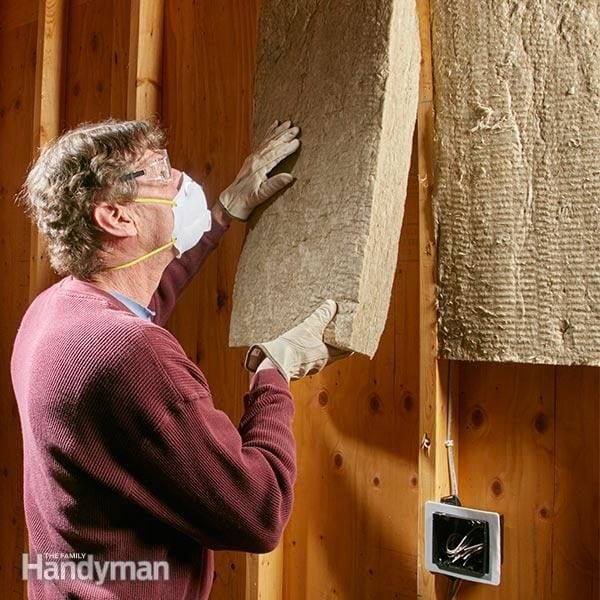
While installing mineral wool, you should still use common safety gear: gloves, long sleeves, goggles, and a mask. The fibers can be itchy, similar to handling fiberglass. Once in place and sealed behind drywall or sheathing, mineral wool poses no health risks for homeowners.
Mineral Wool vs. Fiberglass: How Do They Compare?
Both are popular insulation options, but mineral wool offers several advantages:
- Higher R-value per inch in many cases
- Better sound absorption
- Superior fire resistance
- Improved moisture resistance
- More rigid and easier to fit snugly
Fiberglass remains cheaper and widely available, making it a budget-friendly choice. However, many builders argue that mineral wool’s additional benefits justify the slightly higher price tagespecially in homes where comfort and noise reduction matter.
Environmental Benefits
Mineral wool contains a high percentage of recycled materials, sometimes up to 70% depending on the manufacturer. It’s non-combustible, durable, and recyclable in certain facilities. Its energy-saving capabilities also reduce carbon emissions in homes over time.
How Much Does Mineral Wool Insulation Cost?
Costs vary by region and manufacturer, but generally:
- Mineral wool batts: $0.80 to $1.50 per square foot
- Fiberglass batts: $0.50 to $1.00 per square foot
- Rigid mineral wool boards: $1.50 to $4.00 per square foot
The slightly higher cost is often offset by energy savings, fewer moisture issues, and better long-term performance.
Installation: DIY or Hire a Pro?
Mineral wool insulation can be DIY-friendly if you’re comfortable with basic tools. Batts are easy to cut using a serrated blade or insulation knife. They also stay rigid, which makes them easier to position inside wall cavitiesno floppy fiberglass frustrations here.
Hire a professional if you’re insulating complex areas, such as fire assemblies, multi-story exterior walls, or spaces with intricate ductwork.
500-Word Experience Section: Real-World Insights and Lessons Learned
When you talk to homeowners and contractors who’ve used mineral wool insulation repeatedly, a few themes come upusually with the enthusiasm of someone who’s survived one too many noisy neighbors or one moldy basement. Here’s what real-world renovation pros consistently report.
The Soundproofing Difference Is Immediate. One homeowner described installing mineral wool in his home office wall after enduring years of Zoom calls with kids playing Mario Kart on the other side. He said the difference was “like someone finally discovered the mute button in real life.” Many homeowners report the same thing: sound transmission drops dramatically as soon as the wall is closed up.
It Performs Best When the Space Has Temperature Swings. In older homes, especially those lacking modern vapor barriers, condensation can build up inside wall cavities. Contractors say mineral wool is one of the few insulation types that tolerates imperfect conditions without deteriorating. A builder in Minnesota noted that mineral wool “handles wet seasons like a champ,” especially compared to fiberglass, which can become soggy and lose its insulating power.
Installing It Is Cleaner Than Expected. While mineral wool does have some loose fibers, many DIYers say they were surprised by how much easier it was to handle than fiberglass. It doesn’t puff into clouds when cut, doesn’t drift around the room as much, and stays firm when slid into studs.
Fire Resistance Isn’t Just MarketingIt’s Reassuring. Builders often share stories about mineral wool preventing ignition during controlled burn tests. One remodeler recalled renovating a kitchen where faulty wiring had caused minor wall scorching. The mineral wool behind the drywall remained perfectly intact, with no melting or smoke damagesomething fiberglass wouldn’t have survived nearly as well.
It’s Becoming the Go-To for Green Builders. Environmentally minded contractors appreciate that mineral wool often contains recycled materials and can help meet energy-efficiency standards without relying on chemical foams. For homeowners who want high performance without spray foam’s concerns, mineral wool is becoming the “just right” option.
The Only Real Drawback? The price. But most users end up saying the benefits outweigh the cost difference, especially if they plan to stay in the home long-term. Mineral wool is one of those upgrades that quietly pays offliterallythrough lower energy bills, quieter rooms, and longer-lasting wall assemblies.
Conclusion
Mineral wool insulation is robust, fire-resistant, sound-absorbing, mold-resistant, and built to last. Whether you’re renovating one room or constructing an energy-efficient home from scratch, it delivers performance that many other insulation types struggle to match. With a blend of environmental benefits and real-world durability, mineral wool has earned its spot as one of the most reliable and versatile insulation materials available today.