

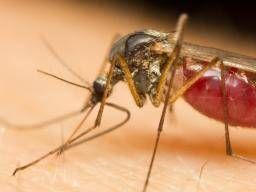
Few creatures have accomplished so much with so little branding power as the mosquito. Iy whines near your ear at 2 a.m., steals a tiny sip of blood, and leaves behind an itch with the staying power of an awkward family reunion.
But some mosquitoes are more than backyard nuisances. Certain Aedes mosquitoes can spread Zika virus, a mosquito-borne infection that drew worldwide attention because of its potential impact during pregnancy. The Zika outbreak showed how a very small insect, a little standing water, frequent travel, and a virus with often mild symptoms can create a serious public-health problem.
Understanding Zika starts with understanding the mosquito behind it. Once you know where these mosquitoes breed, when they bite, and how the virus can spread beyond a bite, prevention becomes much less mysterious. It also becomes a lot more practical than waving your hands around like you are directing an orchestra made entirely of panic.
The Zika mosquito: small, striped, and unusually good at finding people
Zika virus is spread mainly through the bite of an infected Aedes mosquito, especially Aedes aegypti and, in some areas, Aedes albopictus. These are the same mosquito groups associated with dengue and chikunya viruses. They are not the large, slow-moving mosquitoes that seem to drift through a summer evening with no particular agenda. Aedes mosquitoes are more personal. They often live close to homes, feed readily on humans, and are comfortable biting indoors or outdoors.
Why Aedes mosquitoes are especially effective disease carriers
The mosquito most closely linked to urban Zika transmission, Aedes aegypti, thrives around people. It prefers human blood, lives near homes, and lays eggs in small containers that hold water. A flowerpot saucer, a forgotten bucket, a birdbath, a clogged gutter, a discarded tire, or a pet bowl can become part of the mosquito’s real-estate portfolio.
Unlike the mosquitoes people often blame for nighttime bites, Aedes mosquitoes commonly bite during the day as well as around dawn and dusk. That matters because many people assume mosquito protection is only a nighttime concern. In a Zika-risk area, the bug spray should not be treated like formalwear reserved for evening events.
Female mosquitoes need blood to produce eggs. After feeding, they look for water to lay those eggs. The eggs hatch when conditions are right, larvae develop in water, and new adults emerge. The process can happen surprisingly quickly in warm conditions. Because these mosquitoes usually do not fly very far, a cluster of bites around a home can point to breeding sites nearby rather than a distant swamp plotting revenge.
How a mosquito bite can become a Zika outbreak
Zika transmission follows a simple but troubling chain. A mosquito bites a person who has Zika virus in their blood. The virus can infect the mosquito. When that mosquito later bites another person, it may pass the virus along. In places where many people live close together and mosquitoes have easy access to small water-filled containers, the cycle can accelerate.
The 2015–2016 Zika epidemic in the Americas made this pattern painfully clear. The virus moved through areas where Aedes mosquitoes were common and where people had limited ability to avoid bites all day. Travel also played a role. A person can become infected while visiting an area with Zika risk, return home, and potentially create opportunities for transmission if local mosquitoes are capable of carrying the virus.
That does not mean every mosquito bite causes Zika or every place with mosquitoes is an outbreak zone. Most mosquitoes do not carry Zika. Still, public-health officials pay close attention to areas where the right mosquito species, favorable weather, human movement, and active virus circulation overlap. That combination is the epidemiological version of leaving pizza, soda, and a group chat unsupervised at a sleepover: things can escalate quickly.
What Zika symptoms look likeand why they can be easy to miss
One of the reasons Zika can spread quietly is that many infected people never develop noticeable symptoms. Others have mild illness that may feel like a short-lived viral infection. Common symptoms can include fever, rash, red eyes, headache, joint pain, muscle aches, and fatigue. Symptoms often last several days to about a week.
Because these symptoms overlap with dengue, chikungunya, influenza-like illnesses, and plenty of other conditions, guessing is not a smart diagnostic strategy. A red-eye-and-rash combination after travel or mosquito exposure deserves medical attention, particularly for pregnant people or anyone who may have exposed a pregnant partner.
Why Zika is especially serious during pregnancy
Zika became a global concern largely because infection during pregnancy can affect a developing fetus. The virus can pass from a pregnant person to the fetus and may cause congenital Zika syndrome, a group of serious birth defects and developmental problems. These can include abnormalities involving the brain, head size, eyes, hearing, joints, muscle tone, and growth.
Microcephaly, in which a baby’s head is smaller than expected because the brain has not developed normally, became one of the most visible signs associated with Zika. However, Zika-related birth effects are broader than one diagnosis. Some babies may have developmental challenges that are not fully apparent at birth, which is why follow-up care and developmental monitoring are important after a confirmed pregnancy exposure.
Zika can also rarely be associated with Guillain-Barré syndrome, a neurological condition in which the immune system attacks nerves and can cause weakness or paralysis. Most people with Zika do not develop this complication, but its possibility is another reason the virus is more than a simple “mosquito rash.”
Zika is not only spread by mosquitoes
Although mosquitoes are the main route of transmission, Zika can also spread through sex, during pregnancy, and in uncommon circumstances involving blood or laboratory exposure. Sexual transmission is important because the virus can remain in semen longer than in some other body fluids. This means a person can feel perfectly healthy and still need to take precautions after travel or a possible exposure.
For couples who are pregnant, trying to conceive, or considering pregnancy, Zika prevention is not just about avoiding bites. It also includes discussing travel plans, possible exposure, and safer sex practices with a healthcare professional. Travel recommendations and geographic risk information can change, so checking current guidance before booking a trip is far more useful than trusting a three-year-old travel blog written by someone whose biggest health concern was probably hotel breakfast quality.
How to prevent Zika: a layered defense works best
There is no routine vaccine that prevents Zika virus infection, so prevention depends on reducing mosquito bites and limiting other possible routes of transmission. The best strategy is not one dramatic anti-mosquito gesture. It is a series of small actions that make your body, home, and travel plans less convenient for mosquitoes.
Use insect repellent correctly
Choose an Environmental Protection Agency-registered insect repellent and follow the label directions. Common active ingredients include DEET, picaridin, IR3535, oil of lemon eucalyptus or PMD products, and certain other registered ingredients. The “best” repellent is often the one that is appropriate for your situation and that you will actually apply consistently.
Apply repellent to exposed skin as directed. If you are also using sunscreen, put sunscreen on first and insect repellent afterward. Reapply according to the product label, especially after sweating heavily or spending long periods outdoors. Do not assume a single swipe at breakfast makes you mosquito-proof until dinner. Mosquitoes have never respected optimism as a protective barrier.
Dress like mosquitoes are on the guest list
Long-sleeved shirts, long pants, socks, and closed shoes can reduce exposed skin. Lightweight, breathable fabrics are especially useful in warm climates. Clothing and gear treated with permethrin can add another layer of protection, but permethrin products should be used according to label directions and generally belong on clothing or equipment rather than directly on skin.
Make your home harder to bite in
Use screens on windows and doors, repair tears in screens, and use air conditioning when possible. Aedes mosquitoes can bite indoors, so a screened porch alone is not a magical force field. Fans may also help reduce mosquito activity in small outdoor sitting areas because mosquitoes are weak fliers and do not enjoy battling a steady breeze.
Remove water where mosquitoes breed
Once a week, walk around your home and empty, scrub, turn over, cover, or throw away containers that can collect water. Check flowerpots, plant trays, toys, gutters, buckets, tarps, outdoor furniture covers, pet dishes, wheelbarrows, recycling bins, and anything else that can hold enough water to become a mosquito nursery.
Cover rain barrels and water-storage containers securely. Change water in birdbaths and pet bowls regularly. Keep gutters clear. Dispose of old tires properly. This is sometimes called “tip and toss,” and it is gloriously unglamorous. Still, it is one of the most useful things a household can do against container-breeding mosquitoes.
Plan travel with pregnancy in mind
Before traveling to tropical or subtropical areas, check current Zika advisories from reliable public-health sources. Pregnant travelers, people planning pregnancy, and people with pregnant partners should speak with a healthcare professional about travel decisions and prevention steps. If travel cannot be avoided, consistent mosquito protection and safer sex precautions become especially important.
What to do after a possible Zika exposure
If you develop fever, rash, joint pain, red eyes, or other concerning symptoms after travel to a Zika-risk area or after heavy mosquito exposure, contact a healthcare professional. Mention where you traveled, when you returned, whether you had mosquito bites, and whether pregnancy is involved. Those details can help determine whether testing or monitoring is appropriate.
Do not self-treat with aspirin or anti-inflammatory medicines such as ibuprofen until a clinician has considered dengue, because dengue can increase bleeding risk. Supportive care, including rest, fluids, and clinician-guided symptom management, is commonly used for Zika illness. There is no specific antiviral medicine that cures Zika.
People with suspected or confirmed Zika should also continue avoiding mosquito bites during the first days of illness. This helps reduce the chance that another mosquito bites them, becomes infected, and carries the virus to someone else. In other words, mosquito protection still matters after the mosquito has already had its rude little moment.
Experiences related to mosquitos and Zika: what prevention feels like in real life
Reading about Zika can make prevention sound like a checklist: apply repellent, wear long sleeves, empty standing water, check travel alerts. In real life, those actions become part of routines, conversations, and tiny decisions that people barely notice until a mosquito-borne outbreak changes the stakes.
The hotel-balcony lesson
Picture a traveler arriving at a tropical hotel after sunset. The balcony looks perfect: warm air, a cold drink, a view, and a chair that practically begs for a vacation photo. Then the traveler notices a small tray beneath a decorative plant filled with rainwater. It is not dramatic. It is not a swamp. It is just a shallow puddle in a stylish container.
That is the kind of detail that makes mosquito prevention feel real. Zika mosquitoes do not require a cinematic lagoon. They can use small, ordinary containers that people overlook because they seem too minor to matter. For a traveler, the practical experience may be as simple as asking hotel staff to remove standing water, keeping balcony doors shut, and applying repellent before leaving the room.
The five-minute yard inspection
At home, mosquito control often begins with a five-minute walk around the yard. A parent checks a plastic toy bin after rain. A homeowner notices water trapped in the folds of a patio cover. Someone discovers that an old bucket behind the shed has somehow become a luxury apartment complex for mosquito larvae.
These moments are not glamorous, but they are useful. Removing standing water turns a vague fear of mosquito-borne disease into a simple task: dump the water, scrub the container, turn it upside down, and move on. The process is less “battle against nature” and more “housekeeping with public-health benefits.”
The pregnancy-planning conversation
For people who are pregnant or trying to become pregnant, Zika can make travel decisions more complicated. A destination wedding, family visit, work trip, or long-planned vacation may suddenly involve questions that have nothing to do with beaches or airline miles. Is there current Zika risk? Can mosquito bites be avoided reliably? Should travel be postponed? What precautions should a partner take after returning?
The most useful experience in this situation is often a calm conversation with a healthcare professional before travel. The goal is not to create fear. It is to make an informed decision based on the destination, the timing of pregnancy, possible mosquito exposure, and current public-health guidance. A clear plan is much better than spending a vacation refreshing search results while wearing enough repellent to make the minibar nervous.
The clinic visit after travel
Someone returns from a trip with a mild fever, rash, tiredness, and red eyes. They may assume it is dehydration, a random virus, or the souvenir their body picked up after trying street food. But when travel history and mosquito bites are added to the story, the situation changes.
This is why travel details matter in medical care. Mentioning where you traveled, when symptoms began, and whether you are pregnant or have a pregnant partner helps a clinician think beyond the usual cold-and-flu possibilities. Even when the diagnosis is not Zika, the conversation can identify other mosquito-borne infections that need attention.
The neighborhood cleanup that actually matters
Community mosquito control can feel frustrating because one household may remove every container while another has a yard full of standing water two doors away. That is why neighborhood efforts matter. Cleanup days, trash collection, gutter maintenance, public education, and local mosquito-control programs all work better when people participate together.
A neighborhood does not need to become a military operation with whistles and clipboards. It just needs enough people to recognize that mosquitoes are a shared problem. When households eliminate breeding sites, use repellent, report unusual mosquito activity, and follow local public-health guidance, the community becomes less welcoming to the insects that drive outbreaks.
Conclusion: Zika prevention starts before the bite
The Zika outbreak was a reminder that mosquito-borne disease is rarely only about mosquitoes. It is also about travel, housing, water storage, healthcare access, pregnancy planning, and the everyday choices that make virus transmission easier or harder.
Aedes mosquitoes are small, fast-breeding, human-focused, and perfectly happy to live near us. That makes prevention a practical partnership between individuals, families, communities, and public-health systems. Use repellent, cover exposed skin, remove standing water, protect indoor spaces, and check current travel guidance before visiting areas with possible Zika risk.
The mosquito may be tiny, but prevention does not have to be complicated. A covered bucket, a repaired screen, a bottle of repellent, and a little travel planning can all make a meaningful difference.
Note: This article is for general educational purposes and is not a substitute for medical advice. Contact a healthcare professional for symptoms after travel, possible Zika exposure, pregnancy-related concerns, or guidance about current travel risks.