

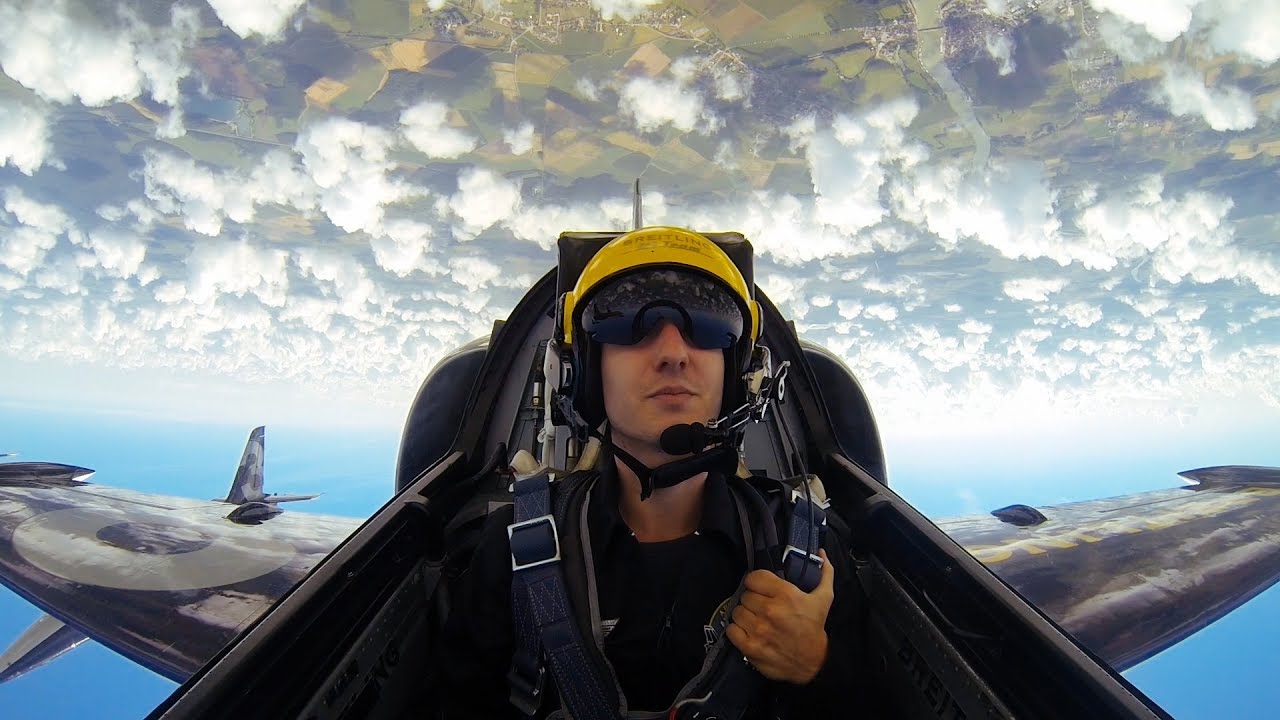
Some couples go to France for croissants, cathedral tours, and softly lit dinner photos that make everyone back home question their life choices. We went for all of that tooplus one tiny detail: my boyfriend climbed into a real fighter jet and, under professional supervision, got to feel what it was like to pilot one over the French countryside.
Yes, this is the kind of travel story that sounds fake until you see the flight suit, the helmet hair, and the post-flight grin that refuses to leave someone’s face for the next 72 hours. Our trip to France was supposed to be romantic, delicious, and maybe a little glamorous. It became something bigger: a once-in-a-lifetime adventure mixing aviation, adrenaline, trust, nerves, and the kind of memory that makes a vacation feel cinematic.
Before anyone imagines my boyfriend casually borrowing a military aircraft like a baguette from a bakery, let’s be clear. Civilian fighter jet experiences in France are highly organized, professionally supervised flights, often in aircraft such as the L-39 Albatros, a two-seat jet trainer known for giving everyday travelers a controlled taste of high-performance aviation. The professional pilot remains in command. The passenger may experience the cockpit, communication, maneuvers, and in some cases guided control input depending on the operator, aircraft, weather, and safety conditions.
In other words: it was not “Top Gun: Relationship Edition.” It was safer, more structured, and much more humbling. Still, watching him step toward that aircraft was enough to make me think, “Well, this is either the most impressive date activity ever or the beginning of a very expensive nervous breakdown.”
A France Trip With An Unexpected Flight Plan
Our itinerary began like many dream trips to France. Paris gave us the classic opening scene: coffee in tiny cups, streets that looked edited by a romantic film director, and pastries so buttery they seemed legally suspicious. We wandered through neighborhoods, argued gently over which café looked “more French,” and learned that walking 20,000 steps feels easier when every street corner offers cheese.
But France is more than Paris, and that was part of the plan. We wanted a trip with contrast: city lights, countryside calm, wine regions, scenic rail rides, and one unforgettable aviation experience. Fighter jet rides in France are often associated with regions such as Reims, Bordeaux, or western France, depending on the operator and schedule. That made the adventure feel less like a theme-park stunt and more like a strange, thrilling chapter tucked into an otherwise elegant European vacation.
The funniest part was how calm my boyfriend acted before the flight. He packed like a normal tourist: sunglasses, charger, passport, maybe one shirt too few. Then he casually added, “I should probably drink more water before pulling Gs.” That is not a sentence you expect to hear between discussions about train tickets and dinner reservations.
What “Piloting A Fighter Jet” Really Means For A Civilian
The phrase “my boyfriend piloted a fighter jet” has a dramatic sparkle to it, but the real experience is more precise. Civilian fighter jet flights are not about tossing an untrained traveler into the sky and hoping enthusiasm can replace aviation knowledge. They are controlled experiences run by trained aviation professionals. Before the aircraft ever moves, participants usually receive a technical and safety briefing covering the cockpit layout, communication, body positioning, emergency procedures, and how to handle G-forces.
The aircraft commonly used for these experiences, the L-39 Albatros, is not a modern front-line stealth fighter. It is a military jet trainer designed to teach pilots how to handle jet performance. That distinction matters. Trainer jets are built to introduce pilots to speed, climb, turns, and aerobatic handling in a structured way. For civilians, that makes the L-39 a compelling bridge between fantasy and reality: fast enough to feel unreal, but established enough to be used in supervised adventure aviation.
During the flight, the professional pilot manages the operation, navigation, takeoff, landing, and safety envelope. A participant may sit in the second cockpit and, when allowed, follow instructions through the intercom and take the controls briefly under supervision. That supervised momenthands on the controls, eyes wide, heart trying to escape through the headsetis what turns the experience from “I rode in a jet” into “I felt what flying one is like.”
The Pre-Flight Briefing: Where Bravery Meets Paperwork
Before the flight, the mood shifted from vacation excitement to aviation seriousness. There were forms, checks, instructions, and the kind of calm professional tone that makes you immediately stand up straighter. The briefing covered what to expect during taxi, takeoff, climb, maneuvers, and landing. It also explained how G-forces affect the body.
G-force is one of those concepts people think they understand until they experience it. In a hard turn, your body suddenly weighs more than usual. Your head feels heavy. Your arms require negotiation. Even your cheeks seem to reconsider their long-term position on your face. The briefing explained how to breathe, tense muscles, communicate discomfort, and avoid acting heroic for no reason. This was important because aviation is not improved by ego. Nobody wins a medal for pretending not to be nauseous while silently turning green inside a helmet.
My boyfriend listened carefully, which was reassuring. I listened too, even though I was staying on the ground, because apparently my new personality had become “supportive girlfriend with strong survival instincts.” The staff made everything feel professional, which helped. There was excitement, yes, but not chaos. The experience was built around preparation first and adrenaline second.
Suiting Up: The Most Cinematic Part Of The Day
There is something undeniably funny about watching someone you love step into a flight suit. One minute he was the same person who forgot where he put the hotel key. The next, he looked like he was about to brief NATO. The transformation was instant and ridiculous in the best possible way.
The helmet, harness, and safety gear changed the mood. Suddenly this was not just a travel activity; it was a physical experience. Fighter jet flying is not passive. Even as a passenger, you are strapped in, briefed, connected to the pilot, and aware that your body is about to encounter sensations commercial airlines politely avoid.
We took photos, of course. Too many photos. Romantic France had become aviation France, and I was determined to document every second. In Paris, I photographed cappuccino foam. Here, I photographed buckles, cockpit steps, and my boyfriend giving a thumbs-up that looked brave but also contained a tiny hint of “What have I done?”
Takeoff: The Moment France Became A Blur
From the ground, takeoff looked quick, clean, and almost elegant. From his later description, it felt like being pulled forward by a very determined dragon. Jet acceleration is different from a regular passenger flight. Commercial aircraft are powerful, but they are built to make you feel comfortable. A fighter jet trainer does not have the same social manners.
The aircraft lifted, climbed, and quickly became a small shape against the sky. I stood there with my phone in my hand, trying to film and breathe at the same time. It was strange: I was proud, nervous, jealous, and suddenly very aware that my boyfriend was having the coolest travel moment of his life while I was on the ground holding a tote bag.
Later, he described the takeoff as the first instant when the experience became real. The runway disappeared behind them, the landscape opened up, and the headset filled with the pilot’s voice. France looked different from that cockpitless like a postcard and more like a map coming alive.
Over France: Vineyards, Villages, And The World From A Jet Cockpit
One reason this experience felt so special was the setting. France is already beautiful from a train window. From a jet cockpit, it becomes something else entirely. Depending on the location, flights may pass over countryside, coastlines, vineyards, islands, or open training areas approved for maneuvers. Instead of seeing one village at a time, the passenger sees patterns: roads stitching fields together, rivers bending through the land, rooftops gathering in clusters, and sunlight sliding across the terrain.
That aerial perspective changed the emotional tone of the trip. Earlier in the week, we had admired France at walking speed. We noticed bakery windows, cobblestones, museum lines, train platforms, and restaurant menus. In the jet, he saw the country at speed: broad, bright, and almost abstract.
He said the view was surprisingly peaceful between maneuvers. That made me laugh because nothing about fighter jet travel sounds peaceful to me. But he insisted there were moments when the cockpit settled, the horizon stretched ahead, and the experience felt less like a thrill ride and more like a privilege.
The Maneuvers: When Gravity Got Personal
Then came the maneuvers. This is where the story stops sounding like a travel diary and starts sounding like a medical experiment conducted by adrenaline.
High-performance turns, climbs, dives, and aerobatic sequences can create powerful physical sensations. The body feels pressure. The stomach becomes opinionated. The horizon moves in ways the brain does not consider polite. Even simple descriptionsturning, banking, climbingfail to capture the strangeness of seeing the world tilt and rotate around you.
My boyfriend said the first strong turn made him understand why pilots train their bodies as well as their minds. It was thrilling, but it demanded focus. The breathing technique mattered. Staying relaxed but alert mattered. Listening to the pilot mattered most of all.
And yes, he loved it. Of course he loved it. He got out afterward looking like he had shaken hands with lightning. His hair was a disaster, his smile was enormous, and his first sentence was not romantic, poetic, or thoughtful. It was: “I would do that again tomorrow.”
Reader, I nearly left him at the airfield.
Is A Fighter Jet Experience In France Worth It?
For the right traveler, yes. A fighter jet experience in France can be unforgettable, especially for aviation fans, military history enthusiasts, thrill-seekers, and couples looking for a trip story that does not begin and end with “we ate very good bread.” But it is not for everyone.
This kind of adventure is expensive, weather-dependent, physically intense, and very different from typical sightseeing. It requires honest self-assessment. If someone has serious health concerns, a history of severe motion sickness, heart issues, or anxiety around confined spaces and speed, they should ask medical and operator-specific questions before booking. Even healthy participants should prepare by sleeping well, eating lightly, hydrating, and listening carefully during the briefing.
It is also important to manage expectations. The passenger is not becoming a fighter pilot in one afternoon. They are experiencing a supervised flight in a high-performance aircraft. That is still incredible. In fact, understanding the limits makes the experience more impressive, not less. Real pilots spend years building skill, discipline, judgment, and physical tolerance. A civilian jet ride offers a glimpse into that world, not a shortcut into it.
How To Plan A France Trip Around A Fighter Jet Flight
If you want to build a France itinerary around a fighter jet experience, treat the flight as the anchor activity, not a casual add-on squeezed between lunch and a museum. Weather, aircraft availability, operator schedules, medical requirements, and transport logistics can all affect timing. Build flexibility into your trip and avoid booking the flight on your final day in France.
Choose The Region Carefully
France offers very different travel moods depending on where you go. Reims connects naturally with Champagne country and can pair well with Paris. Bordeaux works beautifully for wine lovers, food travelers, architecture fans, and anyone who believes “vacation research” includes tasting menus. Western France may offer coastal scenery, islands, and sea views depending on the flight route.
Use Trains When They Make Sense
France’s train system can make multi-city travel smooth, but high-speed trains often require seat reservations and popular routes can fill up around weekends and holidays. Book early when your schedule matters. Also, leave enough buffer time. You do not want the most exciting day of your trip to begin with sprinting through a station holding a croissant in your teeth.
Plan A Calm Evening Afterward
After the flight, do not schedule six activities and a late dinner across town. Give the participant time to come down from the adrenaline. We chose a slow meal, a long walk, and repeated storytelling. I heard the phrase “then we banked left” approximately 400 times. Love means listening anyway.
What I Learned Watching My Boyfriend Fly
The biggest surprise was not how fast the aircraft was or how cool the photos looked. The biggest surprise was how emotional the experience felt from the ground. Watching someone you love do something brave, unusual, and slightly terrifying reminds you that travel is not only about places. It is about seeing people differently.
I saw my boyfriend become focused, humble, excited, and deeply present. There was no scrolling, no multitasking, no half-listening. For that hour, everything narrowed to the aircraft, the pilot, the sky, and the instructions. In a world where most of us divide our attention into tiny pieces, that kind of total presence is rare.
It also gave our trip a story with texture. We still loved the museums, restaurants, markets, and quiet streets. But the fighter jet experience became the chapter we kept returning to. It made the whole vacation feel more alive because it broke the pattern. One day we were tasting wine; the next, he was wearing a helmet and learning how G-forces felt.
Extra Experience: The Day After The Fighter Jet Flight
The morning after the flight, France felt different. Not because the country had changed, but because we had. Travel has a funny way of stretching time. A single intense experience can make yesterday feel like a different month. We woke up still buzzing from the flight, replaying every detail over hotel coffee that tasted much better than anything served in an airport lounge.
My boyfriend described the cockpit again, this time more slowly. He talked about the switches, the harness, the way the pilot’s voice stayed calm through every maneuver, and the strange comfort of having clear instructions in a situation that felt wildly unfamiliar. He admitted that before takeoff he had been more nervous than he let on. This delighted me because I had suspected his confidence was at least 30 percent performance art.
We spent that day doing the opposite of flying fast. We walked slowly. We found a market. We bought fruit, bread, and cheese with the seriousness of people assembling a museum exhibit. We sat outside and watched ordinary French life move around us: bicycles, dogs, delivery vans, stylish older women who made scarves look like advanced engineering. After the fighter jet, even small details seemed sharper.
That contrast became the best part of the trip. Adventure does not have to replace romance; it can deepen it. The flight gave us adrenaline, but the day after gave us reflection. We laughed about his helmet hair. We debated whether I would ever try the flight myself. I claimed I might, with the bravery of someone safely holding a cappuccino on solid ground.
Later, we visited a wine bar where he tried to explain G-forces using a napkin, two olives, and a breadstick. The demonstration was scientifically questionable but emotionally convincing. At the next table, a couple glanced over with the expression people use when they are unsure whether to be impressed or move away. That, too, became part of the memory.
By evening, the fighter jet story had settled into something warmer than adrenaline. It was no longer only about speed. It was about trusttrusting the pilot, the process, the equipment, and each other’s appetite for doing something unusual. It reminded us that the best trips include at least one moment you could not have fully imagined before leaving home.
France gave us all the classics: great food, beautiful streets, historic architecture, and the joy of getting slightly lost in places where even the wrong turn looks charming. But it also gave us a story with wings. My boyfriend did not become a fighter pilot in France, not really. He became a traveler who said yes to something bold, listened carefully, climbed into a cockpit, and came back with a grin big enough to count as checked luggage.
And me? I became the person who watched from the ground, cheered too loudly, took too many photos, and learned that romance sometimes sounds like jet noise disappearing into the French sky.
Final Thoughts
Our trip to France could have been memorable with nothing more than good food, beautiful views, and a few perfectly timed sunsets. But the fighter jet flight turned it into a story we will tell for years. It added surprise, courage, comedy, and a little controlled chaos to a vacation already full of charm.
For couples planning a trip to France, the lesson is simple: leave room for one extraordinary thing. It does not have to be a fighter jet. It could be a cooking class, a vineyard bike ride, a hot air balloon, a coastal hike, or a train journey to a town you can barely pronounce. But choose something that pushes the trip beyond sightseeing and into memory-making.
Because someday, the hotel details will blur. You may forget the name of the restaurant or which museum room made your feet hurt. But you will not forget watching someone you love climb into a fighter jet in France and return looking like the sky had personally handed him a secret.