

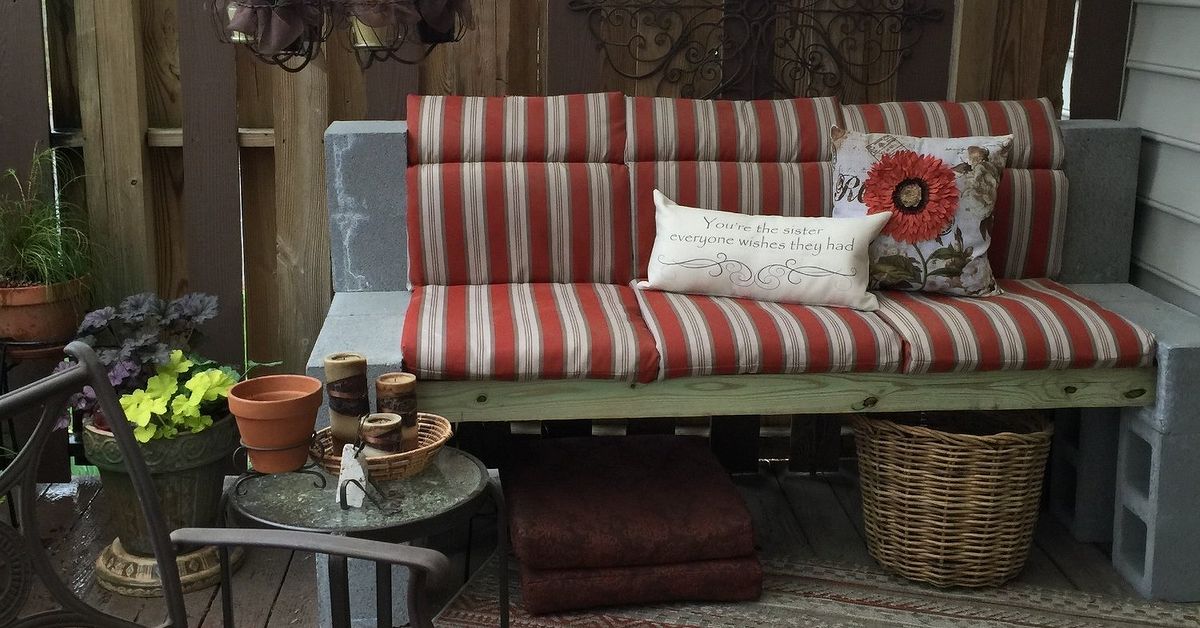
I didn’t wake up one day thinking, “You know what my life needs? A garden bench.” Life isn’t a catalog spread. But somewhere between
weeding for “just five minutes” (two hours later) and realizing I’d been drinking iced coffee in the sun like a slowly melting candle, it hit me:
I needed a place to sit. Not inside. Not on an upside-down bucket that looks like it has opinions. A real benchan honest-to-goodness outdoor seat
that says, “Yes, this yard is for living, not just mowing.”
If you’ve ever searched for an outdoor bench, you already know the rabbit hole: teak vs. cedar, metal vs. resin, backrest vs.
backless, “weather-resistant” vs. “weather-resistant-ish.” The good news is that picking the right bench isn’t about memorizing materials science.
It’s about matching your bench to your space, your climate, and your tolerance for maintenance (a.k.a. how you feel about sanding on weekends).
Why a Garden Bench Is More Than “Extra Seating”
A bench does three jobs at once:
- Rest stop: A place to pause mid-garden, mid-thought, mid-everything.
- Design anchor: Benches act like a visual “comma” in the landscapebreaking up the scene and telling your eyes where to land.
- Social magnet: People gravitate toward seating. Put it somewhere pleasant and you’ll suddenly have an “outdoor room.”
The secret is placement and purpose. If you buy a bench because it looks cute online, you may end up with a decorative object you never uselike a
white couch in a house with pets. If you buy it for your lifestyle, it becomes the most used item outdoors.
Step One: Decide What You Need the Bench to Do
Before materials or style, get clear on the “why.” Your answer changes everything.
Common “bench missions” (pick your adventure)
- Coffee bench: Close to the house, morning light, easy to grab a mug and a sweater.
- Garden-view bench: Faces your best border, a water feature, a big tree, or that one hydrangea you talk about like a coworker.
- Work-break bench: Near the veggie bed or tool shed, where you need a quick sit to avoid becoming a cautionary tale.
- Conversation bench: Near a fire pit or patio table, ideally with arms and a back for long sits.
- Small-space bench: Tucked into a corner or against a wall/fence to save floor space and keep pathways open.
- Storage bench: Holds cushions, small tools, or kids’ outdoor gearbecause clutter breeds like rabbits.
Step Two: Put the Bench Where It Wants to Live
A bench can be a destination or a surprise. Either way, it should feel intentionalnot like it lost a fight with the patio chairs and ended up exiled
by the compost bin.
Smart placement ideas that work in real yards
- End of a sightline: Place a bench where a path ends or turns. It creates a natural “pause point.”
- As a focal point: A colorful bench (yes, even a bold painted one) can pull the whole garden together and guide the eye.
- Under light shade: Morning sun is charming; afternoon sun is a personal attack. If possible, choose dappled shade.
- Corner seating for small patios: A bench pushed into a corner often feels roomier than multiple chairs.
- Near fragrance or sound: Put seating near herbs, jasmine, roses, or a small fountainanything that rewards lingering.
Pro tip: stand where you think the bench will go and look around like you’re starring in a home makeover show. What do you see? If your view is
“hose reel and regret,” pivot.
Step Three: Get the Size and Comfort Right (So You’ll Actually Use It)
Comfort is not optional. You’re not adopting a bench as a lawn ornamentyou’re recruiting it for daily life.
Quick comfort measurements that matter
- Seat height: Many comfortable seats land around 16–18 inches high, which helps most people sit with feet flat and knees at a natural angle.
- Seat depth: A common comfort range is about 15–18 inches deepdeep enough to support, not so deep you feel like a toddler on a sofa.
- Backrest and arms: If you want longer sits, prioritize a supportive back and arms (they make standing up feel less like a group project).
How to “test-sit” like a pro (even if shopping online)
- Look for real dimensions: Don’t trust photos alone. Find seat height and depth in specs.
- Match to your body: Taller folks often prefer slightly higher seats; shorter folks may like the lower end of the range.
- Plan for cushions: Cushions add comfort but also add heightso a tall seat plus thick cushion can feel awkward.
- Consider clothing reality: Metal slats in summer shorts? You’ll learn lessons you didn’t ask for.
Choosing Materials: What Your Bench Is Made Of Shapes Everything
Material is where budgets, climates, and maintenance preferences collide. Here’s the practical breakdownno fluff, no fairy tales.
Wood benches: warm, classic, and mildly demanding
Wood looks right in gardens because it’s… well, wood. But different species behave very differently outdoors.
- Teak: Naturally oily and known for outdoor durability. It can weather to a silvery gray if left unfinished, which many people love.
- Cedar and redwood: Naturally resistant to decay and insects, lighter in weight, and easier on budgets than premium tropical hardwoods.
- Eucalyptus/acacia: Often more affordable hardwood options; typically do best with regular maintenance.
Wood’s main trade-off: you’ll either embrace weathering (the “silver fox” look) or commit to periodic cleaning and protecting.
Metal benches: sturdy, stylish, and temperature chaotic
- Aluminum: Lightweight, rust-resistant, and easy to move aroundgreat if you like rearranging your yard like it’s a chessboard.
- Steel/iron: Heavier and often more ornate. Look for protective coatings to reduce rust, and consider where water pools.
Metal benches can be fantastic near entryways or as decorative focal points, especially with cushions. Just remember: metal gets hot in direct sun and
cold in winter. It’s basically a mood ring for the weather.
Resin/HDPE (poly lumber) benches: low-maintenance, high practicality
If you want a bench that behaves like a responsible adult, look at HDPE/recycled plastic (poly lumber). These benches are popular for
high-traffic outdoor spaces because they resist moisture and don’t splinter like wood. Many only need simple cleaning.
Concrete or stone benches: permanent and dramatic
These can be gorgeous in a landscape, especially in formal gardens. They’re also heavy, less forgiving on comfort, and not something you “scooch” over
to mow. Use them when you want a bench that will outlast your group chat.
Weather Reality Check: Match the Bench to Your Climate
“Outdoor” isn’t one conditionit’s many. Think about:
- Sun exposure: UV fades finishes and can heat metal seats.
- Rain and humidity: Promotes mildew on some finishes and can stress wood over time.
- Freeze-thaw cycles: Water trapped in joints and cracks expands and causes damage.
- Salt air (coastal): Hard on many metals and finishes unless designed for it.
If your bench will sit uncovered year-round, durability and easy maintenance matter more than delicate detailing.
If it’s under a porch or pergola, you have more flexibility.
Maintenance Without the Drama: How to Keep a Bench Looking Good
The best maintenance plan is the one you’ll actually do. “Annual upkeep” sounds responsibleuntil it’s July, 94 degrees, and your bench is laughing
at you in splinters.
Wood finishing: choose your maintenance style
- Penetrating sealers/oil-style finishes: Often easier to refresh because they don’t peel like thick films. They may need reapplication periodically depending on exposure.
- Film-forming finishes (certain varnishes/paints): Can look great and offer protection, but when they fail, they can crack or peelmeaning more prep work later.
If you’re finishing a wood bench, follow product directions and consider how much prep you’ll tolerate later. Many people prefer finishes that fade
gracefully rather than flake dramatically.
Hardware matters more than you think
If you’re using pressure-treated wood (common in outdoor builds), be aware that some newer treatments can be more corrosive to certain
metals. That’s why you’ll often see recommendations for compatible or more corrosion-resistant fasteners/hardware (like specific galvanized options or
stainless steel in demanding environments).
Style: Make It Feel Like It Belongs (Not Like It Was Left Behind)
A bench can blend in or stand out, and both are valid. The key is intention.
Easy style matches
- Cottage garden: Painted wood bench, curved shapes, or classic slats with soft cushions.
- Modern/minimal: Clean-lined metal or simple wood with a natural finish; fewer details, stronger silhouette.
- Woodland/natural: Cedar or weathered wood tones, tucked into shade with ferns and shade-loving plants.
- Mediterranean vibe: Dark metal, tile accents, or a bench paired with terracotta pots and herbs.
If your garden needs a focal point, a bench can do the job beautifullyespecially if you position it to face something worth looking at, or if the bench
itself becomes the “look at me” moment.
Special Bench Types Worth Considering
Planter benches
These combine seating with built-in planters. They’re great for small patios and for framing an entry. Bonus: you can change the plants seasonally and
feel like you “redesigned” without moving a single shrub.
Storage benches
Perfect for porches and patios where cushions, toys, or garden gloves multiply overnight. Just confirm the storage area is suited for outdoor exposure.
Curved or semi-round benches
Ideal around a tree or in a small courtyard where you want to create a defined “room.” The shape can make a compact space feel intentional and cozy.
Glider benches
If you love movement (or you’re the kind of person who rocks a shopping cart slightly while waiting), a glider bench can be surprisingly relaxinggreat
on porches or covered patios.
A Simple Buying Checklist (So You Don’t Regret Anything at Delivery Time)
- Purpose: coffee, view, conversation, storage, or focal point?
- Placement: sun/shade, wind exposure, drainage, and sightlines.
- Dimensions: seat height, seat depth, overall length, and clearance behind the bench.
- Material: match climate + maintenance tolerance.
- Comfort features: backrest, arms, contoured seat, cushion compatibility.
- Durability details: weather-resistant coatings, sturdy joinery, and suitable hardware.
- Reality check: can you move it when neededor is it staying forever?
Conclusion: The Bench Is the Point (Not Just a Place to Sit)
When I say I “needed a garden bench,” what I really mean is I needed a reason to pause outside. A bench turns a yard into a place you inhabit,
not just maintain. It gives you a front-row seat to your own workblooms, birds, storms rolling in, tomatoes finally blushing red. Choose one that
fits how you live: comfortable dimensions, materials that match your climate, and a spot that rewards sitting down.
Because the best garden bench isn’t the fanciest. It’s the one you actually useoften enough that it starts to feel like it’s always been there.
My “Needed a Garden Bench” Experience (Extra ~)
My bench journey started the way many modern life choices begin: I sat down on the ground “just for a second,” stood back up, and heard my knees make a
sound like bubble wrap. That was the moment I realized my garden needed seating, and my joints had drafted a formal complaint.
First, I did what any reasonable person does: I tried to solve it with objects I already owned. I dragged out a patio chair that had been living in the
garage like a forgotten extra in a movie. It wobbled. I tried a stool. Too small. I tried an overturned bucket. It felt like I was being punished for
buying the bucket in the first place. I even tried perching on a retaining wall, which worked until I realized I was basically a decorative gargoyle.
So I started “shopping,” which quickly turned into “research,” which then evolved into “me standing in my yard with a tape measure like I was about to
launch a satellite.” I measured the path. I measured the space between the hydrangeas. I measured where the sun hits at 9 a.m., noon, and 4 p.m.
(Because if I’m going to sit outside, I’d like to do it without being roasted like a marshmallow.) Then I got weirdly invested in seat height. I had
never thought about seat height before. Now I had opinions. Like: “If my feet don’t touch the ground, we are not friends.”
I test-sat benches whenever I couldat garden centers, big box stores, and even a friend’s patio where I casually asked, “Do you like this bench?”
while silently judging its backrest angle. I learned that a bench can be technically beautiful and still feel like a medieval endurance challenge.
The comfortable ones had a supportive back, a seat that wasn’t too deep, andthis is importantdidn’t pinch the back of my legs the second I relaxed.
Then came the material debate. Wood benches looked perfect in the garden, but I had to be honest about my maintenance personality. I’m not the type
who oils furniture every season with the devotion of a lighthouse keeper. Metal benches looked elegant, but I pictured myself sitting down in July and
standing up with a waffle pattern branded onto my thigh. The low-maintenance plastic options made a lot of sense, but I also wanted something that
felt warm and natural in the landscape.
In the end, I picked a bench that fit my “bench mission”: a view-facing seat near my favorite bed, slightly shaded in the afternoon, with enough room
for two people or one person plus a dramatic sigh. The first time I used it, I didn’t do anything special. I just sat there, looked at the garden, and
realized the bench had solved a problem I didn’t know I had. It wasn’t just about sittingit was about finally having a place in the yard that felt
like it was meant for me, not just the plants.
And yes, I still garden. I still weed. I still underestimate how long everything takes. But now I have a place to take a break that doesn’t involve
the ground, a bucket, or my pride.