

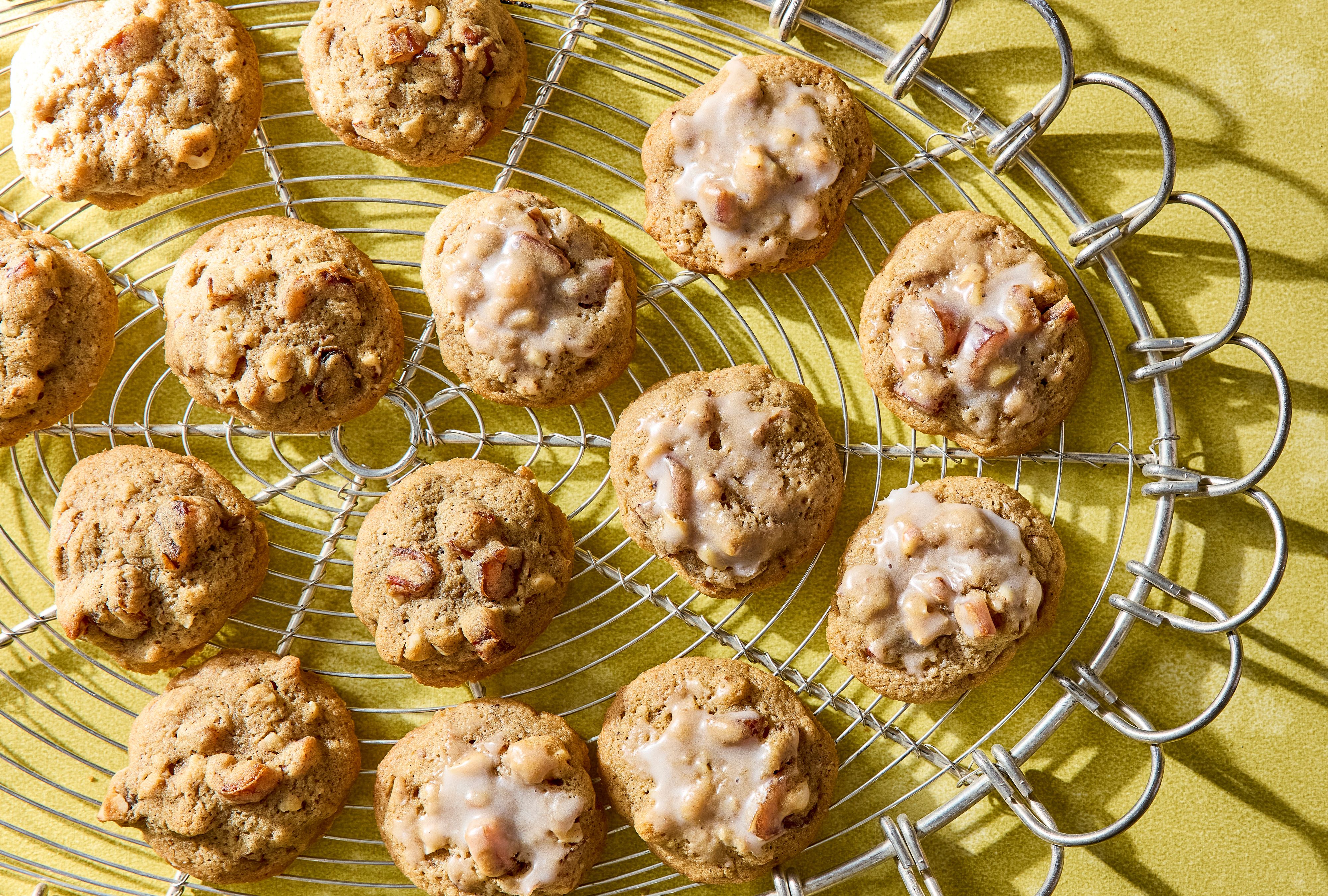
Some cookies show up with fireworks. Hermit cookies arrive wearing a wool sweater, carrying a tin, and acting like they have seen things. These old-fashioned beauties are dark, gently spiced, chewy at the center, and just rugged enough around the edges to feel charming instead of fussy. If a gingerbread cookie and a raisin-studded bar cookie had a sensible New England cousin who always remembered birthdays, that would be the hermit.
This nostalgic hermit cookie recipe leans into everything people love about the classic: deep molasses flavor, brown sugar warmth, a cozy blend of cinnamon, ginger, nutmeg, and cloves, plus plump raisins and chopped walnuts for texture. The dough is shaped into logs, baked until softly set, then sliced into the kind of cookie bars that look humble on a plate and disappear suspiciously fast. An optional vanilla glaze gives them a little old-school bakery sparkle without pushing them into overdecorated territory.
If you grew up around church suppers, holiday cookie tins, handwritten recipe cards, or a grandmother who believed dessert should also “have character,” this recipe is about to feel very familiar. And if you did not grow up with hermits, congratulations: you are about to meet one of America’s most underrated cookie classics.
What Are Hermit Cookies?
Hermit cookies are a traditional spiced cookie associated with New England baking. Depending on the family, bakery, or dog-eared community cookbook, they may be baked as bars, drop cookies, or soft logs sliced after baking. The flavor profile stays fairly consistent: molasses or dark brown sugar, warm baking spices, dried fruit like raisins or currants, and often chopped nuts.
The result lands somewhere between a cookie, a bar, and a piece of spice cake. In other words, hermits refuse to fit neatly into one dessert category, which honestly only makes them more interesting. They are known for keeping well, traveling well, and somehow tasting even more settled and harmonious the next day. Unlike trendy cookies loaded with candy pieces and emotional baggage, hermits are practical. Delightfully practical.
Why You’ll Love This Nostalgic Hermit Cookie Recipe
- Deep, cozy flavor: Molasses and brown sugar give these cookies a rich old-fashioned taste.
- Soft and chewy texture: The centers stay tender while the edges get just enough structure.
- Simple pantry ingredients: No fancy flour blends, no specialty gadgets, no dramatic monologue required.
- Perfect for make-ahead baking: Hermits store beautifully and are excellent for gifting.
- Flexible and forgiving: Use raisins, currants, or chopped dried fruit, and swap walnuts for pecans if needed.
Ingredients for the Best Hermit Cookies
For the cookies
- 1 cup raisins
- 3 tablespoons warm strong coffee or hot water
- 2 1/4 cups all-purpose flour
- 1 teaspoon baking soda
- 1/2 teaspoon fine salt
- 1 1/2 teaspoons ground cinnamon
- 3/4 teaspoon ground ginger
- 1/2 teaspoon ground nutmeg
- 1/4 teaspoon ground cloves
- 1/2 cup unsalted butter, softened
- 3/4 cup packed dark brown sugar
- 1/3 cup molasses
- 1 large egg
- 1 teaspoon vanilla extract
- 1/2 cup chopped walnuts
For the optional glaze
- 3/4 cup powdered sugar
- 1 to 2 tablespoons milk
- 1/4 teaspoon vanilla extract
Ingredient note: Soaking the raisins in warm coffee gives them extra softness and adds subtle depth. It does not make the cookies taste like a coffee shop exploded. It just makes them taste more grown-up and cozy.
How to Make Nostalgic Hermit Cookies
1. Plump the raisins
Place the raisins in a small bowl and pour the warm coffee or hot water over them. Let them sit for 10 minutes, then drain well and pat dry. This small step keeps the fruit tender and pleasant instead of chewy in the wrong way.
2. Mix the dry ingredients
In a medium bowl, whisk together the flour, baking soda, salt, cinnamon, ginger, nutmeg, and cloves. This ensures the spices are evenly distributed, so you do not end up with one heroic bite of clove and eleven confused ones.
3. Cream the butter and sugar
In a large bowl, beat the softened butter and dark brown sugar until smooth and fluffy, about 2 to 3 minutes. Add the molasses, egg, and vanilla, then beat again until well combined. The mixture will look rich, glossy, and like it belongs in a fall-themed candle catalog.
4. Bring the dough together
Add the dry ingredients to the wet mixture and mix just until combined. Fold in the drained raisins and chopped walnuts. The dough will be soft and somewhat sticky, which is exactly what you want.
5. Chill briefly
Cover the dough and chill it for 20 to 30 minutes. This makes it much easier to shape and helps the cookies bake up with a better texture. Skipping the chill is possible, but it will make shaping feel like a very small and unnecessary upper-body workout.
6. Shape into logs
Preheat the oven to 350°F. Line a large baking sheet with parchment paper. Divide the dough in half and shape each half into a log about 10 inches long and 2 inches wide, leaving space between them. If the dough sticks to your hands, lightly dampen or flour them.
7. Bake
Bake for 16 to 20 minutes, or until the logs are puffed, fragrant, and set around the edges but still slightly soft in the center. Do not overbake. Hermits are meant to be tender and chewy, not auditioning for the role of historic ship biscuit.
8. Slice and cool
Let the logs cool on the baking sheet for about 10 minutes. Then use a sharp knife to slice them diagonally into bars about 1 inch wide. Transfer to a wire rack to cool completely.
9. Add glaze if you like
Whisk together the powdered sugar, milk, and vanilla until smooth. Drizzle lightly over the cooled hermit cookies. Let the glaze set before stacking or serving. The glaze is optional, but it adds a lovely bakery-style finish and makes the cookies look dressed for company.
Flavor, Texture, and Why This Recipe Works
The best hermit cookie recipe balances sweetness with spice and chewiness with structure. Brown sugar adds moisture and caramel notes, while molasses brings that signature dark richness. Cinnamon and ginger provide warmth, nutmeg rounds everything out, and cloves add a tiny bit of old-fashioned drama. Raisins contribute sweetness and a jammy chew, while walnuts bring contrast and a little earthy crunch.
The log-and-slice method also gives hermits their classic look. Instead of dropping rounds of dough, shaping logs creates cookies that feel part bar, part biscuit, part memory. They are casual enough for an afternoon snack but special enough to include on a holiday dessert tray. They also happen to be the kind of cookie that pairs beautifully with coffee, tea, or the specific silence of a gray rainy afternoon.
Tips for Perfect Old-Fashioned Hermit Cookies
- Use dark brown sugar if possible. It gives the cookies more depth and that richer old-fashioned flavor.
- Do not skip the short chill. It makes sticky dough easier to shape and helps control spread.
- Drain the raisins well. You want plump fruit, not extra liquid sloshing into the dough.
- Watch the bake closely. Hermits should stay soft in the center; overbaking dries them out.
- Wait a day if you can. Like many spice cookies, the flavor becomes even better after resting overnight in a covered container.
Easy Variations
Hermit cookies with currants
Swap the raisins for currants if you want a slightly more traditional New England feel and smaller bits of fruit throughout the dough.
Orange-spiced hermits
Add 1 teaspoon of finely grated orange zest to the dough or glaze for a brighter finish. Orange plays especially well with molasses and spice.
Hermit bars with candied ginger
Replace part of the raisins with chopped candied ginger for a more intense, festive flavor. It gives the cookies extra sparkle without becoming overpowering.
Nut-free hermits
Leave out the walnuts if needed. The cookies will still be rich, chewy, and full of character.
Drop-cookie style
If you prefer rounder cookies, chill the dough a bit longer and scoop heaping tablespoons onto a lined baking sheet. Bake until the edges are set and the centers stay soft.
How to Store and Freeze Hermit Cookies
Store hermit cookies in an airtight container at room temperature for up to 5 days. Place parchment paper between layers if glazed. The texture often improves after the first day, which is a wonderful trait in a cookie and a rare trait in many people.
To freeze, arrange the cooled cookies in a single layer until firm, then transfer to a freezer-safe container or bag. Freeze for up to 2 months. Thaw at room temperature. If you plan to glaze them, it is best to do that after thawing so the finish stays neat and fresh.
What to Serve with Hermit Cookies
Hermit cookies are ideal with black coffee, milky tea, chai, hot cider, or a glass of cold milk if you like contrast. They also fit beautifully on holiday cookie trays alongside butter cookies, ginger cookies, or shortbread. Because they are sturdy, they travel well in lunch boxes, care packages, road trip snack tins, and the sort of decorative metal cookie containers that somehow live forever in family kitchens.
Frequently Asked Questions
Why are they called hermit cookies?
The exact story varies, but one common idea is that they keep well and can be tucked away for a day or two, almost like they are “hidden” before serving. Whatever the naming story, the flavor is much less mysterious than the title.
Are hermit cookies soft or crisp?
They are usually soft and chewy, especially in the center, with slightly firmer edges. A properly baked hermit should feel sturdy, not crunchy.
Can I make them ahead?
Absolutely. Hermits are one of the best make-ahead cookies because the spices and molasses mellow and deepen over time.
Can I use currants instead of raisins?
Yes. Currants are a classic choice and give a slightly more old-fashioned feel. Chopped dried cherries or cranberries can also work if you want a twist.
Do I have to glaze them?
No. The glaze is optional. Some people love the extra sweetness and polished finish, while others prefer the plain, dark, rugged charm of an unglazed hermit.
Experiences That Make Hermit Cookies Feel So Nostalgic
There is something deeply comforting about baking a cookie that does not seem interested in being flashy. Hermit cookies smell like patience. They smell like the moment a kitchen window fogs slightly in cool weather. They smell like someone putting a kettle on without announcing it. While chocolate chip cookies bring instant excitement and sugar cookies bring holiday sparkle, hermits bring something quieter and, in many ways, more memorable: the feeling that you have baked something with a story.
For many people, that story starts with a recipe card. Maybe it is a little bent at the corners, maybe the ink is fading, maybe the word “molasses” is underlined like your grandmother was trying to make sure nobody got cute and skipped it. You can almost picture the kitchen where it lived: a flour canister on the counter, a metal cooling rack that had seen decades of use, and a tin ready to be lined with wax paper. Hermit cookies belong in that kitchen. They do not need a marble island or an expensive mixer to feel at home.
They also belong to the kind of baking memory that is tied to weather. A cold Saturday. A late fall afternoon. A December day when everyone keeps wandering into the kitchen under the weak excuse of “just checking on something.” The dough is dark and sticky, the raisins look plump and glossy, and the smell of cinnamon and molasses starts drifting through the house before the timer even gets serious. It is the sort of aroma that makes people ask, “What are you making?” in a tone that already sounds hopeful.
Then there is the first bite, which always feels a little more surprising than it should. Hermits look modest. They never brag. But the flavor is layered and rich in a way that sneaks up on you. First the molasses, then the brown sugar, then the spice, then the sweet chew of fruit, then the slight crunch of nuts. They are not one-note cookies. They unfold. They linger. They taste like the dessert equivalent of a good family story that gets better every time it is told.
Another part of the nostalgia is how well hermits fit into real life. They are not delicate. They can ride in a cookie tin to a holiday gathering. They can sit on a plate during a long conversation. They can be wrapped up and mailed to someone who needs cheering up. They are the kind of cookie you make for neighbors, teachers, houseguests, and anyone who thinks modern desserts are sometimes a little too determined to perform.
Even the next-day magic adds to the experience. Hermit cookies seem to settle overnight, as if the flavors get together after everyone goes to bed and agree to cooperate more fully by morning. The glaze firms up, the spice deepens, and the whole cookie becomes more itself. Very few things in life improve by being left quietly in a tin for a day, but hermits absolutely do. Frankly, that alone deserves respect.
So when you bake this nostalgic hermit cookie recipe, you are not just making dessert. You are making the kind of cookie that feels connected to kitchens, seasons, and people. You are making something sturdy, warm, and a little sentimental in the best possible way. And if one of those cookies gets eaten while standing at the counter, still slightly warm, before anyone else sees them, well, that is not a problem. That is tradition.
Final Thoughts
This nostalgic hermit cookie recipe proves that old-fashioned cookies still know exactly what they are doing. They do not rely on trends, glitter, or a shocking amount of frosting. They bring deep spice, chewy texture, and dependable comfort in every bite. Whether you bake them for the holidays, for a weekend treat, or just because the weather looks like it needs molasses, hermits are the kind of recipe worth keeping close.
Make a batch, let them rest if you can, and serve them with coffee or tea. Then watch how quickly a humble old cookie becomes everybody’s new favorite. Funny how that happens.