

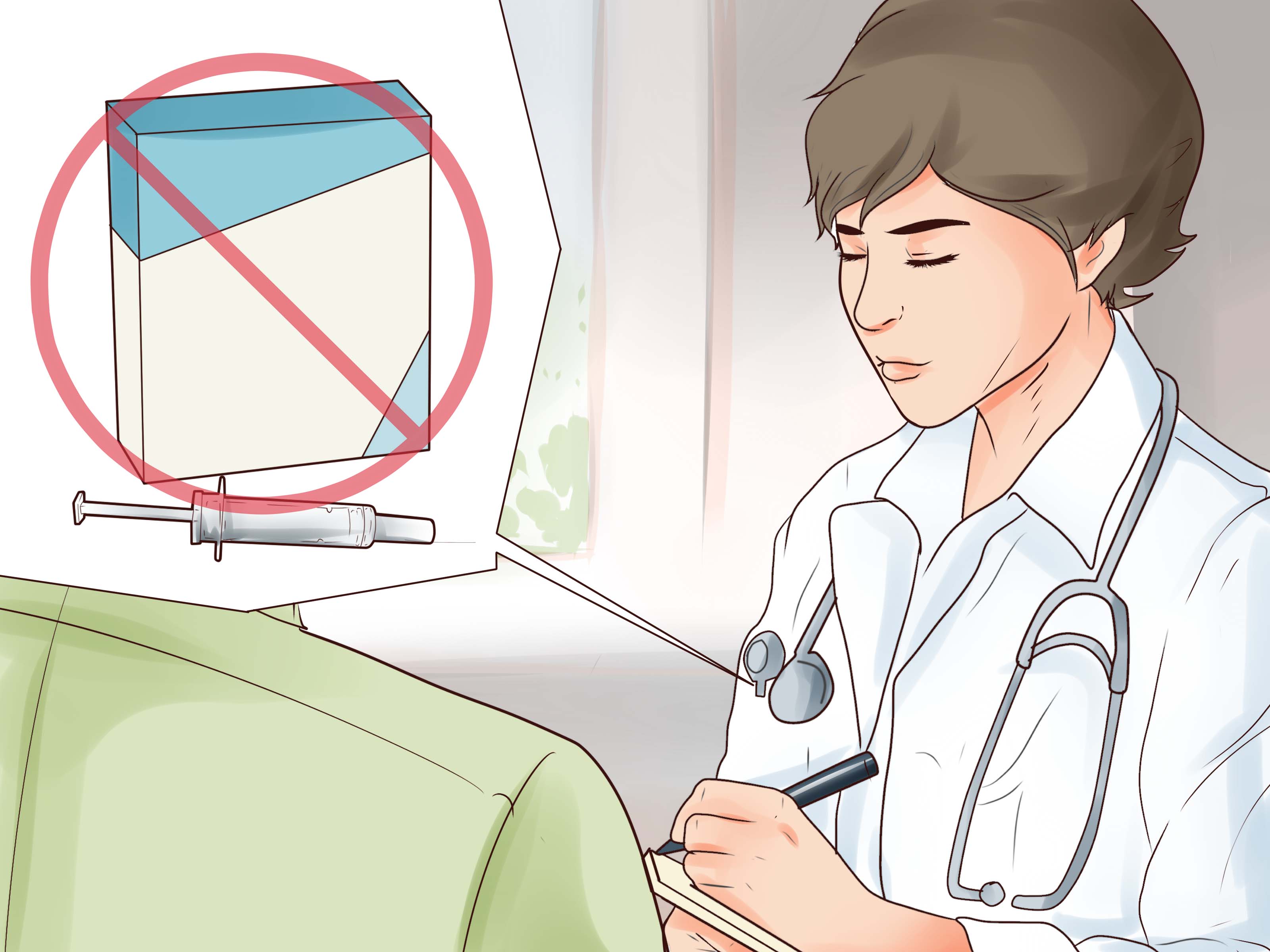
Quick reality check: most people don’t actually need to “thicken” their blood before surgery. In fact, trying to DIY your clotting system can backfire in the least fun way possible (think: unwanted clots, canceled surgery, or confusing lab results). What you do want is a safe, well-balanced plan that helps your body clot normally without raising your risk of dangerous clotting.
So, let’s translate the phrase “thicken blood” into what surgical teams actually mean: reduce bleeding risk and optimize clottingunder medical guidance. This article walks through 12 practical, surgery-friendly steps you can take (mostly involving communication, timing, and smart preparation), plus a real-world “what it feels like” section at the end.
What People Mean by “Thick Blood” (And Why It’s a Tricky Goal)
“Thick blood” can mean two completely different things:
- Blood viscosity (how “thick” the fluid is) influenced by hydration, red blood cell levels, and certain medical conditions.
- Clotting ability (how easily blood forms a clot) controlled by platelets, clotting factors, medications, liver function, and more.
Surgery teams mostly care about clotting ability. They’re trying to prevent excessive bleeding without pushing you into “clot too easily” territory. Your job is not to hack your blood like it’s a video game character. Your job is to help your clinicians do their job by giving them accurate information and following the plan.
The Safe Goal: Support Normal Clotting, Don’t “DIY Reverse” Medications
If you take blood thinners (anticoagulants like warfarin or DOACs, or antiplatelet meds like aspirin/clopidogrel), the safest approach is never to counteract them on your own with supplements or diet changes. Surgical teams may adjust or pause them at a specific timesometimes with a bridging planbased on your procedure and clotting risk.
Now, let’s get into the 12 steps that actually help.
How to Thicken Blood Before Surgery: 12 Steps (The “Do This, Not That” Edition)
-
Step 1: Tell your surgical team everything you take (yes, everything)
Bring a complete list of prescriptions, over-the-counter meds, vitamins, herbal products, and “natural” supplements. If you can, bring the bottles or take photos of the labels. This is one of the biggest ways patients accidentally increase bleeding riskby forgetting the “small stuff” like fish oil, sleep herbs, or headache meds.
Why this matters: many common products affect platelets, clotting, blood pressure, or anesthesia depth.
-
Step 2: Ask specifically about blood thinners and antiplatelet medsdon’t stop them solo
If you take anything in the blood-thinner family (including aspirin or NSAIDs), your team may want you to pause itbut the timing depends on the drug, the surgery, and why you take it.
Do: ask “Exactly when should I stop this, and when do I restart?”
Don’t: decide based on a friend’s advice, a forum, or a vibe.If you’re on anticoagulants for a serious reason (like atrial fibrillation, prior clot, mechanical valve), your team may use a specific strategy. The safest move is to follow their plan.
-
Step 3: Pause supplements and herbal products that can increase bleedingon your team’s timeline
Many surgical/anesthesia organizations recommend stopping herbal supplements ahead of surgery because some can increase bleeding risk or interfere with anesthesia. This includes a bunch of “healthy” favorites that sound innocent until they meet a scalpel.
Common examples your team may ask you to stop: garlic, ginkgo, ginseng, high-dose vitamin E, valerian, and some omega-3/fish oil products.
Pro tip: If it comes in a “wellness” bottle and you can’t pronounce it without sounding like you’re summoning a wizard, mention it.
-
Step 4: Watch the “sneaky blood thinners”: NSAIDs and combo cold/flu meds
Ibuprofen and naproxen (NSAIDs) can impair platelet function and increase bleeding risk. The tricky part is that they’re also hidden inside many combo products for colds, flu, sinus issues, and “all-in-one pain relief.”
Do: ask which pain relievers are allowed before surgery.
Don’t: assume “over-the-counter” means “surgery-safe.” -
Step 5: Don’t “load up” on vitamin K unless your clinician tells you to
Vitamin K is involved in making certain clotting factors. That’s why people sometimes think, “Aha! I’ll just eat a mountain of kale and my blood will clot better.”
Here’s the problem: if you’re on certain anticoagulants (especially warfarin), sudden changes in vitamin K intake can swing your lab values and create real risk. If your team wants you to adjust vitamin K, they’ll tell you howoften focusing on consistency, not extremes.
-
Step 6: Get checked for anemia early (and treat it the right way)
If your red blood cell level or hemoglobin is low, you may be more likely to need transfusion and may feel worse after surgery. Many hospitals increasingly focus on identifying and treating anemia before major procedures.
What helps: screening labs (like CBC and iron studies) and a clinician-guided plan that may involve dietary changes, oral iron, or in some cases iron infusionsdepending on timing and cause.
Important: don’t start iron “just because” if you don’t know why you’re anemic. Some people shouldn’t take iron without medical guidance.
-
Step 7: Eat like you’re training for recovery (because you are)
Before surgery, your body benefits from a steady supply of:
- Protein (for tissue repair and immune function)
- Iron (if you’re iron-deficientthink lean meats, beans, fortified cereals, leafy greens, paired with vitamin C)
- Folate and B12 (key for healthy red blood cell production)
The goal isn’t a miracle “blood thickening” menu. It’s a normal, nutrient-dense pattern that supports healing and stable labs.
-
Step 8: Hydrate normallydon’t show up “desert-dry” (but follow fasting rules)
Being dehydrated can make blood tests look weird and can make you feel lousy. But you must also follow your team’s fasting instructions about when to stop food and drink to reduce anesthesia risks.
Do: hydrate well in the days before surgery, then follow the exact cut-off times you’re given.
Don’t: sneak water “because hydration” if you were instructed not to. -
Step 9: Avoid alcohol close to surgeryand be honest about heavier drinking
Alcohol can affect bleeding risk, interact with anesthesia, and complicate recoveryespecially with heavy daily use or binge drinking. Many surgical programs advise avoiding alcohol at least in the day before surgery (and sometimes longer depending on your health and procedure).
Key point: honesty helps your anesthesiology team keep you safe. This isn’t a moral quiz; it’s a safety checklist.
-
Step 10: Stop smoking (or vaping) as far ahead as you can
Smoking is linked with worse surgical outcomes and wound healing complications. Many surgical organizations encourage stopping weeks before surgery when possible. If you can’t quit completely, even cutting down and getting help matters.
Bonus: this step helps your lungs and oxygen deliverytwo things that definitely want to be on your side during recovery.
-
Step 11: Manage chronic conditions that can increase bleeding or complication risk
Some health issues can affect clotting and healing (for example: liver disease, kidney disease, uncontrolled diabetes, severe inflammation, or certain blood disorders). You don’t have to become your own internist. Just make sure your surgical team knows your full medical history and that your routine care is stable.
Do: keep regular meds exactly as instructed, and clarify what to take the morning of surgery.
Don’t: stop medications like blood pressure meds or diabetes meds without specific guidance. -
Step 12: Confirm your “restart plan” (because after surgery matters, too)
A lot of trouble happens after surgery when people restart (or don’t restart) medications at the wrong time. Before the procedure, ask:
- When do I restart my blood thinner (if I take one)?
- What pain relievers are safe for me afterward?
- Which symptoms mean “call now”?
Think of this as your post-op GPS. You don’t want to be guessing on the ride home.
FAQ: Common “Thicken Blood Before Surgery” Questions
Can I thicken my blood quickly in a few days?
Trying to rapidly change clotting is risky and can cause serious complications. If you have an abnormal clotting test, low platelets, or are on anticoagulants, the safest and fastest path is usually a clinician-directed plannot DIY changes.
What if my surgery is soon and I’m anemic?
Tell your surgeon as soon as you know. Depending on the cause and the time available, they may order iron studies and choose the best treatment approach. Don’t assume you should self-start supplements without knowing the cause.
What foods thicken blood?
No normal food “thickens blood” in a safe, controlled way for surgery. Some foods contain vitamin K and may affect certain medications in some people, but that’s exactly why you should avoid extreme diet swings right before surgery unless your clinician instructs otherwise.
Conclusion: The Safest Way to “Thicken Blood” Is a Team Plan, Not a Solo Project
If you only remember one thing: your goal is normal clotting and safe anesthesianot maximum thickness. The biggest wins come from sharing your full medication/supplement list, following stop/restart instructions, addressing anemia early, and avoiding last-minute “health hacks” that accidentally increase risk.
Follow your surgeon/anesthesiologist’s instructions precisely, ask questions early, and treat your pre-op checklist like it’s the VIP pass to a smoother recoverybecause it is.
Real-World Experiences: What People Commonly Report (And What They Wish They Knew)
Below are experiences patients commonly describe when preparing for surgeryespecially when they came in worried about bleeding, bruising, or “thin blood.” These are not medical instructions (your clinician’s guidance wins every time), but they can make the process feel more normal and less like you’re the only person who’s ever stared at a pre-op checklist like it’s written in alien code.
1) “I thought supplements didn’t count… until they did.”
A surprising number of people say the biggest “oops” wasn’t a prescription drugit was something from the supplement aisle. Fish oil for “heart health,” vitamin E for “skin,” or an herbal sleep aid that seemed harmless. Many patients report they only mentioned these after a nurse asked, “Any vitamins or herbs?” and they replied, “Oh… you mean my entire second breakfast of pills?” The takeaway they wish they’d known: if it’s swallowed, brewed, chewed, or sprinkled into a smoothie with a confidence-based marketing claim, tell the surgical team.
2) “Stopping ibuprofen was harder than stopping social media.”
Some people don’t realize how often they reach for NSAIDs until they’re told to stop them. Headache? Ibuprofen. Sore knee? Naproxen. “Existing as a human”? Aspirin. Patients often say it helped to ask what alternatives were safe (and to double-check cold/flu products that quietly contain NSAIDs). They also report feeling more confident when they had a clear plan instead of guessingbecause guessing tends to produce anxiety, not safety.
3) “My pre-op labs felt like a pop quiz I didn’t study for.”
Patients with unexpected anemia often describe feeling blindsided: “I came here to fix my kneewhy are we talking about hemoglobin?” But many also say they were glad it was caught before surgery rather than after, when fatigue and recovery can be tougher. People who had time for evaluation (like iron studies) often report feeling better prepared because the plan wasn’t randomit was targeted. The thing they wish they’d done earlier: mention symptoms like unusual fatigue, heavy periods, or dietary restrictions as soon as surgery was scheduled, so the team could decide whether screening sooner made sense.
4) “Quitting smoking wasn’t about perfectionit was about progress.”
Patients who smoke commonly describe a mix of guilt and stress when surgery is coming up. The ones who felt most supported often say the best thing a clinician did was keep it practical: “Quitting helps healing, even if it’s not perfect. Let’s make a plan.” Many people report that using aids (like counseling or nicotine replacementif approved by their clinician) made the goal feel doable. They also report a surprising benefit: feeling more in control in a situation where a lot can feel out of your hands.
5) “The best question I asked was: ‘When do I restart my meds?’”
A lot of people focus on what to stop and forget the restart plan. Patients often report that having the restart timing written down reduced stress and prevented errorsespecially when they were groggy post-op and trying to remember instructions. Those who asked early often felt calmer because they weren’t improvising while recovering. If surgery comes with a “what to stop” list, it should also come with a “what to restart, when, and why” list.
Bottom line from patient experience: most pre-op problems aren’t caused by dramatic mistakes. They’re caused by small missing details (a supplement, a hidden NSAID, a misunderstood restart date). The more clearly you communicate and the earlier you ask questions, the smoother this tends to go.