

If insulin had a personality, NovoLog would be the coworker who replies fast, shows up right before the meeting starts, and expects you to be ready with snacks. As a rapid-acting insulin, NovoLog is designed to help control blood sugar around meals. But when it comes to dosage, there is no magical one-size-fits-all number. Your NovoLog dose depends on your diabetes type, meal size, carbohydrate intake, blood sugar readings, activity level, and how your healthcare team has structured your insulin plan.
That is why articles about NovoLog dosage need a little more nuance than “take X units and carry on.” The real story is more useful: what forms NovoLog comes in, what strength it is available in, how it is usually dosed, how to use it correctly, what can change your dose, and where people often trip up in daily life. This guide walks through all of that in plain English, with practical context and a few reality checks along the way.
Important note: This article is for education only. NovoLog dosing must be individualized by a licensed clinician. Never change your insulin dose, timing, or delivery method without medical guidance.
What is NovoLog?
NovoLog is the brand name for insulin aspart, a rapid-acting insulin analog used to improve blood sugar control in adults and children with diabetes. It starts working quickly, which is why it is typically taken close to mealtime. In many treatment plans, NovoLog covers the rise in blood sugar that happens when you eat, while a separate long-acting insulin handles background or “basal” needs.
For some people, NovoLog is part of a basal-bolus routine with injections. For others, it is used in an insulin pump. In a hospital setting, it may also be given intravenously under close supervision. The short version: same medication, different delivery setups, very personalized dosing.
NovoLog forms and strengths
Here is the part many people search for first: what forms does NovoLog come in, and what strengths are available?
Strength
Standard U.S. NovoLog is generally available as 100 units/mL (U-100). So while people often search for “strengths” in the plural, standard NovoLog itself is usually supplied in one main concentration.
Common forms
- 10 mL multidose vial for use with an insulin syringe
- 3 mL PenFill cartridge for compatible reusable insulin pens
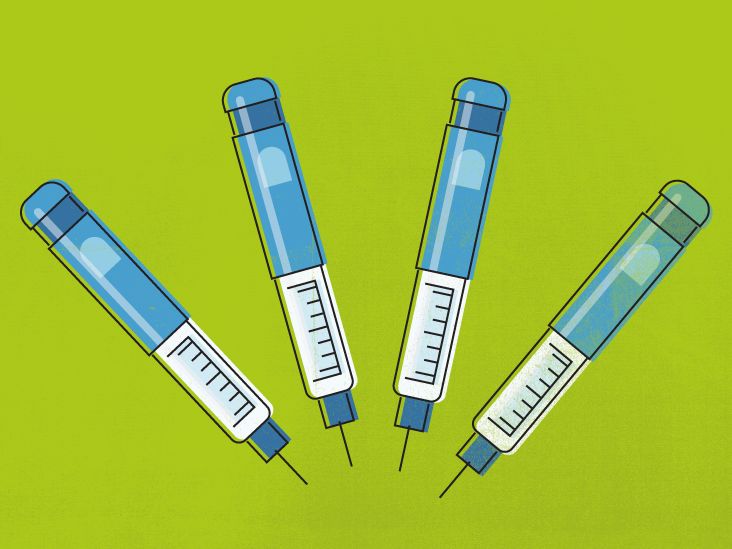
- 3 mL prefilled pens, including NovoLog pen presentations such as FlexPen or FlexTouch, depending on product availability and dispensing channel
Packaging can vary a bit depending on the pharmacy, insurer, or retail channel, but the big takeaway is simple: the medication may be the same, while the delivery device changes the day-to-day experience.
Why NovoLog dosage is different for everyone
NovoLog dosage is individualized. That is not vague medical hand-waving. It is the central rule.
A clinician may base your dose on:
- Your type of diabetes
- Your current blood sugar readings
- Your A1C and overall glucose targets
- How many carbohydrates you eat at meals
- Your usual exercise pattern
- Your weight and insulin sensitivity
- Kidney or liver function
- Illness, stress, schedule changes, or other medications
In other words, NovoLog dosing is less like setting a kitchen timer once and more like learning a system. The amount that works well on a quiet Tuesday may not be ideal on a road-trip Saturday, a sick day, or the morning after a pizza dinner that seemed harmless at the time and then absolutely was not.
How NovoLog is usually dosed
NovoLog is typically used as a mealtime insulin. Many people take it shortly before eating to help manage the blood sugar rise from food. In some treatment plans, it is combined with a long-acting basal insulin. In pump therapy, NovoLog may provide both background insulin and meal boluses, depending on pump settings.
Common dosing patterns
Your prescriber may use one or more of these approaches:
- Fixed mealtime dose: the same number of units before a certain meal
- Carbohydrate-based dose: a dose matched to the grams of carbs you plan to eat
- Correction dose: extra insulin used to bring a high blood sugar down, based on a clinician-set correction factor
- Combined meal-plus-correction dose: a bolus that covers both food and an elevated pre-meal reading
- Pump bolus: calculated using pump settings, carb entries, and blood sugar data
Adults with type 1 diabetes often use NovoLog as part of a basal-bolus regimen. Some adults with type 2 diabetes start with NovoLog at one meal, often the largest meal of the day, and later intensify treatment if needed. That progression depends on clinical goals, blood sugar patterns, and how well the current plan is working.
When to take NovoLog
Timing matters with NovoLog. Because it acts fast, it is generally taken within about 5 to 10 minutes before a meal. That timing is not a cute suggestion. It is the whole point of rapid-acting insulin.
Practical translation: have your food ready. Do not take NovoLog and then decide this is the perfect time to search for your phone charger, answer a long call, or realize the pasta water is still cold. Delaying the meal can raise the risk of low blood sugar.
If your clinician has given you special instructions, such as when to dose during illness, after exercise, or with uncertain appetite, follow those instructions first.
How to use NovoLog correctly
Using a vial and syringe
If you use a vial, you draw up the prescribed number of units into an insulin syringe and inject it under the skin. Always check the label before each use and confirm the insulin looks clear and colorless. Do not use it if it looks cloudy, thickened, or discolored.
Using a prefilled pen or cartridge pen
Pens are popular because they are portable and easier for many people to dose accurately. The basic workflow is usually:
- Wash your hands.
- Check the label and expiration date.
- Attach a new needle.
- Prime the pen as instructed.
- Dial your prescribed dose.
- Inject into the recommended site.
- Hold the needle in place briefly to help deliver the full dose.
- Remove the needle and dispose of it safely.
Never reuse pen needles. Never share pens, cartridges, syringes, or needles with another person, even if the needle has been changed. That is a safety rule, not a preference.
Using NovoLog in an insulin pump
NovoLog may also be used in certain external insulin pumps. Pump users should follow both the current product instructions and the pump manufacturer’s manual. Pump therapy requires attention to reservoir changes, infusion set changes, insertion sites, and backup planning in case the device malfunctions. If a pump fails, blood sugar can rise quickly because rapid-acting insulin does not provide long background coverage for very long.
Best injection sites for NovoLog
NovoLog is typically injected into the abdomen, thighs, upper arms, or buttocks. Site choice matters because insulin can absorb at different speeds depending on where it is given.
Many people find the abdomen works fastest and most predictably for mealtime insulin. But consistency matters too. It is smart to rotate within the same general area instead of using the exact same spot every time. Repeated injections into one tiny favorite location can lead to lumps, thickened skin, or unreliable absorption.
Avoid injecting into skin that is bruised, tender, scarred, thickened, or visibly abnormal. Those areas can make insulin action less predictable, which is the opposite of what you want from a drug that already moves quickly.
What can change your NovoLog dose?
NovoLog dosage may need adjustment when your routine changes. Common triggers include:
- More or less food than usual
- Higher carbohydrate meals
- Exercise or unusual physical activity
- Illness or infection
- Stress
- Changes in kidney or liver function
- Starting or stopping other medications
- Switching insulin products or delivery methods
This is why blood sugar monitoring matters so much with rapid-acting insulin. A good dose is not just “the number you used yesterday.” It is the number that matches today’s circumstances and your prescribed dosing framework.
Missed dose: what happens if you forget?
A missed NovoLog dose is not something to freestyle. Because NovoLog is tied to meals, the right response depends on when you notice the mistake, what you ate, what your blood sugar is now, and the instructions your prescriber gave you.
In general, do not double your next dose to make up for a missed one. If you realize the mistake shortly before or shortly after a meal, your prescriber may have told you what to do in that situation. If you do not have a specific plan, contact your healthcare team for guidance.
Common side effects and dosage concerns
Low blood sugar is the big one
The most important risk with NovoLog is hypoglycemia, or low blood sugar. This can happen if you take too much insulin, delay eating, exercise more than expected, miscount carbohydrates, or have changing insulin needs due to illness or organ function.
Symptoms can include shakiness, sweating, fast heartbeat, confusion, dizziness, blurred vision, or feeling suddenly awful in a way that gets your full attention. Severe hypoglycemia is a medical emergency.
Other possible issues
- Injection-site redness, itching, or swelling
- Skin thickening or lumps from repeated injections in the same spot
- Weight gain in some people using insulin therapy
- High blood sugar if the dose is too low, the insulin delivery fails, or the insulin is not absorbed reliably
If you have repeated lows, frequent highs, or big swings after meals, that is often a sign the dose, timing, technique, or site selection needs review.
Storage and handling basics
Insulin that is stored poorly can become less reliable, and unreliable insulin is a terrible plot twist.
- Unopened NovoLog is typically stored in the refrigerator.
- Opened vials are generally usable for up to 28 days, depending on storage conditions.
- Pens and cartridges in use are generally kept at room temperature and are usually discarded after 28 days.
- Do not freeze NovoLog.
- Protect it from excessive heat and direct light.
- Always remove the needle from a pen after injection before storing it.
Because storage directions can vary slightly by container and current labeling, always double-check the package insert and your pharmacy label for the exact instructions tied to the product in your hand.
Real-world experiences with NovoLog dosage
People who use NovoLog often describe the same learning curve: the prescription looks simple on paper, but daily life is not paper. Real-world experience with NovoLog dosage is usually about timing, consistency, and pattern recognition.
One of the most common experiences is discovering how quickly “rapid-acting” really feels in practice. Many people learn early that taking NovoLog and then waiting too long to eat can make them feel shaky, sweaty, or suddenly very motivated to find a juice box immediately. It sounds obvious when written down, but it is one of those lessons that becomes unforgettable after the first badly timed meal delay.
Another frequent experience is realizing that the same meal does not always behave the same way. A person may take what seems like the usual dose for breakfast, only to get very different results depending on sleep, stress, hormones, illness, or whether they rushed around all morning. That can be frustrating at first. Over time, many people become less focused on “perfect numbers” and more focused on trends, adjustments, and staying within the plan their clinician gave them.
People using pens often say convenience is one of the biggest wins. A prefilled pen can feel much easier to manage at work, school, restaurants, or while traveling. But ease can also create overconfidence. Experienced users often become very disciplined about checking the label before every injection, especially if they keep more than one insulin at home. Mixing up a rapid-acting insulin with a long-acting one is the sort of mistake nobody wants to make twice.
Site rotation also becomes a lived experience, not just a nurse’s reminder. Many long-term insulin users notice that repeatedly injecting into the same “comfortable” spot can eventually make doses less predictable. When they rotate more carefully, blood sugar results often become more consistent. It is not glamorous advice, but it is genuinely useful.
Pump users often describe a different kind of relationship with NovoLog dosage. The freedom can be excellent, but it comes with a sharper need for vigilance. A bent cannula, bad infusion site, or pump interruption can send blood sugar upward surprisingly fast. That is why seasoned pump users tend to be serious about backup supplies. The “I’ll be fine without extras” mindset usually disappears after one inconvenient failure at exactly the wrong time.
Caregivers and parents often talk about how much dosing confidence grows through repetition. At first, every carb count and blood sugar check can feel high-stakes. Later, the process becomes more organized and less emotionally exhausting. Not easy, exactly, but more familiar. That may be the most realistic summary of the NovoLog experience: it is a medication that works best when users build routines, watch patterns, and respect the details.
Final takeaways
NovoLog dosage is not just about units. It is about matching a rapid-acting insulin to real meals, real blood sugar patterns, and real life. NovoLog is commonly available as U-100 insulin aspart in vials, cartridges, and pen devices. It is usually taken shortly before meals, and the exact dose is individualized based on your treatment plan, food intake, activity, and glucose data.
The smartest approach is not guessing, copying someone else’s dose, or assuming yesterday’s routine will always fit today. It is using the device correctly, timing doses carefully, rotating sites, storing insulin properly, and staying in close contact with your healthcare team when patterns change. NovoLog can be a powerful tool, but only when the dose and the method match the person using it.