

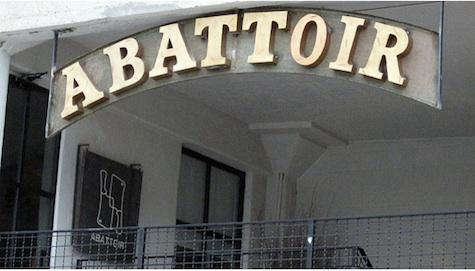
If you ever wanted proof that Atlanta knows how to turn industrial history into dinner plans, Abattoir was the case study with a cocktail menu. Located in the White Provision building in Westside Provisions District, the restaurant took its name from the French word for “slaughterhouse,” which sounds like a terrible first date idea and an excellent branding move at the same time. The joke, of course, was that the name suggested a brutalist meat bunker, while the actual experience was far more polished, stylish, and inviting. Abattoir was a restaurant with edge, but not the kind that made you feel like you needed emotional support after reading the menu.
Although Abattoir closed in 2015, it still deserves a proper restaurant visit retrospective because it captured a very specific moment in Atlanta dining. It arrived when nose-to-tail cooking, local sourcing, and chef-driven menus were moving from insider obsessions into the broader American restaurant conversation. Yet Abattoir never reduced itself to trend-chasing. Yes, there was offal. Yes, there was charcuterie. Yes, there were enough rustic details to make reclaimed wood feel downright glamorous. But there was also restraint, hospitality, and a surprisingly broad appeal for a place named after a slaughterhouse.
Where Abattoir Fit in Atlanta’s Dining Scene
Abattoir opened in 2009 under the umbrella of Anne Quatrano and Clifford Harrison, the powerhouse duo behind Bacchanalia, Floataway Cafe, and Star Provisions. That alone gave the restaurant instant credibility. In Atlanta, their names have long carried the culinary equivalent of a standing ovation. Abattoir, however, was not a copy of Bacchanalia with rougher lighting and more pork. It was designed to be more casual, more flexible, and more playful, while still keeping the group’s signature focus on ingredient quality, technique, and seasonal sourcing.
The location mattered, too. Westside Provisions District was already becoming one of Atlanta’s most interesting adaptive-reuse success stories, transforming a former meatpacking area into a destination for dining, retail, and urban cool without trying too hard to look cool. Abattoir fit the neighborhood like a leather jacket that somehow also knows about heirloom produce. In a district rooted in meatpacking history, the name felt clever instead of gimmicky. It nodded to the past while announcing that this was a thoroughly modern restaurant.
That setting gave Abattoir some built-in drama. You were dining inside a former industrial zone, but the room itself softened the old bones of the building with weathered wood, banquettes, marble tables, warm lighting, and design details that felt more farmhouse-chic than factory-floor grim. It was a place where the architecture still whispered “warehouse,” but the meal spoke fluent “special night out.”
The Menu: Serious Cooking Without the Lecture
The smartest thing about Abattoir’s menu was that it never bullied diners into being adventurous. Before opening, there was plenty of chatter that the place would be all snout-to-tail swagger and “local proteins,” which is a phrase that sounds useful only if you are either a chef or a laboratory fridge. In reality, the menu was much more balanced. It offered cured meats, terrines, pâtés, and offal for the curious, but it also included seafood, produce-driven dishes, wood-grilled proteins, and plates that sounded delicious even if your culinary risk tolerance was set to “medium.”
That balance was key to Abattoir’s charm. It could lure in serious eaters with potted chicken liver and foie gras with Armagnac, tripe stew, lamb liver fritters, rabbit rillette, and pickled shrimp, while also reassuring less daring diners with beautifully prepared fish, steak, fries, salads, and vegetables that were treated with the same level of respect as the meat. This was not a temple to macho carnivory. It was a smart, ingredient-driven American restaurant that happened to understand how to make unusual cuts feel approachable.
The structure of the menu reinforced that idea. Dishes were grouped into sections like snacks, salted and cured items, food in a jar, local produce, wood-grilled selections, bowls and plates, cheese, and sweets. That format encouraged mixing, matching, and sharing. A table could build its own rhythm: a few savory nibbles, something fresh and bright, a richer centerpiece, then dessert if everyone still had functioning judgment. It made the meal feel exploratory without becoming chaotic.
Standout Dishes That Defined the Experience
Several dishes appeared again and again in early coverage and reviews, which tells you they were doing more than simply looking pretty under dim lights. The potted chicken liver and foie gras with Armagnac was one of the signature bites, served in a preserving jar with toast from the Star Provisions bakery. It sounds indulgent because it was indulgent. Reviewers described it as silky, rich, and a little wicked in the best possible way. This was the sort of starter that made the table go quiet for a second, which is usually the highest compliment in a restaurant.
Pickled Georgia white shrimp also stood out, partly because they showed how Abattoir balanced richness with brightness. The restaurant was deeply associated with meat, but it had no interest in monotony. Seafood and produce were essential to the menu’s range, and dishes like shrimp, tomato salads, watermelon salad, and vegetable jars gave the whole experience some lift. One of the more charming notes from published coverage was the attention paid to local sourcing, including produce and seasonal ingredients that connected the restaurant to Georgia rather than just to a national trend cycle.
Then there were the smaller bites that built personality: puffed ceci peas dusted with cumin, textbook pommes frites with mayonnaise, chicharrones that felt miles better than their gas-station cousins, and terrines offered in tasting portions. These were dishes with swagger but not ego. They invited diners to graze, compare, and argue happily over what to order again.
For larger plates, Abattoir had range. Depending on the chef era and the season, diners encountered wood-grilled bratwurst, slow-cooked rabbit, duck meatballs, trout, spicy shrimp, New York strip, pork belly, and the much-praised bone-in rib chop. The chop in particular became one of the restaurant’s calling cards: well-marbled, deeply flavorful, charred outside, rosy inside, and served with a simplicity that let the meat do the talking. Which, to be fair, is exactly what meat wants.
Dessert never felt like an afterthought, either. Reports highlighted items such as brown sugar meringue with peach ice cream and a bruleed Carolina Gold rice pudding served hot with vanilla milk and cherries. Those details mattered because they showed Abattoir was not just trying to end the meal with something sweet-ish and forgettable. The kitchen wanted a full arc, not a strong first act followed by a shrug.
Chefs, Evolution, and Why the Restaurant Kept Changing
One reason Abattoir remains interesting is that it was never static. Joshua Hopkins, a Bacchanalia veteran and partner in the venture, helped establish the opening identity of the restaurant. His early menu leaned into offal, cured meats, and shareable plates while still leaving plenty of room for seafood and vegetables. That original version of Abattoir attracted strong reviews and even national attention, with Hopkins being named one of Esquire’s “chefs to watch” in 2010.
After Hopkins left at the end of 2011, Tyler Williams stepped in and brought a slightly different energy. Coverage at the time suggested a chef interested in keeping the restaurant’s sustainable chophouse foundation while adding more of his own technique and whimsy. Later reviews noted Asian and global influences, plus more restless, idea-driven cooking. That creative experimentation gave Abattoir momentum, even if some dishes worked better than others.
By 2013, Hector Santiago brought another shift. His version of Abattoir was often described as an “American regional chophouse” with Latin American accents. Secret butcher’s-menu items with chicken hearts, gizzards, blood sausage, and pig maws preserved some of the restaurant’s original adventurous spirit, but the broader menu worked hard to stay accessible and more affordable. Grass-fed beef pies, octopus, ceviche, and chimichurri-topped steak gave the restaurant a subtly new accent without abandoning its core identity.
That evolution was exciting, but it also hints at why Abattoir sometimes felt a little difficult to pin down. Was it a nose-to-tail restaurant? A Southern chophouse? A farm-to-table neighborhood destination? A chef playground? The answer was, more or less, yes. That flexibility made it compelling, though perhaps not always easy to summarize in one sentence. And restaurants that require a paragraph instead of a tagline can be thrilling for food lovers, but sometimes harder to market to everyone else.
Service, Wine, and the Overall Vibe
One of the most consistent compliments Abattoir received was for service. Even when critics found unevenness in the food, the front-of-house team was often praised for professionalism, warmth, and confidence. This was important because Abattoir walked a narrow line. The menu might include sweetbreads, liver, or blood sausage, but the room could not feel intimidating. Service helped translate the restaurant’s ambition into something welcoming.
The wine program helped, too. Reviewers repeatedly pointed out that the list offered real value, with thoughtful bottles available at approachable prices. In a restaurant with serious culinary pedigree, that kind of pricing sends a nice message: yes, we know what we’re doing, and no, we are not here to punish you for ordering red wine on a Tuesday.
The ambiance completed the pitch. Abattoir could be loud, lively, and a little theatrical, but not in an exhausting way. The patio, the fireplace, the industrial shell, the warm interior, and the open-room buzz all gave it the feeling of a place where something was happening. It was stylish without being stiff, polished without being cold, and meaty without feeling like a caveman convention.
Why Abattoir Closed and Why It Still Matters
Abattoir closed in March 2015 after a seven-year run. Anne Quatrano described the decision as part of a broader shift toward new projects, including the opening of Fish Camp at Ponce City Market and a new concept downstairs from Bacchanalia. Soon afterward, the space passed to Ford Fry, who opened Marcel at the same address. In that sense, the room remained part of Atlanta’s restaurant conversation even after Abattoir itself was gone.
Its legacy, however, is bigger than real estate turnover. Abattoir helped define West Midtown as a serious dining neighborhood. It also showed that Atlanta diners were more adventurous than outsiders sometimes assumed. A restaurant with a name like Abattoir, an offal section on the menu, jars of pâté, and a former meatpacking-plant address might have sounded too niche on paper. In practice, it became a vivid example of how chef-driven restaurants could be both thoughtful and broadly appealing.
Most of all, Abattoir mattered because it understood tension. It was refined and rustic. It was meat-focused but not one-note. It was trend-aware without feeling enslaved to trends. It could serve duck confit salad, rabbit, steak, pickled shrimp, and Carolina Gold rice pudding in a single meal and somehow make that range feel coherent. That is harder than it looks. Plenty of restaurants have a concept. Fewer have an identity. Abattoir, even through its changes, had one.
The Experience of a Visit: Why Abattoir Still Lingers in the Imagination
A restaurant visit to Abattoir was the kind of night that started before the first bite. You arrived in Westside Provisions with the neighborhood already doing some of the mood-setting for you. The former industrial backdrop, the bridge, the old brick, the low hum of Atlanta moving around Howell Mill Road, all of it created a little anticipation. Then you climbed the stairs and saw the sly butcher-chart details and the room opening up in front of you. It felt like entering a place that knew exactly what it wanted to be, even if it still enjoyed surprising you.
At the table, the experience was rarely about ordering one monumental thing and calling it a day. Abattoir worked best when the meal unfolded in layers. You started with a jar of something rich and spreadable, or a plate of pickled shrimp, or fried ceci peas that disappeared with suspicious speed. Somebody always said, “Let’s just get one more starter,” and everybody else pretended that was a reckless idea before agreeing instantly. That is generally how good restaurant decisions are made.
What made Abattoir memorable was the way it balanced comfort with curiosity. Even the more adventurous dishes were presented in a way that felt inviting rather than performative. Offal was not there to shock you or to prove the chef had read an important manifesto. It was there because, handled properly, those ingredients could be delicious. Meanwhile, the restaurant never forgot the pleasures of a great steak, a bowl of broth, a crisp fry, a bright salad, or a cool glass of wine at the right moment.
The pacing mattered, too. Abattoir encouraged lingering. Between the room’s warm glow, the professional service, and the menu’s small-plate logic, dinner could stretch in a very pleasant way. You could build a meal around grazing and conversation, or you could steer into a bigger chophouse-style finish. Either way, the restaurant seemed to understand that dining out is not just about being fed. It is about rhythm, atmosphere, and the feeling that you are somewhere distinct enough to justify leaving your house, putting on real clothes, and paying for someone else to make your rabbit better than you ever will.
Even its imperfections became part of the story. Some critics found inconsistency over the years. Some thought the identity shifted too often. Some noted that the dining room could get noisy. All fair. But restaurants that leave a mark are not always the ones polished into bland perfection. Sometimes the memorable places are the ones with a little friction, a little evolution, and a little glorious uncertainty. Abattoir had all three.
Looking back, Abattoir feels like one of those restaurants that helped teach a city how it wanted to eat next. It connected Atlanta’s fine-dining pedigree to a more casual, shareable, ingredient-first style. It trusted diners to be curious. It made room for bold flavors, local produce, thoughtful wine, and serious proteins without becoming precious about any of it. And it did all that under a name that should have been absurd and somehow ended up iconic.
So if the phrase “Restaurant Visit: Abattoir in Atlanta” sounds a little like culinary time travel, that is because it is. But some restaurant experiences are worth revisiting, even after the lights go out and another concept takes the room. Abattoir is one of them. Its doors may be closed, but its place in Atlanta dining history is still very much open.
Conclusion
Abattoir was never just a meat-forward restaurant in a fashionable part of town. It was a thoughtful, evolving, chef-led Atlanta destination that used its historic setting, strong hospitality, seasonal sourcing, and gutsy-but-approachable menu to create a meal people still talk about. In a city full of standout restaurants, Abattoir carved out a distinct identity by making rustic food feel refined and adventurous food feel inviting. That is why this former Westside favorite still deserves a seat in the conversation.