

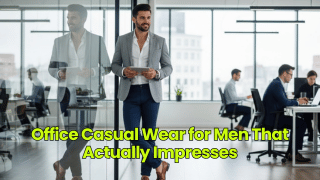
Office casual wear for men used to sound simple: wear pants, avoid flip-flops, and try not to look like you slept under your desk. Easy, right? Not anymore. Modern workplaces have stretched the old dress-code rulebook like a cheap sweater in a hot dryer. Some offices welcome dark jeans and clean sneakers. Others hear the word “casual” and still expect you to look like you could present quarterly numbers to a boardroom full of people named Richard.
The good news is that impressive office casual style does not require a celebrity stylist, a gold-plated watch, or a blazer so tight you can no longer raise your hand in meetings. It requires knowing the difference between relaxed and sloppy, simple and boring, comfortable and “I gave up during Q2.” When done well, men’s office casual outfits make you look capable, approachable, and put together without looking like you are auditioning to be the villain in a finance movie.
This guide breaks down practical, stylish, and realistic office casual wear for men: what to buy, how to combine pieces, which mistakes quietly sabotage your look, and how to build a wardrobe that works from Monday meetings to casual Friday coffee runs.
What Office Casual Wear for Men Really Means
Office casual wear sits between formal business attire and weekend clothes. It is polished enough for professional settings but relaxed enough that you do not need a tie, a full suit, or shoes that sound like tap dancing on the office floor.
Think chinos instead of suit trousers, knit polos instead of graphic tees, loafers instead of running shoes, and unstructured blazers instead of stiff corporate armor. The goal is simple: look intentional. Your outfit should say, “I understand the assignment,” not “The laundry basket made this decision for me.”
Business casual and smart casual often overlap. Business casual leans a bit more professional, while smart casual allows more personality. For most offices, the safest formula is one structured piece, one comfortable piece, and one polished detail. For example: a crisp Oxford shirt, tapered chinos, and brown leather loafers. Easy, clean, and nobody in HR has to send a gentle email.
The Foundation: Fit Comes Before Fashion
The best office casual outfit can collapse instantly if the fit is wrong. A $40 shirt that fits well can look sharper than a $200 shirt with sleeves swallowing your hands like fabric mittens. Fit is the quiet power move of men’s style.
Shirts Should Follow Your Shape
Your shirt should skim your body without pulling across the chest or ballooning at the waist. The shoulder seams should sit near the edge of your shoulders, not halfway down your arms. Sleeves should end around the wrist bone. If you tuck in your shirt and it creates a parachute effect, you may need a slimmer cut or a quick visit to a tailor.
Pants Should Be Clean, Not Costume-Like
Office casual pants should have a neat line. Tapered chinos, straight-leg trousers, and modern five-pocket pants work well. Avoid pants that bunch heavily at the ankle or cling like workout leggings. A slight break at the shoe is usually safe. Cropped pants can work in creative offices, but if your ankles are making a bold presentation before you do, reconsider.
Tailoring Is Not Just for Suits
Shortening sleeves, hemming pants, or taking in a shirt can transform ordinary clothes into something that looks custom. Tailoring is not fancy; it is practical. It is the style equivalent of spell-check: small effort, big improvement.
Essential Office Casual Shirts for Men
Shirts set the tone for the entire outfit. In office casual wear, the best shirts look relaxed but structured. You want fabric with shape, collars that behave, and colors that do not require coworkers to adjust their screen brightness.
The Oxford Button-Down
The Oxford button-down shirt is the reliable friend of men’s office casual style. It works tucked or untucked, under sweaters, with chinos, with dark jeans, and under casual blazers. White, light blue, pale gray, and subtle stripes are the easiest starters. A blue Oxford shirt with navy chinos and brown loafers is almost impossible to mess up, which is why it deserves a tiny round of applause.
The Knit Polo
A knit polo is more refined than a basic golf polo and less formal than a dress shirt. It looks especially sharp in navy, charcoal, cream, olive, or burgundy. Pair it with tailored trousers and loafers for summer, or layer it under a jacket when the office air conditioning turns into a polar expedition.
The Chambray Shirt
Chambray gives you the relaxed energy of denim without looking like you are headed to fix a tractor. Worn with khaki chinos, suede shoes, or a navy blazer, it can look masculine, modern, and office-friendly. Keep the wash medium or dark, and avoid Western-style details unless your office has a horse in the parking lot.
The Fine-Gauge Sweater
A merino crewneck, quarter-zip, or lightweight cardigan is a smart layering piece. It adds texture without adding bulk. Wear it over a collared shirt or on its own with trousers. The key is “fine-gauge,” not “giant ski lodge blanket.”
The Best Pants for Men’s Office Casual Outfits
Pants are where many office casual outfits either become stylish or slide into “dad waiting at the airport.” You do not need dozens of options. You need a few dependable pairs that work with almost everything.
Chinos
Chinos are the backbone of office casual wear for men. They are comfortable, versatile, and available in colors that play well with most shirts. Start with navy, khaki, olive, and charcoal. A tapered or slim-straight cut looks clean without feeling trendy. Pair navy chinos with a white Oxford shirt and tan suede loafers. Pair olive chinos with a gray knit polo and dark brown chukkas. Congratulations, you now look like you own a calendar and use it responsibly.
Wool or Stretch Dress Trousers
Modern dress trousers can be comfortable without looking lazy. Lightweight wool, stretch blends, and wrinkle-resistant fabrics are excellent for long workdays. Charcoal, medium gray, and navy trousers instantly elevate casual shirts. They are especially useful when you have a client meeting, presentation, or lunch with someone whose job title has too many syllables.
Dark Jeans
Dark jeans can work in many casual offices if they are clean, full-length, well-fitted, and free of distressing. Choose deep indigo or black denim with minimal fading. Pair jeans with polished pieces: a blazer, Oxford shirt, leather belt, and loafers or Chelsea boots. The jeans bring comfort; the rest of the outfit keeps you from looking like you wandered in from a Saturday hardware-store trip.
Office Casual Shoes That Actually Impress
Shoes are the final exam of office casual style. People may not consciously study your footwear, but they notice when it is wrong. Beat-up sneakers, square-toe relics, and overly formal black oxfords can all throw off the balance.
Loafers
Penny loafers and bit loafers are office casual classics. Brown, burgundy, or black leather pairs easily with chinos, trousers, and dark denim. Suede loafers feel softer and more relaxed, especially in warm weather. Wear no-show socks if appropriate, but make sure they stay hidden. Nothing ruins elegance like a sock trying to escape.
Derbies and Bluchers
Derbies are less formal than oxfords but still professional. They work beautifully with trousers and chinos. Brown leather derbies are one of the most useful shoe choices a man can own. Black derbies can look sharper and more urban. If you want one pair that handles office days, dinners, and semi-formal events, start here.
Chukkas and Chelsea Boots
Chukka boots add texture and ease. Chelsea boots add a sleeker silhouette. Both look great with tapered pants and dark jeans. Suede works for smart casual environments, while polished leather feels slightly more formal. Keep the toe shape clean and avoid bulky soles unless your workplace is located on a mountain.
Minimal Sneakers
Minimal leather sneakers can work in modern offices, especially in creative, tech, or hybrid workplaces. Choose simple white, black, gray, or navy sneakers with clean lines and no loud logos. The rule is simple: they should look like style sneakers, not gym sneakers that have seen emotional things.
Layering Pieces That Make Office Casual Look Intentional
Layers are where office casual outfits become impressive. A basic shirt and chinos are fine. Add the right jacket or sweater, and suddenly you look like the guy who knows where the good coffee is and probably has a clean inbox.
The Unstructured Blazer
An unstructured blazer is softer than a suit jacket and easier to wear casually. Navy is the most versatile choice. Wear it with gray trousers, khaki chinos, or dark jeans. A blazer over a knit polo is a strong move because it looks polished without the stiff “big interview” feeling.
The Shirt Jacket
A shirt jacket, also called a shacket, works well in offices that lean casual. It adds shape without looking too corporate. Choose wool blends, cotton twill, or suede-like textures in navy, olive, tan, or charcoal. Wear it over a T-shirt only if your office allows casual tops; otherwise, layer it over an Oxford or knit polo.
The Cardigan
A cardigan can look relaxed and smart when it fits properly. Avoid oversized, floppy versions unless your goal is “retired philosophy professor who lost his keys.” A structured cardigan in charcoal, navy, or camel works with button-downs and trousers.
Color Combinations That Always Work
Men’s office casual style becomes easier when you stop treating color like a casino game. Build around neutrals, then add controlled personality.
Reliable combinations include navy and gray, olive and white, charcoal and light blue, khaki and navy, black and cream, brown and denim, and burgundy with gray. These pairings look mature without being dull.
If you want to add color, use one accent at a time. A burgundy polo, forest green sweater, patterned pocket square, or textured socks can make an outfit more interesting. But if your shirt, socks, watch strap, and shoes are all yelling for attention, the outfit turns into a committee meeting with no chairperson.
Accessories: Small Details, Big Difference
Accessories should support the outfit, not hijack it. In office casual wear, the best accessories are clean, useful, and understated.
The Belt
A leather belt should generally match the tone of your shoes. It does not need to be identical, but black shoes with a tan belt can look accidental. For casual outfits, woven belts or suede belts are excellent options.
The Watch
A simple watch makes an outfit feel complete. Leather straps look classic; metal bracelets look sharper; fabric straps feel relaxed. Avoid giant watches that look like they can communicate with satellites.
The Bag
Your work bag matters. A clean leather briefcase, canvas tote, or structured backpack beats a sagging gym bag. The bag should match the level of your workplace. If your outfit says “promotion material” but your backpack says “middle school field trip,” there is a disconnect.
Office Casual Outfit Ideas for Men
Monday Meeting
Wear a navy unstructured blazer, white Oxford shirt, gray trousers, brown leather derbies, and a matching belt. This outfit is professional but not stiff. It works when you need authority without looking like you came from a courtroom.
Tuesday Desk Day
Try a light blue button-down, olive chinos, and suede chukkas. Roll the sleeves once or twice if the office is relaxed. It is comfortable, clean, and more interesting than default khaki mode.
Wednesday Client Lunch
Choose a charcoal knit polo, navy trousers, black loafers, and a slim watch. This outfit feels modern and confident. It also survives accidental sauce splashes better than a bright white shirt, which is important because pasta has no respect for ambition.
Thursday Hybrid Workday
Wear a fine-gauge merino sweater over a collared shirt, dark jeans, and Chelsea boots. You will look good on video calls and still be comfortable enough to power through emails.
Casual Friday
Try dark indigo jeans, a white knit polo, a navy shirt jacket, and clean leather sneakers. This is casual without becoming careless. Add a leather belt and keep the sneakers spotless.
Common Office Casual Mistakes Men Should Avoid
The biggest office casual mistake is confusing “casual” with “whatever.” Casual office clothes still need structure. Wrinkled shirts, stretched collars, faded pants, and dirty shoes make even expensive outfits look tired.
Another mistake is dressing too young. Graphic tees, loud sneakers, cargo shorts, and hoodies may be acceptable in some workplaces, but they rarely impress. You can look relaxed without looking like your weekend plans started at 9 a.m.
Overdressing can also be awkward. A full suit in a hoodie-and-sneaker office can make you look like you are either interviewing or serving legal papers. Match the culture, then elevate it slightly. That is the secret: be one notch sharper than the room, not five notches and a pocket watch.
Finally, grooming matters. A great outfit cannot rescue messy hair, an untrimmed neckline, or shoes that look like they survived a minor natural disaster. Style is the whole picture.
How to Build a Simple Office Casual Capsule Wardrobe
You do not need a closet packed like a department store. A strong office casual wardrobe can be built with a small set of versatile pieces.
Start with three Oxford shirts in white, light blue, and pale gray. Add two knit polos, one navy and one charcoal. Buy four pairs of pants: navy chinos, khaki chinos, charcoal trousers, and dark jeans if your office allows denim. Add one unstructured navy blazer, one lightweight sweater, and one shirt jacket or cardigan.
For shoes, begin with brown leather loafers or derbies, suede chukkas, and clean minimal sneakers if appropriate. Add a brown belt, black belt, simple watch, and structured work bag. With these pieces, you can create dozens of outfits without needing a spreadsheet, although if you already have one, we respect the commitment.
Seasonal Office Casual Tips
Spring and Summer
Choose breathable fabrics like cotton, linen blends, lightweight wool, and knit materials. Lighter colors such as stone, light gray, soft blue, and olive feel fresh. Short sleeves can work if the shirt is structured and the fit is clean. Avoid beachwear energy. The office is not a resort, even if the printer does make tropical bird noises.
Fall and Winter
Lean into texture: merino wool, corduroy, suede, flannel, and heavier cotton. Darker colors such as charcoal, navy, brown, burgundy, and forest green feel seasonal and refined. Boots become especially useful. Layering also allows you to adjust to offices where the thermostat seems controlled by a mysterious committee.
How to Impress Without Looking Like You Tried Too Hard
The best office casual wear for men looks natural. It is not about peacocking. It is about competence. Clean lines, good fit, quality basics, and one interesting detail are usually enough.
Try this formula: neutral pants, polished shoes, a well-fitting top, and one upgrade. The upgrade could be a blazer, textured sweater, leather belt, sharp watch, or excellent jacket. This approach keeps your outfit balanced.
Confidence comes from repeatable systems. Once you know that a navy polo works with gray trousers, or that brown loafers improve almost anything, getting dressed becomes faster. You stop negotiating with your closet every morning like it is a tiny fabric courtroom.
Real-Life Experience: What Actually Works in the Office
Here is the honest truth from observing office style in the wild: most men do not need more clothes. They need fewer bad habits. The guys who consistently look impressive are rarely wearing shocking outfits. They are wearing normal pieces in a better way. Their shirts fit. Their pants are hemmed. Their shoes are clean. Their colors make sense. Their clothes look like they were chosen by an adult human before coffee, not by panic.
One of the best office casual upgrades is replacing the old “polo and baggy khakis” combination. That outfit has haunted office parks for decades. It is not evil, but it often looks unfinished. Swap the oversized polo for a knit polo with a better collar. Replace loose khakis with tapered chinos. Add loafers instead of bulky sneakers. Suddenly the same basic idea becomes sharper, cleaner, and more modern.
Another experience-based lesson: jackets solve problems. A navy blazer, shirt jacket, or structured cardigan can rescue a plain outfit in seconds. If you keep one clean layer at the office, you are prepared for surprise meetings, cold conference rooms, or the sudden appearance of senior leadership. It is like having a professional emergency kit, but instead of bandages, it contains dignity.
Shoes also change everything. Many men spend money on shirts but ignore footwear. That is backward. A simple outfit with excellent shoes looks intentional. A nice shirt with tired shoes looks confused. Brown derbies, loafers, Chelsea boots, or clean leather sneakers can make basic chinos and a button-down look complete.
The final lesson is that office casual should fit your actual job. A designer at a creative agency can push color, denim, and sneakers more than a financial analyst meeting clients. A software engineer may get away with a hoodie, but a structured overshirt will still look better. A manager should usually dress slightly more polished than the team, not because of ego, but because visual trust matters.
Impressive office casual wear is not about pretending to be someone else. It is about presenting your best practical version. You can be comfortable and sharp. You can dress simply and still stand out. You can look professional without dressing like your calendar is entirely investor meetings. The sweet spot is clothing that helps people notice your presence, not your outfit first. When your style quietly says “organized, confident, and easy to work with,” you have won.
Note: This article is written as an original, publication-ready synthesis of current U.S. workplace dress-code guidance, men’s business casual style advice, and practical office wardrobe experience.