

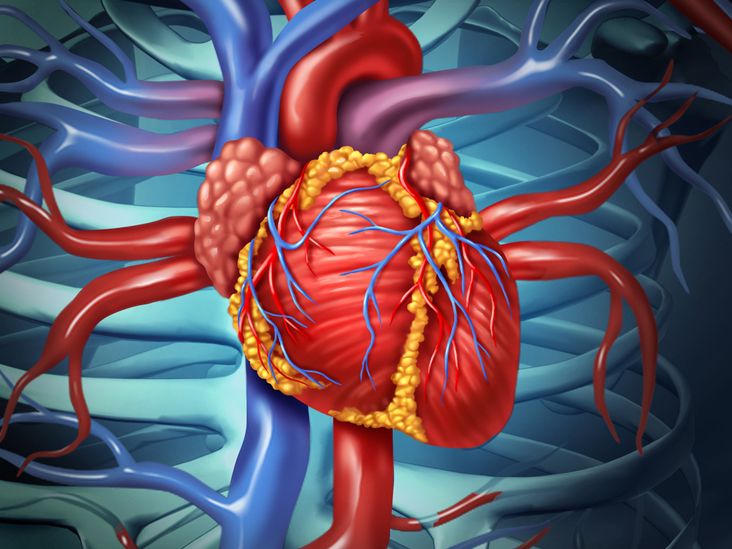
Open-heart surgery sounds dramatic because, frankly, it is. The phrase alone can make a hospital gown feel like a superhero cape nobody asked to wear. But while the idea of surgery on the heart is understandably intimidating, modern cardiac surgery is carefully planned, highly monitored, and performed by specialized teams who do this work every day. For many people, open-heart surgery is not a last-page tragedy. It is the beginning of better blood flow, stronger heart function, fewer symptoms, and a more active life.
This guide explains what open-heart surgery means, why doctors recommend it, how the procedure usually works, what risks to understand, and how to prepare before and after the operation. The goal is not to make the surgery sound casual. It is major surgery. The goal is to make it less mysterious, because fear loves an information vacuum. Let us politely evict it.
What Is Open-Heart Surgery?
Open-heart surgery is a type of cardiac surgery in which a surgeon opens the chest to operate on the heart, nearby blood vessels, or heart valves. In many traditional procedures, the breastbone is divided to give the surgical team direct access to the heart. The sternum is closed afterward with strong wires, which usually remain safely inside the body.
The term “open-heart surgery” does not always mean the heart is literally opened. It means the chest is opened so surgeons can repair, replace, bypass, or reconstruct part of the heart or major blood vessels. Some procedures use a heart-lung bypass machine, which temporarily takes over the job of pumping blood and adding oxygen while the surgeon works. Other operations, such as certain coronary artery bypass procedures, may be done “off-pump,” meaning the heart keeps beating during surgery.
Common Reasons Doctors Recommend Open-Heart Surgery
Doctors may recommend open-heart surgery when medication, lifestyle changes, stents, or less invasive procedures are not enough to treat a serious heart problem. The exact reason depends on the person’s diagnosis, overall health, symptoms, and test results.
Coronary Artery Bypass Grafting
Coronary artery bypass grafting, often called CABG or bypass surgery, is one of the most common forms of open-heart surgery. It is used when coronary arteries become narrowed or blocked by plaque. The surgeon takes a healthy blood vessel from the chest, arm, or leg and uses it to create a new route around the blockage. Think of it as building a smart detour when the main road has become a parking lot.
Heart Valve Repair or Replacement
Heart valves keep blood moving in the right direction. When a valve becomes too narrow, too leaky, infected, or damaged, the heart may work harder than it should. Open-heart surgery may repair the existing valve or replace it with a mechanical or biological valve. Valve surgery may be needed for conditions such as aortic stenosis, mitral valve regurgitation, or valve disease related to infection or aging.
Aortic Aneurysm or Aortic Disease Repair
The aorta is the body’s main artery. If part of it becomes dangerously enlarged, weakened, or torn, surgery may be needed to repair or replace the affected section. Aortic surgery can be complex, but it may prevent life-threatening complications.
Congenital Heart Defect Repair
Some people are born with structural heart problems. Depending on the defect, open-heart surgery may be performed in infancy, childhood, or adulthood to improve blood flow and heart function.
Heart Transplant or Mechanical Support
In severe heart failure, open-heart surgery may be used for heart transplantation or to place a mechanical device that helps the heart pump blood. These procedures involve detailed evaluation and long-term follow-up.
Who Is on the Surgical Team?
Open-heart surgery is not a solo performance. It is more like a highly trained orchestra, except everyone is wearing masks and nobody is asking for applause. The team may include a cardiothoracic surgeon, anesthesiologist, perfusionist, surgical nurses, physician assistants, respiratory therapists, intensive care specialists, pharmacists, physical therapists, and cardiac rehabilitation professionals.
Each person has a specific role. The surgeon performs the repair. The anesthesiologist keeps the patient asleep, pain-free, and medically stable. The perfusionist manages the heart-lung machine when it is used. Nurses and ICU staff monitor recovery closely after the procedure. This team approach is one reason modern cardiac surgery can be done with careful control and detailed planning.
How to Prepare for Open-Heart Surgery
Preparation begins well before the day of surgery. The better prepared a person is, the smoother the hospital stay and home recovery may be. Of course, nobody needs to train for surgery like it is a marathon, but practical preparation can make a real difference.
Medical Tests Before Surgery
Before open-heart surgery, the care team may order blood tests, chest imaging, electrocardiogram, echocardiogram, coronary angiography, lung function tests, or other exams. These tests help the team understand heart function, kidney function, lung health, blood counts, and overall surgical risk.
Patients should bring a complete list of medications, vitamins, supplements, and over-the-counter drugs. This includes aspirin, blood thinners, diabetes medications, herbal products, and pain relievers. Some medications may need to be stopped or adjusted before surgery, but only under medical guidance. This is not the time for “I saw a comment online” medicine.
Quit Smoking and Reduce Infection Risk
Smoking can increase the risk of breathing problems, poor wound healing, and infection. Quitting before surgery is one of the most valuable steps a patient can take. Even if quitting feels difficult, the surgical team can suggest support options.
Patients may also be asked to shower with a special antibacterial soap before surgery. They should avoid shaving the surgical area unless the hospital instructs otherwise, because shaving can irritate the skin and raise infection risk. Good blood sugar control is also important, especially for people with diabetes.
Plan the Home Recovery Zone
Before surgery, prepare the home like a calm little recovery headquarters. Place frequently used items within easy reach. Stock up on simple, heart-healthy foods. Arrange a comfortable sleeping area, especially if lying flat is uncomfortable at first. Remove tripping hazards such as loose rugs, cords, or ambitious throw pillows with a vendetta.
Most people need help at home after discharge. A caregiver can assist with meals, transportation, medications, follow-up appointments, wound checks, and emotional support. Patients should not plan to drive themselves home from the hospital.
What to Pack for the Hospital
A practical hospital bag may include photo identification, insurance information, medication list, glasses, hearing aids, loose clothing, slip-resistant shoes, phone charger, toiletries, and any advance directive paperwork. Leave jewelry and valuables at home. Comfort items are welcome, but the hospital room does not need to become a boutique hotel suite.
What Happens During Open-Heart Surgery?
The exact steps depend on the type of surgery, but many open-heart procedures follow a general pattern.
Before the Operation Begins
On surgery day, the patient checks in, changes into a hospital gown, and meets members of the care team. An IV line is placed for fluids and medications. The anesthesiologist reviews the plan and gives general anesthesia, so the patient is asleep and does not feel pain during the procedure.
The Incision and Access to the Heart
For traditional open-heart surgery, the surgeon makes an incision down the center of the chest and opens the breastbone. This gives direct access to the heart. In some cases, smaller incisions or minimally invasive techniques may be used, depending on the condition and the surgical plan.
Heart-Lung Machine or Off-Pump Surgery
If a heart-lung bypass machine is used, it temporarily circulates and oxygenates the blood while the heart is stopped or partially still. This allows the surgeon to work with precision. In selected cases, the surgeon may operate while the heart continues beating, using special stabilizing tools.
The Repair, Bypass, or Replacement
The main part of the operation may involve bypassing blocked arteries, repairing or replacing a valve, closing a defect, repairing the aorta, or placing a device. The surgical team monitors oxygen levels, blood pressure, heart rhythm, temperature, and many other measurements throughout the procedure.
Closing the Chest
When the repair is complete, the team restarts the heart if it was stopped, checks for bleeding, places drainage tubes as needed, and closes the breastbone with wires. The skin is closed with sutures, staples, or surgical adhesive. The patient is then moved to the intensive care unit or recovery area for close monitoring.
Risks and Possible Complications of Open-Heart Surgery
Open-heart surgery can be lifesaving, but it also carries risks. The level of risk depends on age, heart condition, lung health, kidney function, diabetes, obesity, previous surgeries, smoking history, emergency status, and the complexity of the operation.
Bleeding
Bleeding can occur during or after surgery. Some patients need blood transfusions, and a smaller number may need another procedure to control bleeding.
Infection
Infection can happen at the chest incision, leg or arm incision, or deeper inside the chest. Warning signs may include fever, increasing redness, swelling, warmth, drainage, or worsening pain around the incision.
Irregular Heart Rhythms
Arrhythmias, especially atrial fibrillation, are common after heart surgery. Many rhythm problems are temporary, but some require medication, monitoring, or additional treatment.
Stroke or Blood Clots
Stroke is an uncommon but serious risk. Blood clots may also form after surgery. Care teams use monitoring, medications, early movement, and compression devices to reduce clot-related complications.
Heart Attack
Although surgery is performed to improve heart health, a heart attack can occur during or after the operation, especially in people with severe coronary artery disease.
Kidney Problems
Some patients develop temporary kidney strain after surgery. People with existing kidney disease, diabetes, or low blood pressure during illness may have higher risk.
Breathing Problems
Because open-heart surgery affects the chest, breathing can be uncomfortable at first. Patients are often coached to use an incentive spirometer, cough safely, and walk early to help prevent pneumonia and improve lung function.
Memory or Thinking Changes
Some people notice temporary memory issues, trouble concentrating, or mental fog after surgery. This usually improves over time, but patients and families should mention significant or worsening changes to the care team.
Emotional Changes
Anxiety, mood swings, sadness, and frustration can happen during recovery. The body has been through a major event, sleep is disrupted, and independence may be limited for a while. Emotional recovery deserves attention, not a “tough it out” speech.
What Recovery Looks Like in the Hospital
After surgery, the patient usually wakes up in the ICU. At first, there may be a breathing tube, chest tubes, IV lines, a urinary catheter, monitors, and temporary pacing wires. This can look alarming to family members, but these tools help the team track recovery closely.
The breathing tube is usually removed once the patient can breathe safely. Nurses help manage pain, monitor fluid balance, check incisions, and encourage coughing, deep breathing, and gradual movement. Sitting in a chair and walking short distances may begin surprisingly soon. The first walk may feel like climbing Mount Everest in socks, but each small step matters.
Many patients spend several days in the hospital, though the exact stay varies. Before discharge, the team reviews medications, activity limits, incision care, warning signs, diet, follow-up appointments, and cardiac rehabilitation.
Recovery at Home: The First Weeks
Home recovery is where patience becomes part of the prescription. Most people need several weeks to regain strength after open-heart surgery, and full recovery may take six to twelve weeks or longer depending on the procedure and overall health.
Activity and Movement
Walking is usually encouraged because it supports circulation, lung function, mood, and stamina. Patients should follow their surgeon’s instructions about lifting, pushing, pulling, driving, stairs, and returning to work. After a sternotomy, heavy lifting is usually restricted while the breastbone heals.
Pain and Incision Care
Some soreness, tightness, itching, bruising, or mild swelling can be normal. Pain should gradually improve. Patients should keep incisions clean and dry as instructed, avoid applying lotions unless approved, and call the care team if signs of infection appear.
Diet and Appetite
Appetite may be low at first. A heart-healthy eating pattern usually emphasizes vegetables, fruits, whole grains, lean proteins, beans, nuts, low-fat dairy, and limited sodium, saturated fat, and added sugar. If food tastes odd for a week or two, that can happen after major surgery. The taste buds may simply be filing a temporary complaint.
Sleep and Fatigue
Fatigue is common. Short naps may help, but too much daytime sleeping can make nighttime rest harder. Some people sleep better in a recliner temporarily. Sleep usually improves as pain decreases, activity increases, and the body settles into recovery.
Cardiac Rehabilitation
Cardiac rehabilitation is a supervised program that may include exercise training, education, nutrition guidance, medication support, and stress management. It helps patients rebuild confidence safely. For many people, cardiac rehab is where recovery shifts from “I survived surgery” to “I am learning how to live stronger.”
When to Call the Doctor After Open-Heart Surgery
Patients should follow their discharge instructions, but common reasons to call the care team include fever, chills, worsening incision redness, drainage, opening of the wound, sudden weight gain, increasing shortness of breath, chest pain that is new or worsening, fainting, irregular heartbeat symptoms, swelling that rapidly worsens, or pain that is not controlled by prescribed medication.
Call emergency services for severe chest pain, sudden trouble breathing, signs of stroke, loss of consciousness, or other life-threatening symptoms. Recovery should be steady, not dramatic in the wrong direction.
Experiences Related to Open-Heart Surgery: What Patients and Families Often Notice
The medical facts matter, but the lived experience matters too. Open-heart surgery is not just a procedure on a calendar. It is a season of life that affects the patient, family, work schedule, sleep routine, emotions, and even the household snack drawer.
Before surgery, many patients describe a strange mix of fear and relief. Fear is obvious: heart surgery is serious. Relief may come from finally having a plan after months or years of symptoms, tests, chest pressure, fatigue, shortness of breath, or uncertainty. It is common to feel brave one minute and terrified the next. That does not mean someone is weak. It means the brain has correctly noticed that the heart is important real estate.
Family members often experience their own version of the surgery. They sit in waiting rooms, answer update calls, manage practical details, and try to look calm even when their stomach is doing gymnastics. One helpful approach is to assign roles before surgery. One person can communicate updates to relatives. Another can prepare the home. Someone else can manage transportation and pharmacy trips. Clear roles reduce confusion and prevent the classic “everyone texted the same question at once” situation.
In the ICU, the first sight after surgery may be emotional. Tubes, monitors, swelling, and grogginess can make the patient look different for a while. Families should remember that early recovery is highly medicalized by design. The machines are there to help the team watch closely, not because every beep is a disaster. Nurses are excellent guides during this stage. Ask questions. Write down answers. Do not rely on memory alone when stress is juggling flaming bowling pins.
At home, patients may be surprised by how ordinary tasks feel temporarily difficult. Showering can feel like an athletic event. Opening a heavy door may be off-limits. Coughing may require holding a pillow against the chest for support. A short walk to the mailbox may feel like a victory parade, and honestly, it is. Recovery is measured in small wins: deeper breaths, longer walks, fewer naps, better appetite, easier sleep, and the first laugh that does not make the chest protest.
Emotionally, some patients feel grateful but impatient. They want to be “back to normal” immediately. Others feel unusually tearful or anxious. These feelings can be part of recovery, especially after a major health event. Talking with the care team, joining cardiac rehab, leaning on trusted family, and asking for mental health support can help. Healing the heart is not only about arteries and valves. It is also about confidence.
Caregivers need care too. They may be managing medications, meals, appointments, and safety while also worrying quietly. A good caregiver plan includes breaks, backup help, and honest communication. Nobody becomes a better caregiver by running on coffee, fear, and three crackers.
Many people eventually describe open-heart surgery as a turning point. It may lead to better eating habits, quitting smoking, walking regularly, taking medications consistently, and paying attention to symptoms sooner. The scar becomes part of the story, not the whole story. It says something hard happened, and healing followed.
Conclusion
Open-heart surgery is a major medical procedure, but understanding the risks, procedure, and preparation can make the experience less overwhelming. Whether the surgery involves bypass grafting, valve repair, aortic repair, or another cardiac operation, preparation starts with good information, honest conversations with the care team, and practical planning at home.
The risks are real, including bleeding, infection, arrhythmias, stroke, kidney problems, breathing issues, and emotional changes. Yet for many patients, the potential benefits are also significant: improved blood flow, reduced symptoms, repaired heart structures, and a better chance at long-term heart health. Recovery takes time, support, and patience. The heart may be the star of the show, but the whole person deserves care.
Note: This article is for general educational purposes only and does not replace medical advice. Patients should follow the instructions of their surgeon, cardiologist, and healthcare team.