

Note: This article is original, web-ready content written in standard American English. It is synthesized from real product details, handmade ceramic knowledge, tabletop styling practices, and home-decor context, without inserting source links or external citation tags.
Introduction: A Pitcher That Refuses to Be Boring
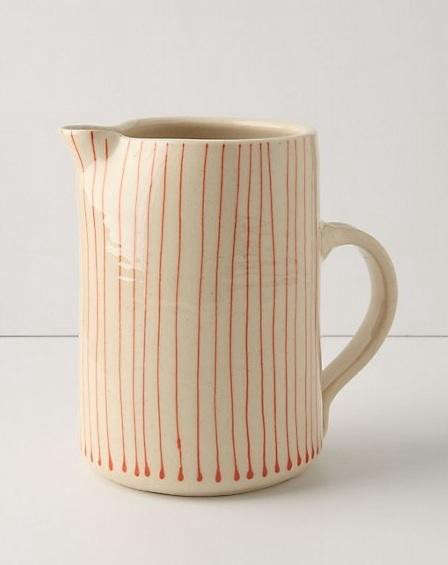
The Painter’s Stripe Pitcher is the kind of tabletop piece that makes a simple glass of lemonade feel like it needs a soundtrack. At first glance, it is “just” a pitcher. But give it a second look, and you start noticing the details: hand-brushed lines, playful little daubs of color, a creamy stoneware body, and an easygoing handmade charm that says, “Yes, I serve iced tea, but I also have artistic opinions.”
Originally associated with Wonki Ware, a handmade ceramic brand from South Africa, and sold through Anthropologie in past retail collections, the Painter’s Stripe Pitcher has become one of those small home objects that people remember because it does not behave like generic serveware. It has personality. It looks collected rather than manufactured. It brings color without shouting. Most importantly, it works both as a practical serving pitcher and as a decorative accent for kitchens, shelves, dining tables, and sunny breakfast nooks.
In a world filled with sleek, identical home goods, the Painter’s Stripe Pitcher stands out for a simple reason: it looks touched by human hands. The stripes are not sterile. The shape is not trying to win an engineering award. The whole piece feels relaxed, warm, and slightly imperfect in the best possible way. That “not-quite-machine-perfect” character is exactly why handmade stoneware remains so beloved in American homes today.
What Is the Painter’s Stripe Pitcher?
The Painter’s Stripe Pitcher is a handmade stoneware vessel decorated with a spectrum of hand-brushed stripes and small colorful accents. It was described in retail and design references as a creamy stoneware pitcher handmade in South Africa by Wonki Ware. At the time of publication in older design listings, it was noted as approximately five inches high and priced around $68. Because the product appears in older retail archives, shoppers today may be more likely to find it through vintage marketplaces, resale listings, design references, or similar handmade ceramic collections rather than as a regularly stocked mass-market item.
Its appeal comes from the combination of utility and charm. It can serve water, juice, lemonade, sangria-style mocktails, milk for brunch, or even a casual bouquet of flowers. But unlike plain white pitchers, this piece brings a painterly rhythm to the table. The stripes give movement. The handmade body gives softness. The overall effect is cheerful but not childish, artistic but not fussy.
Key Features at a Glance
- Material: Stoneware ceramic
- Style: Hand-painted, painterly stripe design
- Origin: Handmade in South Africa by Wonki Ware
- Look: Creamy base with colorful brushed lines
- Use: Serving drinks, displaying flowers, styling open shelves, or decorating tablescapes
- Care: Comparable stoneware pieces are often dishwasher and microwave safe, though vintage or secondhand buyers should always confirm condition and seller details
Why Handmade Stoneware Has Such Lasting Appeal
Stoneware has a long reputation for being sturdy, useful, and quietly beautiful. It is fired at high temperatures, which helps make it durable enough for everyday dining and serving. Compared with delicate porcelain, stoneware usually feels more grounded and casual. It is the ceramic equivalent of a linen shirt: refined, but still comfortable around real life.
The Painter’s Stripe Pitcher benefits from this material identity. It is not trying to be a fragile museum object. It is designed to be used, held, poured from, and placed in the center of a table where people are actually eating, talking, and possibly arguing about whether cilantro tastes fresh or suspiciously like soap.
Handmade stoneware also carries subtle variation. Two pieces from the same line may differ slightly in brushwork, shape, glaze, or color placement. For collectors and decorators, that variation is not a flaw. It is the whole point. A pitcher like this feels personal because no two hand-painted ceramic pieces are exactly alike.
The Design: Stripes With a Painterly Personality
Stripes are one of the oldest design tricks in the book, and they keep working because they are endlessly adaptable. Nautical stripes feel crisp. Candy stripes feel nostalgic. Thin black stripes feel modern. Painterly stripes, like those on the Painter’s Stripe Pitcher, feel spontaneous and handmade.
The beauty of this pitcher is that the stripes do not look rigid or overly calculated. They appear brushed, slightly organic, and lively. The small daubs of color near the top add a whimsical finish, almost like the artist cleaned the brush and decided the cleanup deserved applause. This gives the piece a studio-made quality that fits beautifully into several interior styles.
Interior Styles That Work Well With It
Modern farmhouse: The creamy stoneware base pairs nicely with wood tables, linen napkins, open shelving, and relaxed everyday dining.
Bohemian decor: The colorful stripes and handcrafted character blend easily with woven placemats, patterned textiles, plants, and mismatched ceramics.
Cottage style: Used as a flower vase or breakfast-table pitcher, it adds softness and color without feeling too polished.
Eclectic interiors: The Painter’s Stripe Pitcher is especially strong in rooms where objects are collected over time rather than purchased in one matching set.
Minimal kitchens: Even in a clean, white kitchen, one striped ceramic pitcher can act as a small focal point, adding warmth without creating clutter.
Practical Uses for the Painter’s Stripe Pitcher
A beautiful pitcher should not be sentenced to life behind glass cabinet doors. The Painter’s Stripe Pitcher is at its best when it is used. Its size and handcrafted look make it versatile for everyday living, special meals, and decorative styling.
1. Serve Drinks With Style
The most obvious use is also the most satisfying: fill it with something refreshing and place it on the table. Lemon water, iced tea, fruit-infused water, orange juice, or chilled lemonade all look more inviting in a ceramic pitcher than in a plastic container from the fridge. No offense to fridge containers, but they rarely understand ambiance.
2. Use It as a Vase
Handmade pitchers make wonderful vases because their shape already has visual interest. Add a loose bunch of daisies, tulips, wildflowers, eucalyptus, or garden clippings, and the Painter’s Stripe Pitcher instantly becomes a centerpiece. The casual stripes keep the arrangement from feeling too formal.
3. Style Open Kitchen Shelves
If you have open shelving, a striped stoneware pitcher can break up rows of plates and bowls. Place it beside plain white dishes, stacked linen napkins, glass jars, or a small framed print. Its vertical shape and colorful pattern help create height and contrast.
4. Create a Brunch Table Moment
Brunch is where this pitcher truly shines. Set it near a stack of pancakes, a bowl of berries, simple mugs, and a butter dish, and suddenly the table feels intentional. The pitcher does not need everything around it to match. In fact, it looks better when the table feels a little collected and lived-in.
5. Add Color to Neutral Decor
Many kitchens lean heavily on white, gray, wood, and stainless steel. A colorful ceramic pitcher adds personality without requiring a full redesign. It is a low-commitment decor upgrade: no paint rollers, no contractor, no dramatic “we need to talk about the backsplash” conversation.
How to Style the Painter’s Stripe Pitcher at Home
The trick to styling a statement pitcher is balance. Because the Painter’s Stripe Pitcher already has pattern and color, it usually looks best when paired with simpler supporting pieces. Let it be the charming guest at the table, not the person trying to sing over everyone at karaoke.
For a Casual Kitchen
Place the pitcher on a wooden cutting board with a small bowl of lemons or oranges. Add a folded tea towel in a neutral color. This creates a fresh, practical vignette that looks natural rather than staged. The stripes bring energy, while the fruit echoes the sense of color and freshness.
For a Dining Table
Use the pitcher as the centerpiece with low flowers or greenery. Keep plates simple: white, cream, or soft earth tones work well. Add striped or solid napkins depending on your mood. If you want a playful layered look, mix it with handmade mugs or salad plates in related colors.
For a Bookshelf or Hutch
When not in use, display it as a sculptural object. Pair it with cookbooks, small bowls, or a ceramic platter. Avoid crowding it with too many other patterned pieces. Negative space helps the pitcher look intentional instead of like it got lost on the way to the dishwasher.
Why the Painter’s Stripe Pitcher Works as a Collectible Piece
Some home objects become collectible not because they are flashy, but because they capture a specific design feeling. The Painter’s Stripe Pitcher reflects several qualities that remain popular among collectors of handmade ceramics: artisan origin, visible brushwork, practical function, and a pattern that feels joyful without being trendy in a short-lived way.
Because the piece is linked to earlier Anthropologie and Wonki Ware collections, it may also appeal to shoppers who enjoy finding discontinued home goods. There is a special thrill in discovering a piece that is no longer sitting on every store shelf. It feels more personal, as though your kitchen has a secret handshake with good taste.
Collectors often value handmade ceramics for their irregularities. A slightly uneven line, a soft variation in glaze, or a handle with subtle handmade character can make the object feel alive. In mass-produced decor, sameness is the selling point. In handmade ceramics, difference is the charm.
Buying Tips: What to Look for Before You Purchase
If you are shopping for the Painter’s Stripe Pitcher today, especially through resale or vintage channels, inspect the listing carefully. Since the original product is not always easy to find in current retail catalogs, condition matters.
Check the Condition
Look for clear photos of the rim, spout, handle, interior, and base. Small glaze variations are normal in handmade ceramics, but chips, cracks, staining, or repairs should be disclosed. A tiny mark may not bother you if you plan to use the pitcher for flowers, but it matters more if you want it for serving drinks.
Confirm the Size
Older references describe the pitcher as about five inches high. That makes it more of a charming small pitcher than a giant party-sized beverage server. If you expect it to hydrate twelve guests after a backyard barbecue, you may need a backup pitcher with less personality and more capacity.
Ask About Food Safety
When buying secondhand ceramics, especially if you plan to serve beverages, ask whether the piece has been used, damaged, or repaired. Avoid using cracked or repaired ceramics for food or drink unless you are certain the repair is food-safe. When in doubt, use the pitcher decoratively as a vase or shelf accent.
Compare Similar Handmade Pitchers
If you cannot find the exact Painter’s Stripe Pitcher, look for similar handmade striped stoneware pitchers. Search for terms like “hand-painted stoneware pitcher,” “striped ceramic pitcher,” “Wonki Ware pitcher,” “Anthropologie ceramic pitcher,” and “handmade pottery pitcher.” The goal is not just to match the pattern, but to capture the same relaxed, painterly spirit.
Care and Maintenance for Stoneware Pitchers
Stoneware is generally durable, but handmade ceramics still deserve thoughtful care. The Painter’s Stripe Pitcher was associated with dishwasher and microwave-safe product details in older listings, but if you are buying secondhand, treat it with a little extra caution.
Daily Cleaning
Wash with mild dish soap and warm water. Use a soft sponge rather than abrasive pads. If the interior holds tea, coffee, or juice, rinse soon after use to reduce staining. For stubborn marks, a gentle baking soda paste can help, but avoid aggressive scrubbing that may dull the glaze.
Dishwasher Use
If the piece is in excellent condition and confirmed dishwasher safe, the dishwasher may be fine. Still, handwashing is often the safer long-term choice for handmade or collectible ceramics. It reduces the risk of knocking against other dishes and protects delicate painted details.
Microwave Use
Stoneware can often handle microwave use, but vintage or handmade pieces should be checked carefully. Do not microwave ceramics with metallic decoration, cracks, or unknown repairs. Also remember that ceramic handles can become hot, because apparently pitchers enjoy surprising people.
Storage
Store the pitcher where the handle and spout are protected. If placing it on open shelving, avoid crowding it between heavy objects. A pitcher’s spout is useful, elegant, and unfortunately very easy to bump if someone is reaching for a cereal bowl before coffee.
Painter’s Stripe Pitcher vs. Plain Ceramic Pitchers
A plain ceramic pitcher is versatile, but the Painter’s Stripe Pitcher brings more visual storytelling. It adds color, artisan character, and a sense of movement. For people who prefer minimalist interiors, a plain pitcher may be easier to blend in. But for those who want the table to feel warm and collected, the Painter’s Stripe Pitcher offers more personality.
The choice depends on how you use serveware. If you want pieces to disappear into the background, choose plain white. If you want your pitcher to double as decor, conversation starter, and flower vase, a hand-painted striped design is the stronger choice.
Is the Painter’s Stripe Pitcher Worth It?
For fans of handmade ceramics, the Painter’s Stripe Pitcher is worth attention because it offers a mix of function, artistry, and decorative flexibility. It is not merely a container. It is a piece that can change the feeling of a table or shelf. That is valuable in home decor because the best objects earn their space in more than one way.
It works for serving, styling, collecting, and gifting. It can be cheerful in spring, cozy in winter, fresh in summer, and charming during holiday brunches. The stripes make it playful, but the stoneware keeps it grounded. That balance is why it still feels relevant even years after its original retail appearance.
Gift Ideas and Occasions
A piece like the Painter’s Stripe Pitcher makes a thoughtful gift for people who enjoy cooking, hosting, collecting ceramics, or decorating their homes with objects that feel personal. It is especially appropriate for housewarmings, birthdays, Mother’s Day, bridal showers, and hostess gifts.
To make the gift feel complete, pair the pitcher with cloth napkins, a bag of loose-leaf tea, a small bouquet, a handwritten recipe card, or a set of handmade mugs. This turns a single object into an experience. And yes, that sounds fancy, but it is really just the art of making someone feel like you did not grab the gift while panic-walking through a store ten minutes before the party.
of Personal Experience and Real-Life Inspiration Around the Painter’s Stripe Pitcher
Living with a piece like the Painter’s Stripe Pitcher teaches you something interesting about home decor: small objects can completely change the mood of a space. A pitcher is not a sofa. It does not dominate the room. It does not require measuring doorways, negotiating delivery windows, or wondering why furniture assembly instructions look like ancient riddles. Yet a colorful handmade pitcher can still make a kitchen feel warmer, friendlier, and more lived-in.
One of the best ways to experience this kind of pitcher is during a slow weekend breakfast. Imagine a wooden table, a stack of toast, fresh fruit, and this striped ceramic pitcher filled with orange juice or cold water with lemon slices. Suddenly the meal feels less like “I found food” and more like “I have my life together,” even if there is laundry hiding somewhere nearby. The painterly stripes add a sense of occasion without making the table feel formal.
Another enjoyable use is as a casual flower vase. A lot of people wait to buy the “right” vase, but pitchers often make better arrangements because they feel less stiff. The Painter’s Stripe Pitcher works beautifully with flowers that have movement: tulips leaning slightly, daisies with uneven stems, garden roses, chamomile, lavender, or even a few branches of greenery. The handmade stripes make imperfect arrangements look intentional. That is a very generous quality in a home object.
In a small apartment or compact kitchen, the pitcher can also act as rotating decor. During spring, use it with flowers. In summer, serve lemonade or cucumber water. In fall, place wooden spoons or dried wheat stems inside it. During the holidays, add evergreen clippings or candy canes if you enjoy cheerful chaos. One piece, many moods. That flexibility matters when storage space is limited and every object has to earn its rent.
There is also something emotionally satisfying about using handmade ceramics in daily routines. Machine-made dishes are practical, but handmade pieces invite you to slow down. You notice the brushwork. You notice the glaze. You notice the slight irregularity of the form. These details remind you that someone shaped, painted, fired, packed, sold, bought, and used the object before it arrived in your home. That story gives the pitcher more presence than a perfectly identical factory item.
The Painter’s Stripe Pitcher also encourages a more relaxed approach to decorating. It does not demand a matching set. In fact, it looks better with a little variety. Pair it with white plates, blue napkins, amber glasses, woven placemats, or mismatched mugs. The stripes help tie things together without requiring everything to coordinate like a hotel breakfast buffet. It supports the idea that a home should feel assembled over time, not copied from a catalog page in one heroic shopping trip.
For anyone nervous about adding color to the kitchen, this pitcher is a safe starting point. You do not have to paint cabinets green or buy a yellow refrigerator. You can simply place one colorful ceramic piece on a shelf and see how it feels. If it makes you smile when you walk into the room, congratulations: it is doing its job.
Conclusion: A Small Pitcher With Big Tabletop Energy
The Painter’s Stripe Pitcher is more than a pretty ceramic vessel. It represents the lasting appeal of handmade stoneware, the joy of painterly color, and the usefulness of objects that can move easily between serving and decorating. Its hand-brushed stripes, creamy ceramic body, and artisan character make it a memorable piece for collectors, hosts, and anyone who believes the kitchen deserves a little personality.
Whether used for drinks, flowers, shelf styling, or a cheerful brunch table, this pitcher brings warmth without trying too hard. It is casual, useful, artistic, and charmingly imperfect. In other words, it is exactly the kind of home object that quietly becomes a favorite.