

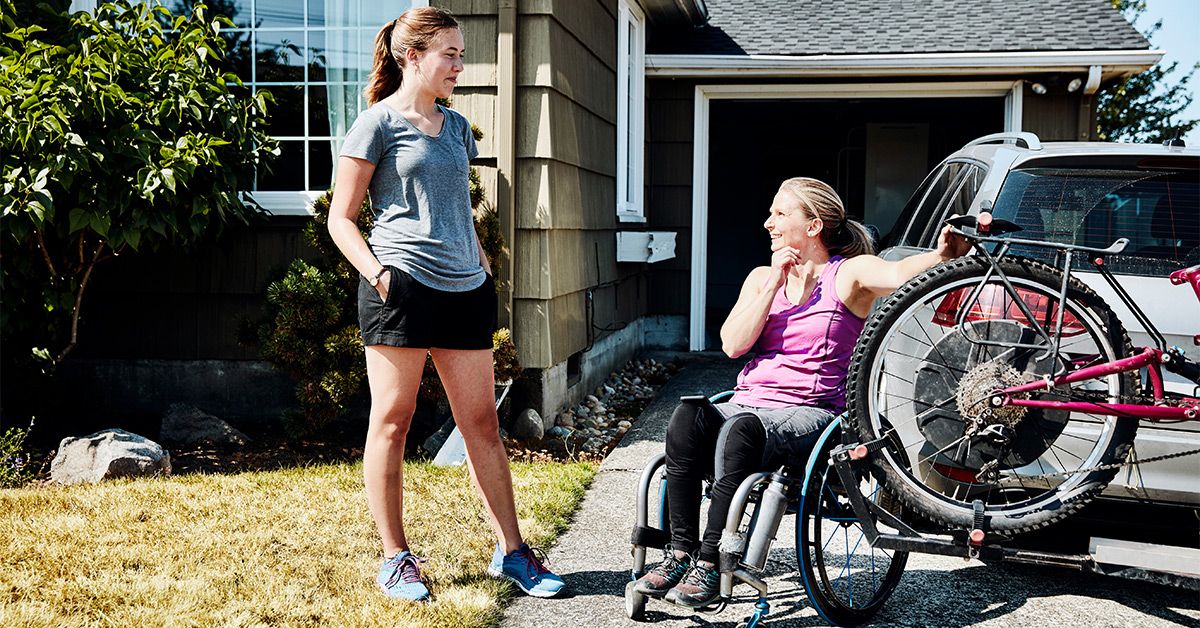
Paraplegia is one of those medical terms that can sound intimidating before anyone explains it plainly. At its core, it describes paralysis affecting the lower half of the body, usually the legs and sometimes part of the trunk. But the reality of paraplegia is much bigger than a definition in a medical dictionary. It can affect movement, sensation, bladder and bowel function, pain, skin health, relationships, work, and daily routines.
It can also be a story of adaptation, rehabilitation, technology, persistence, and learning a surprising number of useful skills that most people never think about, such as how to transfer safely, inspect skin for pressure injuries, or navigate a grocery store with the confidence of a Formula 1 driver in a wheelchair.
What Is Paraplegia?
Paraplegia is paralysis that affects the legs and lower part of the body while leaving arm and hand function mostly intact. It usually occurs when damage disrupts communication between the brain and the nerves below a certain level of the spinal cord.
The spinal cord is the body’s main signal highway. The brain sends messages down the spinal cord to control movement, sensation, bladder function, bowel function, and many automatic body processes. When the cord is injured or affected by disease, those messages may not travel normally. Think of it less like a broken muscle and more like a major communication outage: the legs may still be present and structurally healthy, but the brain’s instructions cannot reach them as intended.
Paraplegia is different from tetraplegia, also called quadriplegia. Tetraplegia affects both the arms and legs and usually results from damage higher in the spinal cord, often in the neck. Paraplegia generally involves injury or disease affecting the thoracic, lumbar, or sacral regions of the spinal cord.
Paraplegia vs. Paraparesis
The term paraparesis refers to weakness in both legs rather than complete paralysis. A person with paraparesis may have difficulty standing, walking, climbing stairs, or controlling leg movements, but they may retain some strength and sensation. Paraplegia usually describes more severe loss of voluntary movement.
Complete vs. Incomplete Paraplegia
Healthcare professionals may also describe a spinal cord injury as complete or incomplete. A complete injury means there is no preserved motor or sensory function in the lowest spinal segments. An incomplete injury means some signals still travel through the injured area. That can mean partial movement, sensation, or both below the level of injury.
These labels matter because recovery can vary widely. Two people may both be described as having paraplegia but have very different abilities, symptoms, rehabilitation goals, and long-term needs. The diagnosis is not a fortune cookie; it does not reveal every detail of someone’s future.
What Causes Paraplegia?
Paraplegia can result from traumatic injuries, medical conditions, infections, vascular problems, genetic disorders, or congenital differences affecting the spinal cord or nervous system.
Traumatic Causes
Traumatic spinal cord injuries happen when a sudden force damages the vertebrae, spinal cord, nerves, or surrounding tissue. Common causes include:
- Motor vehicle crashes
- Falls, especially from ladders, roofs, stairs, or elevated surfaces
- Sports injuries, including diving accidents and contact sports
- Violence, including gunshot or stab wounds
- Workplace accidents involving heavy equipment or falls
In a traumatic injury, the spinal cord may be bruised, compressed, stretched, torn, or affected by swelling and bleeding. Quick emergency care can be critical because reducing additional damage may improve long-term outcomes.
Non-Traumatic Causes
Not every case of paraplegia begins with an accident. Non-traumatic paraplegia can develop gradually or suddenly because of a disease or medical condition. Possible causes include:
- Spinal cord tumors or cancer that compresses the spinal cord
- Multiple sclerosis and other inflammatory neurological disorders
- Spinal cord stroke or reduced blood flow to the spinal cord
- Infections involving the spine or spinal cord
- Severe spinal stenosis or spinal cord compression
- Herniated discs, blood clots, or abscesses pressing on the spinal cord
- Spina bifida and other congenital spinal conditions
- Hereditary spastic paraplegia, a group of genetic disorders that can cause progressive leg stiffness and weakness
Some causes are reversible or partly treatable when diagnosed early. For example, urgent treatment for spinal cord compression from a tumor, infection, or bleeding may prevent further nerve damage. That is why sudden weakness, numbness, or changes in bladder and bowel control should never be treated like a “wait and see” situation.
Common Symptoms of Paraplegia
The symptoms of paraplegia depend on the location, severity, and cause of the spinal cord problem. Some people lose movement and sensation suddenly. Others develop symptoms gradually over weeks, months, or years.
Common symptoms may include:
- Loss of voluntary movement in one or both legs
- Weakness, heaviness, or poor coordination in the lower body
- Loss of sensation, including reduced ability to feel touch, pain, heat, or cold
- Burning, tingling, electric-shock sensations, or nerve pain
- Muscle spasms, stiffness, or spasticity
- Loss of bladder or bowel control
- Sexual changes or reduced genital sensation
- Difficulty regulating body temperature or blood pressure
- Skin injuries caused by prolonged pressure and reduced sensation
Some people with spinal cord injuries experience neuropathic pain, which may feel burning, stabbing, squeezing, buzzing, or strangely like the body is sending angry emails from a part that cannot feel normal touch. This pain is real, can be persistent, and often requires a carefully tailored treatment plan.
Autonomic Dysreflexia: A Serious Complication
People with injuries at or above the mid-thoracic spinal cord may be at risk for autonomic dysreflexia. This is a potentially dangerous spike in blood pressure triggered by something irritating below the level of injury, such as a full bladder, constipation, skin injury, or tight clothing.
Warning signs can include a severe headache, sweating, flushing above the injury level, stuffy nose, anxiety, blurred vision, or a pounding heartbeat. It requires prompt medical attention because severely elevated blood pressure can be dangerous.
How Is Paraplegia Diagnosed?
Diagnosis often starts with a detailed medical history, physical examination, and neurological assessment. A clinician checks strength, reflexes, sensation, muscle tone, and the level at which symptoms begin.
Imaging tests are usually essential. Depending on the situation, doctors may use:
- X-rays to look for fractures or spinal alignment problems
- CT scans to examine bone injuries in detail
- MRI scans to look at the spinal cord, discs, swelling, bleeding, tumors, infections, or compression
- Blood tests to investigate infection, inflammation, autoimmune disease, or other medical causes
In emergencies, medical teams also monitor breathing, blood pressure, circulation, and other body systems. Spinal cord injuries can affect far more than movement, so the early evaluation is often a full-body investigation rather than a quick look at the legs.
Paraplegia Treatment Options
There is no single treatment that works for every person with paraplegia because causes and injury patterns vary dramatically. Treatment usually focuses on preventing further damage, addressing the underlying cause, maximizing function, managing symptoms, and supporting long-term health.
Emergency Treatment
When paraplegia follows a suspected spinal injury, emergency teams focus on stabilizing the spine, protecting breathing and circulation, and preventing the injury from worsening. In some cases, surgery may be needed to remove pressure from the spinal cord, repair unstable vertebrae, or stabilize the spine with hardware.
Surgery cannot always reverse existing spinal cord damage. However, it may reduce pressure, prevent additional injury, improve spinal stability, and support rehabilitation.
Treating the Underlying Cause
For non-traumatic paraplegia, treatment depends heavily on what is causing the symptoms. A spinal infection may require antibiotics and sometimes surgery. A tumor may require surgery, radiation, chemotherapy, or a combination of treatments. Inflammatory conditions may be managed with medications that reduce immune activity or inflammation. A spinal cord stroke requires urgent medical evaluation and supportive care.
Physical Therapy
Physical therapy helps people maintain strength, protect joint movement, reduce contractures, improve balance and transfers, and learn safe mobility strategies. Depending on the person’s abilities, therapy may include wheelchair skills, strengthening exercises, stretching, standing programs, gait training, and conditioning.
For someone with incomplete paraplegia, repetitive movement practice and weight-bearing therapy may help support functional gains. For someone with complete paraplegia, therapy can still be enormously valuable for circulation, flexibility, posture, pain management, independence, and long-term health.
Occupational Therapy
Occupational therapy focuses on everyday life: getting dressed, bathing, cooking, using a computer, driving, managing work tasks, and setting up a home that does not behave like an obstacle course. Adaptive equipment may include transfer boards, shower chairs, grab bars, modified utensils, wheelchair-accessible workstations, and smart-home technology.
Medications and Symptom Management
Medication plans may help manage nerve pain, muscle spasms, spasticity, bladder symptoms, bowel problems, sleep difficulties, depression, anxiety, or other complications. Treatment should be individualized because medications that help one symptom may create side effects such as drowsiness, constipation, or weakness.
Spasticity management may include regular stretching, proper positioning, physical therapy, oral medications, injections, or other interventions. The goal is not always to eliminate every spasm. Some people use a certain degree of muscle tone for transfers or stability, so treatment plans should reflect real-life function rather than chasing a perfect-looking exam.
Living With Paraplegia: Long-Term Care and Prevention
Long-term paraplegia care is about much more than mobility. Preventing secondary complications can protect health, reduce hospital visits, and make daily life more predictable.
Skin Care and Pressure Injury Prevention
Reduced sensation means a person may not feel discomfort from sitting in one position for too long. Regular skin checks, pressure relief techniques, proper wheelchair cushions, and well-fitted equipment are important for preventing pressure injuries. A small red area can become a major problem when it is ignored, so skin care is less glamorous than a superhero movie but often just as important.
Bladder and Bowel Management
Spinal cord injuries can affect the nerves that control urination and bowel movements. Bladder plans may involve timed voiding, intermittent catheterization, medications, or other strategies recommended by a healthcare team. Bowel programs often combine regular schedules, fluid intake, nutrition, movement, medications, and techniques that support predictable bowel function.
Bone, Heart, and Metabolic Health
Reduced mobility can increase the risk of bone loss, weight changes, cardiovascular disease, blood clots, and other health concerns. Regular medical follow-up, nutrition support, physical activity adapted to ability, and preventive screenings remain essential.
Mental Health and Social Support
Paraplegia can change a person’s identity, routines, relationships, employment, and sense of independence. Grief, anger, anxiety, and depression can occur, especially after a sudden injury. Counseling, peer support, family education, rehabilitation psychology, and disability community resources can make a meaningful difference.
Emotional support is not an optional decorative pillow on top of medical care. It is part of medical care. A strong rehabilitation plan recognizes the whole person, not only their spinal cord.
Can People With Paraplegia Walk Again?
Some people with incomplete paraplegia regain partial or substantial walking ability, while others use wheelchairs or other mobility devices long term. Recovery depends on many factors, including the cause of paralysis, injury level, completeness of the injury, early medical treatment, overall health, and access to rehabilitation.
Mobility outcomes can also change over time. Improvement may happen during early rehabilitation, but people can continue to develop new skills, strength, efficiency, and independence long after the initial injury. Progress is not always dramatic or linear. Sometimes it looks like walking; sometimes it looks like transferring independently, returning to school, driving, traveling, parenting, working, or simply getting through a day with less pain and more control.
Emerging technologies such as robotic rehabilitation, functional electrical stimulation, brain-computer interfaces, epidural stimulation, and regenerative medicine are being studied. These areas are promising, but they are not universal cures. Be cautious of clinics making guaranteed claims about stem cells or miracle paralysis treatments. A legitimate treatment plan should come with evidence, realistic expectations, and a clinician who does not sound like they are selling a timeshare on the moon.
How to Reduce the Risk of Spinal Cord Injury
Not every cause of paraplegia can be prevented, but many traumatic spinal cord injuries can be made less likely through practical safety habits:
- Wear a seat belt every time you ride in a vehicle.
- Never dive into water unless you know it is deep and clear enough.
- Wear helmets for biking, motorcycling, skiing, skating, and higher-risk sports.
- Use fall-prevention strategies at home, especially for older adults.
- Use proper safety equipment at work and follow equipment guidelines.
- Address back pain, progressive weakness, numbness, or balance problems promptly.
- Seek urgent care for sudden neurological symptoms instead of trying to “walk it off.”
Experiences of Living With Paraplegia: What Daily Life Can Really Look Like
There is no single “paraplegia experience.” People arrive at it through different circumstances: a car crash, a fall, a tumor, a spinal infection, a neurological condition, or a diagnosis that unfolds slowly over time. Some remember the exact second their life changed. Others describe a gradual realization that their legs were becoming weaker, their balance less reliable, or their body less predictable.
In the early stages, many people describe life as a series of new instructions. How to transfer from bed to chair. How to position the body to avoid skin injuries. How to use a catheter. How to manage a wheelchair on a slope without accidentally auditioning for an action movie. How to ask for help without feeling as though independence has disappeared.
Rehabilitation often becomes the first place where the future starts to feel less mysterious. A physical therapist may celebrate a transfer that looks small to an outsider but feels enormous to the person doing it. An occupational therapist may help someone figure out how to make coffee, use a shower safely, return to work, or dress independently. These tasks can sound ordinary, but ordinary is often where confidence returns.
Many people say that the mental adjustment is as significant as the physical one. There may be grief for lost abilities, frustration with inaccessible spaces, fear about finances, concern about relationships, or exhaustion from managing medical appointments. A person may look calm in public while privately feeling overwhelmed by a wheelchair ramp that is too steep, a bathroom stall that is not actually accessible, or a stranger who speaks to their companion instead of speaking directly to them.
Over time, many people develop a sharper understanding of what accessibility really means. It is not simply a ramp outside a building. It is a door that opens easily, a restroom that can actually be used, transportation that arrives on time, a hotel room that is more than a decorative “accessible” label, and workplaces willing to adapt rather than assume.
Relationships may change too. Family members can become caregivers, which may bring closeness but also stress. Partners may need to talk more openly about intimacy, independence, fatigue, and practical routines. Friends who stay present often become deeply important. Friends who disappear may reveal themselves with the subtlety of a foghorn.
People living with paraplegia often become experts in their own bodies. They learn the early signs of urinary tract infections, skin problems, constipation, spasticity triggers, nerve pain flares, and equipment failures. They know which cushion works, which transfer technique saves energy, and which restaurant has a “wheelchair-accessible entrance” that is technically accessible only to mountain goats.
Yet paraplegia does not erase personality, ambition, humor, sexuality, talent, or purpose. People with paraplegia raise children, compete in sports, travel, work, create art, lead companies, study, volunteer, date, advocate, and build full lives. The obstacles are often real, but so are the adaptations.
The most useful approach is neither pity nor empty inspiration. It is respect, access, good healthcare, honest communication, and the understanding that independence can look different from person to person. For some, it means walking with support. For others, it means using a wheelchair with skill and confidence. In both cases, the goal is the same: having as much choice, safety, mobility, and control over daily life as possible.
Final Thoughts
Paraplegia is a complex condition that affects far more than leg movement. It can change sensation, bladder and bowel function, skin health, emotional well-being, relationships, and daily routines. Still, modern rehabilitation, adaptive technology, preventive care, and strong support systems can help people build independent and meaningful lives.
The best outcomes begin with early medical attention, realistic treatment goals, consistent rehabilitation, and ongoing care that addresses the whole person. Whether paraplegia develops suddenly after an injury or gradually because of illness, informed care and practical support can turn an overwhelming diagnosis into a path forward.