

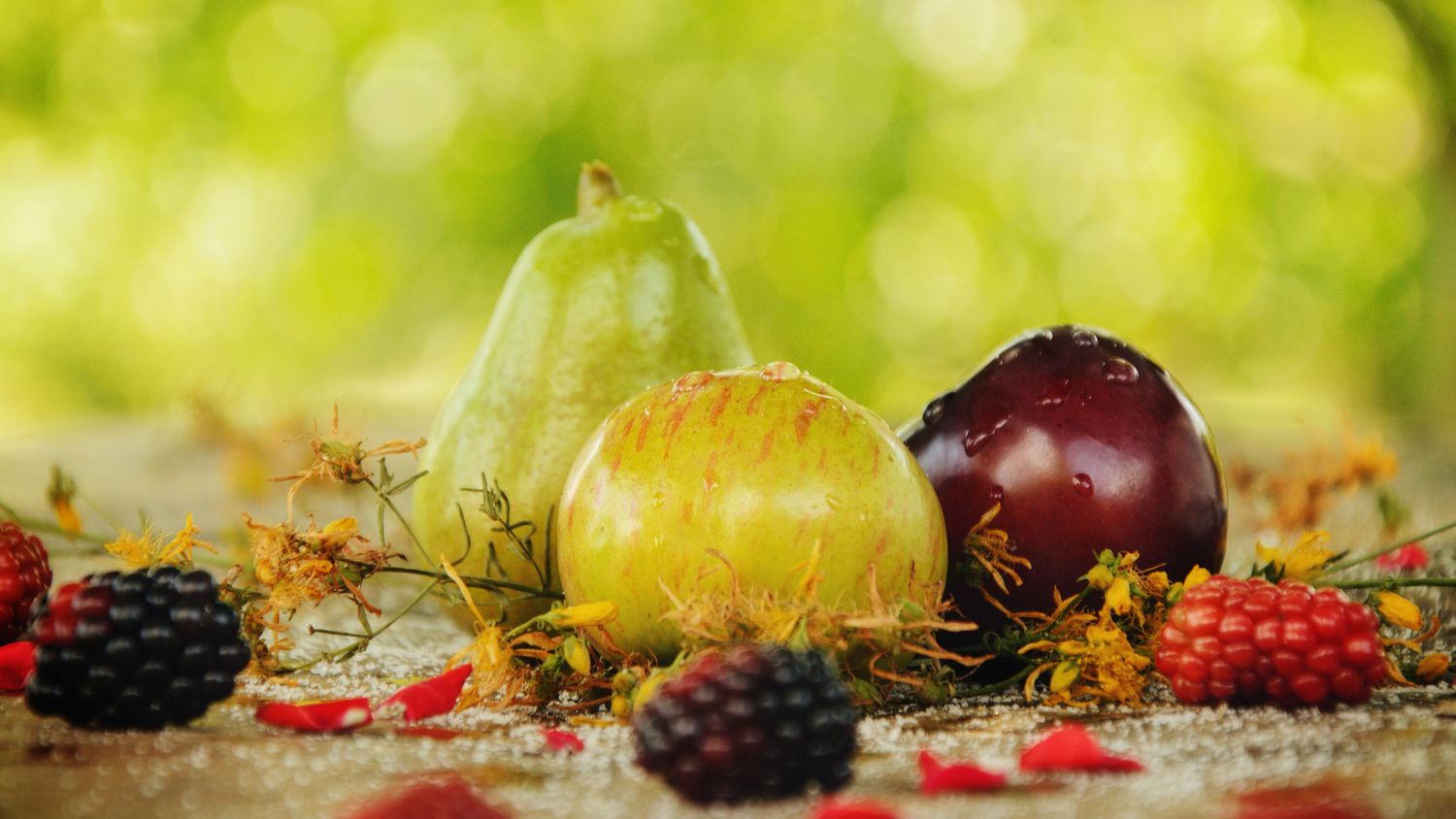
Pennsylvania does not mess around when it comes to produce. This is a state where spring can hand you asparagus and peas, summer shows up dripping with peaches and tomatoes, fall practically throws apples at your windshield, and winter still manages to keep the kitchen interesting with storage crops, squash, and mushrooms. In other words, if your shopping cart feels a little more dramatic in Pennsylvania, it is because the growing season here actually has personality.
Eating seasonally in Pennsylvania is not just a cute farmers’ market slogan. It usually means better flavor, better texture, and often better value. A tomato picked in peak summer tastes like a tomato with ambition. A fall apple has snap. Fresh sweet corn needs almost no introduction and definitely no apology. Seasonal shopping also gives you a better sense of how the year moves: first greens, then berries, then stone fruit, then apples, pumpkins, and all the cozy things that make you want to pretend you own a flannel orchard.
Why Seasonal Eating Matters in Pennsylvania
Pennsylvania’s climate gives growers a broad mix of crops across the year. The state is especially well known for orchard fruit, sweet corn, berries, pumpkins, and mushrooms, and it also has a strong tradition of greens, brassicas, root vegetables, and storage crops. That means “seasonal” in Pennsylvania is not limited to one glorious summer burst. It is a full rotation, with different foods taking turns as the star of the show.
There is also an important detail that gets overlooked: local food in Pennsylvania is not only about what is freshly picked that week. It is also about what stores well. Apples, potatoes, onions, carrots, winter squash, and sweet potatoes help stretch Pennsylvania produce deep into the colder months. So while January is not exactly peach seasontragic, I knowit is still possible to eat Pennsylvania-grown produce without feeling like you are chewing on pure nostalgia.
Pennsylvania Produce by Season
Spring in Pennsylvania: Crisp, Green, and Slightly Impatient
Spring produce in Pennsylvania feels like a reward for surviving winter. It starts modestly, but when it arrives, it arrives with energy. This is the season for tender greens, cool-weather vegetables, and the first real signs that the land is awake again.
Look for asparagus, peas, spinach, mixed greens, radishes, and early strawberries. Asparagus is one of spring’s biggest headliners, usually peaking in late spring. It is sweet, grassy, and barely needs anything more than olive oil, salt, and a hot pan. Peas bring that bright, sugary freshness that makes frozen peas seem like distant cousins. Spinach and mixed greens are excellent for salads, quick sautés, and spring soups that taste like they were written by someone with excellent intentions.
Radishes are another spring favorite in Pennsylvania. They add peppery crunch to salads, grain bowls, and sandwiches, and they are proof that a vegetable can be both humble and a little dramatic. If you see fresh spring turnips, grab them too. They are milder than their winter reputation suggests and work beautifully roasted or mashed with butter.
Then come the strawberries. Pennsylvania strawberries usually make a short but glorious appearance in late spring to early summer, and this is one of those moments when you should act quickly. Local strawberries are smaller, softer, and far more fragrant than the giant red decoys that show up out of season. Slice them over biscuits, spoon them onto yogurt, or eat them standing over the sink like a responsible adult who has completely lost control.
Summer in Pennsylvania: The Show-Off Season
Summer is when Pennsylvania produce becomes impossible to ignore. Markets fill up, roadside stands get competitive, and your kitchen counter suddenly looks like it is auditioning for a magazine spread.
This is peak season for blueberries, blackberries, raspberries, cherries, peaches, nectarines, tomatoes, cucumbers, sweet corn, beans, eggplant, peppers, summer squash, watermelon, and cantaloupe. It is also when Pennsylvania starts flexing hard.
Tomatoes are the obvious summer celebrity. Pennsylvania summer tomatoes are juicy, sweet, and deeply savory in a way that reminds you why people argue about them every year. Use them in tomato sandwiches, chopped salads, pasta sauces, or simply eat them with salt and a little mayonnaise on white bread if you know what is good for you.
Sweet corn follows close behind. Fresh Pennsylvania corn is one of the clearest examples of why seasonal eating matters: the difference between just-picked corn and tired corn is not subtle. Boil it, grill it, shave it raw into salads, or toss it into succotash with beans and peppers.
Stone fruit is another major summer event. Peaches, nectarines, and plums bring color and perfume to the market table, and Pennsylvania peaches in particular deserve respect. They are ideal for pies, crisps, grilling, salsa, and eating over the sink while pretending you are not making a mess.
Summer berries deserve their own applause too. Blueberries are perfect for muffins and pancakes, blackberries bring a darker, richer flavor to crisps and jams, and raspberries add brightness to almost anything. If you are lucky enough to find local sweet cherries early in the season, buy more than you think you need. You will not regret it unless you count pit-related chaos as regret.
Vegetable-wise, summer also belongs to cucumbers, peppers, eggplant, beans, and squash. Cucumbers are cooling and crisp, peppers move from grassy to sweet as they ripen, and eggplant becomes silky when roasted properly. Summer squash is generous to the point of comedy, which is why this is the season when neighbors start “casually” offering zucchini to everyone they know.
Fall in Pennsylvania: Orchard Energy and Soup Weather
If Pennsylvania had a signature produce season, fall would make a strong case. This is the season that feels most like the state’s public identity: orchards, cider, pumpkins, roadside markets, hayrides, crunchy leaves, and more apples than any sensible person can finish before buying more.
Look for apples, pears, grapes, pumpkins, winter squash, sweet potatoes, kale, broccoli, cabbage, cauliflower, turnips, radishes, late spinach, mushrooms, and pawpaws. Fall is abundant, practical, and a little bit smug about it.
Apples are the giant of Pennsylvania fall produce. Different varieties ripen across late summer and fall, which means apple season stretches nicely, and controlled storage keeps Pennsylvania apples available beyond harvest. Use tart apples for pies and sauces, sweet apples for snacking, and crisp balanced varieties for salads and slaws. If your house does not smell vaguely like cinnamon by October, Pennsylvania may file a formal complaint.
Pears and grapes also shine in fall. Pears are wonderful poached, baked, or paired with cheese, while grapes can be eaten fresh, roasted, or turned into salads that somehow feel fancy without doing much work.
Then come the cooler-weather vegetables. Broccoli, cabbage, cauliflower, kale, turnips, and late spinach often improve with cooler temperatures. Kale becomes sweeter, broccoli gets tighter and more flavorful, and cabbage moves effortlessly from slaws to braises to soups. Fall is also when pumpkins and winter squash take over every available flat surface. Some of that is décor, yes, but plenty of it belongs in dinner. Roasted squash, pumpkin soups, stuffed acorn squash, and sweet potato mash all earn their seat at the table.
And then there is pawpaw, Pennsylvania’s wonderfully weird seasonal gem. This native fruit ripens in late summer to early fall and has a soft, custardy texture with tropical notes often compared to banana, mango, or vanilla pudding that got lost in the woods and came back improved. Pawpaws are delicate and highly seasonal, which is exactly why locals get a little smug when they find them first.
Winter in Pennsylvania: Less Glamour, More Substance
Winter is not barren in Pennsylvania. It is simply more practical. This is when fresh-picked variety narrows, but stored crops keep local eating very possible.
Expect apples from storage, potatoes, onions, carrots, sweet potatoes, winter squash, mushrooms, and some other well-kept roots and brassicas. Mushrooms are especially important here because Pennsylvania is famously strong in mushroom production. That makes them a year-round staple with local credibility and real versatility.
Potatoes and onions are the dependable workhorses of the season. Carrots stay sweet and useful. Winter squash becomes the backbone of soups, gratins, and roasted dinners. Sweet potatoes bring both comfort and color. And apples continue their long Pennsylvania victory lap thanks to storage. Winter seasonal eating is less about flashy abundance and more about smart, satisfying cooking that respects what the region actually grows well.
Pennsylvania’s Standout Produce Stars
Apples
Apples are central to Pennsylvania’s seasonal identity. Fresh harvest typically hits from late summer through fall, but storage keeps them around much longer. That means you can enjoy local apples in multiple ways across several seasons: fresh eating, cider, sauce, baking, salads, and savory pairings with pork, cheddar, mustard, and greens.
Mushrooms
Mushrooms deserve special status because Pennsylvania is strongly associated with mushroom production, especially in the southeastern part of the state. They are one of the easiest local ingredients to use year-round. Sauté them for pasta, roast them for grain bowls, fold them into omelets, or build an entire cozy dinner around them and a loaf of bread. No one has ever been mad at a good mushroom situation.
Peaches
Pennsylvania peaches bring serious summer energy. Their best season is relatively short, which is exactly why they feel so special. When they are in peak shape, they barely need help. Fresh slices, peach cobbler, grilled peaches, peach jam, and peach salsa all make perfect sense.
Pawpaws
Pawpaws are the fruit equivalent of a secret handshake. Not everyone has tried them, but the people who love them really love them. Because they bruise easily and ripen quickly, they rarely become a standard supermarket fruit. That gives them a cult-like local charm and makes them one of the most memorable seasonal finds in Pennsylvania.
How to Shop for Seasonal Produce in Pennsylvania
The easiest way to buy seasonally is to follow the market, not just the recipe. Start with farmers’ markets, farm stands, orchards, and community-supported agriculture boxes. If you want the best fruit, ask what was picked that morning. If you want the best value, ask what is coming in heavy right now. Farmers know when the crop is peaking, and peak is where flavor lives.
It also helps to understand the difference between fresh-picked and locally available. In Pennsylvania, apples in January may be local because they were stored well, not because someone was climbing a snow-covered tree at dawn. That still counts. Seasonal eating is not a purity contest. It is a smart way to cook with what the region naturally does best over the course of the year.
Finally, be flexible. A cooler spring may delay strawberries. A hot summer may speed up tomatoes. A wet season can shift harvest windows. Pennsylvania produce has a rhythm, but nature does not always read the schedule. Honestly, that is part of the charm.
What a Year of Pennsylvania Produce Feels Like
One of the best things about paying attention to Pennsylvania seasonal fruits and vegetables is that the year starts to feel more textured. Spring is no longer just “less depressing winter.” It becomes asparagus season, the first bunch of spinach, and those early strawberries that taste so good you briefly consider writing them a thank-you note. Summer becomes a blur of tomato sandwiches, peach juice on your wrist, sweet corn dinners, and the annual realization that zucchini reproduces faster than logic.
Fall is where Pennsylvania really turns into a full sensory experience. You smell apples before you even see them. Farm markets overflow with pumpkins, pears, grapes, cabbages, and squash. The produce feels more substantial, more rooted, more ready to become soup, pie, roast dinners, and every side dish your family suddenly claims is “tradition.” Even the air seems to say, “You should probably bake something.”
Winter shifts the mood without ending the story. The flashy summer produce is gone, but the kitchen gets deeper. You roast carrots until their edges caramelize. You turn potatoes into soup, pancakes, or crispy sheet-pan dinners. You rely on mushrooms for savory depth and apples for brightness. Seasonal cooking stops being about abundance and starts being about resourcefulness, comfort, and real regional character.
There is also something grounding about learning produce this way. You stop expecting everything all the time. Instead, you start looking forward to things. You wait for strawberries. You celebrate peaches. You respect apple season. You keep an eye out for pawpaws like you are in a treasure hunt with edible rewards. And when a season ends, it feels less like loss and more like a handoff to the next great thing.
That is what makes Pennsylvania seasonal produce so satisfying. It is not just food. It is timing, place, memory, and anticipation all working together. A basket of local peaches tastes good, sure, but it also tastes like August. A bin of apples feels like October. A pot of winter squash soup tastes like the first cold evening when everyone suddenly remembers where the good sweaters are.
Spend one full year buying fruits and vegetables this way and the state reveals itself differently. You notice orchards, roadside signs, market rhythms, and small shifts in color and weather. You start recognizing when local corn is really here, when mushrooms seem especially abundant, and when the first good greens return after winter. It becomes easier to cook, easier to shop well, and much harder to be impressed by a bland tomato in February pretending it belongs there.
In the end, Pennsylvania seasonal fruits and vegetables offer more than a shopping list. They give you a calendar you can taste. And that might be the most delicious way to keep time.
Conclusion
Pennsylvania seasonal fruits and vegetables tell a full-year story: tender greens and asparagus in spring, juicy berries and tomatoes in summer, apples and squash in fall, and reliable storage crops plus mushrooms through winter. The exact timing may shift, but the pattern is wonderfully dependable. Shop local when you can, cook what is peaking, and let the state’s harvest do most of the heavy lifting. Pennsylvania already grew the good part. Your job is mostly not to overcomplicate it.