

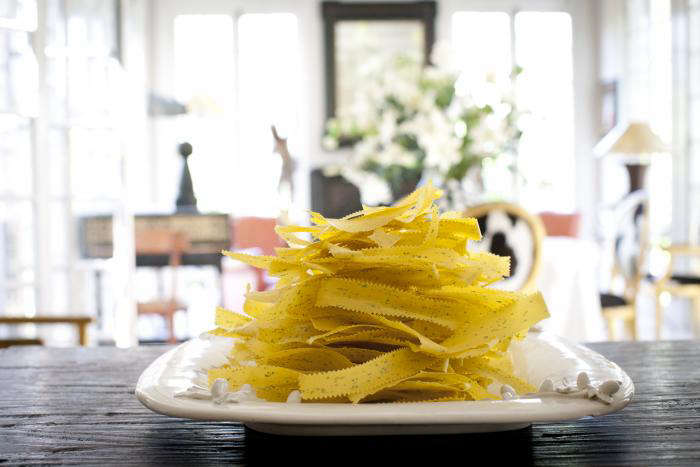
Pasta has a reputation for being “easy,” which is true in the same way that basketball is “just throwing a ball in a hoop.” Technically correct. Emotionally misleading. Anyone can boil noodles, but making pasta that tastes glossy, balanced, and suspiciously restaurant-level? That takes one smart move.
The magic ingredient is not truffle oil, cream, or a secret imported cheese that costs more than your monthly Wi-Fi bill. It’s reserved pasta waterthe cloudy, starchy, salty water left in the pot after the pasta cooks. Used properly, it transforms a “pretty good” bowl of pasta into one with silky sauce, better cling, and a smoother finish. It’s the difference between sauce sitting next to the noodles and sauce actually becoming part of the noodles.
In this guide, we’ll break down exactly why pasta water works, how to build a reliable pasta routine, what mistakes to avoid, and how to apply the method to real dishesfrom a simple garlic-and-olive-oil pasta to a richer ragù. If you’ve ever wondered why your sauce turns watery, oily, or clumpy, you’re about to fix that for good.
The Magic Ingredient Is Pasta Water
Let’s name the hero clearly: starchy pasta water. As pasta cooks, it releases starch into the boiling water. That starch is what makes the water look cloudy, and it’s also what makes it valuable. Instead of dumping it down the drain, reserve some before draining the pasta.
This “liquid gold” helps sauces do three very important jobs:
- Emulsify fat and water so the sauce turns silky instead of greasy
- Adjust texture so sauces loosen without tasting diluted
- Help sauce cling to the pasta instead of sliding off
In other words, pasta water is not just backup liquid. It’s a working ingredient. If you only remember one thing from this article, make it this: save the pasta water before you drain.
Why Pasta Water Works
1) Starch helps build a smooth sauce
The starch in pasta water acts like a natural helper in sauce-making. When you combine hot pasta water with fat (olive oil, butter, cheese, or rendered meat fat), the starch helps create a more stable, unified sauce. That’s why classic dishes like cacio e pepe, aglio e olio, and carbonara depend on it.
2) Salt in the water improves flavor
Pasta water is not plain waterit should be seasoned. Since the pasta cooks in salted water, the water you reserve carries flavor as well as starch. When you use it to finish your sauce, you’re not watering things down. You’re reinforcing the seasoning while improving texture.
3) It gives you control
Great pasta is often about timing and texture, not just ingredients. If your sauce reduces too much, pasta water loosens it. If your cheese sauce tightens up, pasta water helps smooth it out. If your tomato sauce needs a little body, pasta water can add it without making it bland. It’s basically your sauce’s emergency contact and personal trainer.
How to Make Perfect Pasta Step by Step
Step 1: Pick the right pasta shape for the sauce
The shape matters more than people think. Long strands (spaghetti, linguine) are great for lighter sauces and emulsified sauces. Tubes and ridges (rigatoni, penne) grab chunkier sauces like ragù. Small shapes work well for baked dishes or pasta salads. Matching shape to sauce is one of the easiest upgrades you can make, and it costs exactly zero dollars.
Step 2: Use a big pot and enough water
Crowding pasta is a fast way to get uneven cooking and gummy noodles. A large pot with plenty of water helps maintain a rolling boil and keeps the pasta moving. That means better texture and less sticking. As a practical baseline, use a generous pot and enough water that the pasta can move freely.
Step 3: Salt the water properly
Salt the water once it reaches a boil. This seasons the pasta from the inside out and makes the final dish taste complete, not flat. Different test kitchens use slightly different ratios depending on salt type and preference, but the key idea is consistent: the water should taste pleasantly seasonednot bland, not aggressively salty.
Step 4: Skip the oil and don’t break the pasta
Adding oil to boiling water sounds helpful, but it mostly makes the pasta slippery and harder for sauce to cling to later. And please don’t snap spaghetti in half unless you are actively trying to upset an Italian grandmother somewhere. Long pasta softens quickly and slides into the pot on its own after a short wait.
Step 5: Cook to al dente (or slightly before)
Package times are a guide, not a law. Start tasting a minute or two early. You want pasta that is tender but still has a little bite. Better yet, pull it when it’s just shy of done if you plan to finish it in the sauce (which you should). Pasta keeps cooking in the pan, and that final minute is where flavor and texture come together.
Step 6: Reserve your pasta water before draining
Before draining, scoop out at least 1 to 2 cups of pasta water. A heatproof measuring cup or ladle works well. This is the moment that separates “I made pasta” from “I made great pasta.” If you drain first and realize you forgot the water, you’ll experience a very specific kind of kitchen regret.
Step 7: Finish the pasta in the sauce
Transfer the pasta to a pan of hot sauce while it’s still a little undercooked. Add a splash of pasta water and toss over medium to medium-low heat. This lets the pasta absorb flavor and helps the sauce coat every strand or piece evenly.
For many sauces, the best texture comes from tossing continuously and adding pasta water in small amounts until the sauce turns glossy. Think of it as tuning the sauce. Too thick? Add a spoonful. Too loose? Keep tossing and let it reduce for 30 seconds.
Step 8: Add cheese and fats gradually
If you’re adding grated cheese or butter, do it gradually after the pasta and sauce are already moving together. This matters a lot for Parmesan- or Pecorino-based sauces. Add a little pasta water, toss, then add cheese a bit at a time so it melts smoothly rather than clumping.
The final result should look shiny and cohesivenot oily, not soupy, not dry. If it looks like the sauce and pasta are arguing, keep tossing and add a little more pasta water.
Common Pasta Mistakes That Ruin the Bowl
Using too little water
This can make pasta gummy and encourage sticking. A crowded pot also drops in temperature quickly when pasta is added, which slows cooking and affects texture.
Adding pasta before the water is at a full boil
Simmering water won’t give you the same control. A rolling boil helps keep pasta moving and sets the starches properly for better texture.
Overcooking
Mushy pasta doesn’t just feel sadit also holds sauce poorly. Al dente pasta has a better bite, better structure, and a much better relationship with sauce.
Rinsing hot pasta
Rinsing washes away the starch on the surface, which is exactly what helps sauce cling. The main exception is when you’re making a cold pasta salad or a dish where you specifically want to stop cooking and reduce stickiness.
Using tap water to loosen sauce
Fresh water thins the sauce but doesn’t bring starch or seasoning. Pasta water does all three jobs: loosens, binds, and supports flavor.
Drowning the pasta in sauce
Great pasta is coated, not submerged. Tossing pasta in the sauce gives you a lighter, glossier finish and makes the dish taste more intentional. (Also, it looks better, which matters because yes, we all take a photo sometimes.)
How to Use the Magic Ingredient in Real Pasta Dishes
Aglio e Olio
This dish is the perfect demonstration of pasta-water magic. Garlic and olive oil alone can turn slick and separate. Add a few spoonfuls of starchy pasta water while tossing, and the sauce becomes glossy and clings to the noodles. It tastes richer even though you didn’t add cream.
Cacio e Pepe
Cheese + pepper + pasta water = the famous silky texture. The key is heat control and gradual mixing. If the cheese hits a too-hot pan without enough moisture, it clumps. If you build the sauce with warm pasta, pepper, and pasta water first, then add cheese little by little, it gets smooth.
Tomato Sauce
Tomato sauces often need a small adjustment right before serving. A splash of pasta water can soften acidity, loosen a too-thick sauce, and help the sauce coat the pasta more evenly. It’s especially helpful if the sauce has been simmering a while and tightened up.
Ragù or Bolognese-Style Sauces
Rich meat sauces can get heavy. Pasta water loosens them without making them watery. It helps the sauce spread across the pasta instead of sitting in clumps. The flavor stays concentrated, but the texture becomes more polished.
Pesto
Pesto can seize or feel too thick if added straight to hot pasta with no buffer. A little pasta water turns it into a smoother coating sauce and helps the basil, cheese, and oil distribute more evenly.
Pro Tips for Restaurant-Worthy Pasta at Home
- Use a wide pan or Dutch oven for finishing: You need room to toss the pasta and sauce together without launching penne across the kitchen.
- Transfer pasta directly when possible: Tongs or a spider help move pasta into the sauce while carrying some pasta water with it.
- Keep heat moderate while emulsifying: High heat can break delicate cheese sauces or reduce too aggressively.
- Taste in layers: Taste the pasta water, the sauce, and the finished dish. This helps you season smarter, not saltier.
- Plan for baked pasta: Undercook the pasta slightly, because it will continue cooking in the oven.
Experience Section: Real-World Pasta Moments That Teach the Method
Below are practical, real-life style kitchen scenarios that show how the “magic ingredient” approach changes the result. These aren’t fantasy chef moments with dramatic violin musicjust normal pasta nights, where one small technique makes a huge difference.
Experience 1: The “Why Is My Sauce Oily?” Night
A very common home-cooking experience goes like this: someone sautés garlic in olive oil, adds red pepper flakes, tosses in drained spaghetti, and then stares at the pan wondering why the oil is pooling at the bottom instead of coating the pasta. The flavor is there, but the texture feels disconnected. The noodles are slippery, and the sauce doesn’t cling.
The fix is simple and immediate: add a few tablespoons of reserved pasta water and toss. Suddenly, the sauce changes from “oil next to pasta” into a glossy coating. Add another splash, toss again, and it gets even better. This moment is usually the exact point when people understand what emulsifying actually meansnot as a culinary-school term, but as something they can see happening in the pan.
Experience 2: The Overcooked Box-Timer Trap
Another classic scenario: the pasta box says 11 minutes, so it gets 11 minutes. No tasting, no checking, just blind trust. The result is soft pasta that breaks when tossed and turns mushy under sauce. It’s not terrible, but it’s not memorable either.
The better experience happens when the cook starts checking a minute or two early and pulls the pasta while it still has a little firmness in the center. Then the pasta finishes in the sauce with a splash of pasta water. That final minute in the pan changes everything: the noodles hold their shape, the sauce clings better, and the dish tastes more integrated. It feels like a small adjustment, but it creates the biggest jump in quality.
Experience 3: The “I Forgot to Save Pasta Water” Regret
This one is almost a rite of passage. You drain the pasta, start mixing with sauce, and the pan looks too dry. You need liquid. You glance at the sink. The sink glances back. The pasta water is gone.
Most people then add plain water, broth, or extra oil. It works, technically, but the sauce usually loses intensity or becomes greasy. After this happens once or twice, experienced home cooks start reserving pasta water automatically before drainingoften more than they think they’ll need. It becomes part of the rhythm: boil, salt, cook, reserve, drain, finish. Once that habit locks in, pasta gets more consistent every time.
Experience 4: The Pasta Salad Exception
A useful learning moment comes from the exception to the rule. For hot pasta dishes, you generally don’t rinse because you want that starchy coating. But for pasta salad, rinsing or cooling the pasta can make sense. Home cooks who understand why the rule exists can break it correctly, instead of treating every tip as universal.
This is where confidence builds in the kitchen. Good pasta cooking is not about memorizing random rules; it’s about understanding what each step does. Pasta water adds body and cling. Salt seasons. Al dente texture protects structure. Finishing in sauce builds flavor. Once you understand those mechanics, you can adjust the method for weeknight spaghetti, baked ziti, or a quick fridge-cleanout pasta and still get great results.
Conclusion
Perfect pasta doesn’t require fancy gear or complicated ingredients. The biggest upgrade is technique, and the most powerful technique is using reserved pasta water as an active ingredient. It helps sauces emulsify, improves cling, and gives you control over texture and consistency.
If you remember the core workflowsalt the water, cook to al dente, save the pasta water, and finish the pasta in the sauceyou’ll produce better pasta again and again. It’s simple, repeatable, and honestly kind of addictive once you see how good the results are.
So the next time you make pasta, don’t pour the magic down the drain.