

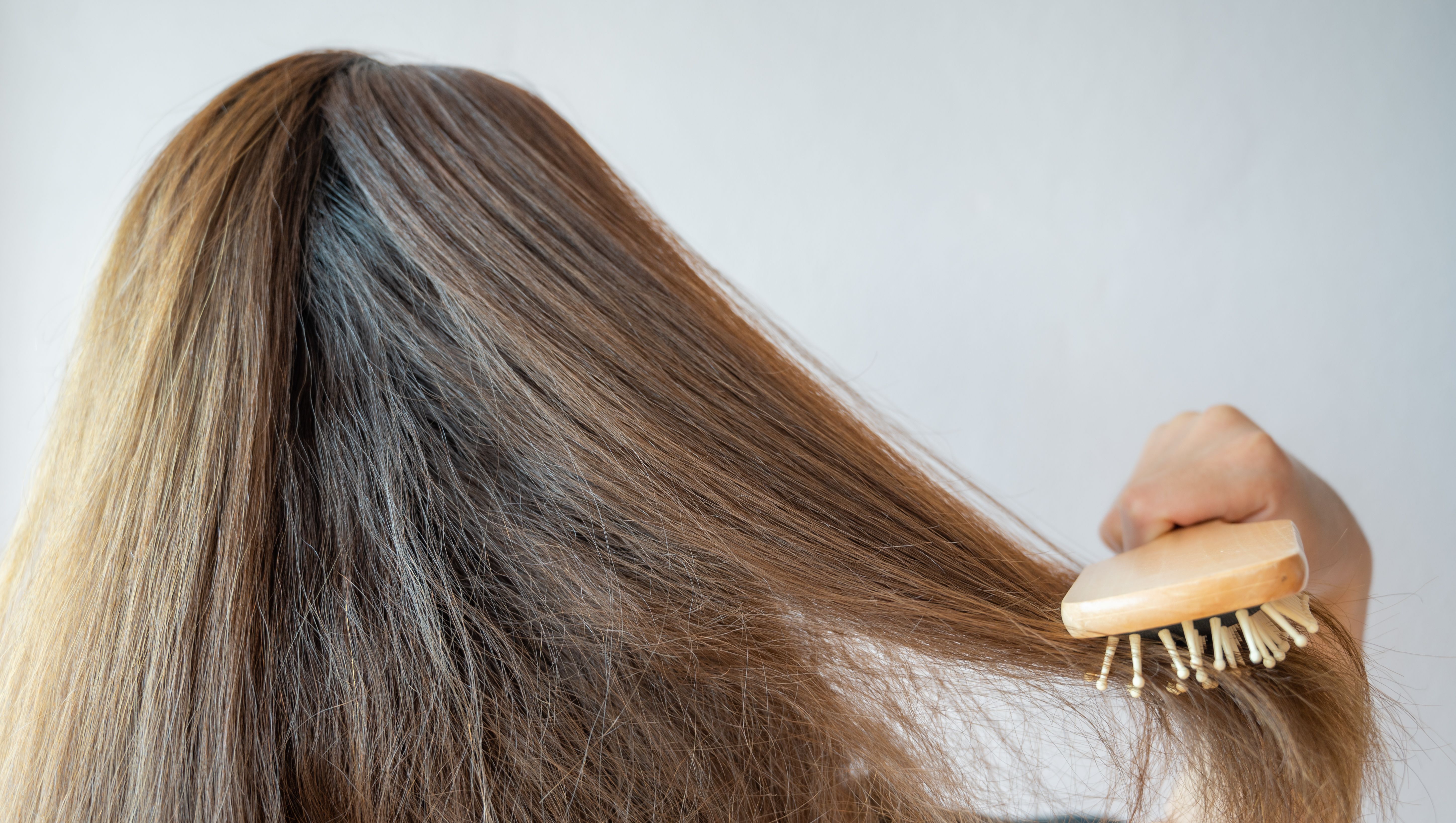
If your hair has suddenly started acting like it is going through a dramatic breakupdry at the ends, snapping in the middle, and gathering in the shower drain like it pays rent thereyou are not imagining things. Hair that feels rough, brittle, and thinner than usual can be frustrating, scary, and surprisingly emotional. Most people expect a bad hair day now and then. They do not expect their ponytail to feel smaller or their brush to look like it has been through a shedding contest.
The good news is that dry, brittle hair and hair fall often have an explanation. Sometimes the cause is external, like heat styling, bleaching, tight hairstyles, or a hair routine that is way too aggressive. Other times, the problem starts inside the body, with stress, thyroid disease, low iron, hormonal changes, rapid weight loss, scalp inflammation, or inherited pattern hair loss. In other words, your shampoo may be innocent, and your flat iron may be doing villain work.
This guide breaks down the most common reasons your hair is dry, brittle, and falling out, how to tell breakage from true shedding, and when a doctor visit is worth bumping to the top of your to-do list.
First, Know the Difference Between Hair Breakage and Hair Shedding
Before blaming every strand that lands on your sweater, it helps to know what type of hair loss you are dealing with. Hair shedding usually means the strand falls out from the root. You may notice more full-length hairs on your pillow, in the shower, or caught in your brush. Hair breakage means the hair shaft snaps somewhere along its length, leaving behind shorter pieces, flyaways, frayed ends, and that unmistakable “why does my hair look like straw?” feeling.
Many people have both at the same time. For example, you might be shedding because of stress or a hormone shift while also dealing with breakage from bleaching or daily hot-tool marathons. That double hit can make hair look thinner fast, even when the causes are different.
1. Heat Styling, Bleach, and Chemical Processing
One of the most common reasons hair becomes dry and brittle is simple: it has been through a lot. Frequent blow-drying, flat ironing, curling, bleaching, relaxing, perming, or repeated coloring can weaken the hair shaft and strip away moisture. Hair does not usually send a polite warning email before this happens. It just starts feeling rough, tangling more easily, losing shine, and breaking off.
If your hair looks uneven, has split ends everywhere, or snaps when you brush or detangle it, external damage is high on the suspect list. Tight hairstyles like braids, slick buns, ponytails, extensions, and weaves can add another layer of stress. Over time, repeated pulling may irritate follicles and lead to traction-related hair loss, especially along the hairline and temples.
Clues this may be your issue: increased breakage, more frizz, crispy ends, shorter broken pieces around the crown or hairline, and a history of heat or chemical treatments.
2. A Hair Care Routine That Is Too Harsh
Sometimes the problem is not one dramatic event. It is death by a thousand tiny habits. Rough towel drying, ripping through knots, skipping conditioner, washing with products that are too harsh for your hair type, or using very hot water can leave hair rough and fragile. The scalp matters too. If the scalp is irritated, inflamed, or coated with heavy buildup, hair may not look or behave its best.
Healthy hair care is usually less about buying a miracle bottle and more about reducing unnecessary stress on the hair shaft. Gentle cleansing, conditioner after shampoo, careful detangling, lower heat settings, and giving your hair a break from tight styling can make a big difference. Hair likes consistency. It does not love chaos.
3. Not Getting Enough Protein, Iron, or Other Key Nutrients
Hair is made mostly of protein, so it is not shocking that poor nutrition can show up there. If your diet has become restrictive, you have lost weight quickly, or you are not eating enough protein, your body may shift resources away from hair growth. Hair is important, yes, but your body ranks organs higher on the priority list. Hair gets humbled first.
Iron deficiency is a major example. Low iron or anemia can contribute to increased shedding and hair that seems weaker than usual. Some people also have hair changes related to low vitamin B12, low vitamin D, or other nutritional gaps. That does not mean everyone with hair loss needs a shopping cart full of supplements. In fact, too much of certain vitamins or minerals can make hair loss worse. More is not always better, especially when “more” came from a late-night social media ad featuring suspiciously perfect hair.
Clues this may be your issue: recent crash dieting, heavy periods, fatigue, feeling cold, brittle nails, dizziness, weakness, or a major change in eating habits.
4. Thyroid Problems
If your hair has become drier, coarser, more brittle, and noticeably thinner, the thyroid deserves a mention. Hypothyroidism, or an underactive thyroid, can cause dry skin, fatigue, constipation, feeling unusually cold, weight changes, and hair that becomes thin and brittle. Sometimes the hair texture changes first, and people assume they just need a better mask or serum. Unfortunately, no leave-in conditioner can negotiate with a hormone imbalance.
Thyroid problems do not just affect how much hair you have. They can affect how the hair feels. That combination of dryness, breakage, and increased shedding is one reason doctors often consider thyroid testing when hair changes are significant or seem to come out of nowhere.
5. Hormonal Shifts After Pregnancy, During Menopause, or With PCOS
Hormones have a major influence on hair growth, density, and texture. After childbirth, many people notice dramatic shedding a few months later. This is usually a form of telogen effluvium, a temporary shedding phase triggered by falling estrogen levels after pregnancy. It can be startling, but it is commonly temporary.
Menopause can also affect the hair cycle. As hormone levels shift, hair may grow finer, feel less full, and shed more than before. For some women, polycystic ovary syndrome, or PCOS, is another possible factor. PCOS can be associated with thinning scalp hair, acne, irregular periods, and increased facial or body hair due to higher androgen levels.
If your hair has changed alongside menstrual irregularities, postpartum recovery, hot flashes, fertility issues, or new acne, hormones may be part of the story.
6. Stress and Telogen Effluvium
Stress can absolutely affect hair. One common result is telogen effluvium, a condition in which more hairs than usual shift into the resting phase and then shed. The tricky part is timing. The shedding often shows up two to three months after the trigger, not the same week your life turned into a disaster movie.
Common triggers include illness, high fever, surgery, rapid weight loss, emotional trauma, major life stress, and sometimes medications. You may notice extra hair in the shower, on your pillow, or all over your bathroom floor like tiny dramatic confetti. The shedding can feel intense, but telogen effluvium is often temporary once the trigger resolves.
Clues this may be your issue: diffuse shedding all over the scalp, a big stressor in the last few months, or more hair coming out from the root while the hair shaft itself is not especially fragile.
7. Genetics and Pattern Hair Loss
Sometimes the explanation is inherited pattern hair loss. This type of hair thinning can affect men and women, though it may look different. In women, it often appears as widening of the part or diffuse thinning over the crown. In men, it commonly starts at the temples or crown. Pattern hair loss may happen gradually, and the strands themselves can become finer over time.
Because the process can be slow, many people assume their hair is “just getting weak” or “not growing anymore.” In reality, the follicles may be shrinking and producing thinner hairs. If hair loss runs in your family and your part looks wider than it used to, genetics may be part of the picture.
8. Scalp Conditions Such as Dandruff, Seborrheic Dermatitis, Psoriasis, or Fungal Infection
A healthy scalp creates a better environment for healthy hair. If your scalp is itchy, inflamed, flaky, sore, or covered with thick scale, that may be contributing to the problem. Seborrheic dermatitis, often associated with dandruff, can cause irritation and flaking on the scalp. Scalp psoriasis can also lead to scaling and discomfort. In some cases, a fungal infection like tinea capitis can cause scaly patches with broken hairs or patchy hair loss.
These conditions do not always cause permanent hair loss, but they can increase shedding or breakage while the scalp is inflamed. And if you scratch the area like you are trying to dig for treasure, you will only make things worse.
9. Autoimmune Hair Loss
If your hair is falling out in smooth, round patches, or your eyebrows and eyelashes are thinning too, doctors may consider autoimmune hair loss such as alopecia areata. In this condition, the immune system targets hair follicles and interrupts normal growth. It is very different from garden-variety dryness or overprocessing, so it is important not to assume every bald patch is “just stress.”
Autoimmune hair loss can sometimes regrow on its own, but it is still worth getting evaluated. The earlier the cause is identified, the more targeted the treatment plan can be.
10. Medications, Supplements, and Medical Treatments
Hair loss can also happen as a side effect of certain medications or medical treatments. Drugs used for cancer, heart conditions, arthritis, gout, depression, and high blood pressure are among the well-known examples. Chemotherapy can cause rapid hair loss, while other medications may cause more gradual thinning or shedding.
Supplements are not automatically harmless either. High doses of certain nutrients, including vitamin A and selenium, can contribute to hair loss. That is why self-treating with a random “hair growth” cocktail can backfire. Hair thrives on balance, not megadoses.
When You Should See a Doctor
If your hair is suddenly shedding a lot, breaking easily, or changing texture for no obvious reason, it is smart to check in with a healthcare professional. A board-certified dermatologist is especially helpful for hair and scalp conditions. You should also get evaluated sooner if you have any of these warning signs:
- patchy bald spots
- itching, pain, redness, or thick scalp scale
- hairline recession from tight styling
- thinning with fatigue, heavy periods, cold intolerance, or weight changes
- hair loss after childbirth that feels extreme or does not improve
- sudden shedding after illness, surgery, or major stress
- new acne, irregular periods, or other hormone-related symptoms
A doctor may review your medical history, examine your scalp, ask about recent stressors, medications, and diet, and sometimes order blood work to look for thyroid problems, iron deficiency, hormone issues, or nutritional deficiencies.
What May Help While You Figure Out the Cause
While treatment depends on the cause, a few common-sense strategies can reduce further damage:
- Use heat less often and lower the temperature when you do.
- Pause or space out bleaching, relaxing, or other chemical services.
- Avoid tight hairstyles that pull on the scalp.
- Condition regularly and detangle gently.
- Eat enough protein and avoid crash diets.
- Do not start high-dose supplements without medical guidance.
- See a dermatologist if the loss is patchy, persistent, or worsening.
The key is not to guess forever. Dry, brittle, falling hair is sometimes a hair care problem, but sometimes it is the body waving a flag that something deeper needs attention.
Common Experiences People Have With Dry, Brittle, Shedding Hair
One of the most common experiences people describe is confusion at the beginning. Their hair does not all disappear overnight. Instead, they notice little clues. The ponytail feels thinner. The ends start looking fuzzy no matter how much they trim them. The shower drain suddenly becomes a rude little truth-teller. At first, many people blame the weather, a new shampoo, or one bad salon appointment. Then the pattern keeps going, and it becomes harder to shrug off.
Another very typical experience is the “I thought it was breakage, but it was also shedding” realization. Someone may notice short snapped pieces around the front from heat or tight styling, while longer strands are also falling from the root because of stress, postpartum changes, or low iron. That combination is especially upsetting because the hair feels dry and looks thinner at the same time. People often describe their hair as suddenly looking dull, fluffy in the worst way, and weirdly see-through near the ends.
Stress-related shedding has its own pattern that catches people off guard. A person goes through a breakup, gets sick, has surgery, loses weight fast, or survives a wildly stressful stretch at work. Then life calms down a little, and just when they think they are recovering, the hair fall begins. That delay is why so many people do not connect the dots right away. They think, “Why now?” when the trigger may have happened months earlier.
People with thyroid issues or nutrient deficiencies often talk about how the hair changes do not happen alone. They may feel more tired than usual, colder than everyone else in the room, more lightheaded, or notice brittle nails and dry skin too. In those cases, the hair problem is often the feature that gets attention first because it is visible, but it is rarely the only symptom in the background.
Postpartum hair loss is another experience many new mothers say feels alarming even when it is common. After months of thick, fuller pregnancy hair, the shedding starts and can seem dramatic. Seeing handfuls of hair in the shower while already running on little sleep is not exactly a relaxing hobby. Even when the shedding is temporary, it can still feel emotional and exhausting.
Then there is the relief people often feel once they stop guessing and get a real answer. Whether the cause is traction, telogen effluvium, PCOS, a scalp condition, or a thyroid problem, naming the issue helps. It turns the situation from “my hair is betraying me for mysterious reasons” into “there is a cause, and now there is a plan.” That shift matters. Hair problems can hit confidence hard, but they are easier to face when you understand what is happening and what steps come next.
Final Thoughts
Dry, brittle hair that is also falling out is not one single diagnosis. It is more like a symptom cluster with several possible explanations. Sometimes the answer is too much heat, too much bleach, or too much tension on the hair. Sometimes it is stress, hormones, genetics, nutrition, thyroid disease, or an irritated scalp asking for help in the least subtle way possible.
If your hair has changed in a way that feels dramatic, persistent, or out of character, do not just keep buying products and hoping one of them performs a miracle. Gentle hair care is a good start, but real improvement often begins when you identify the true cause. Your hair may be sending a message. It is worth listening.