

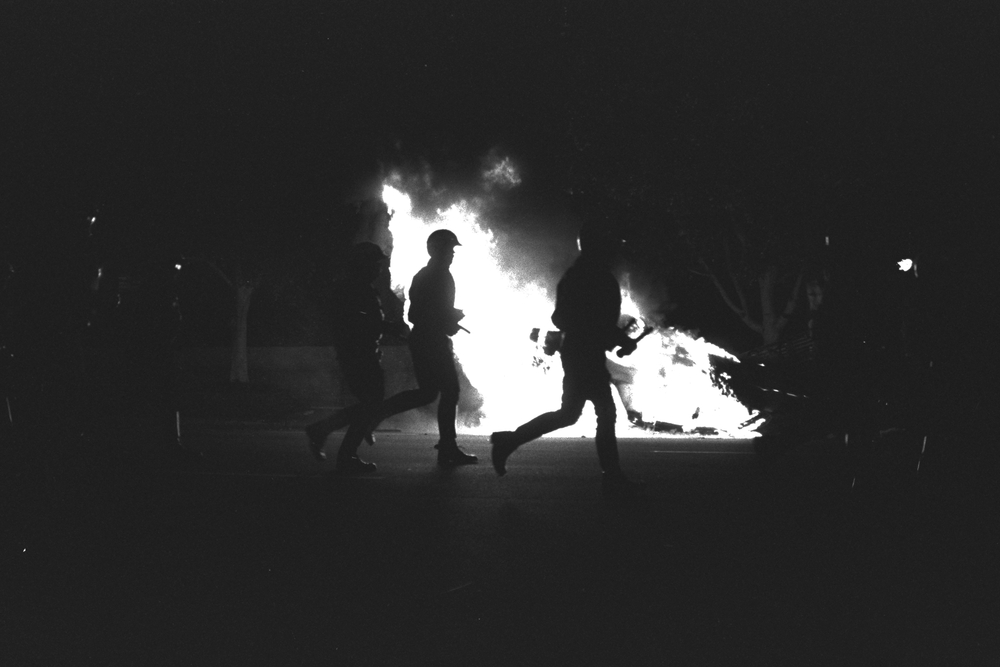
Election season can be dramatic enough without broken windows, smoke damage, smashed display cases, or a police barricade blocking customers from your front door. Yet for business owners, landlords, homeowners, and independent insurance agents, post-election unrest raises a very practical question: Who pays when political tension turns into property damage?
The short answer is encouraging but not simple: many standard property insurance policies cover damage caused by riot, civil commotion, vandalism, fire, and malicious mischief. The longer answer is where the insurance gremlins live. Coverage can depend on policy form, exclusions, deductibles, vacancy conditions, business income wording, civil authority language, proof of loss deadlines, and whether the loss involves direct physical damage. In other words, the policy may be friendly, but it still expects you to read the fine printpreferably before your storefront looks like it hosted a demolition derby.
This guide explains the key post-election unrest property damage coverage issues in plain American English, with practical examples for business owners, property managers, and independent agents who want fewer surprises and more claim-ready confidence.
What Counts as Post-Election Unrest?
Post-election unrest is not usually a formal insurance term. Policies are more likely to use language such as riot, civil commotion, vandalism, malicious mischief, fire, theft, or looting. That distinction matters because claims are paid according to policy wording, not headline wording.
A protest may be peaceful, loud, disruptive, or entirely lawful. Insurance coverage becomes a major issue when the event causes physical damage: broken glass, graffiti, burned vehicles, damaged signs, ruined inventory, smoke contamination, stolen merchandise, or interior destruction. For a claim adjuster, the big questions are not “Was everyone angry?” but “What was damaged, what caused it, where did it happen, and what does the policy say?”
Riot vs. Civil Commotion vs. Vandalism
Riot generally involves a group disturbance with violence or the threat of violence. Civil commotion is often broader and may describe a public uprising or disorder affecting a community. Vandalism usually means intentional damage to property, such as spray-painting walls, smashing windows, or damaging equipment. These terms can overlap during post-election unrest. A single night could involve a protest, a riot, vandalism, theft, and fire damageall before the coffee shop across the street has even opened for the morning.
Does Commercial Property Insurance Cover Riot Damage?
In many cases, yes. Standard commercial property policies commonly cover direct physical loss caused by riot, civil commotion, vandalism, and fire unless the policy specifically excludes or limits those causes. Policies written on a special causes of loss form typically cover direct physical loss unless an exclusion applies. Named-peril forms, by contrast, cover only the listed causes of lossso it is important to confirm that riot, civil commotion, vandalism, and related perils appear in the covered list.
Covered property may include the building, business personal property, tenant improvements, stock, furniture, computers, machinery, signs, and fixtures. For example, if a retail shop suffers smashed windows, damaged shelving, stolen inventory, and smoke damage after unrest near a vote-counting site, the commercial property portion of the policy may respond to the physical damage. That is the good news. The less-fun news is that limits, deductibles, valuation clauses, exclusions, and documentation requirements still apply.
Example: The Broken-Window Boutique
Imagine a boutique located near a downtown government building. After a disputed election result, a crowd gathers nearby. Most people leave peacefully, but a smaller group breaks storefront glass, steals merchandise, and damages the checkout counter. The owner’s commercial property policy may cover the damaged glass, stolen stock, damaged fixtures, and cleanup costs if riot, civil commotion, vandalism, and theft are covered causes of loss. However, the claim could become complicated if the policy has a separate glass deductible, a theft limitation, or poor inventory records.
Business Income Coverage: Where Claims Get Tricky
Property damage is only half the story. For many businesses, the bigger financial punch comes after the damage: lost sales, canceled appointments, employee downtime, temporary relocation, and delayed reopening. That is where business income insurance and extra expense coverage enter the conversation.
Business income coverage generally helps replace lost income when operations are suspended because of covered direct physical loss or damage at the insured premises. Extra expense coverage can help pay necessary costs to reduce downtime, such as renting temporary space, hiring emergency cleanup crews, boarding up windows, expediting repairs, or leasing replacement equipment.
The phrase to watch is direct physical loss or damage. If a restaurant closes because rioters damaged the building and the kitchen cannot operate safely, business income coverage may apply. If the restaurant closes only because customers are nervous about downtown traffic, coverage may be harder to trigger. Insurance is many things, but it is not usually a “vibes were bad” reimbursement machine.
Civil Authority Coverage
Civil authority coverage may apply when a government order prohibits access to the insured premises because of covered damage to nearby property. This is especially relevant after unrest if police, fire departments, or city officials block streets, close districts, or restrict access for safety reasons.
For example, suppose a bookstore is not damaged, but the building next door is burned during post-election unrest. The city closes the block for several days while investigators and utility crews secure the area. If the bookstore has business income coverage with a civil authority provision, it may have a claim for income lost during the restricted-access period. But civil authority coverage often has waiting periods, time limits, distance requirements, and wording that requires actual property damage nearby. A curfew alone may not be enough.
Homeowners and Renters Insurance After Civil Unrest
Post-election unrest coverage is not only a commercial issue. Homeowners insurance commonly covers damage caused by fire, explosion, riot, civil commotion, vandalism, and malicious mischief. If a residence is damaged during unrest, coverage may apply to the dwelling, other structures, and personal property. Renters insurance may cover damaged or stolen personal belongings, while the landlord’s policy generally covers the building.
Additional living expense coverage may also help if a home becomes uninhabitable because of a covered loss. For instance, if smoke damage from a nearby fire makes a home unsafe, the policy may help pay reasonable extra costs for temporary housing, meals, and other necessary expenses above normal living costs.
Auto Damage During Unrest
Vehicles are a separate issue. Damage to a car from riot, vandalism, fire, falling objects, or civil disturbance is typically handled under comprehensive auto coverage, not collision. If a vehicle owner carries only liability coverage, damage from a smashed windshield or burned vehicle may not be covered. This is a painful discovery best made while reading the policy, not while staring at a parking space where your sedan has become modern art.
Common Coverage Problems After Post-Election Unrest
Even when the general cause of loss is covered, several issues can reduce, delay, or complicate payment. Policyholders and agents should review these trouble spots before unrest occurs, especially for properties near courthouses, government offices, campaign headquarters, universities, downtown retail corridors, and transportation hubs.
1. Vacancy Conditions
Vacant properties are riskier, and insurance policies know it. Many property policies restrict coverage when a building has been vacant beyond a stated period, often 30 to 60 days. Vandalism, glass breakage, theft, attempted theft, water damage, and sprinkler leakage may be limited or excluded after the vacancy threshold is crossed. A boarded-up storefront waiting for a new tenant may not have the same protection as an occupied shop.
2. Protective Safeguard Requirements
Some policies require alarms, sprinklers, security systems, locked gates, or monitored fire protection. If a policy includes a protective safeguard endorsement and the insured fails to maintain the required protection, a claim may be denied or disputed. During election season, this can matter for businesses with high-value inventory, pharmacies, jewelry stores, electronics retailers, liquor stores, and cannabis-related businesses where legal.
3. Theft and Looting Limitations
Looting may be covered when it occurs during a riot or civil commotion, but policies can distinguish between theft, mysterious disappearance, inventory shortage, and vandalism. Strong records are essential. A business that can show purchase orders, inventory reports, point-of-sale records, photos, and security footage is in a much better position than a business whose documentation strategy is “I’m pretty sure we had more laptops yesterday.”
4. Business Income Waiting Periods
Business income coverage may include a waiting period before coverage begins. Extra expense coverage may begin sooner, depending on the form. Policyholders should know whether their policy has a 24-hour, 48-hour, or 72-hour waiting period and how the period of restoration is calculated. The period of restoration is usually based on how long repairs should reasonably take, not how long the business actually remains closed because of supply delays, permitting issues, or indecision.
5. War, Terrorism, and Political Violence Exclusions
Most domestic unrest is not “war,” but policies can include exclusions or sublimits for terrorism, political violence, strikes, riots, and civil commotion in certain markets. Larger commercial accounts, multinational businesses, hotels, shopping centers, event venues, and companies in dense urban areas may need specialized political violence or strike, riot, and civil commotion coverage. The key is not to assume. A policy review before election night is cheaper than a coverage lawsuit afterward.
What Independent Agents Should Discuss With Clients
Independent agents play a critical role because most clients do not wake up excited to read insurance forms. Shocking, yes, but true. Agents can help clients identify exposures, review limits, and understand how coverage applies before there is a claim.
Important pre-election conversations should include property limits, business personal property values, glass coverage, sign coverage, ordinance or law coverage, outdoor property, business income limits, extra expense coverage, civil authority wording, vacancy status, protective safeguard endorsements, and claims reporting procedures. Agents should also ask about temporary closures, remote work plans, emergency contacts, backup suppliers, payroll continuity, and whether the client has recent photos or videos of the property.
Documentation Is Coverage’s Best Friend
After a loss, documentation can make or break the claim experience. Policyholders should photograph and video damage before cleanup if it is safe to do so, preserve damaged property when possible, keep repair invoices, track lost sales, save police reports, document communications with authorities, and maintain a timeline of events. Emergency repairs are often necessary, but insureds should avoid permanent repairs before the insurer has a chance to inspect unless safety requires immediate action.
Practical Claim Steps After Property Damage
When unrest damages property, the first priority is safety. Do not enter an unsafe building, confront vandals, or touch hazardous debris. Once safe, policyholders should report the incident to law enforcement, notify the insurer or agent promptly, take photos and videos, protect the property from further damage, and begin a written claim log.
Businesses should separate physical damage costs from income-loss records. Repair invoices, payroll records, daily sales reports, tax returns, bank statements, inventory lists, and canceled orders may all be relevant. If a civil authority order blocked access, keep copies of official notices, emergency alerts, street closure announcements, and communications from local authorities.
Experience Notes: Lessons From Real-World Unrest Claims
One practical lesson from unrest-related property claims is that the first few hours are chaotic, and chaos is terrible at paperwork. Owners are worried about employees, customers, inventory, security, and whether the building is safe. That is completely human. But from a claim perspective, the early timeline matters. When did the damage occur? Was access restricted? Was there fire, smoke, theft, or only cosmetic damage? Did the business close because the premises were physically damaged, because the city blocked access, or because management made a safety decision? Those details can change how coverage applies.
Another lesson is that “covered” does not always mean “fully covered.” A store may have coverage for broken glass but discover that custom signage has a smaller sublimit. A restaurant may have business income coverage but not enough limit to survive a long repair period. A landlord may have building coverage but no coverage for tenants’ merchandise. A tenant may have personal property coverage but no improvements and betterments coverage for the expensive buildout they installed. The claim may be legitimate, while the limit is still painfully small.
Good preparation is refreshingly boring. Walk the property before a tense election period. Photograph every room, storefront, stock area, sign, security device, and piece of expensive equipment. Save the images somewhere cloud-based. Update inventory values. Confirm emergency board-up vendors. Review alarm contacts. Make sure the insurer has the correct mailing address and mortgagee or loss payee information. None of this feels heroic, but neither does trying to recreate a destroyed inventory list from memory while standing in a parking lot at 6 a.m.
For independent agents, experience shows that clients remember who explained coverage before the crisis. A simple checklist can build trust: What perils are covered? What deductibles apply? Is civil authority included? How long is the waiting period? Are vacant buildings restricted? Are outdoor signs, glass, fences, and landscaping covered? Is business income based on actual loss sustained or a monthly limit? Is payroll included? Are there protective safeguard conditions? These questions do not create panic; they create clarity.
Finally, claims after unrest are emotionally charged. Political events can divide communities, but claims should be handled with calm facts. The adjuster needs cause, damage, documentation, policy language, and valuation. The insured needs safety, communication, and a path to recovery. The agent often becomes the translator between those worlds. When everyone focuses on evidence instead of assumptions, post-election unrest property damage claims are far more likely to move from confusion to resolution.
Conclusion
Post-election unrest can create serious property damage coverage issues, but policyholders are not helpless. Standard homeowners, renters, auto, and commercial property policies often provide meaningful protection for riot, civil commotion, vandalism, fire, and related physical damage. The difficult questions usually involve business income, civil authority, vacancy, theft documentation, policy limits, deductibles, and exclusions.
The best strategy is simple: review coverage before unrest occurs, document property values before damage happens, and report claims quickly if loss occurs. Insurance may not calm the political climate, but it can help rebuild the storefront, replace the inventory, reopen the business, and keep recovery from becoming its own second disaster.