

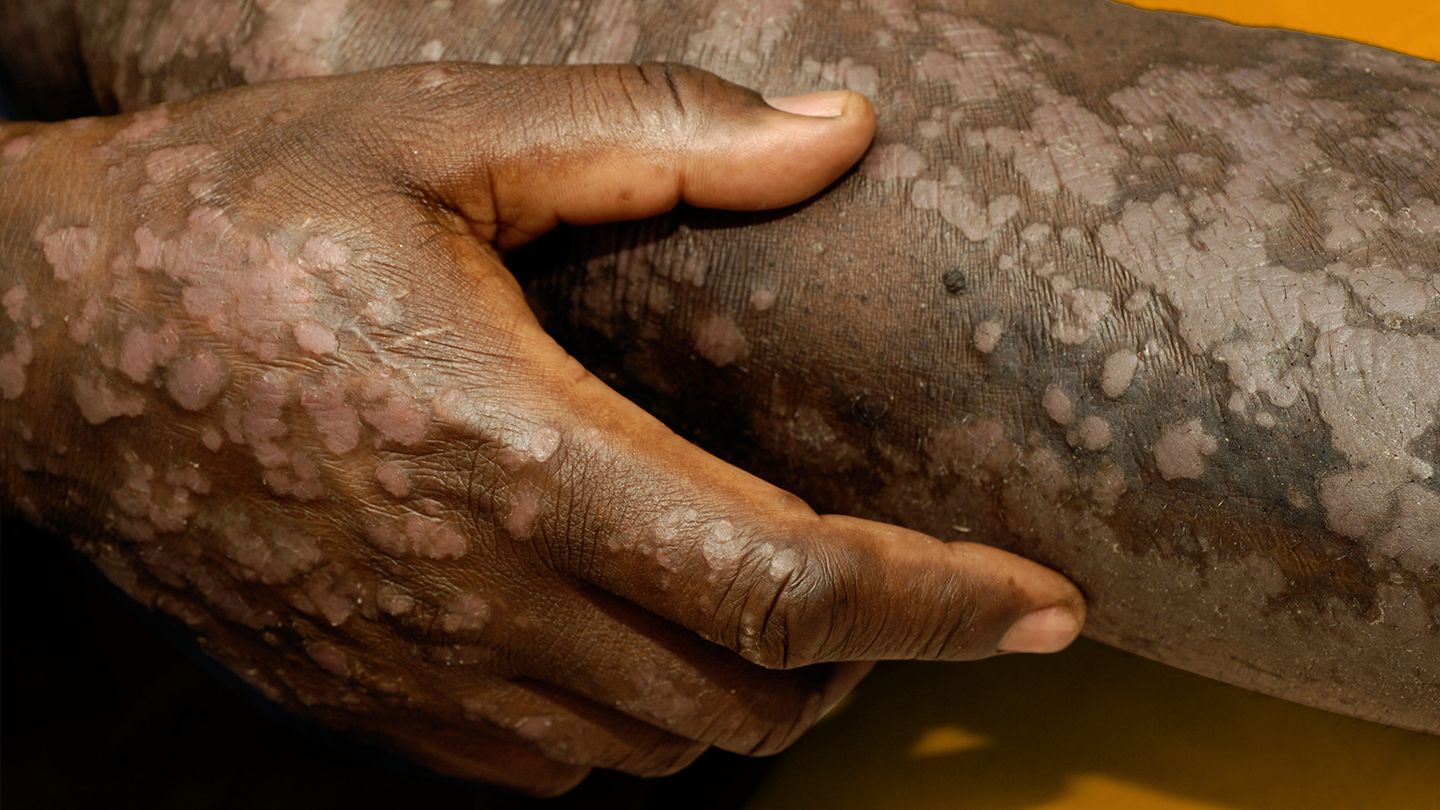
Psoriasis does not check a complexion chart before showing up. It can affect anyone, including people with deep brown and Black skin. But here is the tricky part: psoriasis on Black skin often does not look like the bright red, silvery-scaled rash shown in many textbooks, stock photos, and “please do not Google this at lunch” medical slides. Instead, it may appear purple, dark brown, grayish, reddish-brown, or darker than the surrounding skin.
That difference matters. When psoriasis is not recognized quickly, people may spend months treating the wrong condition, wondering why the “rash cream” is behaving like a lazy intern. For Black patients, delayed diagnosis can also mean more discomfort, more visible skin discoloration, more scalp frustration, and a heavier emotional load.
This guide explains what psoriasis can look like on Black skin, why it is sometimes missed, what symptoms to watch for, how treatment works, and how to speak up at the dermatologist’s office without feeling like you need a medical degree and a PowerPoint presentation.
What Is Psoriasis?
Psoriasis is a chronic immune-mediated skin condition. In simple terms, the immune system becomes overactive and speeds up the life cycle of skin cells. Instead of shedding normally, skin cells pile up too quickly, forming thick, scaly, inflamed patches called plaques.
Psoriasis is not contagious. You cannot catch it from hugging someone, sharing a towel, sitting beside them, or borrowing their hoodie. The immune system is the main character here, and unfortunately, it sometimes chooses drama.
Psoriasis most often appears on the scalp, elbows, knees, lower back, trunk, hands, feet, and nails. It can also show up in skin folds, around the genitals, under the breasts, between the buttocks, or anywhere skin decides to start a small rebellion.
How Psoriasis Looks on Black Skin
On lighter skin, psoriasis is often described as red or pink plaques with silvery-white scales. On Black skin, that classic description may not fit. Psoriasis on Black skin may look:
- Purple or violet
- Dark brown or reddish-brown
- Gray, ashy, or slate-colored
- Thicker than nearby skin
- Covered with gray or white scaling
- Darker or lighter after the flare improves
The scale may be especially noticeable because it contrasts with deeper skin tones. In some cases, the plaque itself may be hard to see under thick scaling. This is one reason psoriasis can be mistaken for eczema, fungal infections, dandruff, allergic reactions, or dry skin.
Common Symptoms of Psoriasis on Black Skin
Psoriasis is more than a cosmetic issue. It can itch, burn, crack, bleed, sting, and make everyday tasks annoying. Symptoms may include:
- Thick, raised patches of skin
- Gray, white, or silver-looking scale
- Itching or burning
- Skin pain or tenderness
- Cracking or bleeding
- Dryness that does not improve with basic lotion
- Flaking on the scalp
- Nail pitting, lifting, thickening, or discoloration
- Joint pain, stiffness, or swelling
Some people have small patches. Others have large areas of involvement. Psoriasis can come and go, flaring during certain seasons or stressful periods. It may calm down, then return like an unwanted group chat notification.
Why Psoriasis Is Sometimes Misdiagnosed in Black Patients
One of the biggest problems is visual bias in dermatology education. For decades, many medical textbooks and online image libraries showed skin diseases mostly on lighter skin. That means some clinicians learned to identify “redness” as the key sign of inflammation, even though redness can look brown, purple, gray, or subtle on darker skin.
When inflammation is harder to see, severity may be underestimated. A Black patient may be told the condition is “mild” even when the itching, scaling, pain, or body surface area tells a different story. That is like judging a thunderstorm by whether your window is open.
Psoriasis on Black skin may also be confused with:
- Eczema
- Seborrheic dermatitis
- Tinea infections such as ringworm
- Lichen planus
- Cutaneous lupus
- Drug reactions
- Contact dermatitis
A dermatologist may diagnose psoriasis by examining the skin, scalp, and nails. If the diagnosis is unclear, a small skin biopsy may help rule out other conditions.
Post-Inflammatory Hyperpigmentation and Hypopigmentation
For many Black patients, the psoriasis flare is only half the story. After plaques improve, the skin may leave behind dark spots, light spots, or uneven tone. This is called post-inflammatory hyperpigmentation when the skin becomes darker and hypopigmentation when it becomes lighter.
These color changes are not “just vanity.” They can affect confidence, clothing choices, dating, work, and mental health. A plaque may stop itching, but the reminder can remain for weeks or months. Sometimes the discoloration becomes the most frustrating part of the condition.
The best way to reduce the risk of long-lasting discoloration is to control inflammation early. Scratching, picking, harsh scrubs, and irritating products can make pigment changes worse. In other words, your skin is already upset; do not invite sandpaper to the meeting.
Scalp Psoriasis in Black Hair
Scalp psoriasis is common and can be especially challenging for Black patients. It may cause thick scale, itching, flakes, soreness, and temporary hair shedding. It can also interfere with protective styles, braids, locs, wigs, relaxers, and wash-day routines.
Treatment plans should respect hair texture and styling practices. A medicated shampoo that must be used daily may not be realistic for someone who washes their hair weekly or wears long-term protective styles. A good dermatologist should ask about hair care before prescribing a plan. If they do not ask, bring it up.
Helpful Scalp Care Tips
- Ask about oils, foams, solutions, or sprays that work with your hairstyle.
- Avoid scratching the scalp aggressively, even when it feels satisfying for three glorious seconds.
- Be careful with tight hairstyles that pull on irritated skin.
- Tell your stylist if your scalp is inflamed before chemical treatments.
- Do not use harsh dandruff treatments without confirming the diagnosis.
Types of Psoriasis That May Affect Black Skin
Plaque Psoriasis
This is the most common type. It causes raised, scaly plaques that may appear purple, brown, gray, or darker than the surrounding skin on Black skin. Common locations include the elbows, knees, scalp, and lower back.
Inverse Psoriasis
Inverse psoriasis appears in body folds such as the armpits, groin, under the breasts, and between the buttocks. Because these areas are moist, plaques may look smooth and shiny rather than scaly. On Black skin, they may appear dark brown, purple, or deeper than the surrounding skin.
Guttate Psoriasis
Guttate psoriasis causes many small spots, often after a throat infection such as strep. On Black skin, the spots may look brown, violet, or dark rather than bright red.
Pustular Psoriasis
This type causes pus-filled bumps that are not caused by infection. It can be localized or widespread. Widespread pustular psoriasis needs urgent medical attention.
Erythrodermic Psoriasis
This rare form can affect most of the body and may be serious. It can cause widespread inflammation, severe pain, chills, fever-like symptoms, or skin peeling. Anyone with symptoms of erythrodermic psoriasis should seek emergency care.
Psoriasis Triggers to Watch For
Triggers vary from person to person. Some people can identify clear patterns, while others feel like their skin is spinning a wheel labeled “Surprise!” Common triggers include:
- Stress
- Cold or dry weather
- Skin injuries, cuts, burns, or tattoos
- Infections such as strep throat
- Smoking
- Heavy alcohol use
- Certain medications
- Hormonal changes
- Poor sleep
Keeping a flare diary can help. Track symptoms, foods, stress, weather, infections, new medications, hair products, and skin products. You do not need a fancy app. A simple notes file called “Why Is My Skin Acting Brand New?” will do.
How Psoriasis Is Treated
Treatment depends on the type of psoriasis, severity, location, symptoms, medical history, and personal preferences. The goal is to calm inflammation, reduce scaling, prevent flares, and improve quality of life.
Topical Treatments
Topical medications are applied directly to the skin. They may include corticosteroids, vitamin D analogs, retinoids, calcineurin inhibitors, coal tar, salicylic acid, or moisturizers. For thick plaques, a doctor may recommend scale-softening treatments so other medicines can penetrate better.
On Black skin, it is important to avoid overusing strong topical steroids, especially on the face, groin, or skin folds. Misuse can cause thinning skin, stretch marks, color changes, and other side effects. Follow the instructions, even if the tube is sitting there looking innocent.
Phototherapy
Phototherapy uses controlled ultraviolet light under medical supervision. It can be effective for many people, including people with darker skin tones. However, settings may need adjustment because melanin affects how the skin responds to light. Phototherapy is not the same as random tanning, and it should be guided by a healthcare professional.
Oral and Injectable Medications
Moderate to severe psoriasis may need systemic treatment. These medications work throughout the body and may include methotrexate, cyclosporine, acitretin, apremilast, or biologic drugs that target specific immune pathways.
Biologics have changed psoriasis care for many patients. They can be very effective, but they require medical screening and ongoing follow-up. A dermatologist will consider infection risk, other health conditions, pregnancy plans, insurance coverage, and treatment goals.
Psoriasis Is More Than Skin Deep
Psoriasis can be linked with other health issues, including psoriatic arthritis, diabetes, heart disease, obesity, inflammatory bowel disease, and depression. Not everyone with psoriasis will develop these conditions, but awareness matters.
Joint symptoms deserve special attention. If you have morning stiffness, swollen fingers or toes, heel pain, back pain, or joint pain that improves with movement, tell your doctor. Psoriatic arthritis can cause permanent joint damage if untreated.
When to See a Dermatologist
Make an appointment if you have scaly, itchy, painful, or persistent patches that do not improve with basic care. You should also seek care if the rash spreads quickly, affects your face or genitals, causes hair loss, disrupts sleep, or comes with joint pain.
For Black patients, it can be helpful to look for a dermatologist experienced with skin of color. This does not mean every visit will be perfect, but it may reduce the chance of your symptoms being underestimated or dismissed.
Questions to Ask at Your Appointment
- Could this be psoriasis, eczema, a fungal infection, or something else?
- Do I need a biopsy to confirm the diagnosis?
- How severe is my psoriasis based on symptoms, location, and body surface area?
- What treatment fits my skin tone and hair routine?
- How can I reduce dark spots or light spots after flares?
- Should I be screened for psoriatic arthritis?
- What side effects should I watch for?
- How long should I try this treatment before changing plans?
Daily Skin Care Tips for Black Skin With Psoriasis
Good skin care will not cure psoriasis, but it can reduce irritation and support treatment. Think of it as giving your prescription medicine a clean runway.
- Use fragrance-free moisturizers daily.
- Apply moisturizer after bathing while skin is still slightly damp.
- Avoid harsh scrubs and rough exfoliation.
- Use gentle cleansers instead of drying soaps.
- Keep nails trimmed to reduce damage from scratching.
- Wear breathable fabrics during flares.
- Use sunscreen on exposed areas, especially where pigment changes are present.
- Do not stop prescribed treatment just because plaques look better.
The Emotional Side of Psoriasis on Black Skin
Psoriasis can affect self-esteem, mood, relationships, work, and social life. People may ask intrusive questions or assume the condition is contagious. That can make someone want to hide their skin, avoid swimming, cancel dates, or dress like it is winter in July.
Support matters. Online communities, patient organizations, culturally aware dermatologists, therapists, and trusted friends can help. Psoriasis is not a personal failure. It is not caused by being dirty, lazy, or “not moisturizing enough.” Moisturizer is helpful, yes, but it is not a magic wand with shea butter.
Experience Section: Real-Life Lessons About Psoriasis on Black Skin
One of the most common experiences people describe is confusion. A patch appears on the elbow, scalp, or leg. At first, it seems like dryness. Then it thickens. It flakes. It itches. Lotion helps for a few hours, then the scale returns with the confidence of someone who did not read the room. For Black patients, the patch may not look red, so family members or even clinicians may say, “It is probably just dry skin.” That delay can feel frustrating and lonely.
Another real-life challenge is the scalp. Imagine trying to manage flakes and soreness while also protecting braids, twists, locs, silk presses, wigs, or natural curls. Many standard instructions say to wash with medicated shampoo several times per week, but that advice may not fit Black hair care routines. A better experience happens when the dermatologist asks, “How do you usually wear and wash your hair?” That one question can turn a generic plan into a realistic plan.
People also talk about the emotional sting of discoloration. The plaque may finally flatten, but the dark mark remains. Someone may hear, “Good news, the psoriasis is better,” while looking at a visible spot that still affects how they dress and feel. This is why treatment goals should include both inflammation control and pigment concerns. Clearer skin does not always mean the same thing for everyone.
At work or school, psoriasis can create awkward moments. Flakes on a black shirt may look like dandruff. Hand plaques may make someone self-conscious during handshakes. A flare on the face or neck may attract questions from people with no boundaries and too much confidence. Having a simple explanation ready can help: “It is psoriasis. It is not contagious, and I am treating it.” Short, calm, and done.
Another lesson is that self-advocacy matters. If a treatment is not working, say so. If the medication is too greasy for your scalp, say so. If you are worried about dark spots, say so. If joint pain is showing up, definitely say so. The best psoriasis care is not just about clearing plaques; it is about helping a real person live comfortably in real skin, with real routines, real hair, real clothing, and real feelings.
Finally, many people learn that psoriasis management is a marathon, not a one-week skin boot camp. Flares may happen even when you do “everything right.” That does not mean you failed. It means psoriasis is a chronic immune condition with triggers, patterns, and surprises. With the right diagnosis, personalized treatment, gentle skin care, and a clinician who understands Black skin, it is possible to reduce flares, protect confidence, and stop letting psoriasis run the schedule.
Conclusion
Psoriasis on Black skin can look different from the textbook version. Instead of bright red plaques, it may appear purple, brown, gray, or darker than the surrounding skin. Scaling may look gray or white, and pigment changes can remain after inflammation improves. Because these signs are sometimes missed, Black patients may face delayed diagnosis, undertreatment, or treatment plans that do not consider hair care and skin tone.
The good news is that psoriasis is treatable. Topicals, phototherapy, oral medications, biologics, and thoughtful daily care can help control symptoms. The key is getting an accurate diagnosis and a plan that respects the whole person, not just the patch of skin under the exam room light.
If you suspect psoriasis, do not settle for “just dry skin” when your symptoms keep coming back. Ask questions, track triggers, discuss pigment changes, mention joint pain, and seek a dermatologist who understands how inflammatory skin conditions appear on Black skin. Your skin deserves care that sees it clearly.