

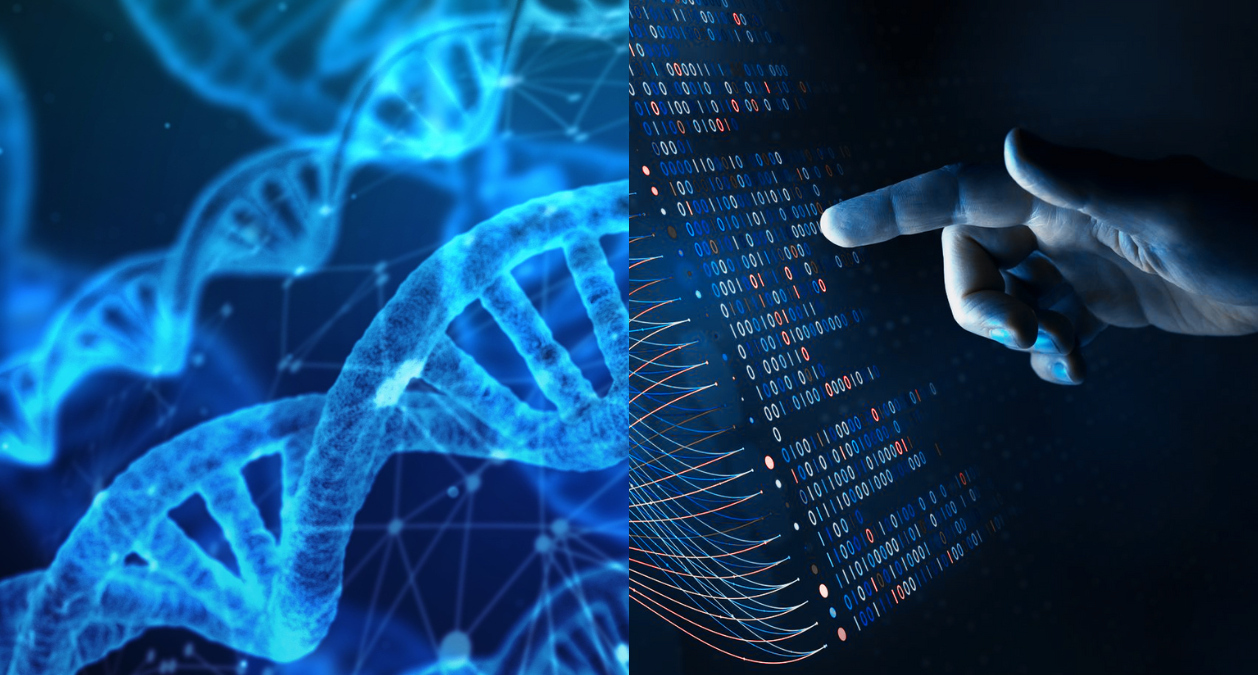
The convergence of artificial intelligence (AI), robotics, and biotechnology is ushering in a new era of scientific exploration—autonomous biological discovery. This emerging field leverages intelligent systems to design, execute, and analyze experiments with minimal human intervention. By accelerating research cycles and uncovering insights at unprecedented speed, autonomous discovery is pushing the boundaries of what is possible in biology and medicine.
What Is Autonomous Biological Discovery?
Autonomous biological discovery refers to the use of AI-driven systems and automated laboratories to conduct scientific research independently. These systems can generate hypotheses, run experiments, analyze results, and refine future experiments—all in a continuous loop.
Key components include:
-
AI and machine learning algorithms
-
Robotic lab automation
-
High-throughput experimentation
-
Data analytics and modeling
Together, these technologies create self-improving research systems capable of accelerating scientific breakthroughs.
How It Works
1. Hypothesis Generation
AI models analyze vast biological datasets to identify patterns and generate testable hypotheses. These insights often go beyond human intuition due to the scale and complexity of the data.
2. Automated Experimentation
Robotic systems carry out experiments with high precision and consistency. They can run thousands of experiments simultaneously, significantly increasing throughput.
3. Real-Time Data Analysis
AI processes experimental results in real time, identifying trends and anomalies. This enables rapid iteration and continuous improvement.
4. Closed-Loop Learning
The system uses feedback from previous experiments to refine future hypotheses and experimental designs, creating a self-optimizing discovery cycle.
Key Applications
1. Drug Discovery and Development
Autonomous systems can dramatically reduce the time required to discover new drugs. By rapidly screening compounds and predicting their effects, AI accelerates the development of treatments for diseases.
2. Synthetic Biology
Researchers use autonomous systems to design and engineer biological systems, such as microorganisms that produce biofuels, pharmaceuticals, or sustainable materials.
3. Genomics and Precision Medicine
AI-driven discovery helps analyze genetic data to identify disease markers and develop personalized treatments tailored to individual patients.
4. Materials Science and Bioengineering
Autonomous labs are also used to discover new biomaterials with unique properties, enabling innovations in medicine, energy, and manufacturing.
Benefits of Autonomous Biological Discovery
-
Speed: Accelerates research cycles from years to weeks or days
-
Scalability: Conducts thousands of experiments simultaneously
-
Accuracy: Reduces human error and increases reproducibility
-
Innovation: Uncovers insights beyond human capabilities
-
Cost Efficiency: Optimizes resource usage and reduces research costs
Challenges and Ethical Considerations
Despite its potential, autonomous biological discovery presents several challenges:
-
High setup and infrastructure costs
-
Data quality and integration issues
-
Ethical concerns in AI-driven experimentation
-
Regulatory and compliance complexities
-
Need for interdisciplinary expertise
Ensuring transparency, safety, and ethical responsibility is essential as this field continues to grow.
The Future of Autonomous Discovery
The future of biological research lies in fully autonomous laboratories capable of operating 24/7, continuously generating new knowledge. As AI models become more advanced and robotics more sophisticated, the pace of scientific discovery will accelerate dramatically. Collaboration between humans and intelligent systems will redefine how science is conducted.
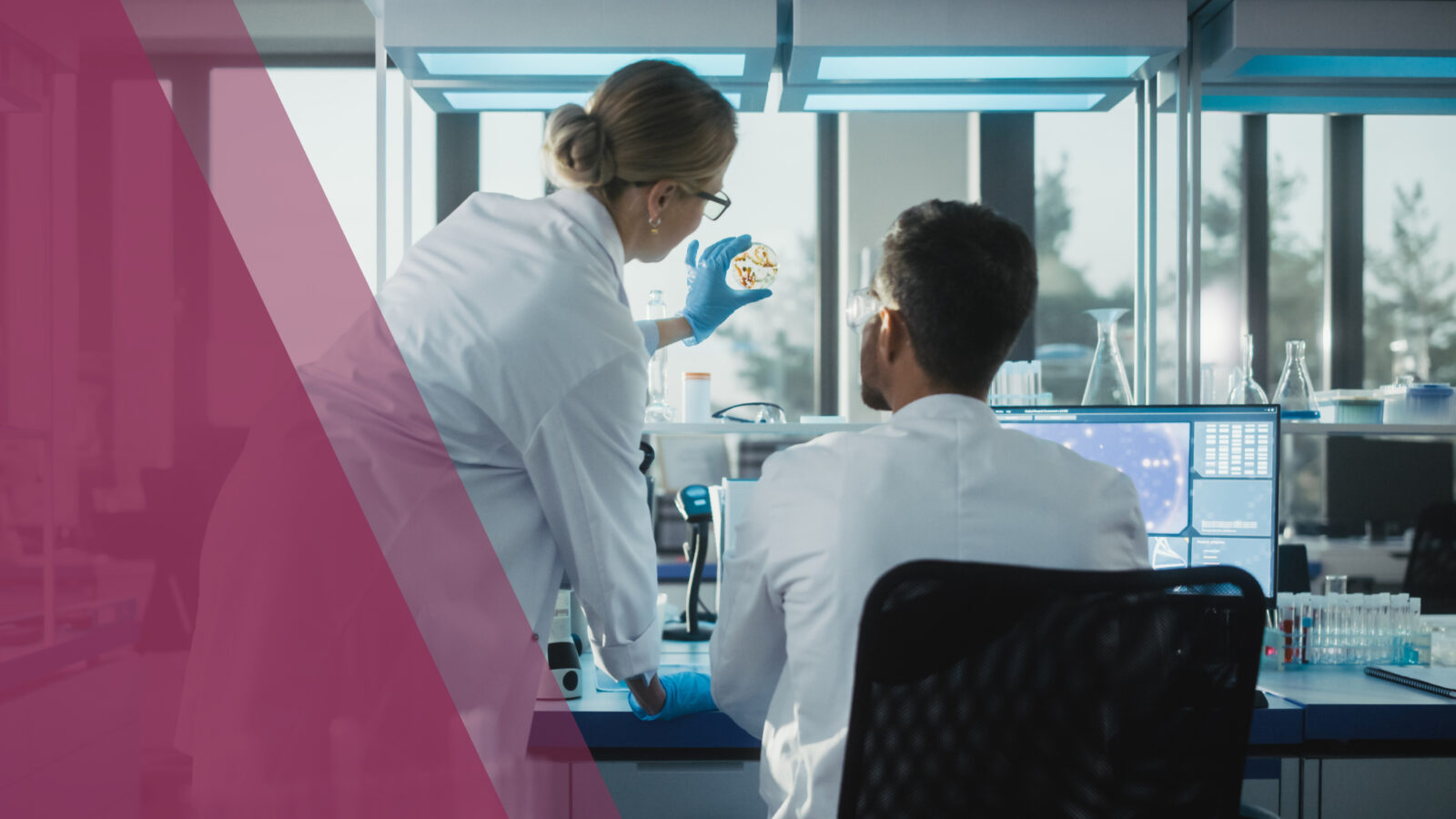
Autonomous biological discovery represents a paradigm shift in scientific research. By combining AI, automation, and data-driven insights, it is pushing the boundaries of innovation in biology and medicine. As this technology matures, it holds the promise of solving some of the world’s most complex challenges—from disease treatment to sustainable development—faster than ever before.