

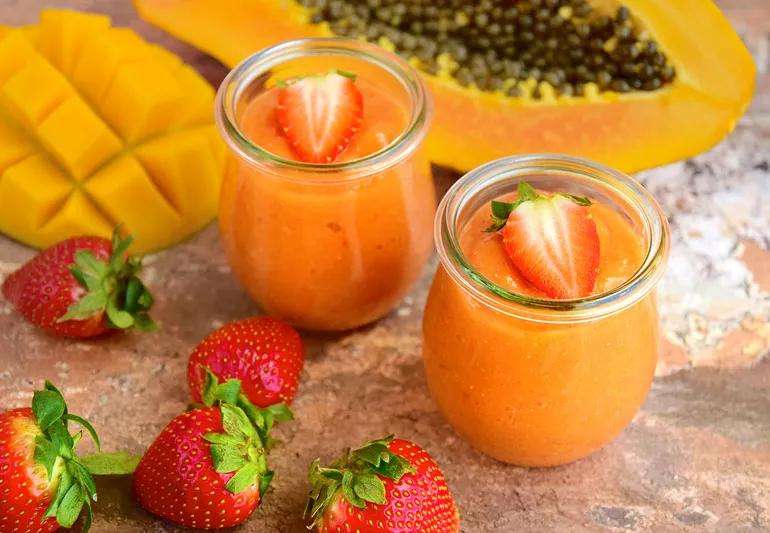
Some drinks politely refresh you. Others arrive in a glass wearing sunglasses, humming tropical music, and making your kitchen feel like a tiny vacation rental with better Wi-Fi. This mango strawberry smoothie belongs in the second group. It is bright, creamy, naturally sweet, and wonderfully simplethe kind of recipe that makes breakfast feel less like a responsibility and more like a reward.
A mango strawberry smoothie brings together two fruit personalities that were clearly meant to share a blender. Mango adds lush tropical sweetness and a silky body. Strawberries bring fresh berry brightness, gentle tartness, and that cheerful pink color that says, “Yes, I am healthy, but I am also fun.” Add yogurt or milk, a splash of liquid, and a few smart extras, and you have a homemade smoothie that works for breakfast, a snack, a post-workout sip, or a sunny afternoon rescue mission.
This recipe focuses on real ingredients, balanced flavor, and easy customization. It avoids the common smoothie trap of turning fruit into dessert soup with too much juice, syrup, or added sugar. Instead, it uses the natural sweetness of ripe mango and strawberries, plus optional protein and fiber boosters, to create a drink that tastes indulgent without needing a candy bar as a co-pilot.
Why Mango and Strawberry Work So Well Together
Mango and strawberry are a dream team because they balance each other beautifully. Mango is rich, mellow, and almost creamy when blended. Strawberries are juicy, fragrant, and slightly tart. When combined, the result is a smoothie that tastes layered rather than flat. You get sweetness first, then a little berry sparkle, then a smooth tropical finish.
Texture matters too. Frozen mango chunks help thicken the smoothie without needing ice cream or sugary frozen yogurt. Strawberries blend quickly and add freshness. If you use frozen strawberries, the smoothie becomes colder and thicker. If you use fresh strawberries, the flavor feels lighter and more garden-fresh. Either option works, which is excellent news for anyone whose freezer currently looks like a fruit storage facility.
Ingredients for the Best Mango Strawberry Smoothie
This recipe makes two medium smoothies or one very generous smoothie for someone who believes cups are merely suggestions.
Main Ingredients
- 1 cup frozen mango chunks: Frozen mango gives the smoothie body, natural sweetness, and a frosty texture.
- 1 cup strawberries, fresh or frozen: Hull fresh strawberries before blending. Frozen strawberries make the smoothie thicker.
- 1/2 cup plain Greek yogurt: Adds creaminess, protein, and a pleasant tang.
- 3/4 cup milk or unsweetened almond milk: Use dairy milk, soy milk, oat milk, or almond milk depending on your preference.
- 1/2 banana, optional: Adds extra creaminess and sweetness.
- 1 teaspoon honey or maple syrup, optional: Only use if your fruit is not sweet enough.
- 1 tablespoon chia seeds or ground flaxseed, optional: Adds fiber and helps make the smoothie more satisfying.
- 1/2 teaspoon vanilla extract, optional: Gives the smoothie a soft, dessert-like aroma.
- Ice cubes, optional: Use only if your fruit is fresh and you want a colder, thicker drink.
How to Make a Mango Strawberry Smoothie
The method is beautifully simple. Smoothies are not here to test your culinary bravery. They are here to blend, pour, and make your morning less dramatic.
Step 1: Add Liquid First
Pour the milk or almond milk into the blender first. This helps the blades move smoothly and prevents fruit from getting stuck at the bottom like it is staging a protest.
Step 2: Add Yogurt and Soft Ingredients
Add the Greek yogurt, banana if using, vanilla extract, and any sweetener. Placing softer ingredients near the blades helps the smoothie blend evenly.
Step 3: Add Frozen Fruit
Add mango chunks and strawberries last. If both fruits are frozen, start with 3/4 cup liquid and add more only if needed. A thick smoothie is lovely; a blender motor asking for mercy is less lovely.
Step 4: Blend Until Smooth
Blend on high for 45 to 60 seconds, or until the mixture is creamy and no fruit pieces remain. Stop and scrape down the sides if needed. If the smoothie is too thick, add milk one tablespoon at a time. If it is too thin, add more frozen mango, frozen strawberries, or a few ice cubes.
Step 5: Taste and Adjust
Taste before pouring. If it needs more brightness, add a squeeze of lemon or lime juice. If it needs more sweetness, add a small drizzle of honey. If it tastes perfect, do a tiny kitchen victory dance. This step is optional but encouraged.
Recipe Card: Mango Strawberry Smoothie
Prep Time
5 minutes
Total Time
5 minutes
Servings
2 smoothies
Ingredients
- 1 cup frozen mango chunks
- 1 cup fresh or frozen strawberries, hulled if fresh
- 1/2 cup plain Greek yogurt
- 3/4 cup milk, soy milk, oat milk, or unsweetened almond milk
- 1/2 banana, optional
- 1 tablespoon chia seeds or ground flaxseed, optional
- 1/2 teaspoon vanilla extract, optional
- 1 teaspoon honey or maple syrup, optional
- Ice cubes, optional
Instructions
- Add milk to the blender.
- Add Greek yogurt, banana, vanilla, chia seeds, and sweetener if using.
- Add mango and strawberries.
- Blend on high until creamy and smooth.
- Adjust thickness with more liquid or frozen fruit.
- Pour into glasses and serve immediately.
Nutrition Highlights
A mango strawberry smoothie can be a smart choice when built with whole fruit, protein, and minimal added sugar. Mango provides natural sweetness, vitamin C, and a silky texture. Strawberries are naturally low in calories and known for vitamin C, fiber, and refreshing flavor. Greek yogurt brings protein and creaminess, making the smoothie more satisfying than fruit and juice alone.
The key is balance. Fruit is nutritious, but a smoothie made with only fruit juice and sweetened yogurt can quickly become more sugary than expected. For a better everyday smoothie, use whole fruit, choose plain yogurt, pick unsweetened milk, and add seeds if you want more fiber. This keeps the drink refreshing while helping it feel more like a useful snack or breakfast instead of a fruity sugar sprint.
Fresh Fruit vs. Frozen Fruit
Fresh mango and strawberries taste wonderful when they are ripe, fragrant, and in season. The challenge is that mangoes can be unpredictable. One day they are rock-hard. The next day they are perfect. Twelve minutes later, they are suspiciously soft and judging your life choices from the fruit bowl.
Frozen fruit solves that problem. Frozen mango is peeled, chopped, and ready to blend. It also creates a thick, cold smoothie without watering down the flavor. Frozen strawberries are equally convenient and often picked at peak ripeness. For the creamiest result, use at least one frozen fruit. If both fruits are fresh, add ice or freeze the fruit for 30 minutes before blending.
How to Make It Creamier
If your smoothie tastes good but feels thin, the fix is simple. Use frozen mango instead of fresh mango, add half a banana, reduce the liquid slightly, or include Greek yogurt. Chia seeds can also thicken the smoothie after a few minutes because they absorb liquid. For an extra-rich version, use full-fat Greek yogurt or a splash of canned light coconut milk.
For a dairy-free creamy smoothie, choose unsweetened soy milk or oat milk and use a plant-based yogurt. Soy milk is especially useful because it usually has more protein than almond milk. Oat milk gives a naturally sweet, rounded flavor, while almond milk keeps the smoothie lighter.
How to Make It Higher in Protein
Protein helps turn this mango strawberry smoothie from a quick sip into something more filling. Greek yogurt is the easiest upgrade because it blends smoothly and tastes natural with fruit. You can also add cottage cheese, silken tofu, soy milk, kefir, or a scoop of plain or vanilla protein powder.
If using protein powder, start with a smaller amount than the label suggests, especially if the powder is strongly flavored. Some powders can take over the smoothie and make your mango taste like it wandered into a gym locker room. Vanilla usually works best. Unflavored protein powder is also a good option if you want the fruit to stay in charge.
How to Make It Sweeter Without Overdoing Sugar
The best sweetener is ripe fruit. A ripe mango should smell fragrant near the stem and give slightly when pressed. Strawberries should be red, aromatic, and not watery. If the fruit is naturally sweet, you may not need honey, maple syrup, or dates.
If the smoothie tastes too tart, add half a banana, one soft date, or one teaspoon of honey. Then blend again and taste. Small adjustments work better than large ones. Smoothies are forgiving, but once you add too much sweetener, the only solution is making a bigger smoothie. That is not the worst problem, but still.
Flavor Variations
Tropical Mango Strawberry Smoothie
Use coconut milk beverage instead of regular milk and add a squeeze of lime juice. This version tastes like vacation in a glass, minus the airport security line.
Green Mango Strawberry Smoothie
Add one handful of baby spinach. Spinach has a mild flavor, so the fruit stays dominant while the smoothie gets a nutrient boost. The color may become less pink, but the taste remains fresh and fruity.
Strawberry Mango Smoothie Bowl
Use only 1/2 cup liquid and blend until thick. Pour into a bowl and top with sliced strawberries, granola, shredded coconut, chia seeds, or chopped almonds. Eat it with a spoon for a slower, more satisfying breakfast.
Post-Workout Smoothie
Add Greek yogurt, soy milk, or protein powder for more protein. Include a banana if you want extra carbohydrates after exercise. Keep added sugar low and let the fruit do most of the work.
Kid-Friendly Smoothie
Use milk, mango, strawberries, yogurt, and a little vanilla. Serve it in a colorful cup with a straw. Children are more likely to drink smoothies when the texture is smooth and the flavor is naturally sweet, not overly tangy.
Common Mistakes to Avoid
Using Too Much Liquid
Start with less liquid and add more as needed. Too much liquid makes the smoothie watery and weak. A great smoothie should pour easily but still feel creamy.
Adding Too Much Juice
Fruit juice can make smoothies taste bright, but it also adds sugar without the same fiber as whole fruit. If you like juice, use a small splash for flavor rather than making it the main liquid.
Skipping Protein
A fruit-only smoothie can be delicious, but it may not keep you full for long. Yogurt, soy milk, cottage cheese, tofu, or seeds help make the drink more balanced.
Not Washing Fresh Produce
Wash fresh strawberries under running water before hulling them. Rinse mango before cutting, even though you do not eat the peel, because dirt or bacteria on the skin can transfer to the knife.
Food Safety Tips
For fresh produce, rinse under plain running water and avoid soap, detergent, or bleach. Cut away bruised or damaged areas before blending. Use a clean cutting board and knife, especially if you also prepare raw meat or seafood in your kitchen. If you make the smoothie ahead, store it covered in the refrigerator and drink it within 24 hours for the best flavor and texture.
Smoothies taste best right after blending because the texture is frosty and the flavors are lively. If the smoothie separates in the refrigerator, stir or shake it before drinking. Separation is normal and does not mean the smoothie has failed emotionally.
Storage and Make-Ahead Tips
You can prepare smoothie freezer packs to save time. Add mango chunks, strawberries, and banana slices to freezer-safe bags or containers. When ready to blend, pour the fruit into the blender, add yogurt and milk, and blend. This method is especially helpful for busy mornings when even peeling a banana feels like a major project.
If you have leftover smoothie, pour it into popsicle molds. Mango strawberry smoothie pops are excellent for hot days and make a fun snack for kids. You can also freeze leftovers in an ice cube tray and re-blend the cubes later with a splash of milk.
What to Serve With a Mango Strawberry Smoothie
For a light breakfast, pair the smoothie with whole-grain toast, oatmeal, or a boiled egg. For a snack, enjoy it with nuts, a cheese stick, or a small handful of granola. If using the smoothie as a meal replacement, make sure it includes protein, fiber, and some healthy fat. A tablespoon of chia seeds, ground flaxseed, or nut butter can help make it more filling.
Frequently Asked Questions
Can I make this mango strawberry smoothie without yogurt?
Yes. Replace yogurt with more milk, plant-based yogurt, silken tofu, or half a banana. The smoothie may be slightly less tangy but still delicious.
Can I use water instead of milk?
You can, but the smoothie will be lighter and less creamy. Coconut water is a refreshing option if you want a thinner tropical-style smoothie.
Is this smoothie good for breakfast?
Yes, especially when made with Greek yogurt or another protein source. Add chia seeds, flaxseed, or oats if you want more staying power.
Can I make it vegan?
Absolutely. Use plant-based yogurt and unsweetened almond, oat, or soy milk. Skip honey and use maple syrup or a date if you want extra sweetness.
How do I make the smoothie thicker?
Use frozen fruit, reduce the liquid, add banana, or blend in chia seeds. You can also turn it into a smoothie bowl by using less liquid and adding toppings.
Personal Experience: Why This Smoothie Earned a Permanent Blender Spot
The first time I made a mango strawberry smoothie at home, it was not part of a polished wellness routine. There was no linen napkin, no sunrise yoga, and definitely no perfectly arranged fruit board. It was more of a “what can I make before this mango gives up on me?” situation. I had a few strawberries in the fridge, frozen mango in the freezer, and enough Greek yogurt to convince myself I was making a responsible adult decision. Five minutes later, I had a cold, creamy smoothie that tasted far better than the effort required. That is when I realized this recipe had serious weekday potential.
What makes this smoothie so dependable is that it feels flexible without becoming complicated. On rushed mornings, I keep it basic: mango, strawberries, yogurt, and milk. When I want something more filling, I add chia seeds or half a banana. On warm afternoons, I use frozen strawberries and a squeeze of lime for a brighter, slushier drink. If the fruit is especially sweet, I skip the honey. If the strawberries are a little tart, I add vanilla and let the blender smooth things over like a tiny kitchen diplomat.
This recipe also taught me that smoothie texture is not a minor detail. Too much liquid turns a great smoothie into fruit-flavored weather. Too little liquid makes the blender sound like it is chewing gravel. The sweet spot is starting with less milk and adding more slowly. Frozen mango is the real hero here because it creates that thick, creamy texture without needing ice cream or heavy ingredients. It also keeps the flavor concentrated, which is exactly what you want when the smoothie is the main event.
Another lesson: plain Greek yogurt is usually better than sweetened yogurt. Sweetened yogurt can make the smoothie taste dessert-like in a hurry, and not always in a good way. Plain yogurt gives the fruit room to shine while adding protein and body. If you prefer a sweeter smoothie, it is easier to control the flavor with a small drizzle of honey or one date. That way, you decide how sweet the drink becomes instead of letting a yogurt cup make executive decisions.
The mango strawberry smoothie has become one of those recipes I recommend to almost anyone because it fits so many situations. It works for people who want a quick breakfast, parents trying to get more fruit into snack time, beginners learning to make smoothies, and anyone who wants something refreshing without buying an expensive drink from a smoothie shop. It is colorful, friendly, and hard to mess up. Even when the proportions are not perfect, the result is usually still good. That is the beauty of mango and strawberries: they are forgiving, flavorful, and clearly comfortable being blended into happiness.
Conclusion
A mango strawberry smoothie is proof that simple ingredients can still feel exciting. With frozen mango, fresh or frozen strawberries, creamy yogurt, and your favorite milk, you can make a bright, refreshing drink in about five minutes. Keep it basic for a quick snack, add protein for a more filling breakfast, or turn it into a smoothie bowl when you want something spoonable and fun. The best version is the one that fits your taste, your schedule, and your blender’s mood.