

There comes a moment in every wig owner’s life when a favorite unit starts looking less “fresh salon appointment” and more “I survived a windy parking lot and a nap.” The ends get fuzzy, the crown looks a little sleepy, the nape tangles faster than gossip at brunch, and the style refuses to behave. A wig steamer is helpful, yes, but not everyone has one sitting around next to the toothpaste. The good news: you can still use gentle steam techniques to refresh, smooth, and reshape a wig without owning a professional steamer.
Before we begin, let’s make one thing clear: steaming a wig is not the same as blasting it with heat. Steam can help relax fibers, reduce frizz, soften stiff sections, and revive shape, but too much heat can damage synthetic hair, loosen wig knots, weaken lace, or ruin a curl pattern. The secret is patience, distance, and knowing what type of wig you are working with. Human hair wigs, heat-friendly synthetic wigs, and regular synthetic wigs all respond differently. Treating them all the same is how a “quick refresh” turns into a tiny hair-related tragedy.
This guide walks you through simple ways to steam a wig without a steamer using everyday tools such as a hot shower, a pot of hot water, a warm towel, rollers, and a spray bottle. You will also learn what to avoid, how to protect lace fronts, and how to decide whether your wig needs steam, washing, detangling, or a professional rescue mission.
What Does Steam Actually Do to a Wig?
Steam uses warm moisture to relax hair fibers. On a human hair wig, steam can help soften strands, improve manageability, and reduce dryness when followed by proper conditioning. On a synthetic wig, steam does not “moisturize” the fiber in the same way because synthetic hair is usually made from plastic-based materials. Instead, steam gently softens and reshapes the fiber so it can lie smoother, lose some frizz, or reset a bend.
This is why steaming is often used for friction frizz, box hair, nape tangling, bent bangs, flattened crown areas, and misshapen curls. It can also help a wig regain movement after being stored too tightly. Think of steam as a polite negotiator. It does not bully the wig into submission; it convinces the fibers to calm down and rejoin society.
First, Identify Your Wig Type
Before trying any steam method, check the tag, packaging, brand instructions, or product page if you still have access to it. If you do not know what kind of wig you own, proceed as if it is a standard synthetic wig, because that is the most heat-sensitive category.
Human Hair Wigs
Human hair wigs can usually handle gentle steam better than synthetic wigs. They can often be blow-dried or heat-styled on low to moderate settings, depending on the construction and condition of the hair. However, the lace, knots, adhesive residue, and cap still need gentle handling. Steam should be used carefully, especially around the hairline and part.
Heat-Friendly Synthetic Wigs
Heat-friendly synthetic wigs are designed to tolerate some controlled heat, but they are not invincible. They can still frizz, kink, or lose shape if exposed to sudden heat bursts, high temperatures, or rough brushing. Use low heat, work in small sections, and allow the fibers to cool completely before touching the style too much.
Standard Synthetic Wigs
Standard synthetic wigs are the most delicate around heat. Direct heat from curling irons, flat irons, ovens, grills, hot pans, or blow dryers can melt, singe, or permanently warp the fibers. Gentle ambient steam can help smooth certain problems, but you must keep distance between the wig and the heat source. If the fiber starts looking shiny, stiff, crunchy, or stretched, stop immediately.
Supplies You May Need
You do not need a fancy setup. Gather a wig stand or mannequin head, a wide-tooth comb, wig clips or T-pins, a spray bottle with water, a clean towel, a basin or pot, heat-resistant gloves, a lightweight wig conditioner or detangling spray, and a well-ventilated space. For styling curls or waves, use rollers, flexi rods, or perm rods.
Always detangle before steaming. Start at the ends and slowly work upward while supporting the hair with your other hand. Do not yank through knots. A wig is not a stubborn garden weed; pulling harder rarely improves the situation.
Method 1: Use Bathroom Shower Steam
The hot shower method is one of the easiest ways to steam a wig without a steamer. It works especially well for light frizz, travel creases, minor box hair, flattened bangs, and general refreshes. It is also gentler than holding a wig directly over boiling water.
How to Do It
Place the wig on a wig stand and set it in the bathroom away from direct water. Run a hot shower with the door closed for about 10 to 15 minutes. The goal is to fill the room with steam, not soak the wig. After the fibers soften slightly, use your fingers or a wide-tooth comb to guide the shape. Then move the wig to a dry area and let it air dry completely.
Best For
This method is best for synthetic wigs with mild bends, human hair wigs that need a soft refresh, and wigs that became creased during travel. It is not strong enough for severe matting, melted synthetic ends, or major restyling.
Safety Tip
Do not hang the wig where water can spray directly onto the cap. Too much water can disturb the style, stretch the cap, or make drying take longer. Also, avoid leaving lace-front wigs in a very humid bathroom for too long, especially if adhesive or tape residue is involved.
Method 2: Use Steam From a Pot of Hot Water
A pot of hot water can create enough steam to smooth small sections of a wig, but this method requires caution. Steam burns are real, and melted synthetic fibers are not known for making a comeback. Use this technique only when you can control the distance and keep your hands protected.
How to Do It
Boil water, then turn off the heat and place the pot on a stable, heat-safe surface. Put the wig on a stand. Hold the frizzy or bent section at least 10 to 12 inches above the steam, allowing the warm vapor to drift through the strands. Do not let the wig touch the pot or water. Work in short passes of a few seconds at a time, then comb or finger-shape the hair gently. Let the section cool and dry before deciding whether it needs another pass.
Best For
This method is useful for spot-treating bent bangs, frizzy ends, or a stubborn section near the nape. It can also help relax kinks in heat-friendly synthetic wigs. For standard synthetic wigs, keep the exposure brief and gentle.
Safety Tip
Wear heat-resistant gloves and keep your face away from the steam. Never steam a wig while wearing it. That sounds obvious, but the internet has taught us never to underestimate human creativity.
Method 3: Try the Warm Towel Technique
The warm towel method is a softer, indirect way to apply heat and moisture. It is especially useful for human hair wigs that feel dry or slightly stiff. It can also help smooth a small section of a heat-friendly synthetic wig, but it should be used carefully on standard synthetic hair.
How to Do It
Soak a clean towel in hot water, then wring it out until it is damp rather than dripping. Let it cool for a few seconds so it feels warm, not scalding. Place the wig on a stand and wrap the towel around the hair, avoiding the lace and cap as much as possible. Leave it for five to eight minutes. Remove the towel, gently arrange the strands, and allow the wig to air dry.
Best For
This method works well for human hair wigs that need softness before detangling. It is also helpful when you want to calm flyaways without exposing the wig to direct steam.
Safety Tip
Do not microwave a towel inside a plastic bag and place it on your wig unless you are absolutely sure the materials are safe. Overheated towels can damage fibers, warp synthetic hair, or affect lace. Warm and gentle beats hot and dramatic every time.
Method 4: Use a Spray Bottle and Low Heat Air
This method creates a mild steam-like effect by combining light moisture with warm air. It is best for human hair wigs and heat-friendly synthetic wigs. For regular synthetic wigs, use cool air only or skip this method altogether.
How to Do It
Place the wig on a stand and mist the hair lightly with water. Do not soak it. Use a blow dryer on the lowest warm setting, holding it at least 12 inches away from the wig. Move constantly and never aim the dryer at one spot for long. Shape the hair with your fingers or a wide-tooth comb, then let it cool completely before touching the final style.
Best For
This technique is good for smoothing human hair wigs, refreshing a heat-friendly synthetic bob, or adding direction to bangs. It is not ideal for heavily frizzed synthetic ends.
Safety Tip
Heat-friendly does not mean heat-proof. If the hair starts to feel rough, overly shiny, or stiff, stop and let it cool. Always test on a hidden section first.
Method 5: Set Curls With Hot Water and Rollers
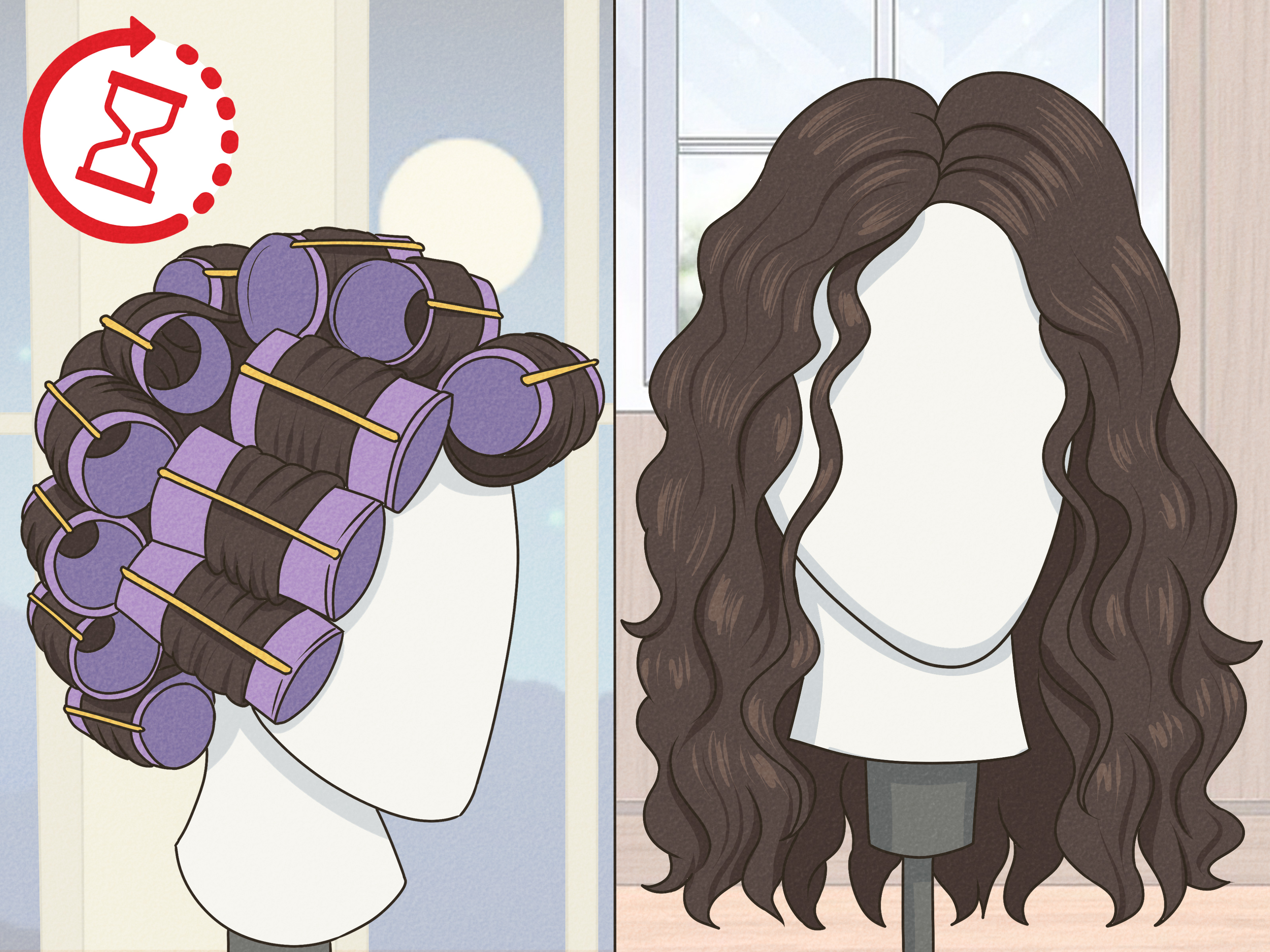
If your goal is to reshape curls rather than simply smooth frizz, rollers and hot water can help. This is a common technique for synthetic wigs because the curl forms as the fiber cools and dries around the roller. It takes time, but the results can be surprisingly polished.
How to Do It
Detangle the wig and divide it into small sections. Wrap each section around a roller, flexi rod, or perm rod. Heat water until very hot but not violently boiling, especially if you are unsure about the fiber. Dip only the rolled hair section into the hot water for a short period, keeping the cap and lace away from the water when possible. Blot gently with a towel and let the wig dry completely before removing the rollers.
Best For
This method is best for creating curls, waves, flipped ends, or smoother bend patterns in synthetic wigs. Smaller rods create tighter curls; larger rollers create softer waves and volume.
Safety Tip
Do not remove the rollers while the hair is still damp or warm. Cooling is what helps the new shape hold. Wig styling rewards patience; rushing it is how curls turn into confused noodles.
Method 6: Use Steam From a Kettle for Tiny Problem Areas
A kettle can be useful for very small areas, such as a bent bang or a flipped-out end. This is not a full-wig method. It is a spot-treatment technique, and it should be done with care.
How to Do It
Heat water in a kettle, then allow steam to rise steadily. Hold the problem section several inches away from the steam, keeping your hands protected. Move the hair through the steam briefly, then shape it with a comb or fingers. Let it cool completely.
Best For
This works for minor bends, small creases, and one or two misbehaving pieces around the face. It is not recommended for full wigs, delicate lace fronts, or very cheap synthetic costume wigs.
What Not to Do When Steaming a Wig Without a Steamer
Do not hold a synthetic wig directly over active boiling water for long periods. Do not press a hot towel against lace or glued knots. Do not use a hot iron, clothing iron, or curling wand on a standard synthetic wig. Do not brush synthetic hair aggressively while it is wet. Do not use heavy oils, thick creams, or greasy products to “fix” frizz, because they can weigh the fibers down and attract buildup.
Also, do not steam a wig and immediately throw it into a drawer. Let it dry completely on a stand. Storage matters. A wig that is steamed beautifully and then stuffed into a bag like a gym sock will not stay beautiful for long.
How Often Should You Steam a Wig?
Steam only when the wig needs it. For occasional frizz, travel creases, or shape correction, once every few weeks may be enough. If you wear the same wig daily, the nape may need light attention more often because collars, scarves, car seats, and shoulder movement create friction. However, constant steaming can shorten the life of some wigs, especially synthetic units. Rotate wigs if you can, and use a detangling spray or wig conditioner between steam sessions.
How to Keep a Wig Smooth After Steaming
After steaming, allow the wig to cool and dry fully. Then use a small amount of wig-safe conditioning spray on the mid-lengths and ends. Avoid spraying too much product near the cap, lace, or knots. Comb gently from the ends upward. Store the wig on a stand, mannequin head, or in a satin bag if space is limited.
For longer wigs, pay special attention to the nape. This area tangles first because it rubs against clothing and skin. A daily finger-comb, light mist of detangler, and smoother fabrics around the neck can reduce matting. Silkier collars are friendlier to wigs than rough wool or bulky scarves.
When Steaming Will Not Fix the Problem
Steam can improve frizz, bends, and mild stiffness, but it cannot reverse everything. If synthetic fibers are melted together, sharply kinked, crunchy, or singed, the damage may be permanent. If the wig is severely tangled, start with careful detangling and conditioning before adding steam. If the ends are beyond saving, a small trim from a stylist may be the best option.
For expensive human hair wigs, lace-front wigs, medical wigs, or custom units, professional help is worth considering. A trained wig stylist can reshape, clean, ventilate, trim, or revive the unit without guessing. Sometimes the most budget-friendly move is paying a professional before a DIY experiment becomes a “learning experience” with receipts.
Real-Life Experience: What Actually Works When You Do Not Have a Wig Steamer
In everyday wig care, the shower steam method is often the safest starting point. It is gentle, hands-free, and low-risk. If a wig comes out of a suitcase with a flat crown or bent ends, placing it on a stand in a steamy bathroom can make a noticeable difference. The key is not to expect miracles in five minutes. Let the steam soften the fibers, then guide the style gently and allow it to dry in the correct shape.
For small problem areas, pot steam can work better than bathroom steam because it is more focused. For example, if the bangs on a synthetic bob flip in the wrong direction, a few brief passes over rising steam can relax the bend enough to redirect it. The mistake many beginners make is moving too close. They think closer means faster. With wigs, closer often means disaster wearing a shiny hat. Distance gives you control.
Hot towel steaming feels especially helpful on human hair wigs that look dry after washing. A warm towel can soften the hair before styling, making it easier to comb and shape. However, this method should not become an excuse to soak the cap or lace. The hair needs the warmth; the construction does not need a spa day.
Roller setting with hot water is the most time-consuming method, but it can deliver the most dramatic result. It is useful when a straight synthetic wig needs soft curls or when flipped ends have lost their shape. The trick is to let the wig dry completely before removing the rollers. Many people remove rollers too soon, then wonder why the curl collapses. Synthetic fibers hold shape best after they cool and dry in place.
One practical lesson: most wig problems are easier to prevent than repair. Detangle the nape before it mats. Store the wig in its intended shape. Avoid oven heat, open flames, grills, and direct hot air. Do not sleep in a wig unless it is designed for that kind of wear. Use the right comb. Use light products. If the wig starts tangling more than usual, wash it gently and let it air dry before reaching for steam.
Another experience-based tip is to separate “refreshing” from “restyling.” Refreshing means smoothing frizz, relaxing a dent, or reviving movement. Restyling means changing curls, straightening, creating a new part, or altering the silhouette. Refreshing can often be done with shower steam or light pot steam. Restyling needs more control, more time, and more caution. If you try to force a major restyle with a casual steam hack, the wig may remember your decision foreverand not fondly.
Finally, always test first. Choose a hidden section near the underside or back. Apply the method for a few seconds and watch how the fiber reacts. If it softens and smooths, continue slowly. If it stiffens, shines, shrinks, or smells odd, stop. A wig gives warning signs before it fails. Listen to them. Your future self, standing in front of the mirror five minutes before leaving the house, will be deeply grateful.
Conclusion
Steaming a wig without a steamer is possible, practical, and surprisingly simple when you respect the fiber. Use shower steam for gentle refreshing, pot or kettle steam for small problem areas, warm towels for human hair softness, and hot water roller sets for curls or waves. Keep heat controlled, avoid soaking the cap, let the wig cool completely, and never rush the drying process.
The best method depends on your wig type. Human hair wigs can usually tolerate more styling flexibility. Heat-friendly synthetic wigs need low, careful heat. Standard synthetic wigs require the most caution because intense heat can permanently damage the fibers. When in doubt, go slowly, test a hidden section, and choose the gentlest method first.
A wig does not need a professional steamer to look fresh again. It needs a little steam, a little patience, and a handler who does not panic-brush it like they are late for a movie. Treat it kindly, store it properly, and your wig can keep serving face, volume, and confidence for many wears to come.