

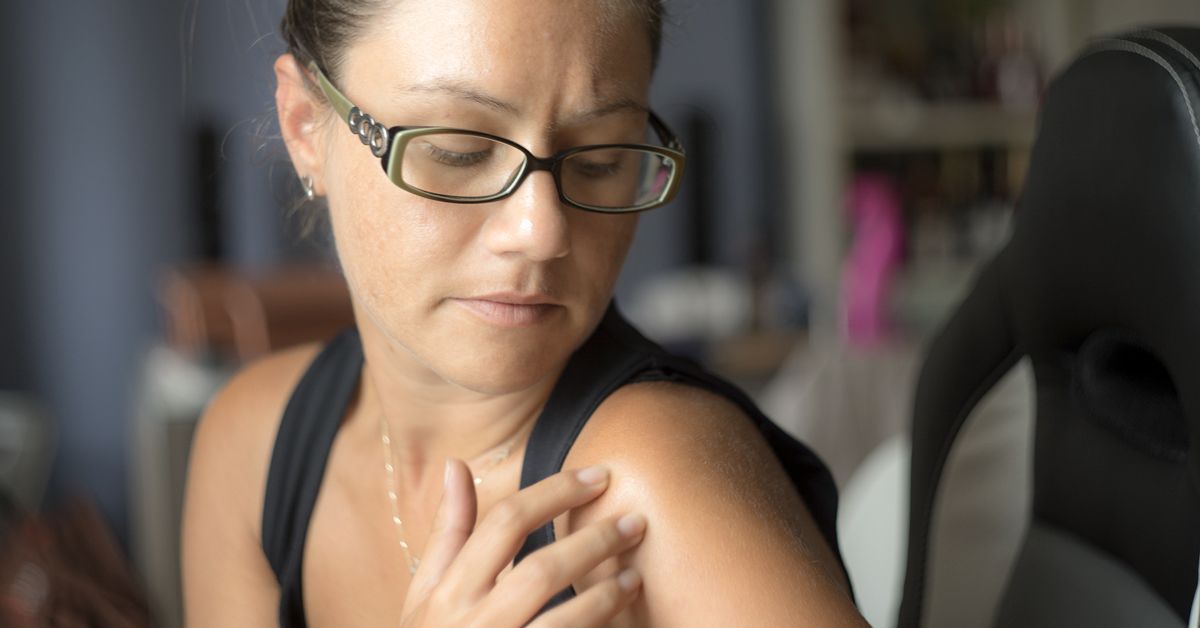
Red spots on skin can feel like your body just posted a vague status update and refused to elaborate.
Sometimes it’s harmless (hello, heat rash). Other times it’s your skin waving a tiny red flag that says,
“Please don’t ignore me.” The tricky part is that many different conditions can look similar at first glance.
This guide breaks down the most common causes of red spots, what they typically look and feel like, what you can do at
home, and when it’s time to call a clinician (or head to urgent care). It’s written for real life: busy schedules,
mystery laundry detergents, surprise stress, and that one “new” skincare product that betrayed you instantly.
First: A Quick “Spot Check” (Helpful Clues, Not a Diagnosis)
Before you panic-scroll images online at 2 a.m., use these clues to narrow down what might be going on:
- Do the spots itch? Itchy often points toward allergies, hives, eczema, contact dermatitis, insect bites, or heat rash.
- Do they hurt, burn, or feel tender? Pain and warmth can suggest infection (like cellulitis) or shingles.
- Are they raised or flat? Raised bumps can be hives, bites, folliculitis, or keratosis pilaris. Flat dots may be petechiae or a viral rash.
- Do they blanch? Press a clear glass or fingertip on the spot. If it turns pale and then returns red, that’s blanching. Spots that do not blanch (stay red/purple) can be petechiae/purpura and deserve prompt medical attentionespecially if widespread or paired with fever.
- Where are they? Location matters: skin folds and sweaty areas suggest heat rash; ring-shaped patches suggest ringworm; one-sided stripe-like rash suggests shingles.
- What changed recently? New detergent, soap, medication, supplement, food, travel, hot weather, new gym routine, or stress can all be relevant.
When Red Spots Are an Emergency
Seek urgent care (or emergency care) if red spots appear with any of the following:
- Difficulty breathing, swelling of lips/tongue/face, or faintness (possible severe allergic reaction)
- High fever, stiff neck, confusion, or rapidly worsening illness
- A rapidly spreading, painful, warm rashespecially with fever (possible cellulitis)
- Non-blanching pinpoint spots (petechiae) that are widespread, unexplained, or paired with feeling very unwell
- A painful rash near the eye, or shingles symptoms near the eye
- Blistering with significant illness, or a rash that involves eyes/mouth/genitals
Common Causes of Red Spots on Skin
Think of this section like a “most wanted” list of frequent culprits. Your exact match depends on the pattern, symptoms, and timing.
1) Hives (Urticaria): Raised, Red, Often Very Itchy Welts
Hives usually look like raised, red or skin-colored welts that can move around (one area fades, another pops up).
They often itch and can be triggered by foods, medications, infections, stress, temperature changes, or unknown causes.
What helps: Avoid the suspected trigger if you can identify it. Over-the-counter (OTC) non-drowsy antihistamines often help calm itching and swelling.
If hives come with breathing trouble or facial swelling, treat it as an emergency.
2) Contact Dermatitis: A Rash Where Something Touched Your Skin
Contact dermatitis happens when your skin reacts to an irritant (like harsh soap) or an allergen (like poison ivy, fragrance, nickel, or certain preservatives).
It often appears exactly where the exposure happenedhands, wrists, neck, under a watch band, or wherever that “fresh linen” detergent decided to start a feud.
Allergic reactions may be delayed by a day or two, which makes the trigger feel extra sneaky.
What helps: Stop the exposure, wash gently, use fragrance-free moisturizer, and consider OTC hydrocortisone for short-term itch and inflammation.
Severe, widespread, blistering, or face/genital involvement warrants medical guidance.
3) Insect Bites (Including Bed Bugs): Small Red Bumps, Often in Clusters
Bug bites can look like small red bumps or swollen itchy spots. Bed bug bites may appear in clusters or even lines on exposed skin.
(They also have the audacity to bite at night and then let you blame your “sensitive skin” in the morning.)
What helps: Cool compresses, OTC antihistamines for itch, and topical anti-itch creams can help. Avoid scratching to reduce infection risk.
If you suspect bed bugs, addressing the environment matters as much as treating the skin.
4) Heat Rash (Miliaria): Tiny Red Bumps in Sweaty Areas
Heat rash happens when sweat ducts get blocked, trapping sweat under the skin.
It often shows up in hot, humid weather or after exerciseespecially in skin folds, under tight clothing, or where friction happens.
What helps: Cool down, wear breathable clothing, take cool showers, and keep skin dry. Most cases improve once the skin cools.
If it becomes severe, very painful, or doesn’t improve, check in with a healthcare professional.
5) Cherry Angiomas: Tiny Bright-Red “Dots” That Are Usually Harmless
Cherry angiomas are small, red-to-purple bumps caused by clusters of blood vessels. They’re common and generally harmless.
People often notice them more with age, and they can bleed if scratched.
What helps: Usually nothing is required. If one bleeds frequently or you dislike how it looks, a clinician can remove it safely.
Don’t attempt DIY removalyour bathroom is not a surgical suite.
6) Petechiae or Purpura: Pinpoint Spots That Don’t Blanch
Petechiae are tiny red/purple/brown pinpoint spots caused by bleeding under the skin. Unlike many rashes, they typically do not blanch when pressed.
They can appear after intense coughing/vomiting/straining or minor trauma, but they can also signal infections or platelet/clotting issues.
On darker skin, they may be harder to see and can look brownish.
What helps: This isn’t a “try a new body lotion and hope” situation if petechiae are widespread, unexplained, or paired with fever or feeling very unwell.
Seek medical evaluation promptly to rule out serious causes.
7) Keratosis Pilaris: “Chicken Skin” Texture With Tiny Bumps
Keratosis pilaris is a common condition where dead skin cells plug hair follicles, causing tiny rough bumps (often on upper arms, thighs, cheeks, or buttocks).
It can look redder in dry seasons and may feel like sandpaper.
What helps: Gentle exfoliation (not aggressive scrubbing), moisturizing regularly, and using products with ingredients like lactic acid or urea can help smooth texture over time.
It’s harmless and often improves gradually.
8) Eczema (Atopic Dermatitis): Dry, Itchy, Inflamed Patches
Eczema often shows up as dry, itchy, inflamed patches that can look red, pink, violet, brown, or gray depending on skin tone.
Scratching can make it worse and can lead to skin infection if the barrier breaks down.
What helps: Moisturize frequently with fragrance-free creams/ointments, avoid triggers (fragrance, harsh soaps, overheating),
and use topical medications as recommended by a clinician for flares.
9) Psoriasis: Thicker, Scaly Plaques That Keep Coming Back
Psoriasis often forms well-defined, red plaques with a silvery scale. Common areas include elbows, knees, scalp, and lower back.
It can itch or burn, and it tends to be chronic (meaning it can flare and calm over time).
What helps: Many people start with topical therapiesoften corticosteroidsplus moisturizers and trigger management.
Moderate-to-severe cases may require prescription topical combos, phototherapy, or systemic medications guided by a dermatologist.
10) Folliculitis: Small Red Pus-Headed Bumps Around Hair Follicles
Folliculitis happens when hair follicles become inflamedoften from bacteria, friction, shaving, or hot tubs.
It can look like acne, with small red bumps or white-headed pimples near hairs. It may itch or feel sore.
What helps: Gentle cleansing, avoiding friction, and using appropriate cleansers can help mild cases.
More persistent or spreading cases may need prescription treatment, especially if painful or recurrent.
11) Ringworm (Tinea): Ring-Shaped Patches With Scale
Ringworm is a fungal infection (not a worm) that often appears as a ring-shaped patch with clearer skin in the middle and a scaly edge.
It can spread and may be itchy.
What helps: Antifungal creams often clear mild cases, but treatment needs to be used for the full recommended duration.
Scalp, nail, or widespread infections may require prescription oral antifungals.
12) Shingles: Painful Rash in a Stripe on One Side
Shingles usually causes a painful rash that appears in a band on one side of the body (or face).
Blisters can form and then scab over. Some people feel tingling or pain before the rash appears.
What helps: Antiviral medications work best when started early, so don’t wait it out if shingles is suspected.
A rash near the eye needs urgent evaluation to protect vision.
13) Cellulitis: Spreading Redness That’s Warm, Tender, and Worsening
Cellulitis is a bacterial skin infection that can spread quickly. The skin may look red, swollen, and feel warm and painful.
Fever can occur. This is not a “sleep on it and see” situation.
What helps: Cellulitis typically needs antibiotics. Seek medical care promptly, especially if symptoms worsen or you have fever/chills.
14) Viral Illness Rashes (Including Measles): Red Spots Plus Systemic Symptoms
Some viral illnesses cause rashes that appear with fever and other symptoms.
Measles, for example, is associated with high fever, cough, runny nose, and red watery eyes, with a rash that appears a few days after symptoms begin
and often starts on the face/hairline and spreads downward.
What helps: If red spots come with high fever or you feel very ill, contact a healthcare professional. Some infections require testing,
isolation guidance, or specific managementespecially if there are vulnerable people around you.
15) Rosacea: Facial Redness, Flushing, and Acne-Like Bumps
Rosacea mainly affects the face and often starts with flushing easily. Over time, persistent redness (or a darker hue) may develop,
sometimes with visible blood vessels and acne-like bumps. Certain triggersoverheating, spicy foods, alcohol, stresscan make flares more likely.
What helps: Identify and avoid triggers, use gentle skincare, daily sunscreen, and clinician-recommended topical or oral treatments when needed.
Treatments: What You Can Do (Safely) at Home vs. With a Clinician
Smart Home Care (Often Helpful for Mild, Non-Urgent Rashes)
- Go gentle: Use mild, fragrance-free cleanser and lukewarm water. Hot showers can worsen itch and dryness.
- Moisturize like it’s your job: Thick, fragrance-free creams/ointments support the skin barrier (especially for eczema and dry, bumpy conditions).
- Cool it down: Cool compresses can help itch, bites, heat rash, and mild inflammation.
- Avoid scratching: Easier said than donekeep nails short, consider cotton gloves at night, and treat itch early.
- OTC options (choose based on symptoms):
- Non-drowsy antihistamines for allergic itch/hives
- Short-term OTC hydrocortisone for mild inflammatory itch (avoid prolonged use on face/groin unless advised)
- Antifungal cream for classic ring-shaped ringworm rash (and use it for the full course)
When Prescription Treatment Might Be Needed
- Psoriasis: Prescription topical steroids, vitamin D analogs, phototherapy, or systemic therapy for more extensive disease.
- Eczema: Prescription anti-inflammatory creams/ointments, itch control plans, and sometimes phototherapy or systemic options.
- Folliculitis: Prescription topical or oral antibiotics/antifungals when persistent or severe.
- Shingles: Antivirals started early can reduce severity and complications.
- Cellulitis: Antibiotics are typically required; delays can increase risk of complications.
- Petechiae/purpura: Evaluation and labs may be needed to identify the cause and ensure safety.
How Clinicians Figure It Out (So You Know What to Expect)
If you see a healthcare professional, they’ll usually start with pattern recognition and a history:
when it began, what changed, symptoms (itch vs pain vs fever), and where it’s located.
Depending on the situation, they may:
- Look closely at the rash and check whether it blanches
- Ask about new medications, recent infections, travel, exposures, and allergies
- Do a skin scraping for suspected fungal infection
- Order blood tests if petechiae/purpura or systemic illness is suspected
- Swab or culture if infection is suspected
Prevention Tips (Because “Never Again” Is a Vibe)
- Patch-test new products: Try new skincare or detergents on a small area before going all-in.
- Choose fragrance-free basics: Especially if you’re eczema-prone or frequently irritated.
- Manage sweat and friction: Shower after workouts, wear breathable fabrics, and change out of damp clothes promptly.
- Don’t share razors or towels: Helps reduce infections and folliculitis spread.
- Protect your skin barrier: Moisturize regularly, especially in winter or dry climates.
- Use sunscreen daily: Helpful for rosacea and overall skin health.
Real-Life Experiences and What People Commonly Notice (About )
People often describe the “red spots on skin” experience as a mix of confusion, mild panic, and bargaining:
“If I stop using that detergent, will my arms forgive me?” The truth is, red spots can show up for very ordinary reasons,
and the story around them can be as revealing as the rash itself.
Scenario 1: The post-workout surprise. Someone finishes a workout, stays in tight, sweaty clothing a little too long,
and later notices clusters of tiny red bumps on the chest, back, or under the sports bra line. The bumps can itch or sting.
This is a classic moment for heat rash or friction irritation. What people often say is, “It came out of nowhere,” but the timingheat,
sweat, and occlusionusually tells the tale. Cooling the skin, switching to breathable fabrics, and changing quickly after exercise
often makes a big difference.
Scenario 2: The detergent plot twist. Another common experience: red, itchy patches show up exactly where clothing rubs
waistband, armpits, wrists, or neckshortly after switching detergents, fabric softeners, or lotions. The frustrating part is the delay:
allergic contact dermatitis can appear 24–48 hours after exposure, so people blame dinner, weather, or “stress” first. Once they swap back
to fragrance-free products and let the skin calm down (plus short-term OTC itch relief), the pattern often becomes obvious.
Scenario 3: “Are these bug bites?” People who travel sometimes wake up with itchy bumps in a line or cluster on exposed skin.
It’s common to hear, “But I didn’t see any bugs!” That’s the thingbed bugs aren’t trying to win a visibility contest. When bites are suspected,
treating the itch is only half the battle; checking luggage, laundering clothing on hot settings when appropriate, and addressing the sleeping environment
can prevent repeat episodes (and repeat frustration).
Scenario 4: The non-itchy dots that feel different. Some people notice pinpoint red dots that don’t itch, don’t raise,
and don’t fade when pressed. They may appear after intense coughing or vomiting, but they can also show up without an obvious trigger.
The common emotional reaction here is, “This looks… serious.” That instinct isn’t wrong to take seriously. When non-blanching spots are widespread,
unexplained, or paired with fever or feeling very unwell, people are usually glad they got checked rather than guessing at home.
Scenario 5: The chronic comeback. Conditions like eczema, psoriasis, and rosacea often come with a pattern:
long quiet periods, then flares after weather changes, stress, illness, or irritating products. People often describe learning their triggers over time
and realizing that consistent basics (gentle cleanser, moisturizer, sunscreen) do more heavy lifting than the world’s fanciest “miracle” serum.
The win is not perfection; it’s having a plan so the next flare feels manageable instead of mysterious.
Conclusion
Red spots on skin are a symptom, not a single diagnosisso the goal is to match the pattern with the most likely cause.
Many cases are mild and improve with gentle care, cooling measures, moisturizers, and targeted OTC relief.
But certain featuresnon-blanching pinpoint dots, rapidly spreading warmth and pain, high fever, facial swelling, breathing trouble,
or a painful one-sided blistering rashshould move you from “watch and wait” to “get medical care.”
If you’re unsure, that’s not a failureit’s just skin being wonderfully non-specific. When in doubt, a clinician (especially a dermatologist)
can usually identify the pattern quickly and help you treat the cause instead of playing whack-a-mole with random creams.