

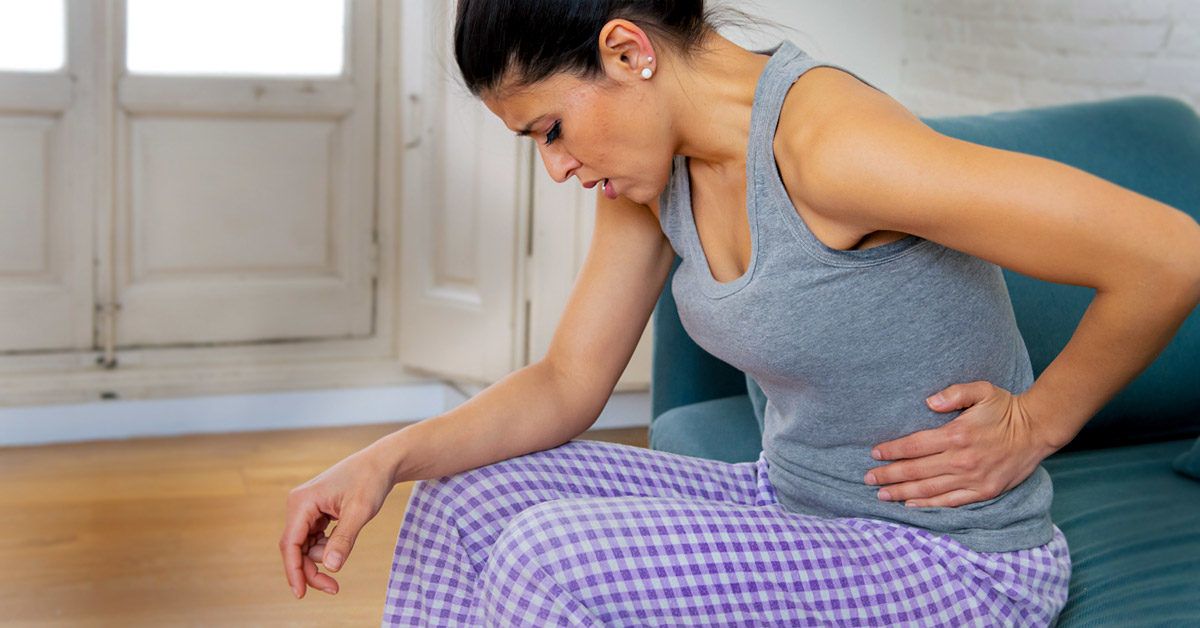
If you’ve ever tried to explain period cramps to someone who doesn’t get them, you know it can feel impossible. “It’s like a tiny dragon doing cartwheels in my uterus” is not exactly a medical description, but honestly, it’s not far off. Period cramps can range from mildly annoying to “I need to lie on the floor and rethink my life choices.”
In medical terms, painful periods are called dysmenorrhea. More than half of people who menstruate have at least some pain 1–2 days each month, especially in the teens and twenties. But what do period cramps actually feel like? How do you know what’s normal, what’s not, and when to call a doctor?
Let’s break it down in clear, real-life languageno shame, no stigma, and a little humor to get you through.
What Are Period Cramps, Exactly?
Period cramps happen when the muscles of your uterus tighten and release to help shed the lining that builds up each month. These contractions are triggered by hormone-like substances called prostaglandins. Higher levels of prostaglandins are linked to stronger, more painful cramps.
Doctors divide period pain into two main types:
- Primary dysmenorrhea: Common menstrual cramps that are not caused by another medical condition. Pain usually starts 1–2 days before bleeding or on the first day and improves after a couple of days.
- Secondary dysmenorrhea: Cramps caused by an underlying issue such as endometriosis, fibroids, adenomyosis, or pelvic inflammatory disease. This kind of pain often gets worse over time and may not respond well to typical pain relievers.
Knowing which type you might have can help you and your healthcare provider figure out the best way to manage your symptoms.
What Do Period Cramps Actually Feel Like?
The Classic “Cramping” Sensation
Most people describe period cramps as:
- Dull, aching pain low in the belly or pelvis
- Throbbing or cramping waves of pain that come and go
- Pressure or heaviness in the lower abdomen, like a tight band around your middle
Medical references describe menstrual cramps as crampy or a dull, constant ache that sometimes becomes sharp or throbbing. That lines up with what many people say: it can feel like your uterus is clenching into a fist over and over.
Where You Feel the Pain
Period pain usually starts in the lower abdomen, just above the pubic bone. But it doesn’t always stay in one place. It can:
- Spread into the lower back
- Radiate down into the hips and inner thighs
- Sometimes feel like it’s wrapping around your whole pelvis
Clinics and medical manuals consistently note that cramps can extend to the lower back and legs, not just the uterus area. So if your back and thighs ache during your period, you’re not imagining it.
How Intense Can Cramps Be?
Period cramps vary wildly from person to person (and even cycle to cycle). Some people have mild cramps that feel like background noisea little annoying, but they can still go about their day. Others experience pain intense enough to interfere with school, work, or sleep.
A helpful way to think about it is a 0–10 pain scale:
- 0–3: Mild cramps. You notice them, but a heating pad and maybe an over-the-counter pain reliever is enough.
- 4–6: Moderate cramps. You can function, but you might move slower, cancel plans, or take breaks to lie down.
- 7–10: Severe cramps. You may feel doubled over, tearful, or unable to focus on anything else. These are the kind of cramps that deserve a conversation with a healthcare professional, especially if they’re persistent.
Typical primary dysmenorrhea pain tends to peak about 24 hours after your period starts and improve after 2–3 days. If your pain lasts much longer or gets worse over time, that’s a clue to get it checked out.
Other Symptoms That Can Come With Period Cramps
Period cramps rarely travel alone. Thanks to prostaglandins and hormone shifts, you might notice other symptoms along for the ride, such as:
- Nausea or even vomiting
- Diarrhea or loose stools
- Bloating or gassiness
- Headaches or migraines
- Dizziness or faintness
- Fatigue or feeling totally wiped out
- Low back pain
These symptoms are commonly reported in people with menstrual cramps and are mentioned in multiple medical sources. They’re uncomfortable, but they can still be part of a “typical” period pattern.
That said, if you have very heavy bleeding along with severe pain, or if your symptoms suddenly change, it’s important not to ignore that (more on red flags in a moment).
What’s Normal Period Pain vs. a Warning Sign?
Some discomfort is common. But “painful” and “unbearable” are not supposed to be synonyms.
Signs Your Cramps Are Probably Typical
- Pain starts a day or so before your period or on day one.
- Pain improves within 2–3 days of bleeding.
- Over-the-counter medications (like ibuprofen or naproxen), rest, and heat help enough that you can still function.
- You’ve had a similar pattern for a while, without sudden major changes.
Red Flags: When to Talk to a Healthcare Professional
It’s a good idea to see a doctor, nurse practitioner, or OB-GYN if:
- Your cramps are severe and don’t get better with over-the-counter pain relievers or heat.
- Pain lasts longer than a few days or you have pelvic pain at other times in your cycle.
- Your periods become much more painful over time or suddenly change.
- You have very heavy bleeding (e.g., soaking through a pad or tampon every hour for several hours).
- You notice pain during sex, pain with bowel movements or urination during your period, or spotting between periods.
These symptoms can be related to conditions like endometriosis, fibroids, adenomyosis, or pelvic inflammatory disease. They’re treatable, but they usually don’t improve by just “toughing it out.”
If you ever have sudden, severe pelvic pain, fever, or feel very unwell, seek urgent or emergency care. This article can give you general information, but it can’t diagnose youthat’s a job for a healthcare professional who can examine you in person.
How to Cope With Period Cramps
Good news: even if cramps are common, you don’t have to simply suffer through them. There are several strategies that research and clinical guidelines support.
Heat: The Classic Uterus Hug
Heating pads, hot water bottles, and stick-on heat wraps can relax the uterine muscles and improve blood flow, which helps reduce pain. Studies suggest that continuous low-level heat can be as effective as some pain medicines for mild to moderate cramps.
Try placing a heating pad over your lower abdomen or lower back for 15–20 minutes at a time (or as directed by the product). Just avoid sleeping with a very hot pad directly on your skin to prevent burns.
Over-the-Counter Pain Relievers
Nonsteroidal anti-inflammatory drugs (NSAIDs) such as ibuprofen or naproxen are often recommended because they reduce prostaglandin productionthe chemical messengers that make your uterus contract. They usually work best if you start them at the very first sign of cramping or just before your period starts, as directed on the label.
Always follow package instructions and talk with a healthcare professional if you have kidney problems, stomach ulcers, are on blood thinners, or have other health conditions.
Movement and Gentle Exercise
Working out might be the last thing you feel like doing when you’re cramping, but moderate exerciselike walking, yoga, stretching, or light cyclingcan help release endorphins (your body’s natural pain-relief chemicals) and reduce pain. Even 20–30 minutes of gentle movement can make a difference.
Other Helpful Habits
- Rest and sleep: Your body is doing a lot; giving it extra rest can help you cope better with pain.
- Hydration: Staying hydrated may reduce bloating and help you feel less sluggish.
- Lighter meals: Some people find that smaller, less greasy meals are easier on the stomach when cramps come with nausea or digestive issues.
- Relaxation techniques: Deep breathing, meditation, or a warm bath can help lower overall tension, which may make pain more manageable.
If home strategies aren’t cutting it or your pain is severe, talk with a healthcare professional. They might discuss options like hormonal birth control, other medications, or further testing depending on your situation.
How to Explain Period Cramps to Someone Who Doesn’t Get Them
Trying to describe cramps to a partner, friend, or coworker who has never had a period can be… entertaining. Here are a few relatable ways people often explain the feeling:
- “It’s like really bad gas cramps, except in your uterus.”
- “Imagine your stomach clenching into a fist every few minutes.”
- “It’s like someone is wringing out your insides like a towel.”
- “It feels like a pressure balloon in my lower belly that keeps inflating and deflating.”
You can also talk about the impact, not just the sensation: maybe you’re more tired, move more slowly, or need a heating pad and comfy clothes. Normalizing that periods can affect energy levels and comfort helps others understand why you might need flexibility or support.
500-Word Experience Section: Real-Life Perspectives on Period Cramps
Facts are helpful, but sometimes what you really want to know is, “Okay, but what does this actually feel like in real life?” While everyone’s body and pain tolerance are different, many people share surprisingly similar themes when they talk about period cramps.
1. The “Background Hum” Cramps
For some people, cramps feel like a dull hum in the background. They notice a steady ache low in the belly, but they can still go to work, go to school, or run errands. They might feel a little more tired and reach for a heating pad in the evening, but they’re not totally knocked out. These cramps tend to hover around the mild to moderate rangeannoying but not life-stopping. A lot of people in this group say things like, “I’m fine, I just don’t want to do anything extra.”
2. The “Wave” Cramps
Others describe their period pain as coming in waves. They’ll feel okay for a bit, and then suddenly a strong cramp rolls in like a wave hitting the shore. During those moments, they might have to pause what they’re doing, lean on a desk or counter, or take deep breaths until the cramp passes. These waves of pain can last from a few seconds to a couple of minutes and may repeat every so often. When people talk about being “doubled over” with cramps, this is usually what they mean.
3. The “Back and Thigh” Cramps
Not all period pain sits neatly in the front of the pelvis. Some people mainly feel it in their lower back, almost like a tight, deep ache right over the spine or across the hips. Others feel pain down the front or inner parts of their thighs, making walking or climbing stairs uncomfortable. You can think of it as your uterus sharing the misery with surrounding nerves. If you’ve ever had back cramps plus leg soreness at the same time, you know it can make you want to stay in one exact position and not move.
4. The “Whole-Body” Cramps
For some, cramps don’t show up alonethey bring a whole entourage. Along with the uterine pain, they might get headaches, nausea, or diarrhea; they may feel lightheaded if they stand up too quickly or just generally “off.” On these days, a person might feel like their body has switched into low-power mode. They might cancel social plans, work from home if possible, or build in extra rest because everything feels like it takes more effort.
5. The “Something Isn’t Right” Cramps
Then there are cramps that feel different from your usual pattern: sharper, more intense, longer lasting, or paired with much heavier bleeding or pain throughout the monthnot just during your period. People in this situation often describe feeling frustrated because others may brush it off as “just bad cramps,” but their gut tells them something is wrong. These are the cramps that deserve attention from a healthcare professional, especially if they interfere with daily life on a regular basis.
6. Emotional and Mental Effects
It’s also worth mentioning that pain doesn’t just live in the body. When cramps are severe or ongoing, they can affect your mood and mental health. Feeling uncomfortable for several days each month can make you irritable, anxious about upcoming periods, or discouraged when you have to miss activities. It’s completely valid to feel annoyed, sad, or exhausted by pain that keeps returning. Recognizing that impact is importantit’s not “being dramatic,” it’s acknowledging the full picture.
7. You Don’t Have to “Earn” Help
No matter where you fall on the spectrumfrom mild twinges to intense monthly painit’s okay to take your cramps seriously. You don’t have to prove that your pain is “bad enough” to deserve help. If cramps regularly interfere with school, work, relationships, sleep, or your ability to enjoy life, that’s a good reason to bring them up with a healthcare professional. Support, treatment options, and better comfort are all things you’re allowed to ask for.
The bottom line: period cramps are hugely common, but that doesn’t mean you have to suffer in silence. Understanding what they feel like, what’s normal, and when to get help can make your cycle more predictableand hopefully a lot more manageable.