

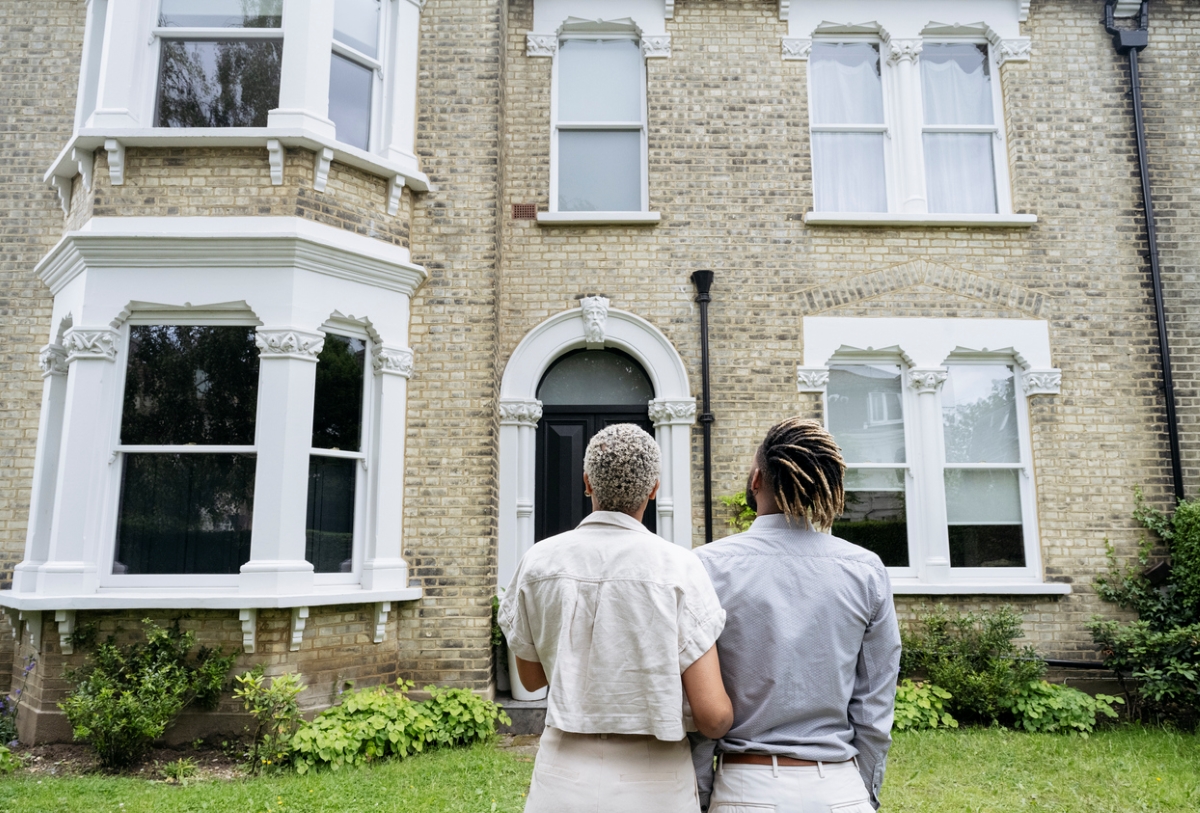
Remodeling an old house is a bit like opening a dusty novel and realizing the margins are full of secret notes. Under the shag carpet may be oak flooring. Behind a bland drywall box may be a brick fireplace. Beneath six layers of paint may be hardware so charming it makes modern knobs look like they came from a vending machine.
But old-house remodeling also asks a serious question: which features should you keep, and which ones should you replace? The answer is not “save everything” or “gut it and start fresh.” The smartest approach is to identify the parts that give the house its soul, preserve what is durable and distinctive, and update the systems that make the home safe, efficient, and comfortable.
Whether you own a Victorian, Craftsman bungalow, Colonial, farmhouse, midcentury ranch, or a lovable mystery box with “interesting” wiring, this guide will help you remodel with confidence instead of panic-buying a dumpster.
The Golden Rule: Preserve Character, Modernize Function
The best old-house remodels do not freeze a home in time. They let the house live another chapter. That means keeping character-defining features while upgrading the parts that no longer serve modern life.
Character-defining features are the details people remember after visiting: original wood floors, arched doorways, wavy glass, built-in cabinets, stair railings, plaster walls, fireplace mantels, pocket doors, transom windows, wide trim, old doors, porch columns, and exterior siding profiles. These are not decorative leftovers. They are the architectural fingerprints of the house.
Modern function, on the other hand, includes the less romantic but very important things: safe electrical wiring, sound plumbing, a solid roof, dependable heating and cooling, healthy indoor air, lead-safe renovation practices, moisture control, and kitchens and bathrooms that do not make you question your life choices before coffee.
Features You Should Usually Keep
1. Original Hardwood Floors
If your old house has original hardwood floors, pause before replacing them. Many older floors were made from old-growth wood, which is often denser and richer in grain than much of today’s readily available lumber. The scratches, small gaps, and color variation are not flaws; they are the floor’s autobiography.
Refinishing is usually worth exploring if the boards are thick enough, mostly sound, and not severely damaged by water or rot. Even when some areas are rough, a skilled flooring professional can often patch sections with matching wood, use Dutchman repairs, or blend new boards into old ones. Replacement should be a last resort when boards are too thin from repeated sanding, badly cupped, structurally weak, or missing across large areas.
Tip: Do not aggressively sand historic floors just to make them look brand-new. A gentle refinish, screen-and-coat, or matte finish often respects the age of the wood better than turning it into a glossy bowling alley.
2. Wood Windows and Wavy Glass
Old wood windows get blamed for drafts, rattles, and winter drama, but many are far more repairable than modern replacement units. A traditional window can often be restored with reglazing, weatherstripping, sash cord repair, paint removal, and storm windows. If the original glass has waves, bubbles, or subtle distortion, that is not a defect. That is charm with a view.
Energy efficiency matters, of course. But replacement is not the only path. Interior or exterior storm windows, air sealing, and proper maintenance can improve comfort while keeping the historic appearance. If the windows are severely rotted or missing, replacement may be necessary, but match the original proportions, muntin patterns, materials, and depth as closely as possible.
Old windows are the eyes of the house. Choose carefully before giving them a full face transplant.
3. Original Doors and Hardware
Solid wood doors with raised panels, inset glass, original hinges, mortise locks, brass knobs, glass knobs, or backplates are almost always worth saving. Modern hollow-core doors may be practical, but they rarely have the weight, detail, or satisfying “thunk” of a century-old door closing properly.
Hardware can often be cleaned, polished, repaired, or matched through architectural salvage shops. A missing knob is not a reason to replace the entire door. That is like throwing away a vintage car because the cupholder is cranky.
Keep original front doors whenever possible, especially if they define the style of the house. Add weatherstripping, repair joints, reinforce locks, and restore the finish. You can improve security and performance without replacing the personality.
4. Millwork, Trim, Crown Molding, and Baseboards
Original millwork is one of the biggest reasons old homes feel warm and human. Wide baseboards, crown molding, picture rails, chair rails, door casings, window trim, wainscoting, and stair brackets were often custom-made for the house. Once removed, they are difficult and expensive to recreate accurately.
If trim is buried under many layers of paint, you can strip, repair, repaint, or selectively restore it. If some pieces are missing, a carpenter or millwork shop can copy the profile. If the wood is not fancy, it still matters because its proportions belong to the room.
Before removing trim for insulation, wiring, or drywall work, ask whether the same goal can be achieved less invasively. Old rooms can lose their graceful proportions when trim disappears or walls are built out too far.
5. Plaster Walls and Ceilings
Plaster walls are often thicker, harder, and better at sound dampening than drywall. They also carry the subtle irregularities that make old rooms feel alive. If the plaster is cracked but still attached, repair may be better than demolition.
Common plaster fixes include reattaching loose plaster with plaster washers or adhesive systems, patching cracks, repairing keys, and skim coating. Full replacement may be needed when plaster is badly detached, water-damaged, contaminated, or crumbling beyond repair. But do not assume every crack means disaster. In old houses, a crack can be a sentence, not a death certificate.
6. Fireplaces, Mantels, and Tile Surrounds
Even when a fireplace no longer burns wood safely, its mantel and surround can be one of the most important visual anchors in the room. Original stone, brick, cast iron, carved wood, marble, or tile tells you a lot about the home’s era and style.
Have chimneys and fireboxes professionally inspected before use. If the fireplace cannot function as originally intended, it can still remain as an architectural feature. Consider a sealed decorative firebox, electric insert, candle display, or carefully designed gas conversion where appropriate and code-compliant.
Do not paint original tile or stone just because a trend says everything must be beige. Trends move fast. Historic tile sits there quietly saying, “I was here before your Pinterest board.”
7. Staircases, Railings, and Newel Posts
Original staircases are often major character-defining elements. Railings, balusters, newel posts, treads, and landings can show craftsmanship that would be costly to duplicate today. Unless the stair is unsafe or badly altered, work with it.
Loose railings can be tightened. Worn treads can be repaired. Painted balusters can be stripped or repainted. If codes require updates, try to make changes in a way that preserves the original configuration and visual rhythm.
A staircase is not just a way to get upstairs. In an old house, it is often the spine of the interior.
8. Built-Ins, Hutches, Window Seats, and Butler’s Pantries
Built-ins are the storage solution that modern homes keep trying to reinvent. Bookcases, dining room hutches, linen cabinets, window seats, kitchen cupboards, medicine cabinets, and butler’s pantries bring both function and charm.
Instead of removing them because they do not fit your current routine, rethink their purpose. A butler’s pantry can become a coffee bar. A telephone niche can become a charging station. A built-in dining hutch can store glassware, board games, craft supplies, or all the mugs you keep pretending you will stop buying.
Paint, lighting, new shelving, repaired drawers, and updated hardware can make built-ins feel useful again without erasing their history.
9. Porches, Columns, Railings, and Exterior Trim
The exterior of an old house tells the neighborhood what kind of house it is. Porches, brackets, columns, cornices, wood siding, shingles, shutters, railings, and decorative trim are crucial to curb appeal.
Repair original wood siding and trim where possible. If replacement is necessary, match the profile, reveal, thickness, and texture. Vinyl or aluminum siding installed over old materials can hide damage, trap moisture, and flatten the architectural detail. Sometimes the most valuable exterior feature is hiding under a later “maintenance-free” cover-up that, ironically, has created more maintenance.
Porches deserve special attention. They are social architecture: a handshake between the house and the street. Keep their proportions, rooflines, posts, and railing details whenever possible.
Features You Can Reimagine Instead of Remove
Transom Windows and Interior Glass
Transom windows, interior glass doors, leaded glass, and stained glass can bring borrowed light into dark rooms. Even if they no longer operate, they can remain beautiful and useful. Repair hardware, clean glass carefully, and design around them rather than covering them.
Radiators and Decorative Registers
Old radiators and decorative metal grilles can be surprisingly handsome. If the heating system still works, radiators can be cleaned, painted, and incorporated into the design. If a system is removed, consider saving ornate grilles or registers for reuse as decorative panels.
Vintage Tile and Cast Iron Tubs
Old bathroom tile, especially if it is in good condition, can be worth preserving. Classic hex tile, subway tile, colorful borders, and mud-set floors often outlast newer materials. Cast iron tubs can often be reglazed and fitted with new plumbing fixtures.
However, if tile is cracked because of structural movement, plumbing leaks, or failing substrate, repair the underlying issue first. Pretty tile cannot save a soggy wall.
What You Should Usually Replace or Upgrade
Unsafe Electrical Systems
Knob-and-tube wiring, overloaded panels, ungrounded outlets, brittle insulation, and amateur electrical work should be evaluated by a licensed electrician. Some historic wiring can remain in specific circumstances, but modern living demands safe capacity for appliances, HVAC, computers, chargers, and lighting.
Keep the antique light fixture if it can be rewired safely. Replace the dangerous wiring feeding it. That is the difference between preservation and denial.
Failing Plumbing
Old galvanized pipes, leaking drain lines, corroded supply lines, and outdated fixtures can cause expensive damage. Plumbing hidden inside walls deserves attention before you invest in finishes. A restored bathroom is less exciting when the ceiling below it becomes a decorative waterfall.
Hazardous Materials
Homes built before 1978 may contain lead-based paint. Older homes may also contain asbestos in certain flooring, insulation, adhesives, siding, or pipe wrap. Do not sand, scrape, demo, or disturb suspicious materials casually. Test first and hire qualified professionals when required.
Preservation should never come at the cost of health. The goal is to keep the old-house magic, not inhale it.
Bad Past Renovations
Not everything old is original, and not everything original is sacred. Many old houses have been through awkward phases: dropped ceilings, fake paneling, low-quality cabinets, bulky soffits, plastic shutters, mismatched windows, cheap trim, and “updated” bathrooms that look like they were designed during a tile clearance event.
If a feature is poorly built, historically inappropriate, or actively hiding better original details, removing it can improve the house. The trick is to distinguish authentic character from later clutter.
A Practical Keep-or-Replace Checklist
Before you decide the fate of any feature, ask these questions:
- Is it original or historically appropriate? Original and period-appropriate features deserve extra consideration.
- Does it define the style of the house? A Craftsman built-in, Victorian stair rail, or Colonial mantel may be central to the home’s identity.
- Is it repairable? Repair is often more sustainable and authentic than replacement.
- Is it safe? Beauty does not override structural, fire, electrical, or health hazards.
- Will removal reduce value? Buyers often love old homes because of the details, not despite them.
- Can modern performance be added discreetly? Weatherstripping, storm windows, insulation, and mechanical upgrades can often improve comfort without erasing character.
- Can it be reused elsewhere? If a door, cabinet, sink, or hardware piece cannot stay in place, it may still have a second life.
How to Blend Old and New Without Making the House Look Confused
The secret to remodeling an old house is not forcing every new addition to look fake-old. In many cases, the best design lets original features remain original and new work remain honest, simple, and compatible.
Use quiet modern finishes around ornate old details. Let wood trim, fireplaces, staircases, and built-ins be the stars. Choose paint colors that work with warm wood, brick, stone, and aged metal instead of fighting them. When adding cabinets, lighting, or tile, study the scale and proportions of the house. A giant ultra-modern island can work in some homes, but in others it may look like a spaceship parked in a parlor.
Also, document everything before demolition. Take photos, label trim pieces, save hardware in bags, measure profiles, and check behind later finishes carefully. Old houses like to hide surprises. Some are expensive. Some are wonderful. Occasionally, they are both.
Experience-Based Lessons From Remodeling Old Houses
Ask anyone who has remodeled an old house, and they will usually laugh before answering. Not because it is easy, but because old houses have a theatrical sense of timing. You plan to paint a bedroom, and suddenly you are learning about plaster keys, window weights, and why someone in 1968 thought orange carpet belonged in a hallway.
One common experience is discovering that the “ugly” part of a house is often just a disguise. A room with low acoustic ceiling tiles may have tall plaster ceilings above. A wall covered in fake paneling may hide original beadboard. Carpet that looks like it witnessed three family dogs and one fondue party may be protecting hardwood floors underneath. The lesson is simple: investigate before you demolish. Start with small test areas in closets, corners, or behind removable panels. Curiosity is cheaper than regret.
Another lesson is that repair often takes more patience than replacement, but the result can feel richer. Restoring a sticky old door, for example, may involve adjusting hinges, planing a swollen edge, cleaning the lockset, and adding weatherstripping. Replacing it might be faster, but the new door may never fit the room visually. The old door carries weight, grain, and proportion that belong to the house. When it finally swings smoothly again, it feels less like a repair and more like the house saying thank you.
Budgeting is another reality check. Old-house projects rarely follow a perfect spreadsheet. Hidden water damage, outdated wiring, uneven framing, and previous DIY “solutions” can appear without invitation. A wise homeowner creates a contingency fund and prioritizes invisible essentials before cosmetic upgrades. It is tempting to spend first on tile, paint, and lighting, but roofs, foundations, drainage, electrical panels, and plumbing are the real heroes. No one compliments a properly vented bathroom fan at dinner, but they should.
Homeowners also learn that every saved feature needs a plan. Keeping original windows is smart, but they may need storms, reglazing, paint stabilization, and sash repair. Keeping plaster is wonderful, but cracks should be evaluated and repaired correctly. Keeping a fireplace mantel is easy; making the chimney safe is professional work. Preservation is not passive. It is active care.
Finally, the most satisfying old-house remodels usually come from restraint. You do not have to expose every brick wall, strip every surface, or turn the home into a museum. A livable old house can have modern appliances, comfortable furniture, efficient systems, and fresh paint. The magic happens when those updates support the original architecture instead of shouting over it. Keep the details that make the house unmistakably itself. Replace what threatens safety, comfort, or long-term durability. And when in doubt, slow down. Old houses have waited decades for the right decision; they can wait one more weekend while you think.
Conclusion
Remodeling an old house is not about choosing between history and comfort. It is about making them shake hands. Keep the features that define the home’s character: wood floors, original windows, doors, hardware, millwork, plaster, fireplaces, staircases, built-ins, porches, and exterior trim. Repair them when possible, restore them with care, and let their age be part of their beauty.
At the same time, do not romanticize unsafe or failing systems. Electrical, plumbing, roofing, drainage, lead paint, asbestos, structural issues, and moisture problems deserve serious attention. The best remodel is one that protects both the house and the people living in it.
An old house does not need to become new to become better. It needs thoughtful stewardship, smart upgrades, and a homeowner willing to see value in the details that cannot be ordered overnight. Save the soul. Fix the bones. Then enjoy the creaks, quirks, and craftsmanship that made you fall in love with the place in the first place.