

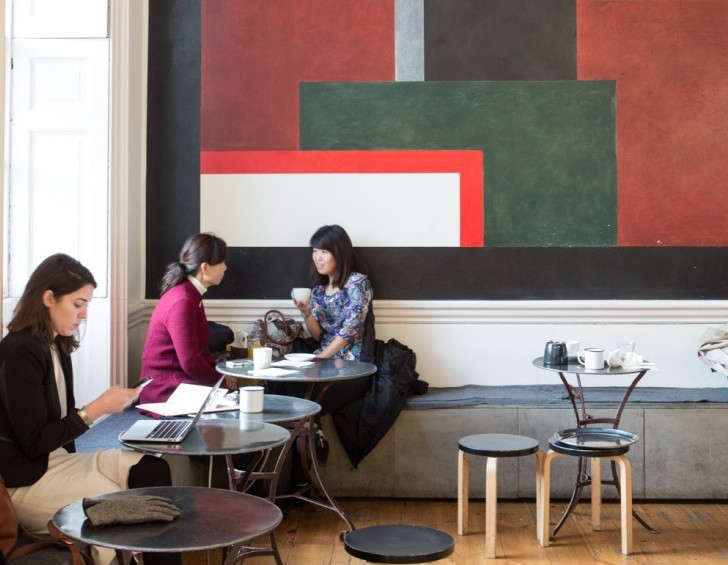
There are cookbooks that teach you how to cook, and then there are cookbooks that quietly rearrange how you think about breakfast, lunch, dinner, coffee, wine, chairs, windows, toast, and the emotional importance of a very good sandwich. Rustic: Simple Food and Drink, from Morning to Night, from Fernandez & Wells, belongs to the second group.
Why This Cookbook Still Feels Fresh
At first glance, a cookbook from a beloved London restaurant might sound like a souvenir: lovely photos, charming stories, maybe a recipe that requires three specialty ingredients and the patience of a monk. But Rustic is not that kind of book. Written by Fernandez & Wells founders Jorge Fernandez and Rick Wells, it captures a way of eating that feels both polished and completely unfussy. It is the culinary equivalent of a linen shirt: relaxed, attractive, and somehow better when slightly rumpled.
The cookbook grew out of the Fernandez & Wells cafés and food bars, which became known for simple menus, serious ingredients, good coffee, European wines, cured meats, cheese, sandwiches, cakes, and a design sensibility that made every table feel like part of a larger visual composition. The subtitle, Simple Food and Drink, from Morning to Night, is not decorative. It is the operating system of the book.
Instead of chasing culinary fireworks, the book celebrates dishes that depend on restraint: bread with character, tomatoes that taste like tomatoes, eggs with personality, sardines that do not apologize for being sardines, and cakes that are sweet enough to feel generous but not so sugary that your teeth file a formal complaint.
The Restaurant Behind the Book
Fernandez & Wells began as a small, ingredient-driven London idea: serve excellent food and drink without fuss, and let quality do the heavy lifting. The founders brought together Spanish, British, and broader European influences, then placed them inside spaces that felt curated but not precious. Their locations, especially the artful Somerset House setting, helped the brand become more than a place to grab lunch. It became a mood.
The Somerset House branch was especially memorable because it joined food with architecture and contemporary art. High ceilings, grand rooms, old fireplaces, clean shelving, simple counters, and bold wall drawings created a restaurant that felt less like a commercial food space and more like a cultural room that happened to understand the importance of toast. Artist David Tremlett’s wall work gave the space warmth and energy, while the building itself added historical gravity. That is a lot of responsibility for a sandwich, but Fernandez & Wells carried it well.
A Restaurant That Treated Simplicity as Design
Many restaurants claim to be simple. Often this means the menu has fewer words but the bill still arrives wearing tap shoes. Fernandez & Wells practiced a more useful kind of simplicity. A board might list a few carefully chosen options. A counter might display cakes, cheese, bread, or charcuterie without theatrical garnish. A glass of wine might be poured beside something salty and satisfying. The experience felt edited, not empty.
That editorial instinct is what makes Rustic so compelling. The book is not merely a collection of recipes. It is a translation of atmosphere into home cooking. You can feel the café logic behind it: feed people well throughout the day, avoid unnecessary complication, and make every detail earn its seat at the table.
What Makes Rustic Different from Other Restaurant Cookbooks?
The best restaurant cookbooks do not try to turn your kitchen into a professional brigade. Nobody wants to julienne despair at 8:45 p.m. on a Tuesday. Rustic understands that the home cook wants flavor, rhythm, and confidence. Its recipes are organized around the natural shape of the day, moving from morning coffee and breakfast through lunch, tea, supper, and drinks.
This structure matters because it makes the book feel usable. You do not open it and think, “What grand culinary project shall I undertake?” You think, “What would be good right now?” That question is where real cooking begins.
Morning: Coffee, Eggs, Bread, and the Joy of Not Overthinking
The morning spirit of the book is grounded in good coffee, honest bread, eggs, yogurt, fruit, and baked things that make a kitchen smell like someone has their life together. Even when you absolutely do not. There is a strong sense that breakfast should be nourishing but not fussy. A piece of toast with the right topping can feel more luxurious than a complicated brunch tower leaning under the emotional weight of hollandaise.
Midday: Sandwiches with Standards
Fernandez & Wells helped elevate the sandwich from lunchbox filler to serious meal. In Rustic, the sandwich is treated with respect. The bread matters. The fat matters. The acidity matters. The salty thing matters. The leaves, if present, are not decorative confetti; they have a job.
A good sandwich in this world might involve chorizo, peppers, arugula, cured ham, cheese, sardines, aioli, or tomatoes with garlic and sea salt. The lesson is not that you need rare ingredients. The lesson is that ordinary formats become memorable when every element has flavor and purpose.
Afternoon: Cakes That Know When to Stop
The book’s tea-time personality may be its most charming feature. Fernandez & Wells cakes are not the over-frosted skyscrapers of bakery-window drama. They are the kind of cakes one imagines wrapping in a napkin, carrying in a bag, and eating later with unreasonable happiness. Madeleines, orange cake, olive oil cake, and other simple bakes show how restraint can be more seductive than excess.
Evening: Wine, Small Plates, and the Art of Lingering
As the day moves toward evening, Rustic becomes more wine-bar than café. The tone shifts toward shared plates, cured meats, cheese, cooked vegetables, stews, salads, and food that invites conversation. This is not dinner as performance. It is dinner as hospitality. Put something good on the table, pour something appropriate, and allow people to settle in.
The Ingredient Philosophy: Buy Better, Do Less
The guiding principle of the cookbook is beautifully dangerous: buy better ingredients and do less to them. Dangerous because once you learn this, it becomes harder to tolerate sad bread, watery tomatoes, or cheese that tastes like a rumor. Beautiful because it makes cooking feel calmer.
Instead of asking home cooks to master complicated restaurant techniques, the book asks them to pay attention. Is the bread good? Is the olive oil lively? Are the eggs fresh? Is the cured meat worth building a plate around? Does the cake need more sugar, or does it need better fruit? These are small questions with big consequences.
This approach works especially well for modern home cooks because many people want meals that feel special without becoming full-time projects. A rustic tomato salad, a tortilla with caramelized onions, a sardine toast, a simple soup, or a cake with fruit can create the feeling of a restaurant meal without requiring a reservation, a babysitter, or shoes that hurt.
Design Lessons from the Most Artful Restaurant Cookbook
Because Fernandez & Wells was closely associated with beautiful spaces, Rustic also reads like a quiet design manual. The photographs are not just illustrations of finished food. They build an atmosphere: morning light, wood, stone, counters, bottles, boards, bread, paper, cups, and plates that look used rather than staged into silence.
Lesson 1: White Space Is an Ingredient
The book’s visual restraint mirrors its recipes. Pages have room to breathe. Food is not crowded. Instructions feel spare. This is not laziness; it is confidence. In cooking and design, too much decoration can signal insecurity. Fernandez & Wells understood the power of letting one beautiful thing stand alone.
Lesson 2: Texture Beats Flash
Rustic food depends on texture: crusty bread, soft eggs, oily fish, tender cake, crisp leaves, silky cheese, and the occasional chewy edge that makes you pause mid-sentence. The restaurant spaces had the same sensibility: stone, plaster, wood, glass, metal, paper, and art. Nothing needed to shout. The materials did the talking.
Lesson 3: Food Tastes Better in a Room with Character
A meal is never only flavor. It is also light, sound, surface, company, and timing. The genius of Fernandez & Wells was recognizing that a cup of coffee or a plate of ham could feel elevated when served in the right environment. The cookbook carries that lesson home: set a table, choose a plate, slice bread properly, and suddenly lunch has posture.
Who Should Read This Cookbook?
Rustic is ideal for readers who love restaurant culture but do not want restaurant-level complication. It suits home cooks who appreciate Mediterranean flavors, British café culture, Spanish ingredients, good bread, coffee, wine, and the kind of meal that can stretch from “just a bite” into “how is it already 10 p.m.?”
It is also a strong choice for design-minded readers. Some cookbooks are kept in the kitchen and splattered into service. Others live on coffee tables looking important but untouched, like decorative graduate students. Rustic can do both. It is handsome enough to browse and practical enough to cook from, which is a rare and useful combination.
Best For
- Home cooks who like simple, ingredient-led recipes.
- Fans of London cafés, wine bars, and restaurant design.
- Readers who enjoy cookbooks with photography and atmosphere.
- People who believe toast deserves more respect.
- Anyone building a cookbook shelf around timeless, usable food rather than trend-chasing.
Signature Ideas to Borrow from Fernandez & Wells
You do not need to recreate the restaurant to cook in its spirit. Start with a few habits.
Build a Better Toast
Use sturdy sourdough or country bread. Toast it until the edges are crisp but the center still has chew. Add butter, aioli, olive oil, tomatoes, sardines, cured meat, cheese, or roasted vegetables. Finish with salt, pepper, herbs, or lemon. Congratulations: you have made dinner without negotiating with a delivery app.
Serve Cake Without Drama
A simple cake can be more memorable than a complicated dessert. Try citrus, olive oil, almond, apple, or spice. Keep the texture moist, the sweetness moderate, and the serving style casual. A slice on a plain plate with coffee is often enough.
Think Like a Wine Bar
Dinner does not always need a main course. A board of cheese, cured meat, pickles, bread, olives, salad, and one warm dish can feel abundant. This style is especially good for guests because it allows people to eat at their own pace and pretend they are relaxed Europeans, even if everyone arrived in traffic.
Let the Day Decide the Menu
The morning-to-night structure of Rustic encourages a flexible way of cooking. Instead of forcing meals into categories, ask what the hour wants. Morning wants coffee and comfort. Noon wants something sturdy. Afternoon wants a small reward. Evening wants warmth, salt, wine, and conversation.
Why the Cookbook Has Lasting SEO-Worthy Appeal
From an SEO perspective, the subject has a durable cluster of search interest: London restaurant cookbook, Fernandez & Wells cookbook, Rustic cookbook review, simple food and drink recipes, artful restaurant design, Somerset House café, and best restaurant cookbooks. But its appeal is not merely keyword-based. The topic works because it sits at the intersection of food, design, travel, lifestyle, and home cooking.
Readers searching for cookbooks often want more than recipes. They want a new way to live in their kitchen. They want better lunches, calmer dinners, prettier tables, and a feeling that everyday food can be meaningful without becoming exhausting. Rustic answers that desire with quiet authority.
It also speaks to a larger trend: the return of honest, ingredient-forward cooking. In an age of viral food stunts, neon desserts, and recipes engineered to cause emotional damage on social media, a cookbook that says “buy good bread and put something excellent on it” feels almost revolutionary. A delicious revolution, thankfully, with snacks.
Conclusion: A Cookbook Worth Reading, Cooking From, and Leaving on the Table
Required Reading: A Cookbook from London’s Most Artful Restaurant is more than a catchy title. It describes why Rustic remains worth attention. The book captures the spirit of Fernandez & Wells at its best: simple food, thoughtful design, serious ingredients, good coffee, European wine, and the confidence to let small pleasures shine.
Its real gift is permission. Permission to cook less frantically. Permission to serve toast for dinner if the toast is excellent. Permission to make cake that does not require architectural support. Permission to treat lunch as something better than a desk-based survival tactic. And permission to believe that a cookbook can be both beautiful and useful.
For readers who love London, restaurant culture, design, and approachable cooking, Rustic is not just a cookbook. It is a reminder that the best meals often begin with a few good ingredients, a clear idea, and a table where people actually want to stay.
Extended Experience: Living with the Fernandez & Wells Way at Home
The most interesting thing about a cookbook like Rustic is that it changes how a regular day feels. You may begin by looking for a recipe, but soon you are examining your bread situation with the seriousness of a museum curator. Is this loaf worthy of sardines? Is this butter pulling its weight? Could this tomato survive a little sea salt and become lunch? These are the questions that separate eating from merely refueling.
A Fernandez & Wells-style weekend might start with coffee, toast, and eggs. Nothing wild. No tower of pancakes wearing a hat of whipped cream. Just good bread, properly toasted, with butter that melts into the cracks. Maybe eggs with yogurt and chile oil. Maybe a spoonful of jam. The pleasure is in the pace. Breakfast becomes less about production and more about attention.
By lunch, the same philosophy becomes even more useful. Instead of assembling a complicated meal, you build a plate with intention: sliced cheese, roasted peppers, bread, olives, a handful of greens, and perhaps cured meat or tinned fish. It looks effortless, but it is not careless. There is balance: salty, rich, fresh, crisp, soft, sharp. The plate says, “I did not panic,” which is one of the highest compliments lunch can receive.
Afternoon is where the cookbook’s charm really sneaks in. A simple cake on the counter changes the emotional weather of a house. People drift toward it. Someone cuts “just a tiny slice,” which is the opening lie in every great cake story. Coffee appears. Conversation gets softer. Suddenly the kitchen has become a café, minus the stranger loudly discussing cryptocurrency at the next table.
Evening brings the wine-bar mood. This is where the Fernandez & Wells approach feels especially modern. Not every dinner needs a heroic roast or a twelve-step sauce. A warm tortilla, tomato salad, bread, cheese, and a bottle of wine can feel complete. Add candles if you like. Add music. Add friends who appreciate anchovies, or at least friends polite enough not to make faces at them.
The experience this cookbook encourages is not about copying a restaurant exactly. It is about borrowing its confidence. You learn to shop better, season more clearly, plate more simply, and trust that hospitality does not require spectacle. A table can be artful without being formal. A meal can be memorable without being difficult. A cookbook can become part of daily life not because every recipe dazzles, but because its habits are easy to repeat.
That is why Rustic deserves the phrase “required reading.” It teaches a kind of culinary literacy: how to recognize quality, how to edit a meal, how to make ordinary food feel generous, and how to create atmosphere with bread, cake, coffee, wine, and a little restraint. In a noisy food culture, that quiet lesson is still delicious.
Note
This article is an original, SEO-focused editorial review based on verified public information about Rustic: Simple Food and Drink, from Morning to Night, Fernandez & Wells, and the restaurant’s food-and-design legacy. It is written for web publication in standard American English without source-link clutter inside the article body.