

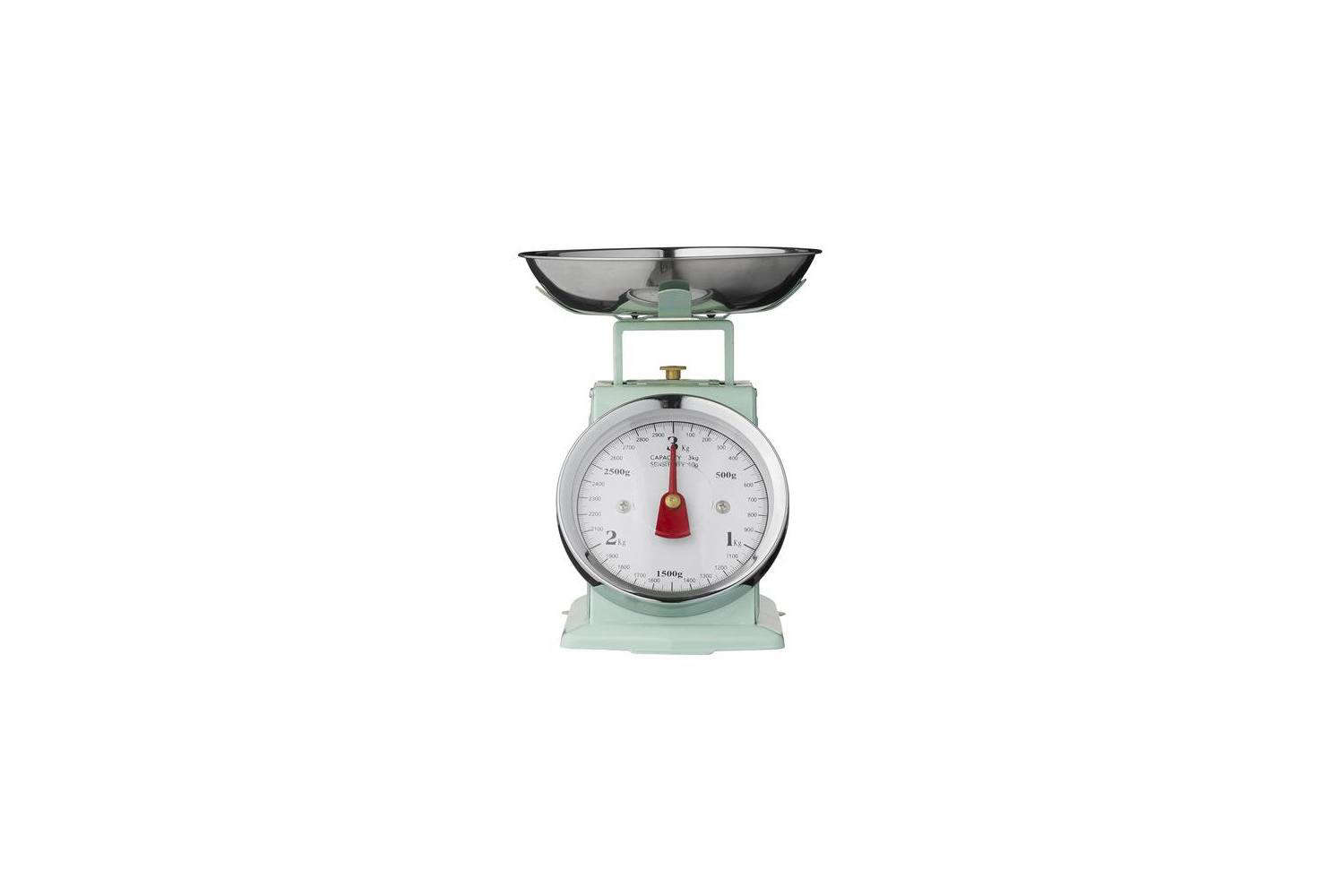
A retro mint green kitchen scale is one of those charming little countertop heroes that looks like it wandered out of a 1950s diner, politely knocked on your cabinet door, and offered to help you bake better cookies. It is practical, photogenic, nostalgic, and surprisingly useful. Whether you love vintage kitchen decor, bake sourdough on weekends, meal-prep like a spreadsheet with snacks, or simply want your countertop to look less like an appliance parking lot, this cheerful scale earns its spot.
The beauty of a mint green kitchen scale is that it does two jobs at once. First, it helps you measure ingredients with more consistency than scooping flour and hoping the baking gods are in a good mood. Second, it adds a soft pop of color that can make a neutral kitchen feel friendlier. Mint green is calm but playful, vintage but fresh, and colorful without yelling across the room. In short, it is the kitchen equivalent of a cardigan with personality.
This guide explores what makes a retro mint green kitchen scale worth buying, how to choose between analog and digital models, how to style it, how to use it correctly, and how to keep it looking lovely. At the end, you will also find a longer personal-experience-style section with practical examples for anyone considering adding one to a real kitchen, not just a perfectly staged Pinterest universe where nobody ever spills cocoa powder.
What Is a Retro Mint Green Kitchen Scale?
A retro mint green kitchen scale is a food scale designed with vintage-inspired styling and a soft green finish. Some models are mechanical, with a round analog dial and a removable bowl. Others are digital scales wrapped in a retro body, offering modern features such as tare, unit conversion, rechargeable batteries, and LED displays. The common thread is the look: rounded lines, pastel color, chrome-like accents, enamel-style finishes, and a countertop presence that says, “Yes, I measure flour, but I also have excellent taste.”
Why Mint Green Works So Well in Kitchens
Mint green has a special talent for playing nicely with other colors. It pairs beautifully with white cabinets, butcher-block counters, marble, stainless steel, black hardware, brass fixtures, and warm wood shelves. It can soften modern kitchens, brighten farmhouse spaces, and complete a midcentury-inspired setup. If your kitchen already includes cream, pale blue, blush, sage, or natural wood tones, a mint green food scale feels like it was invited to the party weeks ago.
Unlike brighter greens, mint does not overpower a room. It gives the eye a place to land without turning the scale into a neon traffic cone. That makes it especially useful for small kitchens, open shelving, coffee bars, baking stations, and breakfast nooks where every visible item needs to justify both its function and its face.
Why a Kitchen Scale Is More Useful Than It Looks
The old-fashioned charm is wonderful, but the real reason to own a kitchen scale is accuracy. Measuring cups are convenient, but they can be inconsistent, especially with flour, powdered sugar, cocoa, brown sugar, chopped ingredients, and sticky liquids. One person’s “cup of flour” may be airy and light, while another person’s is packed down like it has a gym membership. A scale removes much of that guesswork.
For baking, this matters a lot. Cakes, breads, cookies, pancakes, pizza dough, and pastries all depend on balance. Too much flour can make cookies dry. Too little can make dough sticky and unpredictable. A kitchen scale helps you follow recipes in grams or ounces with confidence, which means fewer surprises and fewer sad muffins wearing tiny helmets of shame.
Common Uses Beyond Baking
A retro mint green kitchen scale is not only for bakers. It can help with meal prep, coffee brewing, portioning pasta, dividing dough, measuring pet food, weighing produce, splitting burger patties, preparing homemade granola, and organizing freezer meals. If you make recipes from international cookbooks or food blogs, a scale is even more helpful because many non-U.S. recipes use metric measurements.
For coffee lovers, weighing beans and water can improve consistency. For meal preppers, weighing portions can make lunch containers more even. For gardeners, a scale can help divide herbs, tomatoes, or homemade preserves. For people who simply hate washing six measuring cups after making pancakes, the tare button on a digital scale may feel like a tiny miracle wearing rubber feet.
Analog vs. Digital: Which Retro Mint Green Kitchen Scale Should You Choose?
The biggest decision is whether to choose an analog scale or a digital scale. Both can work well, but they serve slightly different needs.
Analog Kitchen Scales
An analog kitchen scale uses a mechanical spring system and a dial display. It usually has a removable bowl or tray, and it does not require batteries. Many retro mint green scales are analog because the large round dial is part of the classic look. These scales are excellent for general kitchen tasks such as weighing fruit, flour, vegetables, pasta, or larger batches of ingredients.
The main advantage is style. An analog scale can stay on the counter as decor even when it is not being used. It looks intentional, like a small vintage appliance rather than a gadget you forgot to put away. It is also simple: place the bowl on top, adjust to zero if the model allows it, add ingredients, and read the dial.
The drawback is precision. Analog scales may be less accurate for very small amounts such as yeast, baking powder, salt, spices, or espresso dosing. The dial can also be harder to read if the markings are small or if you are measuring in low light. If you mostly bake casually and want a decorative tool, analog may be perfect. If you bake by grams every week, you may prefer digital.
Digital Kitchen Scales
A digital kitchen scale uses sensors and an electronic display. Many modern models measure in grams, ounces, pounds, milliliters, or fluid ounces. Most include a tare function, which lets you place a bowl on the scale, reset the display to zero, and then add ingredients directly. This is the feature that makes one-bowl baking much easier.
Digital scales are usually the better choice for accuracy, especially if you follow precise recipes. They are also easier to read and often more compact. Some retro-inspired digital scales combine the best of both worlds: a nostalgic mint green body with a modern display, unit conversion, and rechargeable power.
The downside is that digital scales need batteries or charging. They may also look less authentically vintage unless the design is especially thoughtful. Still, if your goal is reliable everyday measuring, a digital retro mint green kitchen scale is hard to beat.
Features to Look For Before Buying
Not all pretty scales are equally helpful. A kitchen scale can be adorable and still drive you bananas if the bowl is too small, the dial is unreadable, or the display shuts off while you are elbow-deep in dough. Before buying, look for these features.
Capacity
Many household kitchen scales weigh up to about 11 pounds or 5 kilograms. That is enough for most baking, cooking, and meal-prep tasks. If you make large batches of bread, preserve produce, or weigh heavy mixing bowls, a higher capacity can be useful. For casual use, 8 to 11 pounds is usually practical.
Measurement Units
Choose a scale that measures in both grams and ounces. Pounds and kilograms are helpful, too. If you cook from international recipes, grams are especially important. For liquids, some digital scales also offer milliliters and fluid ounces, though weight and volume are not always interchangeable for every ingredient.
Tare Function
The tare function is essential on a digital scale. It lets you subtract the weight of the bowl or container and measure only the ingredient. You can also add ingredients one at a time, pressing tare between each addition. This means fewer dishes, cleaner counters, and less time performing the ancient ritual known as “Where did I put the quarter-cup?”
Readable Display or Dial
If you choose analog, make sure the dial is large and easy to read. Look for clear markings in both metric and U.S. units. If you choose digital, check that the display remains visible when a bowl is on top. Some flat scales are great until your largest mixing bowl covers the entire screen like a floury eclipse.
Removable Bowl or Platform
Analog retro scales often come with a stainless steel or metal bowl. A removable bowl is easier to clean and more flexible. Digital scales usually have a flat platform, which is useful because you can weigh ingredients in your own bowl, plate, jar, or measuring cup.
Easy Cleaning
Kitchens are not museums. Flour floats, honey drips, and cocoa powder behaves like it has legal immunity. Choose a scale with wipeable surfaces, a removable bowl, and minimal crevices. If the bowl is dishwasher-safe, even better, though handwashing may help preserve its finish over time.
How to Style a Retro Mint Green Kitchen Scale
A retro mint green kitchen scale can become a small focal point, especially if you leave it on display. The trick is to style it as part of a useful station rather than as random countertop clutter.
Create a Baking Corner
Place the scale near glass jars filled with flour, sugar, oats, or chocolate chips. Add a wooden spoon crock, a ceramic butter dish, and a stack of linen towels. The mint green color will keep the station light and cheerful, while the functional items make it feel natural. This setup works especially well on open counters, pantry shelves, or a small rolling cart.
Pair It With Vintage-Inspired Appliances
If you already own a pastel toaster, stand mixer, kettle, or coffee maker, a mint green scale can help tie the look together. It does not have to match perfectly. In fact, slightly varied pastel shades often look more collected and personal than a full matching set. Think “curated kitchen,” not “appliance marching band.”
Use It as Seasonal Decor
A mint green scale is surprisingly versatile for seasonal styling. In spring, fill the bowl with lemons, limes, herbs, or dyed eggs. In summer, use it for peaches or tomatoes. In fall, add mini pumpkins or apples. During the holidays, display candy canes, ornaments, or wrapped treats. The scale becomes a useful decorative base without needing to retire to a storage bin eleven months a year.
How to Use a Kitchen Scale Correctly
Using a kitchen scale is simple, but a few habits will make your measurements more accurate.
Start on a Flat Surface
Place the scale on a stable, level countertop. Uneven surfaces can affect readings, especially with analog models. Avoid balancing it on a towel, cutting board edge, or wobbly cart unless you enjoy culinary suspense.
Zero It Before Measuring
For analog scales, make sure the needle starts at zero with the bowl in place. For digital scales, turn it on, place your container on top, and press tare. Once the display returns to zero, add your ingredient.
Add Ingredients Slowly
Pour gradually, especially with flour, sugar, and liquids. It is much easier to add more than to scoop excess flour out of a bowl after you have overshot by 47 grams. We have all been there. It is humbling.
Use Grams for Precision
When a recipe offers gram measurements, use them. Grams are especially useful for baking because they allow smaller increments and easier scaling. If you want to halve a recipe, double a batch, or divide dough evenly, weight measurements are cleaner than fractional cups.
Care and Maintenance Tips
A retro mint green kitchen scale deserves a little care, especially if you bought it partly for its good looks. Wipe the body after use with a soft damp cloth. Avoid harsh abrasives that may scratch enamel-style finishes or painted surfaces. Wash removable bowls according to manufacturer instructions. Dry metal parts thoroughly to prevent water spots or rust.
For digital scales, avoid soaking the base. Keep charging ports, buttons, and displays away from excess moisture. Store the scale where it will not be knocked off the counter by a cabinet door, a curious child, or a cat with strong opinions about gravity. For analog scales, avoid overloading the spring mechanism beyond the stated capacity.
Who Should Buy a Retro Mint Green Kitchen Scale?
This type of scale is ideal for home bakers, vintage decor lovers, small-kitchen owners, food photographers, coffee enthusiasts, and anyone who enjoys tools that are both useful and beautiful. It also makes a thoughtful gift for housewarmings, bridal showers, Mother’s Day, birthdays, or holidays. Pair it with a bag of good flour, a handwritten cookie recipe, and a tea towel, and suddenly you look like the most charming person at the party.
However, if you need laboratory-level precision for tiny amounts of yeast, espresso, spices, or supplements, a standard retro kitchen scale may not be enough. You may want a high-precision digital pocket scale in addition to your decorative countertop model. The mint green scale can handle everyday beauty and baking; the tiny precision scale can do the microscopic math.
Buying Checklist
Before choosing your retro mint green kitchen scale, ask yourself these questions:
- Do I want authentic analog charm or digital accuracy?
- Does the scale measure in both grams and ounces?
- Is the capacity high enough for my usual bowls and recipes?
- Can I read the dial or display easily?
- Is the bowl removable and easy to clean?
- Will the mint green finish coordinate with my kitchen?
- Does the scale feel sturdy enough for everyday use?
If the answer to most of these is yes, you have probably found a winner. If the answer is, “It is pretty, but I can barely read the numbers,” keep shopping. A kitchen scale should not require detective work.
Real-Life Experiences With a Retro Mint Green Kitchen Scale
Living with a retro mint green kitchen scale is a little like inviting a cheerful assistant into your kitchen. It does not talk, it does not judge your midnight brownie decisions, and it somehow makes the counter look more organized even when there is a suspicious dusting of flour near the toaster. The first thing many people notice is how much more intentional their kitchen feels. Instead of hiding every tool in a drawer, the scale becomes part of the room’s personality.
One of the most satisfying experiences is using it during weekend baking. Imagine making cinnamon rolls on a Saturday morning. You place your mixing bowl on the scale, zero it out, add flour by weight, tare again, add sugar, tare again, then add butter. Suddenly, the process feels smoother. You are not leveling cups, hunting for spoons, or dirtying half the drawer. The kitchen stays calmer, and the dough behaves more predictably. That alone can make you feel like a professional baker, even if your apron has pancake batter on it from last month.
Another great experience is portioning food evenly. If you make burger patties, meatballs, cookie dough balls, or lunch containers, the scale brings order to the chaos. Instead of one giant cookie and five tiny ones, you get a tray of cookies that bake at the same speed. Instead of guessing pasta portions, you can weigh what you need. This is especially helpful for families, meal planners, or anyone who has ever watched two kids argue because one muffin looked “more bigger.” A scale cannot solve every household dispute, but it can remove muffin injustice from the list.
The decorative side matters, too. A mint green scale looks lovely with a bowl of lemons, a stack of cookbooks, or a few jars of baking ingredients. In a white kitchen, it adds softness. In a wood-toned kitchen, it feels fresh and nostalgic. On open shelving, it can break up rows of plates and bowls. Guests often notice it because it feels less generic than most kitchen tools. It has that “Where did you find that?” quality, which is wonderful unless you were hoping nobody would notice you rearranged the counter for the third time this week.
There are small learning moments. With an analog scale, you may need to bend slightly to read the dial accurately. With a digital retro model, you may need to keep the display uncovered by using a slightly smaller bowl. If the scale has a removable bowl, you will quickly learn whether it is better for dry ingredients, produce, or decorative fruit duty. After a week or two, using it becomes automatic. The scale stops feeling like an extra step and starts feeling like the easier route.
The best part is how it changes your relationship with cooking. A retro mint green kitchen scale encourages precision without making the kitchen feel clinical. It says, “Measure properly,” but it says it in a sweet pastel voice. It helps your recipes turn out better, makes your counter prettier, and gives everyday cooking a tiny spark of vintage joy. That is a lot of work for one little scale, but mint green has always been an overachiever.
Conclusion
A retro mint green kitchen scale is more than a cute countertop accessory. It is a practical measuring tool, a vintage-inspired decor piece, and a daily reminder that useful things can still be beautiful. Whether you choose an analog model with a classic dial or a digital version with modern features, the right scale can improve baking accuracy, simplify meal prep, and add personality to your kitchen.
For the best experience, choose a scale with clear measurements, sturdy construction, useful capacity, and easy cleaning. If you bake often, prioritize digital accuracy and tare functionality. If your main goal is charm with occasional measuring, an analog scale may be exactly right. Either way, mint green brings a soft retro glow that looks good with nearly every kitchen style.
In a world full of bland gadgets, the retro mint green kitchen scale proves that practical tools do not have to be boring. It can weigh flour, hold lemons, dress up open shelving, and quietly improve your recipes. That is not just kitchen equipment. That is countertop charisma.