

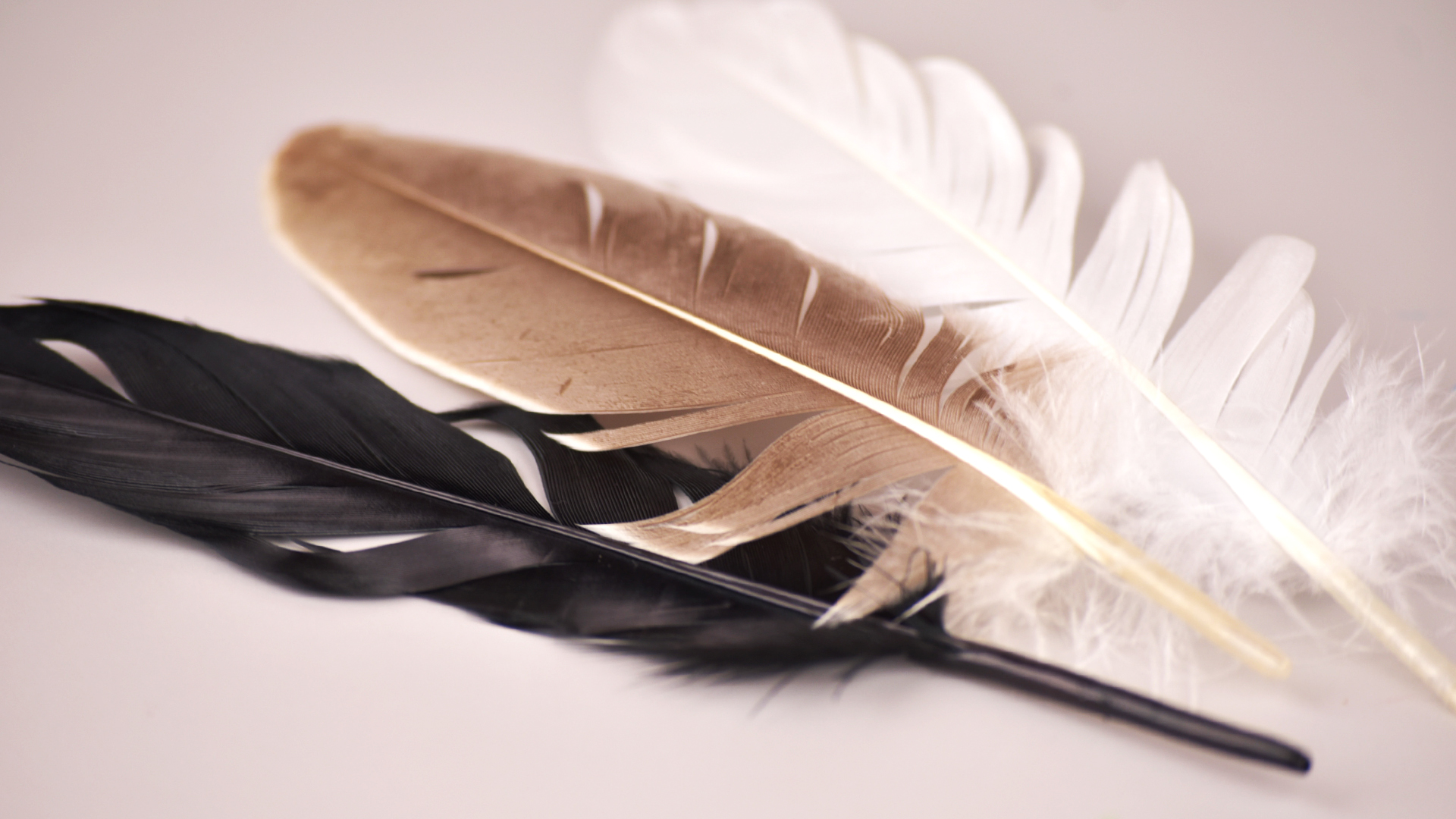
Feathers can make almost any project look a little more magical. Add one to a wreath, a handmade card, a dreamcatcher-style wall hanging, a holiday ornament, or a memory box, and suddenly your craft has texture, movement, and just enough drama to say, “Yes, I am the fancy one in this room.” The trouble is that feathers are delicate. They bend, break, collect dust, attract pests, fade in bright light, and sometimes come with legal or safety issues people do not think about until they are already halfway through a glue-gun adventure.
The good news is that preserving feathers for crafts is not complicated when you follow a smart process. You do not need a museum lab, a dramatic soundtrack, or a degree in bird science. You just need a gentle hand, a clean workspace, and a little patience. In this guide, you will learn eight simple steps to preserve feathers for crafts so they stay cleaner, prettier, and easier to use in future projects.
Why Feather Preservation Matters
If you have ever picked up an old feather and watched it crumble, curl, or look like it just survived a tiny tornado, you already know why preservation matters. A well-preserved feather keeps its shape, color, and texture longer. It is also safer to store, easier to handle, and less likely to bring pests into your craft supplies.
Feather preservation is especially useful when you are working with naturally molted domestic feathers, lawfully obtained game-bird feathers, vintage millinery materials, or special feathers you want to use in a display project. The goal is simple: clean only as much as needed, dry completely, protect from insects and humidity, and store in a way that does not crush the feather shaft or fray the barbs.
Before You Start: Two Important Reality Checks
1. Make sure the feather is legal to keep
This is the least glamorous part of crafting, but it is important. In the United States, most feathers from native wild birds are protected by law. That means the pretty little feather you found on a walk may not actually be something you can legally keep. Safer sources include feathers sold by craft suppliers, feathers from domestic birds such as chickens and some farm-raised poultry, or feathers from lawfully taken game birds where personal-use rules apply.
2. Treat unknown feathers like natural material, not confetti
Feathers can carry dirt, oils, droppings, or pests. Old feathers from taxidermy, antique hats, flea-market décor, and estate-sale boxes can also have residues from older preservation chemicals. Translation: do not rub them on your face like you are starring in a soft-focus commercial. Wash your hands after handling them, avoid working with feathers from sick or dead birds, and use gloves when handling questionable vintage pieces.
How to Preserve Feathers for Crafts in 8 Simple Steps
Step 1: Sort your feathers by source, size, and condition
Start by laying the feathers on a clean white towel or sheet of paper. Separate them into categories: clean and usable, dusty but salvageable, bent but fixable, and too damaged to bother with. This step saves time later because not every feather needs the same treatment.
Small fluffy feathers behave differently from long wing feathers. Dyed craft feathers act differently than natural turkey or goose feathers. Vintage feathers are in their own dramatic category and need the most caution. Sorting helps you choose the gentlest method for each group instead of giving every feather the same spa treatment whether it asked for one or not.
Step 2: Inspect each feather closely
Look at the shaft, the barbs, and the tip. Check for dirt, grease, odor, insect damage, broken quills, and tiny signs of pest activity. If the barbs are separating, lightly zip them back together with your fingers by stroking in the natural direction of the feather. If the feather feels brittle, skip aggressive cleaning. Fragile feathers usually need protection more than they need a deep scrub.
This is also the moment to decide whether the feather is worth preserving. A naturally curved feather can still be beautiful in a craft project. A feather with mold spots, a bad smell, or major breakage is usually not worth saving.
Step 3: Remove loose dust and debris gently
For lightly dusty feathers, start dry. Gently shake them outdoors or over a trash bin. Then use a very soft clean brush, cosmetic brush, or dry microfiber cloth to remove loose dust. Work in the direction the feather naturally grows. Do not scrub across the barbs unless your goal is to create a tiny craft tragedy.
Dry cleaning is often enough for feathers that came from a sealed package or a clean indoor source. It is also the safest option for delicate feathers, because too much moisture can distort the structure.
Step 4: Wash only when the feather truly needs it
If a feather is visibly dirty, gently wash it in lukewarm water with a small amount of mild soap. Think mild dish soap, not industrial degreaser with a name that sounds like it should be cleaning an engine. Swish lightly, do not twist, and use a soft toothbrush only for stubborn grime on sturdy feathers.
Rinse carefully so soap does not dry into a residue. Then blot the feather with a clean towel. Do not wring it out. Feathers are strong enough for flight on a bird, but they are surprisingly easy to mangle when they are off the bird and in human hands.
Step 5: Reshape and dry the feather completely
After washing, use your fingers to smooth the barbs back into place. Align both sides from the base toward the tip. Lay the feather flat on a towel or let it air dry in a well-ventilated room away from direct sunlight and high heat. Full sun can fade colors over time, and damp enclosed spaces invite mildew and bacteria.
If the feather dries with a slight curve or split, gently preen it back into shape with clean fingers. This part is slower than people expect, but it makes the difference between “beautiful preserved feather” and “sad wet bookmark.”
Step 6: Quarantine for pests if needed
If the feather came from an unknown stash, attic box, vintage hat, or old natural-history display, it is smart to isolate it before mixing it with your craft supplies. Museums often rely on non-chemical pest management, and freezing is one of the common strategies used to deal with insect threats in vulnerable materials.
For ordinary, non-antique craft use, place suspicious feathers in a sealed bag and keep them separate from fabric, yarn, wool, and trims until you are confident they are clean and pest-free. Skip mothballs and harsh repellents. They can leave residues and odors that are not ideal for delicate organic materials.
Step 7: Store feathers like small fragile textiles
Once dry, store feathers in a cool, dry, stable place. Acid-free, unbuffered tissue is a smart choice for wrapping or layering feathers, especially natural specimens. You can place them in archival boxes, shallow containers, or rigid folders where they can lie flat without being crushed. Avoid stuffing them into overpacked jars, plastic bins with heavy items on top, or random drawers full of scissors, ribbon scraps, and mystery glitter from 2019.
Also avoid attics, basements, laundry rooms, and other spots with big swings in temperature and humidity. Feathers last longer when the environment is boring. This is one of those rare moments in life where boring is deeply helpful.
Step 8: Use preserved feathers in crafts with a light touch
When you are ready to craft, handle preserved feathers as little as possible. Oils from your fingers, heavy glue, wet paint, and repeated bending can shorten their life. If you need to attach a feather, use a small amount of adhesive at the quill or mount it onto backing paper, fabric, or a support strip. For shadow boxes, ornaments, and keepsake displays, make sure the finished piece stays away from direct sun, steam, and damp walls.
If your project is especially meaningful, such as a wedding keepsake, cultural craft, or memorial item, treat the feather as a design element and a delicate object at the same time. Preservation does not end when the feather is clean. It continues through display and storage.
Common Mistakes That Ruin Feathers Fast
- Overwashing: Too much water and agitation can rough up the barbs and weaken the feather.
- Using bleach or harsh cleaners: These can damage color, structure, and softness.
- Drying in direct sun or near heaters: Great for cookies, not so great for feathers.
- Storing in humid spaces: Moisture encourages mold, odor, and deterioration.
- Skipping legality checks: A craft project should not come with accidental wildlife-law issues.
- Mixing questionable feathers with fabric stash materials: That is how pests get a free tour of your craft room.
Best Feathers for Beginner Craft Preservation
If you are new to preserving feathers for crafts, start with sturdy, legally sourced feathers from domestic birds or packaged craft feathers. Turkey, goose, rooster, and chicken feathers are usually easier to clean, shape, and store than very soft downy feathers. Larger feathers also show damage more clearly, which makes them good for learning what works and what definitely does not.
Good beginner projects include feather bookmarks, wall art, wreath accents, holiday ornaments, greeting cards, memory boxes, and costume details that do not require rough handling. If you can preserve a feather for a shadow box, you can usually preserve one for most decorative crafts.
Experience-Based Tips: What Happens When You Actually Preserve Feathers at Home
In real-life crafting, preserving feathers is less about one perfect trick and more about learning what each feather can tolerate. That is the part people do not always mention. Two feathers can look nearly identical on a table and behave like complete opposites once they get wet. One smooths out beautifully with a quick wash and air-dry. The other decides it is now modern art.
A lot of crafters discover the same lesson early: the less you do, the better the feather often looks. The first instinct is usually to “clean it really well,” but overhandling is one of the fastest ways to wreck the shape. A feather that only has a little dust usually needs a brush, not a bath. A feather that has one bent section often needs patient finger-preening, not a dramatic rescue plan involving steam, hot tools, and optimism.
Another common experience is realizing that storage matters just as much as cleaning. People spend time washing and drying feathers, then toss them into a crowded jar, a zip bag under heavy supplies, or a drawer with ribbon spools and clips. A week later, the feathers are bent at the shaft, fuzzy at the edges, or permanently creased. Once crafters switch to flat storage with tissue and space around the feather, the results improve fast.
Humidity is another sneaky problem. In a dry, climate-controlled room, preserved feathers usually stay neat and crisp. In a damp room, they can start looking limp or musty even when they were cleaned properly. That is why experienced crafters often move their natural materials away from basements and laundry spaces and into the same parts of the home where they would store fabric, photographs, or keepsakes.
People also learn that display conditions change everything. A preserved feather on a card in a drawer can last beautifully. The exact same feather glued into a sunny window display may fade, curl, or look tired much faster. If a project is sentimental, many crafters eventually choose a shadow box, glass-front frame, or protected display shelf instead of open-air placement.
Then there is the emotional side of feather crafts, which is real and surprisingly powerful. Feathers often get used in memory art, nature journals, seasonal décor, and handmade gifts because they feel personal. They carry a sense of lightness and story. Preserving them well makes the finished craft feel more intentional. It is the difference between using random trim and using a material that still looks alive with texture and detail.
The most useful long-term experience, though, is learning to slow down. Feather preservation rewards patience. Let the feather dry fully. Give yourself time to inspect it. Store it properly before you need it. That tiny pause saves more projects than any miracle product ever will. And honestly, that is the secret of most good crafting: gentle hands, better storage, and resisting the urge to “fix” things that only need a little care.
Final Thoughts
If you want feathers to stay beautiful in your craft projects, the formula is refreshingly simple: source them legally, handle them safely, clean them gently, dry them thoroughly, protect them from pests, and store them like the delicate natural materials they are. You do not need to overcomplicate the process. A feather does not need a heroic transformation. It just needs thoughtful care.
Once you know how to preserve feathers for crafts, you will waste fewer materials, get better-looking results, and feel much more confident using natural elements in your work. And that is a solid upgrade for any craft room.