

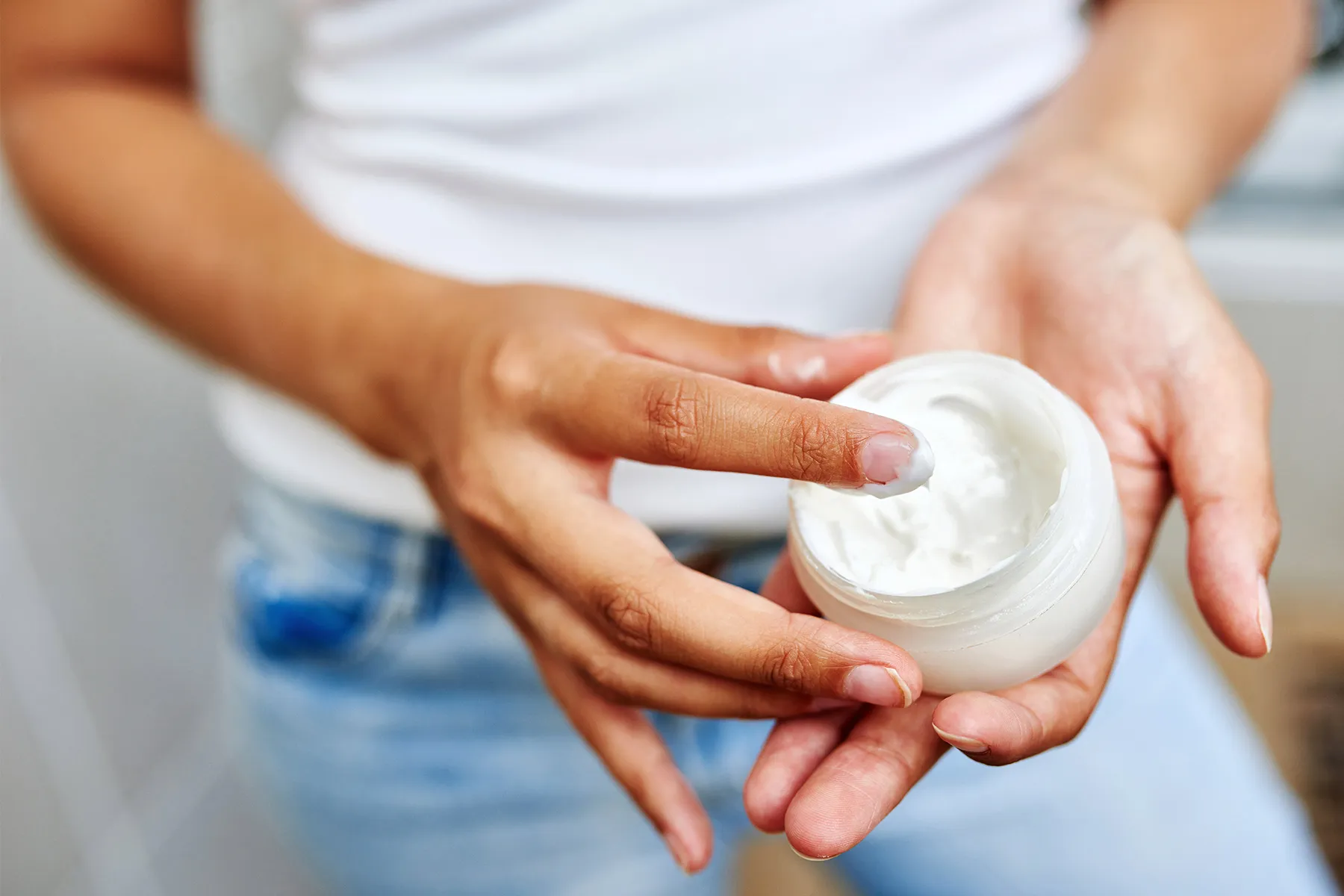
Shopping for skin care should not feel like decoding a chemistry exam while your skin stages a protest. Yet when you have psoriasis, a colorful bottle promising “instant renewal,” “deep detox,” or “maximum-strength resurfacing” can sometimes deliver something far less glamorous: burning, dryness, itching, or a fresh flare.
Psoriasis is a chronic, immune-mediated disease that speeds up skin-cell production and causes inflamed, scaly patches. It can also weaken the skin barrier, making affected areas more vulnerable to moisture loss and irritation. That does not mean everyone with psoriasis must follow the same rigid list of forbidden ingredients. Reactions vary by person, body area, product strength, and whether the skin is calm, cracked, or actively inflamed.
The practical goal is to recognize ingredients that commonly irritate sensitive or psoriasis-prone skin, understand the exceptions, and build a routine that supports your treatment instead of picking a fight with it.
Medical note: This article provides general education and is not a substitute for individualized care. Ask a dermatologist before applying strong active ingredients to psoriasis plaques, the face, genitals, skin folds, or cracked and bleeding skin.
Why Skin Care Ingredients Matter When You Have Psoriasis
Healthy skin acts like a well-built brick wall. Skin cells form the bricks, while natural fats help seal the spaces between them. Psoriasis can disrupt this protective structure, allowing water to escape more easily and irritants to penetrate more readily. The result may be tightness, flaking, itching, stinging, and increased sensitivity.
Skin injury can also trigger psoriasis in some people. This response, often called the Koebner phenomenon, means that plaques may develop where the skin has been scratched, rubbed, burned, or otherwise injured. An abrasive scrub or overly strong peel may therefore create more than temporary redness.
Fortunately, ingredient awareness does not require memorizing every syllable on a label. Begin by watching for a few major categories of potential troublemakers.
1. Added Fragrance and Perfume
Fragrance is one of the first ingredients to reconsider. It may appear on a label as fragrance, parfum, aroma, or as individual fragrance compounds such as limonene, linalool, citronellol, eugenol, geraniol, and cinnamal.
These substances make moisturizers smell like lavender fields, tropical vacations, or expensive hotel lobbies. Unfortunately, fragrance can also cause irritant or allergic contact dermatitis. On psoriasis-prone skin, that reaction may be difficult to distinguish from an ordinary flare because both can involve redness, itching, burning, and scaling.
Choose “fragrance-free,” not merely “unscented”
An unscented product may still contain masking fragrance designed to neutralize the smell of other ingredients. A fragrance-free formula is generally the more cautious choice, although no marketing term guarantees that every person will tolerate a product.
Check shampoos, body washes, makeup, deodorants, laundry products, and hair sprays as well as facial skin care. Your elbow cream may be innocent while your heavily scented fabric softener quietly auditions for the role of chief troublemaker.
2. Essential Oils and Fragrant Botanical Extracts
“Natural” is a description of origin, not a promise of gentleness. Poison ivy is natural too, and nobody is recommending it as a calming facial serum.
Lavender, peppermint, eucalyptus, citrus, cinnamon, clove, tea tree, ylang-ylang, and other essential oils contain aromatic compounds that may irritate sensitive skin or cause allergic reactions. Citrus oils can also increase sensitivity to sunlight in certain formulations.
Some people tolerate diluted botanical ingredients without difficulty. Others develop burning or itching after repeated use. Avoid applying undiluted essential oils directly to plaques, and be cautious with products marketed as herbal, organic, clean, or toxin-free. Those labels do not mean the formula has been tested specifically for psoriasis.
3. Drying Alcohols
Alcohol can help products feel lightweight, dry quickly, and temporarily reduce oiliness. However, high amounts of certain volatile alcohols may strip surface oils and worsen dryness or stinging.
Ingredients worth approaching carefully include:
- Alcohol denat.
- SD alcohol
- Ethanol or ethyl alcohol
- Isopropyl alcohol
They are especially likely to cause discomfort in toners, aftershaves, hand sanitizing products, sprays, and acne treatments applied to cracked or actively inflamed skin.
Not every ingredient containing the word “alcohol” is drying
Fatty alcohols such as cetyl alcohol, stearyl alcohol, and cetearyl alcohol are different. They are commonly used to thicken creams, soften skin, and support moisture retention. Unless you have a specific allergy, these fatty alcohols generally do not belong on the automatic avoidance list.
4. Harsh Soaps and Aggressive Detergents
Traditional alkaline soaps and heavily foaming cleansers can remove too much protective oil. Deodorant soaps, antibacterial washes, and “deep-cleaning” formulas may leave psoriasis-prone skin feeling squeaky, which sounds clean but often means uncomfortably stripped.
Sodium lauryl sulfate, or SLS, is a strong cleansing and foaming agent that can irritate some people. Other sulfates may be tolerated in a carefully balanced rinse-off formula, so the word sulfate alone does not automatically make a product harmful. Pay attention to the complete formula and how your skin feels after washing.
A mild, fragrance-free cream or oil cleanser is often a better starting point. Wash with lukewarm water, use your hands rather than a rough cloth, rinse thoroughly, and gently pat the skin instead of rubbing it like you are trying to erase a regrettable tattoo.
5. Abrasive Scrubs and Mechanical Exfoliants
Psoriasis scale can create a strong temptation to scrub until the skin feels smooth. Resist that temptation. Sugar, salt, ground fruit pits, walnut-shell powder, stiff brushes, exfoliating gloves, pumice stones, and rough cleansing devices can cause tiny injuries, bleeding, inflammation, or new lesions.
Removing scale forcefully may also damage healthy skin underneath it. Scale should be softened gradually with bathing, moisturizer, or a dermatologist-recommended keratolytic treatment rather than treated like stubborn paint on an old fence.
This warning also applies to aggressive microdermabrasion, dermaplaning, waxing, and at-home needling over active psoriasis. Ask a dermatologist before scheduling procedures on areas where you commonly develop plaques.
6. Strong Acids and High-Potency Exfoliating Peels
Alpha hydroxy acids such as glycolic acid and lactic acid, and beta hydroxy acid products containing salicylic acid, can remove dead cells and improve texture. They can also cause burning, peeling, redness, and increased sun sensitivity, particularly when used too frequently or at high concentrations.
Consider avoiding strong exfoliating toners, leave-on acid combinations, and at-home peels during a psoriasis flare. Never apply them to raw, cracked, bleeding, or infected skin. Combining several exfoliants in one routine can turn “skin cycling” into “skin spiraling.”
Salicylic acid is an important exception
Salicylic acid is not universally bad for psoriasis. It is used in legitimate psoriasis treatments because it softens and removes thick scale, especially on the scalp. Urea and lactic acid can also help loosen scaling.
The difference is concentration, formulation, location, and frequency. Too much salicylic acid can cause excessive dryness and irritation. Use psoriasis-specific products according to their instructions, and consult a clinician before treating large areas, children, or severely damaged skin.
7. Cosmetic Retinol and Other Powerful Anti-Aging Actives
Over-the-counter retinol, retinaldehyde, and other vitamin A derivatives can cause dryness, peeling, burning, and temporary irritation. Those effects may be manageable on resilient skin but unpleasant on an already compromised psoriasis patch.
Pause cosmetic retinoids on active lesions unless your dermatologist has advised otherwise. Introduce them slowly on unaffected skin, beginning with a low strength and infrequent use. Do not casually combine retinol with strong acids, abrasive exfoliation, or benzoyl peroxide if your skin is already irritated.
Prescription tazarotene deserves special clarification. It is a topical retinoid that dermatologists may prescribe specifically to treat psoriasis. Do not discontinue a prescribed medication merely because cosmetic retinol can be irritating. Prescription treatment is selected and monitored differently from a trendy anti-aging serum purchased during a midnight sale.
8. Menthol, Camphor, and Intense Cooling Ingredients
Menthol and camphor are found in some anti-itch products. They may provide temporary cooling relief, but they can also sting, dry, or irritate sensitive skin. Their presence is not automatically a reason to reject a product; some psoriasis treatments use these ingredients successfully.
Test a small area first and choose a moisturizing base rather than a high-alcohol gel or spray. Stop using the product if the cooling sensation becomes burning, prolonged redness, or increased itching.
9. Dyes and Color Additives
Artificial color does not improve the skin barrier or treat psoriasis. It simply makes a product look prettier. Certain dyes can trigger allergic contact dermatitis in susceptible individuals, particularly in hair dyes and temporary tattoos.
A plain white or translucent moisturizer may not look exciting on a bathroom shelf, but calm skin rarely complains that its cream lacks visual drama. When possible, choose dye-free formulas, especially for leave-on products applied directly to plaques.
10. Preservatives That Have Caused Reactions Before
Preservatives protect water-based cosmetics from bacteria, yeast, and mold, so a blanket demand for preservative-free skin care is neither practical nor automatically safer. A contaminated moisturizer is not a wellness achievement.
However, some preservatives are recognized cosmetic allergens. Examples include methylisothiazolinone, methylchloroisothiazolinone, formaldehyde, and formaldehyde-releasing preservatives such as DMDM hydantoin, quaternium-15, diazolidinyl urea, and imidazolidinyl urea.
You do not need to avoid every preservative unless you have reacted to it or allergy testing identifies it as a problem. Repeated unexplained rashes, especially around the face, neck, scalp, hands, or eyelids, deserve evaluation for contact dermatitis. A dermatologist may recommend professional patch testing.
What about parabens?
Parabens are widely used preservatives and should not automatically be labeled toxic or psoriasis-triggering. Most people tolerate them. Avoid them only when you have a known sensitivity or your clinician recommends doing so.
11. Strong Acne Treatments on Psoriasis Plaques
Benzoyl peroxide, sulfur, astringent toners, clay masks, and concentrated spot treatments can be useful for acne but may be too drying for areas affected by psoriasis. Facial psoriasis can also be mistaken for acne, eczema, seborrheic dermatitis, rosacea, or a combination of conditions.
Do not attack every red bump with the strongest acne product available. When acne and psoriasis occur in the same area, a dermatologist can design a routine that treats both without creating a moisture-barrier emergency.
How to Read a Skin Care Label Without Panicking
Ingredient lists are ordered largely by concentration, although ingredients present in very small amounts may appear later under applicable labeling rules. A potentially drying alcohol near the beginning of the list may matter more than a tiny amount near the end, but formulation still influences how the product behaves.
Use this quick decision process:
- Look for a short, fragrance-free formula made for dry or sensitive skin.
- Choose a cream, balm, or ointment instead of a thin lotion when dryness is severe.
- Avoid introducing several new products at once.
- Test a small amount on unaffected skin for several days.
- Stop if you develop persistent burning, swelling, blistering, or a worsening rash.
- Keep a photo or written record of products associated with reactions.
Terms such as hypoallergenic, dermatologist-tested, clean, natural, and sensitive-skin-friendly are not guarantees. The ingredient list and your personal history are more useful than calming beige packaging.
What to Use Instead
A psoriasis-friendly routine can be refreshingly boring. In this situation, boring is a compliment.
Gentle cleanser
Select a mild, fragrance-free cleanser that does not leave the skin tight. Antibacterial soap is usually unnecessary for everyday bathing unless a health professional has recommended it.
Thick moisturizer
Ointments and creams generally hold moisture better than thin lotions. Helpful ingredients may include petrolatum, mineral oil, glycerin, ceramides, hyaluronic acid, dimethicone, and shea butter.
Targeted scale softener
Salicylic acid, urea, or lactic acid may help soften thick scale when used in an appropriate product. Apply only as directed and reduce use if stinging or dryness develops.
Broad-spectrum sunscreen
Sunburn can injure the skin and trigger psoriasis. Choose a broad-spectrum SPF 30 or higher that you can use consistently. Mineral sunscreens containing zinc oxide or titanium dioxide may be comfortable for sensitive skin, although the best sunscreen is ultimately one that does not irritate you and that you will actually wear.
Prescription treatment
Moisturizer supports the skin barrier, but it does not replace medical therapy. Depending on the type and severity of psoriasis, treatment may include topical corticosteroids, vitamin D analogues, calcineurin inhibitors, tazarotene, newer nonsteroidal creams, phototherapy, oral medicine, or biologic treatment.
A Simple Psoriasis-Friendly Routine
| Step | What to Do | What to Avoid |
|---|---|---|
| Cleanse | Use lukewarm water and a mild fragrance-free cleanser. | Hot water, deodorant soap, vigorous scrubbing. |
| Treat | Apply prescribed medication as directed. | Mixing it randomly with cosmetic acids or retinol. |
| Moisturize | Apply a thick cream or ointment while skin is slightly damp. | Thin, heavily scented lotions that evaporate quickly. |
| Protect | Use sunscreen and soft, non-irritating clothing. | Sunburn, friction, scratching, and picking scales. |
Real-World Experiences: What Trial and Error Often Teaches
Living with psoriasis frequently turns skin care into a personal research project. The following scenarios reflect common patterns reported by people managing sensitive, psoriasis-prone skin. They are illustrative experiences, not universal predictions.
The “natural” product that was not naturally gentle
A person replaces a plain drugstore cream with an artisan balm filled with lavender, peppermint, lemon peel, and tea tree oils. The ingredient list sounds like a charming garden party. After several applications, the plaques feel hotter and itchier. The lesson is not that all plants are bad. It is that fragrant botanicals contain biologically active compounds, and inflamed skin may not appreciate the invitation.
The exfoliation trap
Another person becomes frustrated by visible scales before an important event. They use a grainy scrub, an exfoliating glove, and a glycolic-acid toner in the same evening. The skin looks smoother for several hours, but the next day it is tender, bright red, and more inflamed. This experience illustrates why scale removal should be gradual. Softening plaques with warm water and moisturizer may feel less dramatic, but psoriasis management is not a competition for the most cinematic before-and-after photograph.
The product blamed for a reaction it did not cause
Sometimes a new moisturizer is accused when the actual culprit is elsewhere. A person may change body cream while also starting scented laundry beads, a new shampoo, and a fragranced room spray. When itching increases, identifying the trigger becomes nearly impossible. Introducing one product at a time creates a cleaner experiment. Keeping the routine stable for several days also makes patterns easier to recognize.
The misunderstood alcohol label
A shopper reads “cetearyl alcohol” on a moisturizer and immediately returns it, believing all alcohols are drying. They then purchase a botanical gel with denatured alcohol near the top of the ingredient list because the front label says “hydrating.” The gel stings, while the rejected cream might have been far more moisturizing. Learning the difference between volatile alcohols and fatty alcohols can save money, confusion, and a dramatic conversation with the bathroom cabinet.
The strong treatment that needed better instructions
A scalp product containing salicylic acid helps loosen thick scale, so the user assumes that more must be better. They apply it too frequently and leave it on longer than directed. Dryness and irritation follow. After discussing the problem with a dermatologist, they use the product less often, follow the timing instructions, and add a compatible moisturizer. The ingredient was not necessarily wrong; the dose and routine were.
The routine that finally became boring
Many people eventually discover that their most dependable routine contains fewer products than expected: one gentle cleanser, one prescribed treatment, one thick moisturizer, and one sunscreen. They stop changing products every time a viral video announces a miracle ingredient. Their shelves look less like a luxury department store, but their skin receives consistency, which is often more valuable than novelty.
The broad lesson from these experiences is to observe rather than assume. A product that works beautifully for one person may irritate another. Body location matters too: the scalp, face, genitals, hands, and thick plaques may each require different formulations. Successful psoriasis skin care is less about discovering a perfect universal ingredient list and more about building a predictable routine with professional guidance when needed.
When to Contact a Dermatologist
Seek medical advice when a product causes severe burning, swelling, blistering, oozing, or a rapidly spreading rash. You should also request help if psoriasis interferes with sleep, work, movement, or emotional well-being; affects the eyes or genitals; shows signs of infection; or does not improve with appropriate over-the-counter care.
Urgent evaluation is important for widespread redness, peeling, fever, chills, pus-filled lesions, dehydration, or severe illness. These symptoms may indicate a serious form of psoriasis or another condition requiring prompt treatment.
Conclusion
The most common skin care ingredients to avoid when you have psoriasis are those that repeatedly dry, sting, abrade, or inflame your skin. Added fragrance, essential oils, harsh soaps, drying alcohols, rough scrubs, and overly strong exfoliating combinations are sensible places to begin your investigation.
At the same time, avoid turning ingredient awareness into ingredient fear. Salicylic acid, urea, lactic acid, menthol, coal tar, and prescription retinoids may have legitimate roles in psoriasis care. The right concentration and instructions can transform a potential irritant into a useful treatment.
Keep your routine gentle, introduce products individually, moisturize consistently, and listen when your skin objects. It may not speak politely, but it is usually quite clear.