

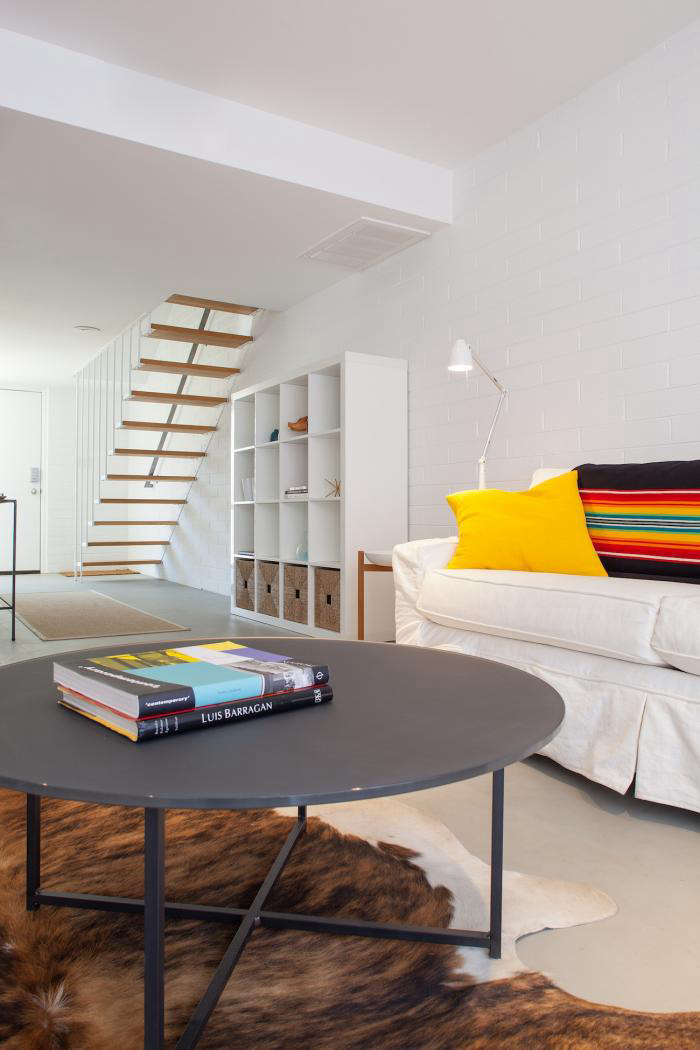
A modern townhouse has a special kind of design challenge. It is usually taller than it is wide, packed with vertical space, short on storage, and blessed with at least one awkward corner that seems to have been designed by someone holding a ruler upside down. But here is the good news: you do not need a celebrity designer, a five-figure furniture budget, or a sofa that requires its own insurance policy to make a townhouse look polished, current, and comfortable.
The secret is not buying everything new. It is editing, layering, and choosing a few high-impact upgrades that make the whole home feel intentional. Think warm neutral walls, slim furniture, statement lighting, layered rugs, hidden storage, thrifted accents, and a few “wait, that was affordable?” details. The goal is a modern townhouse that looks expensive without requiring you to eat instant noodles under a designer pendant light for the next six months.
This guide breaks down how to steal the look of a stylish modern townhouse on a tight budget, room by room, with practical ideas that work for renters, first-time homeowners, growing families, and anyone who wants the good design feeling without the credit-card drama.
What Defines a Modern Townhouse Look?
A modern townhouse interior usually combines clean lines, smart storage, natural textures, and a restrained color palette. Unlike a sprawling suburban home, a townhouse asks every inch to do something useful. The entryway must hold shoes and keys. The living room often doubles as a lounge, work zone, and occasional guest room. The dining area may be more “corner with ambition” than formal room. That is not a flaw; it is an invitation to design smarter.
The modern look comes from balance. Too much minimalism can feel cold. Too many decorative pieces can make narrow rooms feel like a furniture traffic jam. The sweet spot is simple furniture, cozy textiles, warm wood, matte black or brass accents, and storage that looks like decor. A woven basket can hide dog toys. A wall shelf can hold books and art. A storage ottoman can swallow blankets, remotes, and the emotional evidence of last night’s snack situation.
Start With a Budget-Friendly Color Palette
Paint is the budget decorator’s magic wand. It changes mood faster than a group chat notification. For a modern townhouse, start with a calm base: soft white, warm beige, greige, mushroom, light taupe, or a pale warm gray. These shades bounce light around narrow rooms and make inexpensive furniture feel more pulled together.
Then add contrast. A modern home needs a little tension, otherwise everything starts to look like oatmeal. Use matte black picture frames, dark cabinet pulls, charcoal pillows, or a deep olive accent chair. If you want warmth, bring in camel, terracotta, rust, brass, or walnut tones. If you prefer a cooler city look, try slate blue, soft sage, or smoky green.
Budget move: color drenching in one small area
If painting the whole townhouse is too expensive or too exhausting, choose one compact space. A powder room, entry nook, stair wall, or dining corner can handle a bold color. Paint the walls, trim, and even ceiling in the same shade for a boutique-hotel effect. It feels custom, but the cost is often just a gallon or two of paint and one weekend of pretending you enjoy painter’s tape.
Make the Entryway Work Harder
Townhouse entryways are often narrow, which means bulky furniture is not your friend. Instead, use vertical storage. A slim shoe cabinet, wall hooks, a floating shelf, and a round mirror can create a clean drop zone without blocking the path. The mirror adds light and gives guests one last chance to check if their hair survived the weather.
Choose a durable runner to define the space. Patterns hide dirt better than solid colors, which is helpful if your entryway is where shoes, umbrellas, and real life collide. Add a small tray for keys and sunglasses, plus a lidded basket for pet leashes, reusable bags, or seasonal accessories.
Steal the look
Use a black metal hook rail, a narrow wood shelf, a vintage mirror, and a washable runner. The mix feels modern but not sterile. If you rent, use no-drill hooks or tension-based storage where possible.
Create a Living Room That Looks Custom
The living room is usually the visual heart of a townhouse. It is also where budgets go to either thrive or quietly disappear. Start with the sofa. If you can spend more on one item, make it a comfortable, simple sofa in a neutral fabric. Look for clean arms, raised legs, and a scale that fits the room. A giant sectional may be cozy, but in a narrow townhouse it can feel like a friendly upholstered wall.
Then build the room with budget-friendly layers. Add a coffee table with storage, two side tables instead of one bulky piece, and lighting at different heights. A floor lamp, table lamp, and wall sconce-style plug-in light can make the room feel designed instead of simply furnished.
The “expensive room” formula
Use this simple formula: neutral sofa, textured rug, oversized art, warm wood, black accents, greenery, and soft lighting. None of these pieces needs to be pricey. The trick is scale. A large framed print looks more polished than five tiny pieces floating nervously on a wall. A bigger rug makes the seating area feel intentional. Curtains hung high and wide make windows look larger, even if the window itself is modestly doing its best.
Use Affordable Wall Treatments for Architectural Character
Many townhouses come with builder-grade walls: plain, flat, and about as memorable as a receipt. Wall treatments add instant character without a full renovation. Try peel-and-stick wallpaper in a powder room, board-and-batten in an entry, picture-frame molding in the dining area, or a vertical slat wall behind the TV.
If you want a modern look, keep the pattern or paneling simple. Thin molding painted the same color as the wall feels elegant. Wood slats add warmth and texture. Beadboard can work beautifully in bathrooms, mudroom-style entries, or stair landings when painted in a contemporary shade like olive, charcoal, cream, or muted blue.
Budget move: one feature wall only
You do not need to panel the entire house. In fact, please do not turn your townhouse into a decorative lumber showroom. One feature wall can create enough drama. Focus on the wall you see first when entering a room, the wall behind a bed, or the wall that frames a dining table.
Build a Dining Area Even If You Do Not Have a Dining Room
Modern townhouse dining areas often live between the kitchen and living room. To make the space feel deliberate, use a round or oval table. These shapes improve flow and reduce the chance of hip-checking a sharp corner every morning. Pair the table with slim chairs, a bench against the wall, or two upholstered end chairs for a collected look.
A pendant light can visually anchor the dining zone. If hardwiring is not possible, choose a plug-in pendant with a cord cover or a sculptural floor lamp nearby. Add art or a mirror above the table, and consider washable seat cushions if children, pets, or enthusiastic pasta nights are part of your household.
Steal the look
Try a light wood table, black spindle chairs, a woven pendant, and a framed abstract print. The combination feels modern, warm, and flexible. For an even tighter budget, hunt for secondhand chairs and paint them all the same color for a unified set.
Upgrade the Kitchen Without Remodeling It
A full kitchen renovation can cost more than a small vacation and occasionally create the same amount of stress. Instead, focus on micro-upgrades. Change cabinet hardware, add under-cabinet lighting, install peel-and-stick backsplash tile, replace a tired faucet, or paint a small island. These changes can shift the entire mood of the kitchen without involving demolition, dust, or the phrase “unexpected plumbing issue.”
If cabinets are in decent shape, do not rush to replace them. Clean them thoroughly, adjust loose hinges, and add modern pulls. Matte black, brushed brass, satin nickel, and champagne bronze all work well in modern townhouse kitchens. Open shelves can look beautiful, but be honest with yourself. If your mugs are mismatched and your spices multiply in the night, closed storage may be the more peaceful choice.
Budget move: style the counters
Clear most of the counter and keep only attractive daily-use items visible: a wood cutting board, a ceramic utensil crock, a small lamp, a fruit bowl, or a tray for oils and salt. This creates a magazine-like look without buying new cabinets. The secret is not owning less; it is hiding better.
Make Bedrooms Feel Calm, Not Cramped
Townhouse bedrooms can be compact, so avoid overfilling them. Start with a bed frame that has clean lines or built-in storage. Add nightstands with drawers, wall-mounted sconces, and simple bedding in layers. White sheets, a textured coverlet, two sleeping pillows, two decorative pillows, and a throw blanket can make even a basic bed feel styled.
For a modern budget bedroom, texture matters more than pattern. Mix cotton, linen-look fabrics, boucle, woven baskets, and wood tones. If the room is small, use one large piece of art above the bed instead of a busy gallery wall. Keep the color palette soft, then add contrast with lamps, frames, or a dark throw.
Closet strategy
Small closets need systems, not wishes. Add double hanging rods, shelf dividers, slim hangers, under-bed bins, and labeled baskets. If the closet has unused wall space, install hooks for bags, belts, or hats. The more organized the storage, the less furniture you need in the room.
Turn the Bathroom Into a Mini Spa on a Mini Budget
A townhouse bathroom can feel luxurious with a few strategic swaps. Replace the builder mirror with a framed mirror, add warm lighting, install matching towel hooks, and use a fabric shower curtain that hangs close to the ceiling. This one change can make the room feel taller and more finished.
Use matching bottles or a simple tray to reduce visual clutter. Add eucalyptus, a small stool, a woven hamper, or a framed print. If the vanity is dated, new hardware and a fresh faucet can work wonders. Peel-and-stick floor tiles can also update a powder room, especially when the existing floor is structurally sound but visually trapped in another decade.
Steal the look
Choose a round black mirror, white waffle towels, a natural wood stool, amber soap bottles, and one small plant. Suddenly the bathroom looks like it offers cucumber water, even if the cabinet still contains three half-empty tubes of toothpaste.
Lighting: The Budget Detail That Changes Everything
Lighting is one of the fastest ways to make a townhouse feel modern. Many homes rely on one overhead fixture per room, which can make the space feel flat. Layered lighting creates depth. Use ambient lighting for general brightness, task lighting for reading or cooking, and accent lighting for mood.
Swap outdated flush mounts for simple drum shades, globe fixtures, or modern semi-flush lights. Add plug-in sconces beside the sofa or bed. Use warm white bulbs for a cozy look. Avoid mixing too many bulb temperatures in one room, unless you enjoy the atmosphere of a convenience store at midnight.
Decorate With Thrifted and Affordable Pieces
A tight budget does not mean every item must come from the same aisle of the same store. In fact, mixing new and secondhand pieces is what keeps a modern townhouse from looking too flat. Thrift stores, estate sales, online marketplaces, flea markets, and family hand-me-downs can deliver character that brand-new decor often lacks.
Look for solid wood side tables, vintage lamps, ceramic bowls, framed art, mirrors, stools, and dining chairs. Avoid upholstered secondhand items unless you can inspect and clean them properly. A thrifted wood table with a few scratches can look charming. A mystery sofa with a suspicious smell is less charming. That is not patina; that is a plot twist.
The 80/20 approach
A good rule is to mix about 80 percent simple foundational pieces with 20 percent character pieces. For example, pair a new neutral sofa with a vintage coffee table, thrifted art, and a handmade ceramic vase. Or use a secondhand dining table with new chairs and a modern pendant. The result feels curated instead of chaotic.
Small Outdoor Spaces Deserve Style Too
If your townhouse has a balcony, patio, or tiny back courtyard, treat it like an extra room. Add an outdoor rug, folding chairs, a small bistro table, string lights, and planters. Choose furniture that can stack, fold, or withstand weather. Vertical planters are especially useful when floor space is limited.
Keep the palette connected to the interior. If your living room uses black, wood, and cream, repeat those tones outside. This makes the transition feel smooth and makes the whole home seem larger. Even a tiny patio can become a morning coffee zone, a reading corner, or a place to dramatically stare into the distance after answering emails.
Where to Spend and Where to Save
The smartest budget townhouses are not cheap everywhere. They are strategic. Spend on items you touch every day: sofa, mattress, dining chairs, faucets, and lighting. Save on decorative accents, side tables, wall art, shelves, pillows, and seasonal decor.
Rugs are a middle category. A good rug can define a room, improve acoustics, and hide less-than-perfect flooring. But if you have pets, kids, or high traffic, a washable or affordable rug may be more realistic than a precious investment piece. The goal is to design for the life you actually live, not the imaginary version where nobody spills salsa.
A Room-by-Room Budget Plan
Living room
Invest in a comfortable sofa, then save with affordable pillows, thrifted tables, plug-in lighting, and large-scale printable art. Use baskets for storage and a rug large enough to sit under the front legs of the furniture.
Kitchen
Upgrade hardware, faucet, lighting, and counter styling. Add drawer organizers and pull-out storage before considering bigger renovations.
Bedroom
Spend on the mattress and bedding basics. Save on nightstands, lamps, art, and decorative pillows. Use under-bed storage and closet systems to reduce clutter.
Bathroom
Replace the mirror, shower curtain, towel hooks, and lighting. Use coordinated containers to make everyday products look intentional.
Entryway
Use hooks, a slim cabinet, a washable runner, and a mirror. Keep the floor as open as possible so the first impression feels calm.
Common Mistakes to Avoid
The first mistake is buying furniture that is too large. Always measure the room, doorways, stairs, and delivery path. A beautiful sofa is less beautiful when it is wedged in the stairwell like modern sculpture.
The second mistake is decorating too quickly. A townhouse becomes more personal when it evolves. Start with function, then add layers. Buy the rug after you know the layout. Buy the art after the color palette is set. Buy the storage before the clutter stages a coup.
The third mistake is ignoring lighting. Even a well-furnished room can feel unfinished with harsh overhead light. Lamps, dimmers, and warm bulbs make budget pieces look better instantly.
The final mistake is copying a look too literally. “Steal this look” does not mean cloning a showroom. It means borrowing the principles: clean lines, warmth, contrast, texture, and smart storage. Your home should still look like you live there, not like a catalog employee briefly stepped out.
Experience Notes: What Really Works in a Budget Modern Townhouse
The biggest lesson from decorating a modern townhouse on a tight budget is that progress happens in layers, not lightning bolts. Most people want the dramatic before-and-after moment, but the most livable homes are built through small, smart decisions. The first useful experience is learning to pause before purchasing. A townhouse can punish impulse buys because there is rarely extra space to hide mistakes. That cute accent chair may look perfect online, but if it blocks the walkway between the sofa and stairs, it becomes less “designer moment” and more “daily obstacle course.”
Another practical lesson is that storage must be planned before decor. In compact homes, clutter is not just visual; it changes how the home functions. A beautiful console table is helpful only if it has drawers or baskets. A coffee table is better when it has a shelf. A bed frame earns bonus points when it can store off-season linens. Once storage is working, the decorative choices suddenly look more intentional because they are not competing with piles of everyday life.
Paint also teaches patience. Many budget decorators begin with furniture, but wall color often sets the entire tone. Sampling paint in different light is worth the extra effort. A warm white can look creamy in the morning and slightly yellow at night. A gray can turn blue near north-facing windows. Testing first prevents the classic budget tragedy of buying two gallons of “perfect beige” that somehow becomes “sad cafeteria” after sunset.
Lighting is another area where experience changes everything. People often underestimate lamps because they seem like accessories, but layered lighting can make inexpensive furniture look richer. A plug-in sconce beside a sofa, a shaded lamp on a console, and a dimmable floor lamp can make one room feel flexible from morning coffee to movie night. Good lighting also softens imperfections, which is excellent news for walls, floors, and anyone who has assembled flat-pack furniture at 11 p.m.
Secondhand shopping is useful, but only with a plan. The best finds are usually solid, simple, and adaptable: wood tables, mirrors, lamps, frames, stools, and ceramic pieces. A coat of paint, a new shade, or updated hardware can make old pieces feel modern. The key is restraint. One vintage piece adds soul. Ten unrelated vintage pieces can make the room feel like a storage unit with opinions.
Finally, the most successful budget townhouse interiors leave room for real life. Modern design should not feel fragile. Choose washable rugs if shoes come inside. Use performance fabric if pets rule the sofa. Pick closed storage if open shelving makes you anxious. A stylish home is not one that looks perfect for five minutes after cleaning. It is one that resets easily, supports your routines, and makes you happy when you walk through the door. That is the real look worth stealing.
Conclusion
A modern townhouse on a tight budget is not about pretending inexpensive pieces are luxury items. It is about knowing where design impact really comes from. Paint, lighting, layout, scale, storage, texture, and editing can transform a narrow or builder-grade townhouse into a home that feels current, warm, and personal.
Start with the rooms you use most. Fix the lighting. Choose furniture that fits. Add storage that looks good enough to be seen. Mix affordable basics with secondhand character. Then layer in art, plants, textiles, and small upgrades that make the home feel finished. The best part? You do not have to do it all at once. A stylish townhouse can grow with your budget, your taste, and your ability to finally let go of that one chair nobody sits in.