

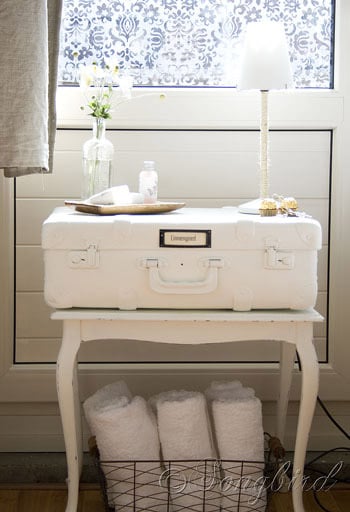
Small rooms are charming in the same way tiny coffee cups are charming: adorable, efficient, and completely unforgiving if you try to cram too much into them. One extra chair, one overflowing laundry basket, or one ambitious “I’ll organize this later” pile can make the room feel like it has given up and moved into witness protection.
The good news? A small room does not need more square footage to feel bigger. It needs smarter storage. With the right mix of vertical storage, hidden compartments, multi-purpose furniture, closet organization, and a few realistic decluttering habits, even the tiniest bedroom, home office, dorm room, nursery, or guest room can feel calm, functional, and surprisingly spacious.
This guide to storage for a small room brings together practical small-space organization strategies used by interior designers, professional organizers, and everyday people who have learned to live beautifully without owning a mansion, a mudroom, or a garage large enough to park a submarine.
Why Small Rooms Feel Cluttered So Quickly
Small rooms are not automatically messy. They simply reveal mess faster. In a large room, a stack of books may look intentional. In a small room, that same stack looks like the beginning of an archaeological dig. Limited floor area, shallow closets, awkward corners, and not enough surfaces can make ordinary items feel like visual noise.
The key is to stop thinking of storage as “where can I hide everything?” and start thinking of it as “where should each item live so I can actually use the room?” A small space works best when every object has a job, a home, and a reason to stay.
Start With a Ruthless but Friendly Declutter
Before buying baskets, bins, racks, shelves, or that mysterious organizer you saw online at 1:00 a.m., take inventory. Storage products cannot solve a clutter problem if the room is holding items you no longer need. They will simply turn chaos into organized chaos, which is still chaos, just wearing matching labels.
Use the “Keep, Store, Donate, Toss” Method
Pull items out by category: clothes, books, beauty products, office supplies, shoes, hobby gear, electronics, and sentimental objects. Sort them into four groups: keep in the room, store elsewhere, donate, or toss. If you have not used something in a year and it does not serve a clear purpose, it may be time to let it find a new life outside your limited square footage.
For a small room, the goal is not extreme minimalism. You do not have to live like a monk with one candle and a suspiciously perfect linen shirt. The goal is editing. Keep what supports your daily routine, your comfort, and your personal style. Remove what only contributes to crowding.
Think Vertically: Walls Are Free Real Estate
When floor space is limited, the walls become your best friend. Vertical storage is one of the most effective small room storage ideas because it lifts items off the floor and uses height that often goes ignored.
Add Floating Shelves
Floating shelves are ideal for books, framed photos, small plants, baskets, candles, and lightweight decorative objects. In a bedroom, a floating shelf can even replace a bulky nightstand. Place one near the bed for a lamp, phone, glasses, and a book. Suddenly your floor has breathing room, and your bedtime essentials are not forming a tiny mountain beside your pillow.
Use Tall Bookcases or Narrow Shelving Units
A tall, narrow bookcase uses less floor space than a wide cabinet while giving you multiple levels of storage. Choose one with adjustable shelves if possible, so it can handle baskets, folded clothes, files, games, or display items. If you are storing visually busy objects, use matching bins to reduce clutter and create a cleaner look.
Install Hooks, Peg Rails, or Wall Racks
Hooks are small-room superheroes. Use them behind doors, beside closets, near desks, or along empty wall sections. They can hold bags, hats, scarves, headphones, robes, jewelry, towels, or tomorrow’s outfit. A peg rail or pegboard can also create flexible storage for craft supplies, office tools, accessories, or small baskets.
Make the Bed Work Harder
In most small bedrooms, the bed is the largest piece of furniture. That means it should not just sit there looking cozy. It should earn its keep.
Choose Under-Bed Storage
The space under the bed is perfect for items you do not need every day: seasonal clothes, extra linens, guest bedding, shoes, holiday pajamas, or luggage. Use low rolling bins, fabric storage bags, vacuum-sealed bags, or drawers designed for under-bed use. Clear lids or labels help you avoid the classic under-bed mystery box situation, where no one knows what is inside but everyone is slightly afraid of it.
Consider a Storage Bed
If you are buying new furniture, a platform bed with drawers can replace a dresser or reduce pressure on a tiny closet. Hydraulic lift beds also offer deep storage under the mattress, which is useful for bulky bedding, winter coats, or items you only access occasionally.
Use a Headboard With Storage
A bookcase headboard or slim shelf headboard can hold books, a reading light, charging cables, tissues, and small nighttime essentials. This is especially helpful when there is no space for two nightstands. Just avoid overloading it with every object you have ever loved. A storage headboard should be helpful, not a museum exhibit.
Choose Multi-Purpose Furniture
Furniture in a small room should do more than one job whenever possible. A storage ottoman can be a seat, footrest, blanket box, and emergency hiding spot for clutter when someone rings the doorbell. A desk can double as a vanity. A dresser can work as a nightstand. A bench can hold shoes, bags, or bedding.
Best Multi-Use Pieces for Small Rooms
Look for furniture that combines function and storage: beds with drawers, benches with lift-up tops, ottomans with hidden compartments, desks with built-in shelving, nesting tables, wall-mounted desks, and nightstands with deep drawers. In small rooms, drawers are often better than open shelves because they hide visual clutter.
If the room must serve multiple purposes, such as a bedroom and home office, use furniture that can “close” the mess. A desk with drawers, a cabinet with doors, or a fold-down wall desk helps work supplies disappear at the end of the day. Your brain will appreciate not falling asleep next to a stack of unpaid bills and a stapler staring at you.
Upgrade the Closet Without Renovating
Small closets often come with one lonely rod and one high shelf, as if that is enough to manage modern life. It is not. Fortunately, you can improve a closet without knocking down walls or calling a contractor.
Add a Second Hanging Rod
If you have shirts, pants, skirts, or children’s clothing, a double-hang rod can instantly double usable hanging space. Place shorter items on top and bottom. Reserve long hanging space for dresses, coats, or jumpsuits.
Use Shelf Dividers and Stackable Bins
High closet shelves become more useful when divided. Shelf dividers keep sweaters, jeans, and bags from sliding into one another like tired dominoes. Stackable bins are great for seasonal accessories, workout gear, extra toiletries, or rarely used items.
Use the Closet Door
The inside of a closet door can hold shoes, scarves, belts, jewelry, cleaning supplies, hair tools, or small accessories. Over-the-door organizers are especially useful in rentals because they add storage without permanent installation.
Move a Dresser Into the Closet
If the closet has enough depth, placing a small dresser inside can free up bedroom floor space. The top of the dresser can act as a shelf, while drawers hold folded clothes, socks, undergarments, or accessories. Use the wall space above it for additional shelves or hooks.
Use Hidden Storage to Reduce Visual Clutter
Small rooms feel larger when fewer objects are visible. This does not mean everything must be hidden, but it does mean the eye needs places to rest. Too many open shelves, exposed bins, and crowded surfaces can make even an organized room feel busy.
Hide Storage in Plain Sight
Choose decorative boxes, lidded baskets, fabric bins, storage trunks, and closed cabinets. A beautiful basket can hold throw blankets. A lidded box can hide chargers. A storage bench can conceal extra pillows. A slim shoe cabinet can make footwear disappear from the floor, which is helpful because shoes have a talent for making any room look like a hallway had a bad day.
Use Trays to Control Surfaces
Trays are simple but powerful. Place one on a dresser, desk, or nightstand to corral perfume, jewelry, keys, glasses, or daily essentials. When small items are grouped together, they look intentional rather than abandoned.
Create Zones in the Room
A small room can still support multiple activities if each area has a defined purpose. This is especially important for studio apartments, dorm rooms, shared bedrooms, and small home offices.
Define the Function of Each Area
Create zones for sleeping, working, dressing, reading, or hobbies. Use a rug, shelf, curtain, storage cart, or furniture placement to define each zone. Keep the items for each activity stored close to where they are used. Office supplies should live near the desk, not under the bed. Bedtime items should live near the bed, not in a closet behind three jackets and a suitcase from 2017.
Try a Rolling Cart
A slim rolling cart can act as a nightstand, craft station, beauty cart, homework supply center, or portable office. Because it moves, it can shift out of the way when not needed. Use containers on each level to keep items sorted.
Use Corners, Nooks, and Awkward Spaces
Awkward corners are not design failures. They are storage opportunities wearing a disguise. A corner shelf, triangular hamper, narrow cabinet, or small ladder shelf can turn unused space into something practical.
Try Corner Shelving
Corner shelves work well for books, plants, baskets, and small decor. In a child’s room, they can hold toys or bedtime stories. In a home office, they can hold supplies without taking over the desk.
Use Slim Furniture
Narrow cabinets, slim console tables, and shallow dressers are excellent for small rooms because they provide storage without blocking walkways. Always measure before buying. In a small space, two inches can be the difference between “perfect fit” and “why can’t the door open anymore?”
Store by Frequency of Use
One of the smartest ways to organize a small room is to store items based on how often you use them. Daily items should be easy to reach. Weekly items can go in drawers, baskets, or closet shelves. Seasonal and rarely used items should go higher, lower, or farther away.
Prime Storage Should Be for Daily Life
Do not waste your easiest storage space on things you only use twice a year. The front of the closet should hold current-season clothing. The top shelf can hold extra blankets or holiday items. Under-bed storage can hold seasonal clothing or guest linens. A small room becomes frustrating when the things you use daily are hidden behind things you barely remember owning.
Label Everything That Is Not Obvious
Labels are not just for people who own label makers and alphabetize spices for fun. Labels save time. They help you put things back, remember what is inside closed bins, and maintain systems after the first burst of organizing energy fades.
Use simple labels such as “winter clothes,” “extra bedding,” “tech cords,” “office supplies,” “craft tools,” or “travel.” If multiple people use the room, labels become even more useful because they reduce the number of times someone asks, “Where does this go?”
Keep the Floor as Clear as Possible
In a small room, visible floor space creates the feeling of openness. When the floor is covered with shoes, bags, baskets, and boxes, the room feels smaller instantly. Wall-mounted storage, floating furniture, under-bed bins, and hooks all help preserve floor space.
Use Light-Looking Furniture
Furniture with legs can make a room feel more open because you can see more floor underneath it. Wall-mounted desks, floating nightstands, and open-base benches can also reduce visual heaviness. However, balance matters: if you need closed storage, do not choose open furniture just because it looks airy. A beautiful open shelf full of clutter is still clutter, only taller.
Small Room Storage Ideas by Room Type
Small Bedroom
Use a storage bed, floating nightstand, wall sconces, under-bed bins, and a dresser with deep drawers. Add hooks behind the door for robes, bags, or tomorrow’s outfit. Keep nightstand surfaces minimal so the room feels restful.
Small Home Office
Use a wall-mounted desk, vertical file holders, drawer organizers, cable boxes, and a rolling cart. Store paperwork in labeled folders and digitize what you can. A small office gets messy fast when paper is allowed to multiply unsupervised.
Small Guest Room
Choose a daybed, storage bench, or sleeper sofa with hidden storage. Keep one empty drawer, a few hangers, and a small luggage rack available for guests. Store extra linens in under-bed bins or a lidded basket.
Small Kids’ Room
Use low bins, picture labels, wall bookshelves, toy rotation, and furniture with rounded edges. Keep frequently used toys within child reach and store messy craft supplies higher. For kids, the best storage system is one they can actually use without needing a 40-minute training seminar.
Common Small Room Storage Mistakes to Avoid
Buying Organizers Before Measuring
Measure closets, under-bed clearance, shelf depth, door width, and wall space before shopping. Guessing in a small room is how people end up owning bins that fit absolutely nowhere.
Using Too Many Open Baskets
Baskets are wonderful, but too many open baskets can become clutter bowls. Use lidded bins or closed cabinets for items that are not visually attractive.
Ignoring Maintenance
A storage system only works if it is easy to maintain. If putting something away requires opening three lids, moving two boxes, and whispering an apology to the closet, you will not keep doing it. Choose storage that fits your habits.
Keeping Too Much “Just in Case” Stuff
Small rooms have limited tolerance for “just in case.” Keep backups only when they are realistic and useful. You probably need extra light bulbs. You probably do not need eight mystery cables from electronics you no longer own.
Budget-Friendly Storage For A Small Room
You do not need a luxury closet system to improve a small room. Affordable upgrades can make a huge difference. Try adhesive hooks, tension rods, shelf risers, drawer dividers, bed risers, stackable bins, over-the-door organizers, and repurposed baskets. Even rearranging furniture can create more usable storage.
Before buying anything, shop your own home. A spare tray can organize a nightstand. A basket from the living room can hold blankets. A small bookcase can move into the closet. A kitchen cart can become a craft station. Smart storage often begins with seeing familiar items in a new way.
Personal Experience: What Actually Works in a Small Room
After living with several small rooms, I can confidently say this: the best storage system is not the prettiest one. It is the one you will use when you are tired, busy, late, hungry, or all four at once. Beautiful storage matters, of course. We all like a room that looks like it has its life together. But function must come first, especially in a small space where one bad habit can take over by Wednesday.
The first lesson I learned was that under-bed storage is powerful, but only if it is organized by category. At one point, I used the area under the bed as a general “later” zone. That was a mistake. It became a shadowy kingdom of mismatched shoes, old notebooks, and one sweater I kept looking for but apparently decided to hide from myself. The system improved when I switched to two labeled bins: one for seasonal clothes and one for extra bedding. Suddenly, under-bed storage became useful instead of mysterious.
The second lesson was that hooks solve more problems than expected. I added hooks behind the door for a robe, a tote bag, and a jacket. That small change reduced chair clutter dramatically. Before the hooks, the chair was not really a chair. It was a clothing cliff. After the hooks, I could actually sit down, which felt like discovering a new room inside the old room.
The third lesson was to stop expecting open shelves to behave like closed storage. Open shelves look fantastic when they hold a few books, a plant, and a nice box. They look less fantastic when they hold receipts, tangled chargers, vitamins, lip balm, sunglasses, and three pens that may or may not work. I learned to use open shelves for display and closed bins for the weird little things of daily life.
The fourth lesson was that small rooms need routines, not just products. Every night, a two-minute reset made more difference than any organizer. I put clothes in the hamper, returned books to the shelf, cleared the nightstand, and placed loose items in a tray. Two minutes sounds almost too simple, but in a small room, it prevents the slow creep of clutter. If you wait until the weekend, the room may already look like it hosted a yard sale indoors.
The fifth lesson was to respect walking paths. A small room can handle furniture, but it cannot handle furniture that blocks movement. I once tried to squeeze in an extra side table because it looked cute. It also attacked my shin every morning. Eventually, I replaced it with a floating shelf, and the room instantly felt bigger. The shelf held the same essentials without demanding floor space or causing minor injuries before coffee.
The sixth lesson was that seasonal rotation matters. Keeping every sweater, summer shirt, coat, scarf, and pair of sandals in the same tiny closet all year made the closet feel impossible. Once I moved out-of-season clothes into labeled storage bags, the closet became easier to use. The best part was that I could actually see what I owned, which reduced duplicate buying. Apparently, I did not need another black T-shirt. I needed access to the five I already had.
The final lesson is simple: storage for a small room should support the life you actually live. If you read every night, create book storage near the bed. If you work from the room, hide office supplies in drawers or boxes. If you change clothes often, add hooks and a hamper where you naturally drop things. Do not design storage for an imaginary version of yourself who folds laundry immediately and never misplaces chargers. Design for the real you. The real you deserves a room that works.
Conclusion
Great storage for a small room is not about cramming more stuff into less space. It is about making smart choices: decluttering first, using vertical space, choosing multi-purpose furniture, improving closet function, hiding visual clutter, and creating easy systems you can maintain. A small room can feel calm, stylish, and efficient when every item has a clear place to live.
Whether you are organizing a tiny bedroom, compact office, guest room, dorm room, or kids’ room, start with what you already own, measure carefully, and focus on storage that matches your daily habits. Small rooms may be short on square footage, but with the right strategy, they can be big on comfort, personality, and function.